How to Check Your North Texas Lawn for Winter Pests
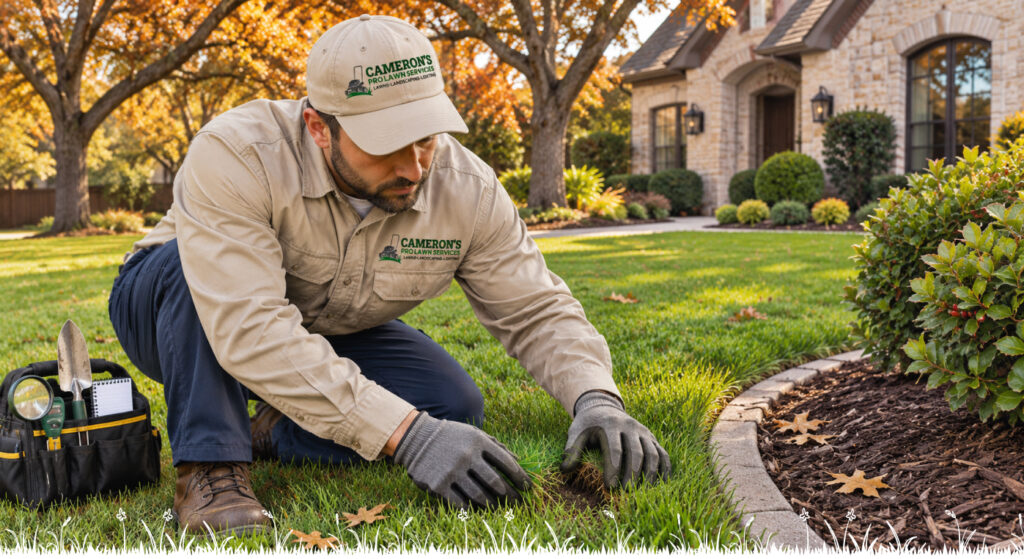
As North Texas moves from fall toward winter, warm-season lawns begin slowing down and preparing for dormancy. Cooler nights can change how grass grows, how often the property needs mowing, and how homeowners should monitor the condition of their turf. Although pest activity changes with the seasons, homeowners should not assume that every lawn problem disappears when temperatures fall. Insects, disease, moisture problems, and weak turf can sometimes create similar-looking symptoms. A careful inspection during the fall transition can help homeowners identify unusual areas before they become more difficult to evaluate. Why Inspect Your Lawn Before Winter? A lawn that experienced heat, drought, excessive moisture, heavy traffic, or uneven watering during summer may enter winter with weak or thin areas. Those areas deserve closer attention because healthy, dense turf generally provides better coverage than sections where grass has already declined. Texas A&M AgriLife identifies white grubs, chinch bugs, and fire ants among the notable insect pests found in Texas lawns. It also emphasizes that proper watering, fertilization, and mowing can help prevent or minimize many turf pest problems. The goal of a fall inspection is not to treat every lawn simply because an insect is present. Instead, homeowners should look for actual signs of damage and determine whether the condition requires further investigation. A careful fall inspection can help homeowners identify winter lawn pests North Texas before they become more difficult to manage. Looking for unusual discoloration, thinning turf, root damage, or spreading patches can help determine whether the lawn needs closer attention. Look for Changes in Grass Color Start by walking the entire property and looking for areas that look noticeably different from the surrounding turf. Watch for: Color changes can have many causes. Pests are only one possibility. Poor irrigation, drought stress, disease, compacted soil, drainage problems, and seasonal changes can also affect the appearance of grass. That is why homeowners should avoid automatically assuming that brown grass means insects. Check for White Grubs White grubs are among the most widespread and damaging turfgrass pests in Texas. They are larvae of certain beetles and feed below the soil surface around grass roots. Damage can appear as weakened or thinning turf, and in some situations sections of grass may lift more easily than healthy turf because roots have been damaged. If you notice an area that appears unusually weak, inspect the condition of the turf and soil rather than immediately applying an insecticide. The presence of one insect does not automatically mean the entire lawn requires treatment. Watch for Chinch Bug Damage Chinch bugs are another important lawn pest, particularly for St. Augustinegrass. Their damage can sometimes resemble drought stress, making identification more difficult. Look for areas of declining grass that do not seem to respond normally to appropriate watering. Pay attention to locations where turf has already been stressed by heat, drought, or poor growing conditions. Because symptoms can overlap with other lawn problems, proper identification is important before treatment. Texas A&M guidance notes that chinch bug damage is particularly associated with St. Augustinegrass. Don’t Confuse Pests With Lawn Disease One of the biggest mistakes homeowners can make is treating every damaged area as an insect problem. North Texas lawns can experience both insect damage and fungal or other turf diseases. Brown patch, for example, can produce noticeable brown or thinning areas during favorable fall conditions. Cameron’s Pro Lawn Services already has a dedicated guide explaining the signs and contributing conditions associated with brown patch in North Texas lawns. The visual appearance of a damaged lawn should therefore be evaluated carefully before choosing a treatment. If the pattern does not clearly indicate an insect problem, investigate other possible causes. Check Soil and Root Conditions A lawn inspection should not stop at the grass blades. If you find a weak area, gently inspect the surrounding soil and turf condition. Consider whether the soil is: Root problems can sometimes create symptoms that look similar to insect damage. Understanding what is happening below the surface can help narrow down the potential cause. Inspect Areas With Previous Problems If a section of your lawn had problems during summer, give it additional attention during the fall transition. Make a note of locations that experienced: Recurring problems can provide useful clues. For example, if the same area repeatedly becomes weak, the cause may be related to irrigation, drainage, shade, soil compaction, or another underlying condition rather than a seasonal insect infestation. Check Irrigation Coverage Watering and pest management are closely connected because weak turf can be more vulnerable to environmental stress. Run irrigation zones when appropriate and observe whether water reaches the intended areas. Look for: Excessive moisture can also contribute to disease problems, while insufficient moisture can weaken turf. The goal is balanced irrigation rather than simply increasing the watering schedule. Keep Leaves From Hiding Lawn Problems November can bring substantial leaf accumulation across North Texas properties. A thick layer of leaves can make it harder to see the condition of the turf. It can also hide damaged areas, standing water, and other conditions that deserve attention. Regular leaf cleanup allows homeowners to inspect the actual lawn surface more easily. North Texas seasonal guidance also recommends managing leaves and checking watering systems as the weather changes. Know When a Pest Problem Needs Professional Attention Not every insect requires treatment. A few insects may be present without causing meaningful damage to the lawn. The more important question is whether you are seeing a pattern of turf decline that could be connected to pest activity. Consider professional evaluation when: Correct identification should come before treatment. Texas A&M AgriLife specifically recommends identifying lawn pests and diseases correctly because different problems can produce similar symptoms and inappropriate treatment can waste money or harm the landscape. Keep the Lawn Properly Maintained Healthy turf does not guarantee that pests will never appear, but consistent maintenance can help the lawn handle seasonal stress more effectively. For homeowners searching for lawn maintenance Lewisville TX, regular mowing, edging, trimming, cleanup, and
Brown Patch in North Texas Lawns: Signs, Causes, and Prevention
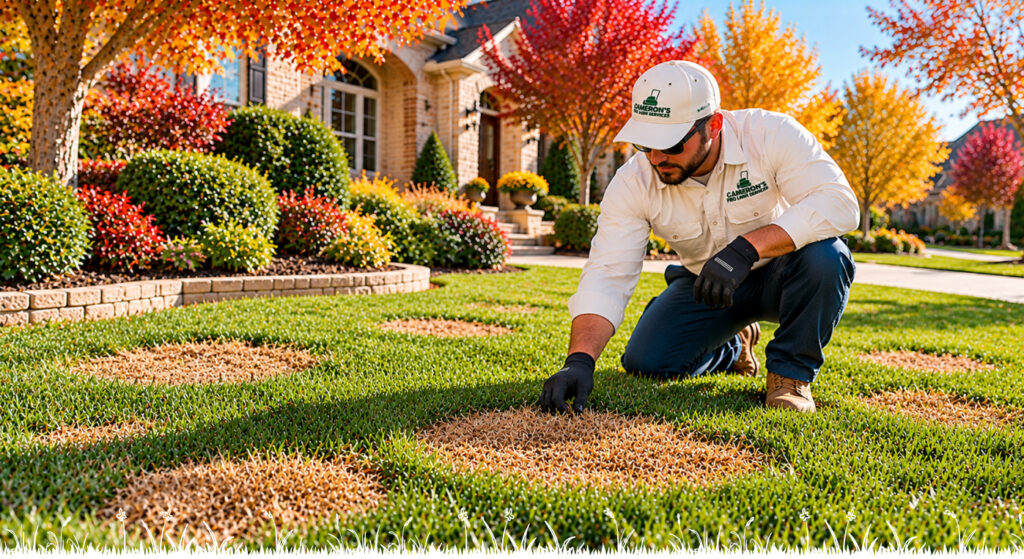
Brown patch North Texas homeowners can become more noticeable as fall temperatures change and lawns experience cooler nights, moisture, and slower growth. This fungal lawn disease is particularly common in St. Augustinegrass and can also affect other warm-season turfgrasses, including zoysia. Brown patch can start as circular areas of discolored grass and may spread when conditions remain favorable for disease development. Knowing what to look for early can help homeowners address the conditions contributing to the problem before the lawn enters winter dormancy. Regular lawn care becomes especially important as North Texas lawns move through seasonal changes. Homeowners should monitor turf condition, adjust maintenance practices, and address signs of stress before small problems become larger lawn issues. Homeowners looking for professional lawn maintenance Lewisville TX can benefit from consistent seasonal care that includes mowing, lawn inspections, irrigation monitoring, and timely maintenance. What Is Brown Patch? Brown patch is a fungal disease that affects turfgrass blades and can create noticeable circular areas of damaged or brown grass. Texas A&M AgriLife Extension describes brown patch as circular patterns of dead grass blades that can later develop a donut-like appearance as new leaves emerge in the center. It is particularly associated with St. Augustinegrass. The disease is more likely to become active when nighttime temperatures fall while daytime temperatures remain relatively warm. This makes the fall transition an important period for homeowners to watch their lawns. What Does Brown Patch Look Like? One of the easiest ways to recognize brown patch is by looking for circular or irregularly rounded areas of discolored turf. Early symptoms can resemble other lawn problems, so homeowners should avoid assuming every brown spot is fungal disease. Brown patch may begin with yellow, brown, or thinning grass and can gradually expand outward. In some cases, the center of the affected area may begin showing new growth while the outer portion remains damaged, creating a noticeable ring or donut-shaped appearance. Which North Texas Lawns Are Most at Risk? St. Augustinegrass is especially susceptible to brown patch. Zoysia can also experience large patch, which is closely related to the brown-patch disease complex. Texas turf guidance notes that large patch can affect zoysia as well as St. Augustine. Grass type matters when diagnosing lawn problems because different diseases can affect different turf varieties. If you are unsure what type of grass you have, identifying the turf before choosing a treatment can help prevent unnecessary applications. Why Does Brown Patch Develop? Environmental conditions play a major role. Texas A&M AgriLife Extension notes that brown patch becomes active during cool-season conditions and is promoted by wet weather or frequent irrigation. Several conditions can contribute to disease development: The disease is not simply caused by one mistake. A combination of moisture, temperature, turf condition, and lawn-management practices can create an environment where fungal problems spread more easily. Avoid Overwatering Your Lawn One of the most important steps homeowners can take is avoiding unnecessary irrigation. Watering a lawn simply because it is part of a regular schedule can keep grass unnecessarily wet. During fall, cooler temperatures can reduce evaporation, so the lawn may not need the same amount of water it required during the hottest part of summer. Instead, check the soil and consider recent rainfall before watering. If irrigation is necessary, early morning is generally preferable because grass blades have more opportunity to dry during the day. Texas A&M AgriLife specifically recommends early-morning irrigation to help reduce fungal lawn problems. Check Your Irrigation System Uneven irrigation can create areas where turf stays excessively wet. Inspect sprinkler heads for: A sprinkler that sprays the same area repeatedly can contribute to conditions favorable for fungal disease. If your lawn has recurring wet areas, correcting irrigation or drainage problems may be more useful than repeatedly treating the symptoms. Don’t Overfertilize in Fall Excessive nitrogen can encourage conditions that make certain lawn diseases more difficult to manage. Texas A&M AgriLife guidance specifically recommends avoiding overfertilization when managing brown patch. Fertilizer should be selected and applied according to the grass type, soil conditions, and appropriate seasonal timing. Applying more fertilizer does not automatically produce a healthier lawn. A soil test can provide better information about what nutrients the lawn actually needs. Keep Mowing Consistent Proper mowing remains important even when warm-season grass begins slowing down. Avoid cutting the lawn excessively short. Removing too much of the grass blade can stress the turf and reduce its ability to maintain healthy growth. Texas A&M AgriLife recommends maintaining appropriate mowing practices as part of overall disease prevention and turf management. Keep mower blades sharp and avoid mowing when the lawn is excessively wet. Improve Drainage Where Necessary If certain parts of your lawn remain wet long after rainfall or irrigation, investigate the drainage. Standing moisture can create an environment that encourages fungal problems. Look for areas where water collects, slopes that direct runoff toward the lawn, compacted soil, or irrigation overspray. Fixing the underlying drainage issue can be more effective for long-term lawn health than repeatedly treating affected areas. Brown Patch Can Be Confused With Other Problems Not every brown or thinning section of grass is brown patch. Other issues can produce similar symptoms, including: Texas A&M AgriLife notes that take-all patch can look different from brown patch because take-all primarily affects roots and typically creates irregular areas, while brown patch damages grass blades and is more circular. Correct identification is important before choosing a treatment. Look at the Pattern Before Treating The shape and location of damaged grass can provide useful clues. If several circular areas appear across St. Augustinegrass during cool, wet weather, fungal disease may be worth investigating. If damage is concentrated around sprinkler heads, sidewalks, drainage areas, or places with heavy traffic, the cause may be different. Take photographs as the problem develops. Comparing the lawn over several days can help determine whether the affected areas are expanding. Should You Use Fungicide? Fungicides can be useful when brown patch is correctly identified, particularly when used at the appropriate
How to Prevent Winter Weeds in North Texas Lawns
Winter weed control is an important part of preparing a North Texas lawn for the cooler months. As warm-season grasses slow down and eventually become dormant, winter weeds can take advantage of open spaces, thin turf, and changing soil conditions. Common winter weeds such as annual bluegrass, henbit, and chickweed can establish during fall and become much more noticeable as the season progresses. For homeowners in Lewisville and surrounding North Texas communities, October is a good time to inspect the lawn carefully and determine whether weed prevention, lawn maintenance, or other seasonal work is needed before winter. Why Winter Weeds Become a Problem Many homeowners associate weeds primarily with spring and summer. However, some weeds begin their life cycle during the cooler months. As warm-season turf slows its growth, weeds can find opportunities to establish in thin or exposed areas of the lawn. Texas A&M AgriLife Extension specifically identifies winter annual weeds such as annual bluegrass and henbit as problems that should be addressed before they emerge. Once weeds become established, they can compete with the existing turf for sunlight, water, nutrients, and growing space. This is why prevention is generally easier than waiting until a lawn is covered with weeds. Understand Your Grass Type Before taking action, homeowners should understand what type of grass is growing on the property. North Texas lawns commonly include warm-season grasses such as Bermuda, Zoysia, and St. Augustine. These grasses respond differently as temperatures fall. Warm-season turf gradually slows down and can enter dormancy, while many winter weeds remain active during cooler weather. Knowing your turf type is important because some weed-control products and lawn treatments are not appropriate for every grass variety. Always follow the product label and consider professional guidance when you are unsure which treatment is suitable for your lawn. Timing Matters More Than the Calendar Fall weed prevention is not simply about choosing a date on the calendar. Soil temperature plays an important role in determining when winter weed seeds begin to germinate. Texas A&M AgriLife guidance notes that the fall pre-emergent window for winter annual weeds is generally around September to early October, with soil temperature being an important factor. That means homeowners should not assume that applying a product at any random time in fall will provide the same result. By late October, the timing may already be different depending on local conditions and the specific weed. If you have not addressed prevention yet, evaluate the current condition of your lawn and consider getting professional advice rather than applying a product blindly. Common Winter Weeds to Watch For Several weeds can become noticeable during North Texas winters. Annual bluegrass, also known as Poa annua, is one of the common concerns in warm-season lawns. Henbit and chickweed can also appear during cooler periods. These weeds may remain relatively small at first, making them easy to overlook. By the time they become obvious across the lawn, they may already be well established. Regular inspections make it easier to notice changes before the problem spreads. Start With a Lawn Inspection Walk the entire property rather than checking only the areas that are easiest to see. Look closely at: These locations can provide opportunities for weeds to establish. A lawn with dense, healthy turf generally gives weeds fewer open spaces to occupy. Keep the Lawn Healthy One of the best long-term defenses against weeds is healthy turf. A dense lawn leaves less room for unwanted plants to establish. That means regular mowing, appropriate watering, proper nutrition, and seasonal maintenance all play a role in reducing weed pressure. Fall should not be treated as a period when lawn care stops completely. Warm-season grasses may be slowing down, but the condition of the lawn going into dormancy can influence how it looks when active growth returns. Continue Mowing as Needed North Texas weather can remain mild during parts of October. If the grass is still actively growing, mowing may still be necessary. The goal is to maintain the appropriate mowing height for the grass rather than cutting extremely low simply because winter is approaching. Recent lawn-care guidance also recommends continuing to mow during fall while grass is actively growing and avoiding removal of more than one-third of the blade at a time. Keeping the lawn properly maintained can also make weeds easier to identify. Be Careful With Fertilization Fall fertilization needs to be approached carefully, particularly with warm-season grasses. Texas A&M AgriLife’s current North Texas guidance notes that the first two weeks of October were the final recommended window for fertilizer applications in its current guidance, and it cautions against high amounts of nitrogen as frost becomes more likely. By October 21, homeowners should not automatically add fertilizer simply because the lawn looks tired. Instead, consider the grass type, current growth, soil conditions, weather, and previous applications. When in doubt, professional evaluation or a soil test can provide better information than guessing. Check for Thin and Bare Areas Thin turf creates opportunities for weeds. After a demanding North Texas summer, inspect areas that lost density because of heat, drought, foot traffic, shade, or irrigation problems. However, homeowners with warm-season grasses should be cautious about fall seeding or overseeding. Different turf types have different repair windows, and pre-emergent treatments can interfere with desired seed germination. Recent guidance specifically warns that pre-emergent applications should not be used where homeowners are planning to seed because the treatment can prevent desirable grass seed from germinating as well. Check Your Irrigation Watering problems can contribute to an uneven lawn. Dry areas may become thin and provide opportunities for weeds, while constantly wet areas can create other lawn problems. Walk through the property while the irrigation system is operating and check whether water is reaching the intended areas. Look for broken sprinkler heads, blocked spray patterns, leaks, and overspray onto sidewalks or driveways. For homeowners who need professional irrigation services, a seasonal inspection can help identify problems before they become larger maintenance issues? Don’t Ignore Shaded Areas Winter weeds
When Should You Stop Fertilizing Your Lawn in North Texas?
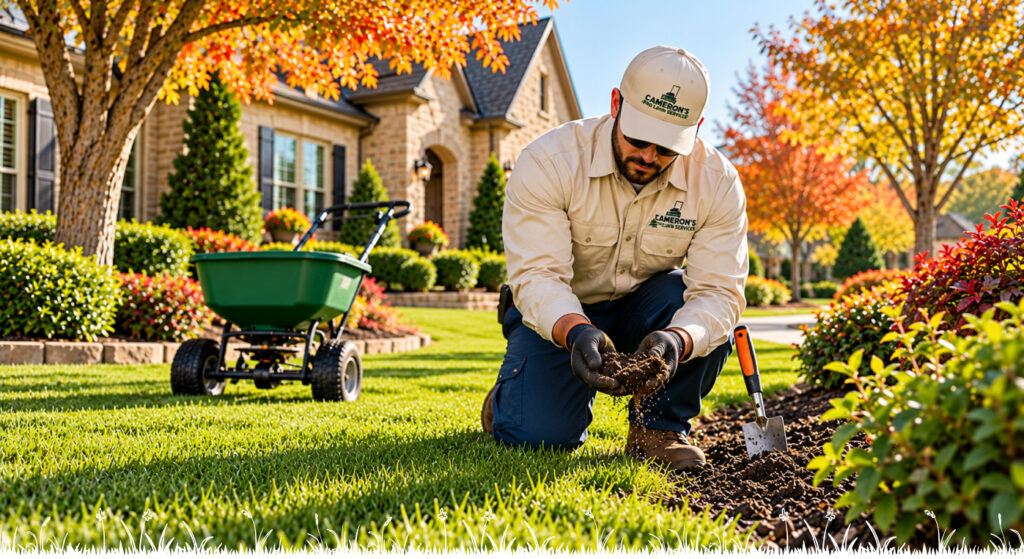
October is an important transition period for North Texas lawns. Warm-season grasses such as Bermuda, Zoysia, and St. Augustine gradually slow their growth as temperatures become cooler and the lawn begins preparing for winter dormancy. This is when many homeowners start wondering whether they should apply another round of fertilizer or stop for the season. The answer depends on the type of grass, current growth, soil conditions, previous applications, and how close the lawn is to dormancy. For homeowners considering lawn fertilization, timing matters just as much as the fertilizer itself. Applying nutrients while grass is actively growing can support healthy turf, while applying them too late may provide little benefit. Why Fertilizer Timing Matters in Fall Fall is different from the peak summer growing season. During summer, warm-season grasses can grow quickly and require regular mowing and maintenance. As temperatures fall, that growth naturally slows. Because of this change, homeowners should not treat October exactly like July or August. The lawn’s current growth should guide decisions about additional nutrients. The goal of fall lawn fertilization is not simply to keep the grass looking green for as long as possible. Instead, fertilizer should be used at an appropriate time to support the lawn while it can still actively use the nutrients. When Should You Stop Fertilizing Bermuda Grass? Bermuda grass is one of the most common warm-season grasses in North Texas. It thrives during warm weather and gradually slows as temperatures decline. As the grass approaches dormancy, its ability to actively use nitrogen also decreases. This means late applications should be approached carefully. Homeowners should look at the condition of the lawn rather than assuming another fertilizer application is automatically necessary. If growth has already slowed considerably, forcing additional growth may not be beneficial. Bermuda grass is one of the most common warm-season grasses in North Texas. It grows actively during warm weather and gradually slows as temperatures decline. Our recent guide, What Happens to Bermuda Grass in North Texas as Temperatures Cool?, explains how Bermuda grass responds as temperatures decline and why its fall maintenance needs change. Look at Current Grass Growth One of the easiest ways to determine whether the lawn may still benefit from fertilizer is to look at its growth. If the grass is still actively growing and requires regular mowing, the lawn may still be using available nutrients. If growth has slowed significantly, another nitrogen application may not be necessary. This is particularly important in October because weather conditions can change quickly across North Texas. Consider What Has Already Been Applied Homeowners should also consider how much fertilizer the lawn has already received during the year. Applying fertilizer repeatedly without considering previous treatments can lead to unnecessary nutrient buildup. A lawn that has already received appropriate applications may not need another heavy treatment. Keeping track of fertilizer applications can make it easier to determine whether another application is actually needed. Soil Conditions Matter Soil plays an important role in lawn health. Grass that appears weak, thin, or discolored does not necessarily have a fertilizer deficiency. Compacted soil, poor drainage, irrigation problems, shade, pests, and heavy foot traffic can all affect turf performance. A soil test can help homeowners better understand existing nutrient levels before deciding whether additional fertilizer is appropriate. Avoid Heavy Late-Season Applications More fertilizer does not automatically create a healthier lawn. When warm-season grass is approaching dormancy, excessive nitrogen can encourage new growth at a time when the lawn should naturally be slowing down. Homeowners should therefore avoid applying large amounts simply because the lawn is losing some of its summer color. A measured approach is generally better than trying to force the lawn to remain in peak summer condition. Don’t Fertilize Just to Keep Summer Color Bermuda grass naturally changes as temperatures become cooler. Some homeowners may interpret a gradual reduction in green color as a sign that the lawn needs more fertilizer. However, seasonal color changes can be completely normal. Instead of trying to maintain summer color indefinitely, homeowners should focus on keeping the lawn properly maintained as it transitions toward dormancy. Consider the Type of Grass The type of turf growing on the property also matters. Bermuda, Zoysia, and St. Augustine are warm-season grasses, but they do not have exactly the same growth patterns or maintenance requirements. Before applying fertilizer, homeowners should identify the grass type and consider its current growth stage. This becomes especially important during the fall transition when different areas of a property may respond differently to changing temperatures and sunlight. Fertilizer Is Only One Part of Lawn Care A healthy lawn requires more than nutrients. Mowing, watering, soil conditions, sunlight, drainage, leaf removal, and seasonal maintenance can all affect turf health. If one of these areas is being neglected, fertilizer alone may not solve the problem. A complete maintenance approach makes it easier to identify the actual reason a lawn is struggling. Adjust Watering as Temperatures Cool Watering requirements can also change during fall. As temperatures become cooler and grass growth slows, lawns generally do not require the same watering routine used during the hottest summer months. Homeowners should monitor rainfall, soil moisture, and lawn conditions rather than automatically following the same summer schedule. Professional irrigation services can also help identify uneven coverage, damaged sprinkler heads, leaks, or other watering problems. If you’re adjusting your lawn’s watering routine as temperatures change, our guide How to Adjust Your Lawn Watering Schedule in October in North Texas explains how rainfall, soil moisture, and seasonal conditions can affect irrigation needs. Continue Mowing While Grass Is Growing Cooler weather does not mean homeowners should immediately stop mowing. Bermuda grass can continue growing for a while as temperatures decline. Mowing should continue as needed while the grass remains actively growing. As growth becomes slower, mowing frequency can naturally decrease. Homeowners should also avoid removing too much of the grass blade at one time, particularly when the lawn is already experiencing seasonal stress. Remove Leaves and Lawn Debris Fall leaves can
What Happens to Bermuda Grass in North Texas as Temperatures Cool?
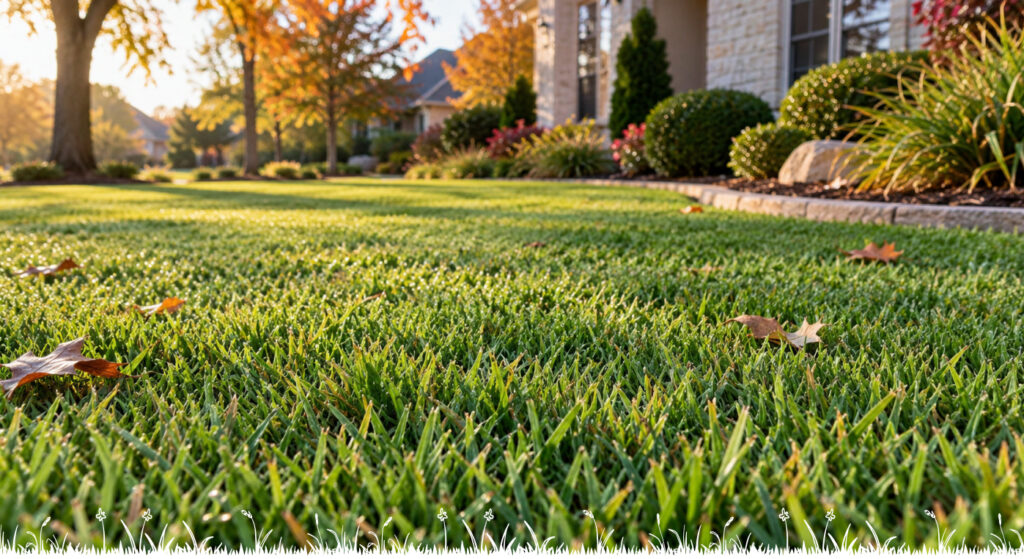
As October progresses, North Texas lawns begin transitioning from the intense growing conditions of summer toward cooler weather. For homeowners with Bermuda grass, this seasonal change can become noticeable as the turf gradually slows its growth, loses some of its deep green color, and prepares for winter dormancy. Understanding this transition can help homeowners avoid common lawn-care mistakes. Bermuda grass does not need to be managed exactly the same way in October as it was during the hottest part of summer. Watering, mowing, cleanup, and general maintenance should be adjusted according to the changing conditions. For homeowners focusing on Bermuda grass lawn care, understanding these seasonal changes is an important part of maintaining healthy turf throughout the year. Why Bermuda Grass Changes as Temperatures Cool Bermuda grass is a warm-season turfgrass that performs most actively during warmer growing conditions. As temperatures begin to decline, its growth naturally starts to slow. Homeowners may notice that the lawn does not require mowing as frequently as it did during the summer. The color can also gradually become less vibrant as the turf moves toward its dormant period. These changes are generally part of the normal seasonal cycle rather than an indication that the lawn is automatically unhealthy. Bermuda Grass Begins Slowing Its Growth One of the first noticeable changes during fall is slower grass growth. During the warmer months, Bermuda grass can grow quickly and require regular mowing. As temperatures decline, that growth rate gradually decreases. Homeowners should continue mowing while the grass is actively growing, but mowing frequency can naturally decrease as the lawn slows down. The important thing is to maintain the lawn according to its actual growth rather than following a rigid summer routine. The Lawn May Lose Some of Its Green Color Bermuda grass can gradually lose its deep green appearance as temperatures become cooler. This color change can be a normal part of the transition toward dormancy. It does not automatically mean the lawn needs additional fertilizer or water. Before making major changes, homeowners should consider the time of year, recent weather, and the overall condition of the turf. Localized discoloration, however, may have a different cause and should be investigated if it appears unusual. Cooler Temperatures Can Reduce Water Requirements As temperatures cool, the lawn may lose moisture more slowly than it did during peak summer. This means Bermuda grass may not require the same irrigation frequency it needed during periods of intense heat. Homeowners should monitor soil moisture and recent rainfall rather than continuing a summer watering schedule automatically. The goal is to provide enough moisture without creating unnecessarily wet conditions. Avoid Overwatering as Growth Slows More water is not always better for Bermuda grass. When growth slows, continuing heavy irrigation can result in moisture levels that exceed what the lawn currently needs. Homeowners should watch for standing water, runoff, consistently wet soil, or other signs that irrigation may be excessive. If the lawn is receiving adequate rainfall, additional watering may not be necessary at the same frequency used during summer. Continue Mowing While Bermuda Is Growing Even though Bermuda grass growth slows in fall, mowing should continue while the turf remains actively growing. The objective is to maintain an appropriate mowing height without removing excessive amounts of the grass blade. Keeping mower blades sharp can also help create cleaner cuts and reduce unnecessary stress on the turf. As temperatures continue to decline and growth becomes slower, mowing frequency can be reduced naturally. Do Not Try to Force Summer Growth One common mistake is trying to keep Bermuda grass looking exactly as it did during the middle of summer. Seasonal changes are natural, and Bermuda grass will respond to cooler temperatures by slowing its growth. Applying excessive water or unnecessary treatments simply to maintain rapid summer growth can create additional problems. Instead, homeowners should allow the turf to follow its natural seasonal cycle while continuing appropriate maintenance. Watch High-Traffic Areas Areas that receive frequent foot traffic can become more noticeable as Bermuda grass growth slows. During active growth, turf can recover more quickly from regular use. As growth declines, damaged areas may take longer to recover. Homeowners should limit unnecessary traffic on stressed or thinning sections whenever possible. This can be particularly important around walkways, outdoor seating areas, and frequently used sections of the property. Pay Attention to Shaded Areas Bermuda grass generally performs best with substantial sunlight. Areas underneath mature trees, beside buildings, or behind structures can therefore be more challenging locations for Bermuda grass. If one section of the lawn consistently looks thinner than the rest, homeowners should evaluate the amount of sunlight it receives before assuming the entire lawn has the same problem. Fall Is a Good Time to Inspect the Lawn October provides a useful opportunity to identify areas that struggled during the summer. Homeowners can look for: Identifying these issues before winter can help homeowners understand what may need attention when the next active growing season begins. How Bermuda Grass Maintenance Changes in Fall As temperatures cool, lawn care should become more focused on supporting the turf through the seasonal transition rather than encouraging rapid summer growth. Mowing, watering, leaf removal, and general lawn care should all be based on current turf conditions. Homeowners looking for Bermuda grass maintenance should focus on consistent care while allowing the lawn to respond naturally to changing temperatures. Keep Leaves From Covering the Turf Fallen leaves can accumulate quickly during fall, particularly beneath mature trees. A thick layer of leaves left on the lawn can block sunlight and restrict airflow around the turf. Regularly removing leaves and other debris can help keep the lawn cleaner as Bermuda grass moves toward dormancy. This is especially important in areas where leaves accumulate more quickly than they do across open sections of the property. Be Careful With Fertilization Bermuda grass does not necessarily require the same fertilization approach in fall that it received during active summer growth. As the turf transitions toward dormancy, homeowners should avoid making
Why Your Lawn Has Bare Spots after Summer in North Texas
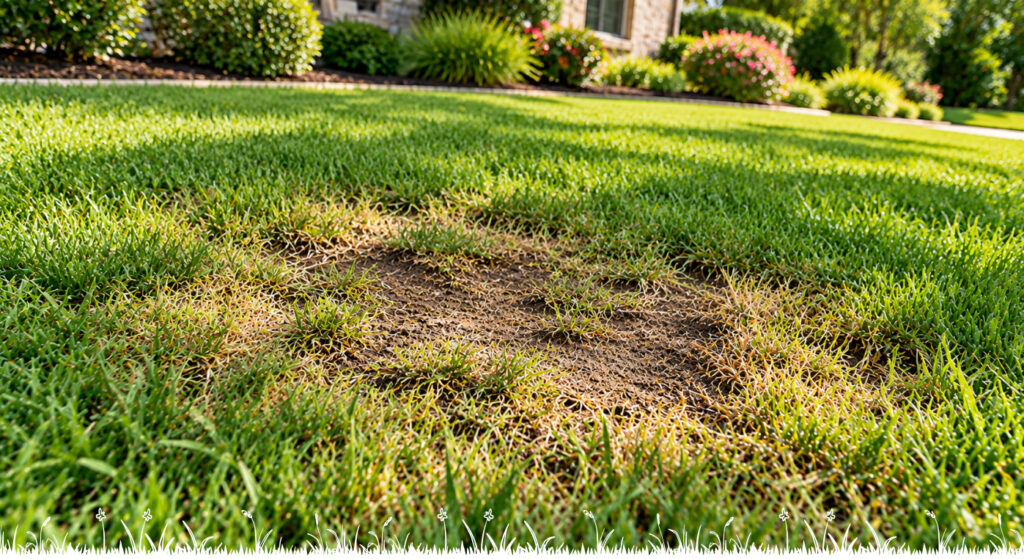
After a long North Texas summer, it is common to notice areas of grass that look thinner, weaker, or completely bare. High temperatures, intense sunlight, foot traffic, soil conditions, irrigation issues, and seasonal stress can all affect turf during the hottest part of the year. Bare spots are more than a cosmetic issue. If the underlying cause is not identified, simply adding new grass may only provide a temporary solution. Before repairing a damaged area, homeowners should understand why the turf declined and whether the surrounding conditions are suitable for healthy regrowth. For homeowners looking for lawn repair services, identifying the cause of bare spots is an important first step toward restoring a healthier and more consistent lawn. Why Bare Spots Appear After Summer Summer places significant stress on lawns in North Texas. Extended periods of heat can affect turf growth, while repeated activity across the property can create additional pressure on already-stressed grass. Not every bare spot has the same cause. One area may have suffered from heavy foot traffic, while another may have inadequate sunlight or compacted soil. That is why identifying the location, shape, and surrounding conditions of a bare area can provide useful clues about what happened. Summer Heat Can Stress Turf North Texas summers can expose lawns to prolonged periods of high temperatures. Turf that is already dealing with limited moisture, poor soil conditions, or other stress can become thinner during these periods. Grass may stop growing as actively when environmental conditions become difficult. Repeated stress can eventually leave sections of the lawn noticeably weaker than surrounding areas. However, heat alone is not always responsible. Homeowners should look at other conditions affecting the damaged section before deciding how to repair it. Heavy Foot Traffic Can Create Bare Areas Areas that receive frequent walking, outdoor activities, pets, or repeated equipment traffic can become damaged over time. Repeated pressure can flatten turf and compact the underlying soil. Once grass becomes thin, continued traffic can make it increasingly difficult for the area to recover. If a bare spot consistently appears along a walkway, near an outdoor seating area, or around a commonly used part of the yard, traffic may be contributing to the problem. Reducing unnecessary traffic while the area recovers can help prevent additional damage. Compacted Soil Can Prevent Healthy Recovery Soil compaction can create difficult conditions for grass roots. When soil becomes heavily compacted, the growing environment can become less favorable for root development and water movement. This can leave turf weaker and make recovery more difficult after periods of summer stress. Bare areas should therefore be evaluated at the soil level instead of focusing only on the grass that is visible above the surface. Improving the growing environment may be more important than simply replacing the missing turf. Shade Can Create Weak or Thin Turf Some bare spots develop in locations where sunlight is limited. Trees, structures, fences, and other landscape features can create shaded areas that receive significantly less direct sunlight than the rest of the property. If a bare or thin section is consistently located beneath a mature tree or alongside a structure, insufficient sunlight may be part of the problem. In these situations, homeowners should consider whether the area is actually suitable for the existing grass type before attempting to repair it. Irrigation Problems Can Leave Certain Areas Dry A lawn can receive different amounts of moisture depending on its location and the way the irrigation system covers the property. Areas along the edges of a lawn, near structures, or around landscape features may sometimes receive less water than more open sections. If bare spots consistently appear in the same locations, homeowners should determine whether the area is receiving appropriate moisture rather than simply increasing watering throughout the entire property. Professional irrigation services can help identify coverage problems and determine whether the watering setup is appropriate for the landscape. Grass Type Matters Different turfgrass varieties respond differently to North Texas conditions. Bermuda, Zoysia, and St. Augustine can have different preferences regarding sunlight, moisture, maintenance, and growing conditions. This means a grass type that performs well in one part of a property may not necessarily perform as well in another. Before repairing a bare spot, homeowners should consider whether the existing grass is appropriate for that particular location. Lawn Diseases and Pests Can Cause Damage Not every bare patch is caused by heat or physical stress. Certain lawn diseases and pest activity can contribute to thinning or damaged turf. These problems may sometimes appear as irregular patches or areas where grass gradually loses density. If the damaged area continues to expand despite appropriate lawn care, homeowners may need to investigate whether disease or pest activity is involved. Treating the visible bare spot without addressing the underlying cause can result in the problem returning. Bare Spots Can Develop Around Landscape Beds The transition between lawn and landscape beds can also influence turf health. Grass growing directly alongside planting beds may experience different soil, moisture, sunlight, and maintenance conditions compared with turf in open lawn areas. A clearly defined landscape edge can help keep lawn areas organized and prevent grass from gradually moving into planting beds. Our recent article, How Landscape Edging Can Keep Your Lawn and Garden Beds Cleaner, explains how defined boundaries can help make lawn and landscape maintenance more manageable. When Should You Repair a Bare Spot? The right time to repair a bare area depends on the cause of the damage and the condition of the surrounding turf. Before beginning repairs, homeowners should evaluate: Addressing these factors first can improve the chances of establishing healthier turf. Repairing the Lawn May Require More Than New Grass Simply placing new grass over a bare area does not always solve the problem. If compacted soil, poor sunlight, inadequate moisture, heavy traffic, or another issue caused the original damage, the same conditions can affect newly established turf. A successful repair should therefore address the condition of the growing area as well as the missing
Why Does Grass Turn Thin Under Trees in North Texas?
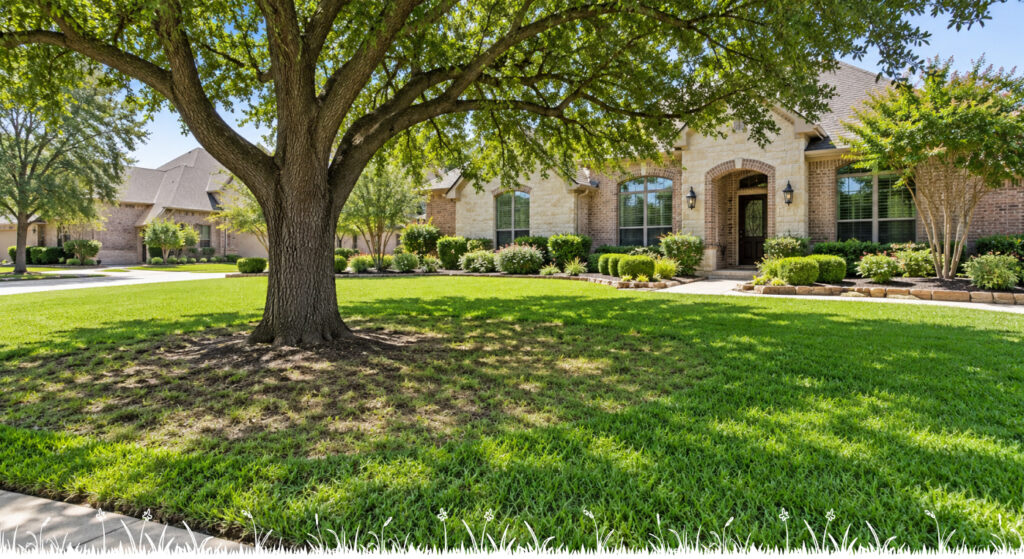
A healthy lawn can look completely different from one part of a property to another. One area may have thick, green turf while the grass beneath mature trees gradually becomes thin, weak, or patchy. In North Texas, this is a common landscape challenge because trees can significantly change the amount of sunlight, moisture, and growing space available to grass. For homeowners looking to maintain a healthy and attractive property, professional lawn maintenance Lewisville TX services can help keep mowing, trimming, and routine turf care consistent throughout the year. Homeowners sometimes assume that thinning grass automatically means the lawn needs more water or fertilizer. However, shade, tree roots, soil conditions, foot traffic, and mowing practices can all contribute to the problem. Understanding what is happening beneath the tree canopy is the first step toward choosing the right solution. When comparing the best lawn service for a property with mature trees, homeowners should look for a maintenance approach that considers the entire lawn rather than treating every section exactly the same. Why Grass Becomes Thin Beneath Trees Trees provide shade and contribute greatly to the appearance of a residential landscape, but their canopies can create difficult growing conditions for turfgrass. Grass generally needs adequate sunlight to produce the energy required for healthy growth. When a tree blocks a large portion of the sunlight reaching the lawn, the grass may gradually become thinner. The amount of shade can also change during the year. A lawn that receives reasonable sunlight during one season may receive much less when a tree has a dense canopy. Instead of immediately replacing the grass, homeowners should first determine whether insufficient sunlight is the underlying problem. Limited Sunlight Can Reduce Turf Density Sunlight is one of the most important factors affecting grass growth. Areas beneath mature trees may receive filtered light for only part of the day. Dense canopies can reduce direct sunlight even further. When grass consistently receives less light than it needs, it may produce fewer and weaker blades. Over time, this can leave the area looking noticeably thinner than nearby sections of the lawn. Observing the lawn throughout the day can help homeowners understand how much direct and filtered sunlight reaches the affected area. Tree Roots Compete for Available Resources Tree roots can extend throughout the surrounding soil and compete with turfgrass for moisture and nutrients. This does not necessarily mean that a tree is damaging the lawn. It simply means that grass growing close to mature trees may have more competition than grass growing in an open area. Aggressive digging around established tree roots can create additional problems, so lawn improvements should be planned carefully around mature trees. Soil Can Become Difficult for Grass to Grow In Soil beneath trees can develop conditions that make turf establishment more challenging. Foot traffic, compacted soil, surface roots, and years of landscape activity can reduce the quality of the growing environment. Compacted soil may also make it more difficult for water and air to move through the soil profile. Before adding new grass, homeowners should consider whether the underlying soil needs attention. Simply placing new turf over an unsuitable growing environment may provide only temporary improvement. Watering More Does Not Always Solve the Problem When homeowners see thin or stressed grass, adding more water may seem like the easiest solution. However, if insufficient sunlight is the primary issue, additional watering will not solve the underlying problem. Excess moisture can even create other lawn or soil concerns. Watering should be based on the actual needs of the turf, soil, weather conditions, and landscape layout. If several areas of the property have different moisture requirements, professional irrigation services can help evaluate whether the existing watering system is providing appropriate coverage. Mowing Practices Can Affect Shaded Grass Grass growing in shade can respond differently to mowing than grass growing in full sunlight. Cutting too aggressively can place additional stress on already limited turf growth. Maintaining a consistent mowing approach and avoiding excessive removal of grass height can help reduce unnecessary stress. Mowing should also account for current lawn conditions rather than following exactly the same approach throughout the year. Routine lawn maintenance can help homeowners monitor these differences before small problems become larger areas of declining turf. Foot Traffic Can Make Thin Areas Worse Grass beneath trees is sometimes located in naturally convenient areas for walking, playing, placing outdoor furniture, or accessing other parts of the yard. Repeated foot traffic can compact the soil and damage already-thin turf. If a particular area repeatedly struggles, homeowners should consider whether people, pets, or outdoor activities are contributing to the problem. Reducing unnecessary traffic during periods of stress can give the remaining turf a better opportunity to recover. Consider the Surrounding Landscape A tree should not necessarily be viewed as an obstacle simply because grass struggles beneath it. Instead, homeowners can consider whether the area would work better as a landscape bed containing plants, mulch, or other appropriate ground treatments. Choosing plants that match the available sunlight can also make these areas easier to maintain. This can create a more intentional transition between the lawn and mature trees while reducing the need to maintain turf in an environment where it consistently struggles. Professional landscaping services can help homeowners evaluate how these areas can be integrated into the overall property design. Seasonal Changes Can Affect Shaded Lawn Areas Shaded areas may respond differently as the seasons change. Temperature, rainfall, sunlight duration, leaf coverage, and tree canopy density can all influence the conditions around the turf. During fall, falling leaves can also block sunlight from reaching already-shaded grass. Regular leaf removal can therefore become an important part of maintaining the lawn. Seasonal lawn care can help homeowners stay ahead of these changing conditions instead of waiting until the lawn becomes visibly stressed. When Should You Consider Replacing Thin Grass? Not every thin area needs complete replacement. First, homeowners should determine why the grass is struggling. If the cause is excessive shade, compacted soil, heavy traffic,
How Mowing Height Affects Your North Texas Lawn throughout the Year
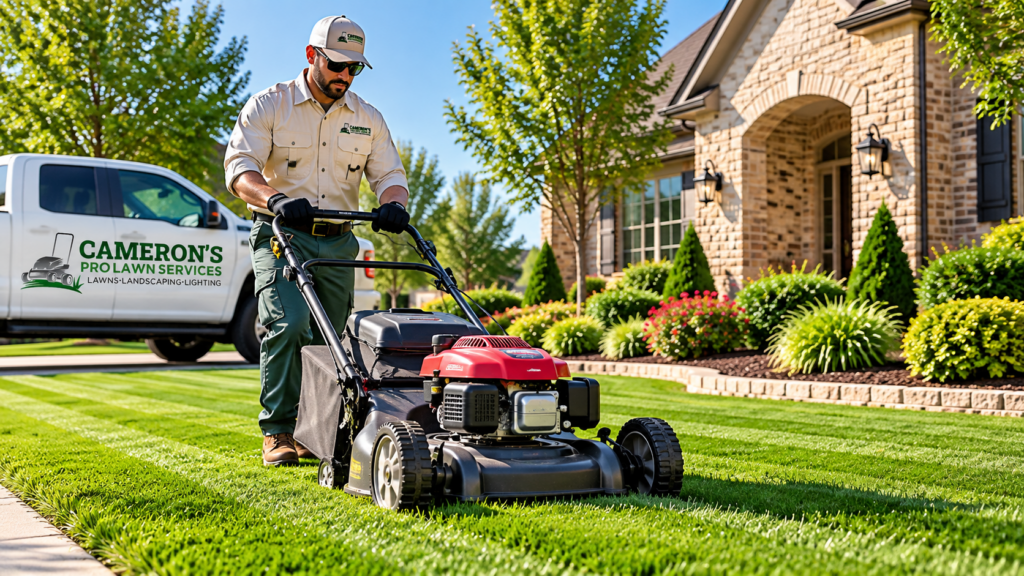
Mowing is one of the most regular tasks involved in caring for a residential lawn, but the height at which grass is cut can have a major effect on its appearance and overall condition. Cutting grass too short may expose the soil and place additional stress on the turf, while allowing it to become excessively tall can make regular maintenance more difficult. North Texas lawns also experience significant seasonal changes. Heat, sunlight, rainfall, and growth patterns can vary throughout the year, so maintaining the same mowing approach in every season may not always be appropriate. Consistent lawn maintenance and servicing can help homeowners keep mowing practices aligned with the condition of their turf. 1. Why Mowing Height Matters Grass leaves are responsible for capturing sunlight and supporting the plant’s growth. Removing too much of the leaf blade at one time can place unnecessary stress on the turf. A lawn that is consistently cut extremely short may also have less leaf surface available for photosynthesis. This can make the grass more vulnerable when temperatures become extreme or growing conditions change. On the other hand, allowing grass to become excessively tall can create its own maintenance challenges. Long grass may become difficult to mow evenly and can result in clippings accumulating across the surface. The goal is to maintain a reasonable height for the particular turf and current growing conditions. 2. Different Grass Types Have Different Needs Not every North Texas lawn should be maintained at exactly the same mowing height. Bermuda, St. Augustine, and Zoysia have different growth characteristics and respond differently to mowing. Factors such as sunlight, shade, soil condition, and lawn use can also influence how a particular property should be maintained. This means homeowners should consider the type of grass growing in their yard before establishing a mowing routine. A lawn that receives full sunlight may also behave differently from one growing beneath mature trees or beside a shaded structure. 3. Cutting Grass Too Short Can Create Stress Very short mowing can sometimes make a lawn appear neat immediately after cutting, but repeatedly removing too much of the grass blade can place stress on the turf. Short turf may also leave more soil exposed to direct sunlight. During hot North Texas weather, exposed soil can lose moisture more quickly. If the lawn is already struggling because of heat, foot traffic, compacted soil, or other conditions, aggressive mowing may add another source of stress. This is one reason professional lawn service providers consider the condition of the turf rather than simply cutting every lawn to the same height. 4. Seasonal Growth Should Influence Mowing Grass does not grow at exactly the same rate throughout the year. During periods of active growth, mowing may need to happen more frequently. As temperatures change and warm-season turf begins slowing down, mowing frequency can naturally change as well. Instead of following a fixed calendar without considering lawn conditions, homeowners should pay attention to actual growth. Seasonal maintenance can also involve more than mowing. Leaf removal, landscape-bed cleanup, pruning, irrigation adjustments, and other tasks may become important as outdoor conditions change. For broader seasonal property care, seasonal services can help homeowners address these changing maintenance requirements. 5. Mowing Frequency Matters Too Mowing height is only one part of maintaining healthy turf. How frequently the lawn is cut also matters. If grass becomes significantly overgrown between mowing sessions, removing a large portion of the blade at once can put additional stress on the plant. More consistent mowing allows homeowners to remove smaller amounts of growth at a time and maintain a more even appearance. The appropriate frequency depends on grass growth, weather, season, rainfall, sunlight, and the condition of the lawn. 6. Keep Mower Blades Sharp The condition of the mower itself can also influence the result. A dull blade may tear or shred grass rather than producing a clean cut. Torn grass can leave the lawn looking uneven and may create visible discoloration at the tips. Checking mower blades regularly and keeping them properly maintained can contribute to a cleaner mowing result. Homeowners should also make sure mowing equipment is appropriate for the property and that the mower is not being used in excessively wet conditions. 7. Shade Can Change How Your Lawn Should Be Mowed A shaded lawn can behave differently from turf growing in full sun. Grass beneath trees or near buildings may receive less direct sunlight and may grow differently from exposed areas. Cutting shaded turf too aggressively can make it harder for the grass to maintain sufficient leaf surface. Trees can also introduce additional maintenance needs. Fallen leaves may cover grass, while tree roots can affect soil conditions around the lawn. Maintaining the surrounding landscape alongside the turf can make it easier to manage these different growing conditions. Professional landscaping services can help homeowners maintain landscape beds, trees, borders, and other areas surrounding the lawn. 8. Avoid Mowing Wet Grass When Possible Wet grass can be more difficult to cut evenly. Moisture can cause clippings to clump together and may make it harder for mowing equipment to move smoothly across the lawn. Repeatedly mowing saturated turf can also contribute to surface compaction, particularly in areas that already receive heavy foot traffic. Allowing the lawn to dry sufficiently before mowing can make the process cleaner and help reduce unnecessary disturbance to the soil. 9. Leave Appropriate Clippings on the Lawn Grass clippings do not always need to be removed after every mowing session. When the lawn is mowed regularly and clippings are relatively small, they can often remain on the turf and break down naturally. However, excessive clippings that form thick piles should not be left covering the grass. Heavy accumulations can block portions of the turf from receiving adequate light and airflow. Consistent mowing helps reduce the likelihood of excessive clipping buildup. 10. Combine Mowing With Other Lawn Care Mowing alone cannot address every factor affecting a North Texas lawn. Turf condition can also be influenced by soil, moisture,
Why Does Your Lawn Have Bare Spots? 7 Common Causes in North Texas
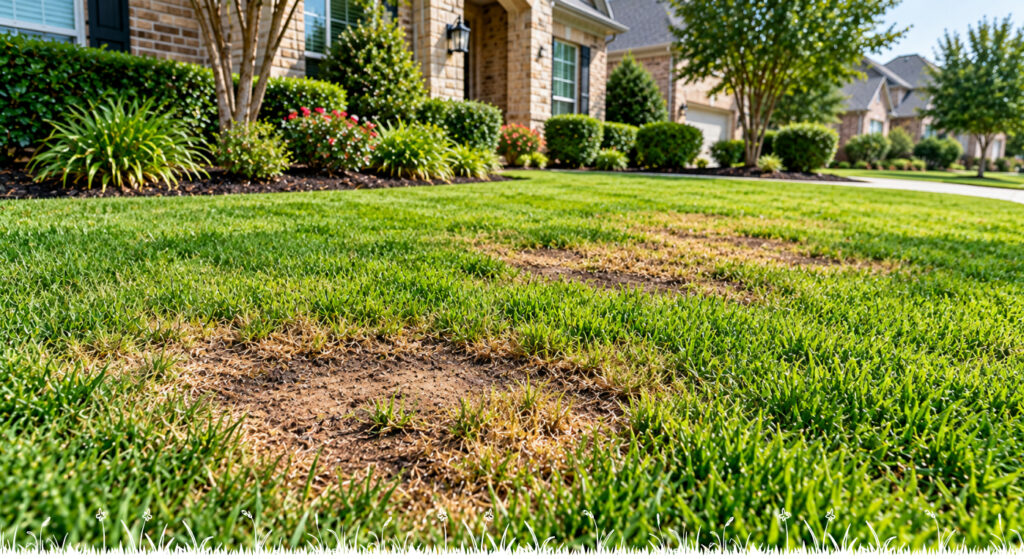
A lawn can look healthy overall while still developing thin or completely bare areas. In North Texas, high temperatures, inconsistent watering, compacted soil, heavy foot traffic, and other environmental conditions can make it difficult for grass to grow evenly across the property. Bare spots are not always caused by a single problem. Understanding what is affecting the grass is the first step toward improving its appearance and preventing the same areas from becoming thin again. For homeowners who want more consistent care throughout the growing season, a professional full lawn service care approach can help address mowing, lawn condition, seasonal needs, and other factors that influence healthy growth. Uneven Watering Across the Lawn One of the first things to check when bare spots appear is irrigation coverage. Some areas of the lawn may receive plenty of water while others remain consistently dry. Sprinkler heads that are blocked, damaged, poorly positioned, or operating with insufficient pressure can leave sections without adequate moisture. Over time, grass in those areas may become stressed, thin out, and eventually disappear. Professional irrigation services can help identify coverage problems and determine whether the sprinkler system is distributing water properly. Compacted Soil Can Restrict Grass Growth Soil becomes compacted when it is repeatedly walked on, driven over, or exposed to other heavy activity. Compacted soil contains less space for air, water, and roots to move through. Grass growing in compacted areas may struggle to develop a strong root system. This is why bare patches often appear near sidewalks, driveways, gates, play areas, and frequently used sections of the yard. Seasonal lawn practices can help address changing soil and turf conditions throughout the year. Heavy Foot Traffic Damages the Turf Repeated foot traffic can gradually weaken healthy grass. Children playing in the same area, pets following a regular path, or people repeatedly crossing the lawn can place continuous stress on the turf. Once grass becomes damaged, compacted soil can make recovery even more difficult. A consistent home lawn care service can help homeowners monitor problem areas and maintain the lawn before small patches develop into larger bare sections. Too Much Shade Can Thin the Grass Grass needs sufficient sunlight to produce healthy growth. Areas beneath mature trees, beside fences, or near the shaded side of a home may receive significantly less sunlight than the rest of the lawn. When sunlight is limited, grass can gradually become thinner even when watering and mowing practices are consistent. Nearby trees and shrubs can also expand over time, creating more shade than the lawn received in previous seasons. Professional landscaping services can help keep surrounding landscape areas maintained while considering how plant growth affects the lawn. Mowing the Grass Too Short Cutting grass extremely short may seem like an easy way to reduce mowing frequency, but it can place additional stress on the lawn. Grass blades help the plant produce energy. Removing too much of the blade at once can weaken the turf, particularly during hot North Texas weather. Repeatedly mowing stressed grass too low may eventually contribute to thinning or bare areas. The correct mowing approach can vary depending on grass type, season, weather, and current lawn condition. Heat and Seasonal Stress North Texas lawns experience significant seasonal changes. Extended heat, dry periods, changing rainfall, and periods of heavy rain can all affect turf health. An area that is already struggling because of compacted soil, insufficient irrigation, or heavy traffic may show damage more quickly during periods of environmental stress. Our recent article, Why Is Your New Sod Turning Yellow after Installation?, also explains how watering, heat, soil contact, and establishment conditions can affect newly installed turf. Many of those same environmental factors are important when evaluating stressed areas of an established lawn. Lawn Problems Can Spread When Left Unaddressed A small bare patch may initially seem minor, but leaving the underlying cause unresolved can allow the affected area to become larger. For example, poor sprinkler coverage may continue drying the same section, while regular traffic may continue compacting already stressed soil. Simply adding seed or sod without addressing the original problem may only provide temporary improvement. Consistent lawn maintenance services make it easier to monitor changes across the property and address routine lawn needs throughout the growing season. Look at the Pattern of the Bare Spots The location and shape of bare areas can provide useful clues. Bare sections along walkways may point toward traffic or compaction. Dry patches in specific sprinkler zones may indicate irrigation coverage problems. Thin grass beneath trees may be related to shade, while widespread thinning can suggest that several lawn conditions are contributing at the same time. Instead of treating every bare area the same way, identifying the likely cause can help determine the most appropriate next step. Consistent Lawn Care Can Help Prevent Future Bare Areas Healthy turf requires more than occasional mowing. Watering, mowing height, seasonal conditions, soil health, traffic, and surrounding landscaping can all influence how evenly grass grows. Homeowners searching for dependable lawn maintenance Lewisville TX services can work with Cameron’s Pro Lawn Services to keep their lawns maintained throughout the season and identify developing problem areas before they become more noticeable. Frequently Asked Questions Why is my lawn getting random bare spots? Bare spots can develop because of inconsistent watering, compacted soil, excessive traffic, shade, mowing stress, seasonal weather, or a combination of several conditions. Will grass grow back in a bare spot? It depends on why the grass disappeared. If the underlying problem is corrected and growing conditions are suitable, the area may recover or can be repaired using an appropriate lawn restoration method. Can poor irrigation cause bare patches? Yes. Areas that consistently receive too little water can become stressed and thin. Checking sprinkler coverage can help determine whether irrigation is contributing to the problem. Why is grass thin under my trees? Tree canopies can limit sunlight, while tree roots may also compete with grass for water and nutrients. These conditions can make maintaining dense turf beneath
Why Does Your Lawn Look Thin Even After Regular Mowing?

Regular mowing is an important part of maintaining a clean and attractive lawn, but mowing alone cannot guarantee thick, healthy-looking grass. Some North Texas homeowners mow consistently and still notice thin patches, weak growth, or areas where the lawn never seems to fill in. The reason is often connected to conditions beyond mowing. Irrigation coverage, soil compaction, sunlight, foot traffic, seasonal stress, and overall maintenance can all influence lawn density. For larger properties, professional large lawn maintenance services can help address the entire lawn rather than focusing only on cutting the grass. Here are seven common reasons your lawn may continue looking thin despite regular mowing. Your Lawn May Not Be Getting Water Evenly A lawn can be mowed perfectly and still struggle when irrigation coverage is inconsistent. Sprinkler heads can become blocked, damaged, misaligned, or affected by changes in surrounding landscaping. As a result, one section may receive sufficient water while another remains consistently dry. Run each sprinkler zone and look for: Professional irrigation services can help identify coverage problems that may contribute to thin or inconsistent grass. Mowing Too Short Can Stress the Grass Cutting the lawn shorter does not necessarily mean it will stay healthier or require less maintenance. Repeatedly removing too much grass can leave the lawn looking stressed and may make existing thin areas more noticeable. Mowing practices should respond to the grass type, growth conditions, season, and overall condition of the property. Other mowing issues can include dull mower blades, inconsistent mowing height, or waiting too long between cuts and then removing too much at once. Consistent professional lawn maintenance services can help keep mowing and edging on a regular schedule while allowing lawn conditions to be monitored over time. Compacted Soil Can Limit Lawn Growth Soil conditions underneath the grass can vary considerably across a property. Areas that receive frequent foot traffic, lawn equipment, pets, or other activity can gradually become more compacted. These sections may develop thinner growth even when the rest of the lawn looks relatively healthy. Pay particular attention to areas near: If the same areas remain thin year after year, the condition of the soil may be contributing to the problem. Some Areas May Not Receive Enough Sunlight Trees, fences, shrubs, buildings, and other structures can create significant differences in sunlight across the same lawn. Grass growing in heavily shaded areas may behave differently from grass receiving more direct sunlight. As trees and landscape plants mature, areas that once received adequate sunlight may gradually become more shaded. This is why it is useful to inspect the lawn at different times of day rather than judging sunlight conditions from a single observation. Professional landscaping services can also help keep shrubs, beds, and surrounding landscape areas maintained as they grow and change. Heavy Traffic Can Wear Down Certain Areas Some thin lawn areas are caused by how the property is used. People, pets, lawn equipment, and repeated activity can wear down the same sections over time. Larger residential or commercial lawns may also develop visible pathways where people regularly cross the grass. If you are comparing the cost to hire lawn maintenance service, consider the overall property requirements rather than mowing alone. Property size, edging, lawn condition, frequency of service, and additional maintenance needs can all affect the amount of work involved. Identifying high-traffic areas can also help determine whether routine mowing is actually addressing the reason the lawn looks thin. Seasonal Stress Can Change Lawn Density North Texas lawns experience changing conditions throughout the year. Summer heat, changing rainfall, cooler temperatures, and seasonal growth patterns can all affect how dense the lawn appears. Some areas may recover more slowly than others after periods of environmental stress. Seasonal property care can help address changing lawn and landscape needs throughout the year rather than relying on exactly the same maintenance routine every month. Our recent guide, Why Is Your New Sod Developing Gaps Between the Pieces?, also explains how watering, soil preparation, irrigation coverage, and early maintenance can influence the establishment and appearance of new grass. Mowing May Not Be the Actual Problem Regular mowing improves appearance, but it cannot correct every lawn issue. If grass remains thin despite consistent mowing, look beyond the mower. Irrigation, drainage, soil conditions, shade, traffic, seasonal stress, and previous lawn damage may all need to be considered. The location of the thin areas can provide useful clues. For example, repeated thinning near a walkway may indicate traffic, while irregular dry sections may point toward sprinkler coverage. Understanding the pattern can help determine what type of maintenance the property actually needs. Give Thin Areas Time to Recover Lawn improvement is not always immediate. Once the likely cause has been identified, the grass may still need time to respond to improved conditions. Continue monitoring the lawn and compare problem areas over several weeks rather than expecting overnight changes. Avoid making several major changes at once. If mowing height, watering, irrigation settings, and other factors are all changed simultaneously, it can become difficult to determine what was actually affecting the lawn. Homeowners searching for lawn maintenance Lewisville TX can turn to Cameron’s Pro Lawn Services for professional lawn maintenance, irrigation, landscaping, sod installation, and seasonal services throughout Lewisville and surrounding North Texas communities. Frequently Asked Questions Why is my lawn thin even though I mow it regularly? Regular mowing does not address every factor affecting grass density. Irrigation coverage, soil conditions, shade, foot traffic, seasonal stress, and mowing height can all contribute. Can mowing too short make a lawn look thinner? Yes. Repeatedly cutting grass too short can place additional stress on the lawn and make existing thin areas more noticeable. Can sprinkler problems cause thin patches? Yes. Poor or uneven sprinkler coverage can leave certain sections consistently drier than others. Why is grass thinner under trees? Areas under trees often receive less sunlight and may also experience different moisture and soil conditions than open sections of the lawn. How do I know what is causing thin grass?