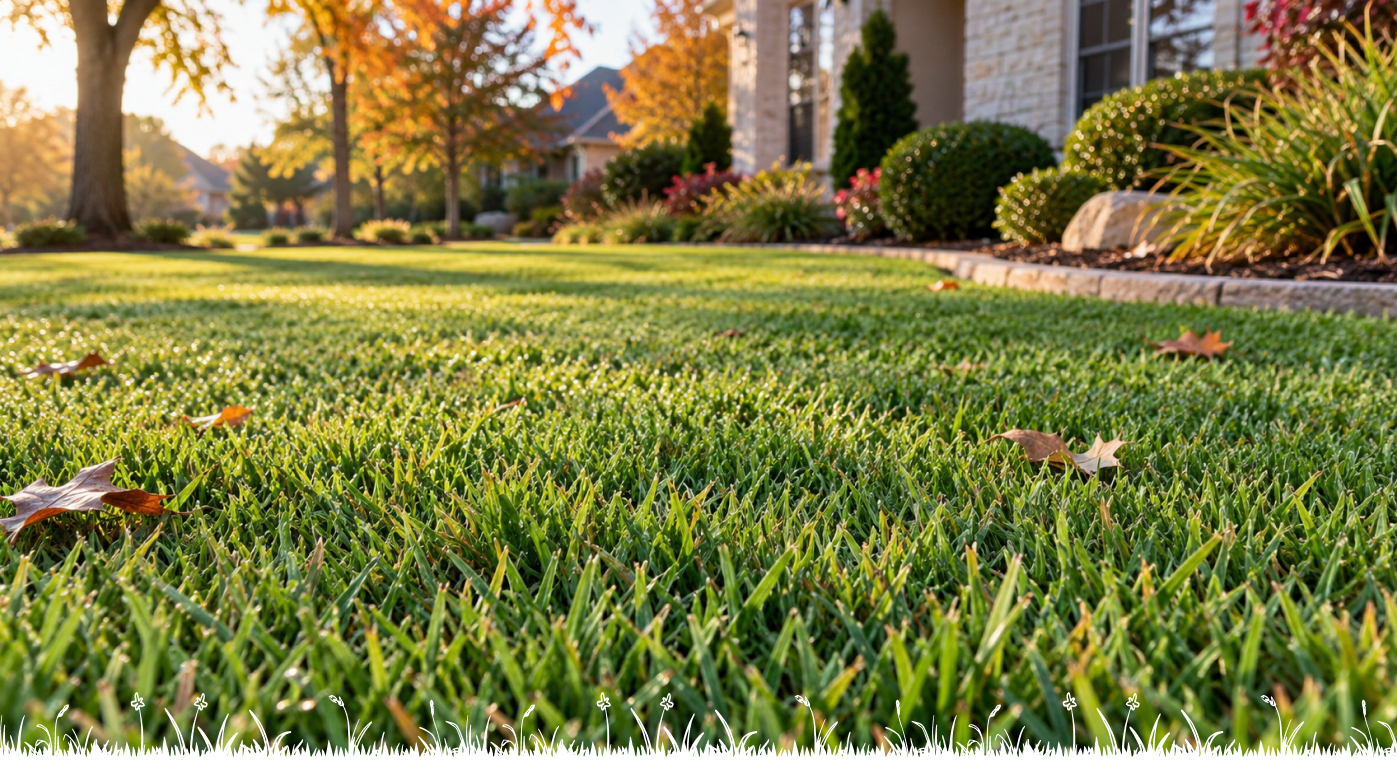
As October progresses, North Texas lawns begin transitioning from the intense growing conditions of summer toward cooler weather. For homeowners with Bermuda grass, this seasonal change can become noticeable as the turf gradually slows its growth, loses some of its deep green color, and prepares for winter dormancy.
Understanding this transition can help homeowners avoid common lawn-care mistakes. Bermuda grass does not need to be managed exactly the same way in October as it was during the hottest part of summer. Watering, mowing, cleanup, and general maintenance should be adjusted according to the changing conditions.
For homeowners focusing on Bermuda grass lawn care, understanding these seasonal changes is an important part of maintaining healthy turf throughout the year.
Why Bermuda Grass Changes as Temperatures Cool
Bermuda grass is a warm-season turfgrass that performs most actively during warmer growing conditions. As temperatures begin to decline, its growth naturally starts to slow.
Homeowners may notice that the lawn does not require mowing as frequently as it did during the summer. The color can also gradually become less vibrant as the turf moves toward its dormant period.
These changes are generally part of the normal seasonal cycle rather than an indication that the lawn is automatically unhealthy.
Bermuda Grass Begins Slowing Its Growth
One of the first noticeable changes during fall is slower grass growth.
During the warmer months, Bermuda grass can grow quickly and require regular mowing. As temperatures decline, that growth rate gradually decreases.
Homeowners should continue mowing while the grass is actively growing, but mowing frequency can naturally decrease as the lawn slows down.
The important thing is to maintain the lawn according to its actual growth rather than following a rigid summer routine.
The Lawn May Lose Some of Its Green Color
Bermuda grass can gradually lose its deep green appearance as temperatures become cooler.
This color change can be a normal part of the transition toward dormancy. It does not automatically mean the lawn needs additional fertilizer or water.
Before making major changes, homeowners should consider the time of year, recent weather, and the overall condition of the turf.
Localized discoloration, however, may have a different cause and should be investigated if it appears unusual.
Cooler Temperatures Can Reduce Water Requirements
As temperatures cool, the lawn may lose moisture more slowly than it did during peak summer.
This means Bermuda grass may not require the same irrigation frequency it needed during periods of intense heat.
Homeowners should monitor soil moisture and recent rainfall rather than continuing a summer watering schedule automatically.
The goal is to provide enough moisture without creating unnecessarily wet conditions.
Avoid Overwatering as Growth Slows
More water is not always better for Bermuda grass.
When growth slows, continuing heavy irrigation can result in moisture levels that exceed what the lawn currently needs.
Homeowners should watch for standing water, runoff, consistently wet soil, or other signs that irrigation may be excessive.
If the lawn is receiving adequate rainfall, additional watering may not be necessary at the same frequency used during summer.

Continue Mowing While Bermuda Is Growing
Even though Bermuda grass growth slows in fall, mowing should continue while the turf remains actively growing.
The objective is to maintain an appropriate mowing height without removing excessive amounts of the grass blade.
Keeping mower blades sharp can also help create cleaner cuts and reduce unnecessary stress on the turf.
As temperatures continue to decline and growth becomes slower, mowing frequency can be reduced naturally.
Do Not Try to Force Summer Growth
One common mistake is trying to keep Bermuda grass looking exactly as it did during the middle of summer.
Seasonal changes are natural, and Bermuda grass will respond to cooler temperatures by slowing its growth.
Applying excessive water or unnecessary treatments simply to maintain rapid summer growth can create additional problems.
Instead, homeowners should allow the turf to follow its natural seasonal cycle while continuing appropriate maintenance.
Watch High-Traffic Areas
Areas that receive frequent foot traffic can become more noticeable as Bermuda grass growth slows.
During active growth, turf can recover more quickly from regular use. As growth declines, damaged areas may take longer to recover.
Homeowners should limit unnecessary traffic on stressed or thinning sections whenever possible.
This can be particularly important around walkways, outdoor seating areas, and frequently used sections of the property.
Pay Attention to Shaded Areas
Bermuda grass generally performs best with substantial sunlight.
Areas underneath mature trees, beside buildings, or behind structures can therefore be more challenging locations for Bermuda grass.
If one section of the lawn consistently looks thinner than the rest, homeowners should evaluate the amount of sunlight it receives before assuming the entire lawn has the same problem.
Fall Is a Good Time to Inspect the Lawn
October provides a useful opportunity to identify areas that struggled during the summer.
Homeowners can look for:
- Thin turf
- Bare areas
- Compacted soil
- Poor irrigation coverage
- Excessive shade
- Drainage problems
- Heavy-traffic damage
- Inconsistent growth
Identifying these issues before winter can help homeowners understand what may need attention when the next active growing season begins.
How Bermuda Grass Maintenance Changes in Fall
As temperatures cool, lawn care should become more focused on supporting the turf through the seasonal transition rather than encouraging rapid summer growth.
Mowing, watering, leaf removal, and general lawn care should all be based on current turf conditions.
Homeowners looking for Bermuda grass maintenance should focus on consistent care while allowing the lawn to respond naturally to changing temperatures.
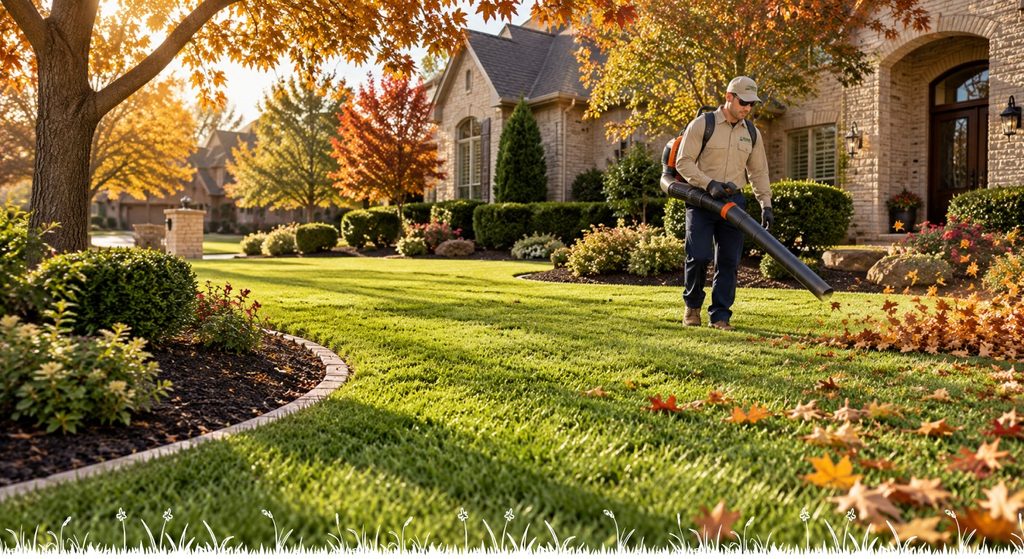
Keep Leaves From Covering the Turf
Fallen leaves can accumulate quickly during fall, particularly beneath mature trees.
A thick layer of leaves left on the lawn can block sunlight and restrict airflow around the turf.
Regularly removing leaves and other debris can help keep the lawn cleaner as Bermuda grass moves toward dormancy.
This is especially important in areas where leaves accumulate more quickly than they do across open sections of the property.
Be Careful With Fertilization
Bermuda grass does not necessarily require the same fertilization approach in fall that it received during active summer growth.
As the turf transitions toward dormancy, homeowners should avoid making fertilizer applications simply to force continued vigorous growth.
The appropriate approach depends on the lawn’s condition, soil, grass stage, and seasonal timing.
Check Irrigation Coverage
Even when Bermuda grass is slowing down, irrigation services can play an important role in identifying and correcting watering problems before they affect the lawn.
Dry areas can indicate broken sprinkler heads, clogged nozzles, poor coverage, or other irrigation problems.
If one section consistently receives too much or too little water, correcting the underlying irrigation issue can benefit the lawn beyond the current season.
What Happens When Bermuda Grass Goes Dormant?
As temperatures continue to decline, Bermuda grass can eventually enter winter dormancy.
During dormancy, the turf may become brown or straw-colored. This is a natural response to colder conditions and does not necessarily mean the grass has died.
The timing and appearance of dormancy can vary depending on weather and local conditions.
Homeowners should therefore avoid assuming that dormant Bermuda grass needs to be treated like actively growing summer turf.
Should You Worry About Brown Bermuda Grass?
Brown Bermuda grass during the colder season can be completely normal.
The important thing is to distinguish natural seasonal dormancy from actual turf damage.
If brown or thinning areas were already present before temperatures dropped, homeowners may want to investigate the underlying issue.
Problems involving irrigation, soil, pests, disease, traffic, or other conditions can remain even after the grass enters dormancy.
How to Prepare Bermuda Grass for Winter
Preparing the lawn for winter does not mean trying to keep it actively growing.
Instead, homeowners should focus on keeping the property clean, addressing obvious lawn problems, maintaining appropriate irrigation, and avoiding unnecessary stress.
Removing excessive leaves and monitoring problem areas can also make it easier to identify conditions that may require attention later.
Bermuda Grass and Your Overall Lawn Plan
Bermuda grass should be considered as part of the property’s complete outdoor maintenance plan.
Irrigation, soil, drainage, trees, planting beds, mowing, and seasonal maintenance can all influence how the lawn performs.
Our recent guide, How to Adjust Your Lawn Watering Schedule in October in North Texas, explains why irrigation needs can change as temperatures and rainfall patterns shift.
Bermuda Grass and Bare Spots
Summer stress can also leave Bermuda lawns with thin or bare areas heading into fall.
Heavy traffic, compacted soil, irrigation problems, shade, and other conditions can contribute to turf loss.
If you notice bare areas after summer, identifying the underlying cause is important before assuming that the lawn simply needs more water.
Our earlier guide, Why Your Lawn Has Bare Spots After Summer in North Texas, explains several common causes of these damaged areas.
Bermuda Grass and Lawn Maintenance
Seasonal changes do not mean lawn maintenance should stop.
Even as Bermuda grass slows down, homeowners should continue monitoring the lawn, removing debris, checking irrigation, maintaining appropriate mowing practices, and watching for developing problems.
For homeowners searching for lawn maintenance Lewisville TX, consistent professional care can help keep the property clean and well maintained throughout changing North Texas conditions.
Frequently Asked Questions
Does Bermuda grass turn brown in winter?
Yes. Bermuda grass is a warm-season turf and can naturally turn brown or straw-colored as it enters winter dormancy.
Should I keep watering Bermuda grass in October?
Watering requirements can decrease as temperatures cool, but the lawn should still be monitored for dry conditions. Rainfall, soil moisture, and weather should all be considered.
Should I continue mowing Bermuda grass in fall?
Yes, while the grass is still actively growing. As growth slows, mowing frequency can naturally decrease.
Why is my Bermuda grass turning brown in October?
Seasonal temperature changes can naturally cause Bermuda grass to lose its green color as it approaches dormancy. Localized discoloration may have another cause and should be evaluated.
Can Bermuda grass recover from summer damage?
It depends on the cause and severity of the damage. Some areas may recover under favorable growing conditions, while severely damaged sections may require additional lawn repair.
Does Bermuda grass need fertilizer in fall?
Fertilization should depend on the turf’s growth stage, soil conditions, and seasonal timing. Homeowners should avoid using fertilizer simply to force continued summer-like growth.
How can I keep my Bermuda lawn healthy through winter?
Maintain appropriate seasonal care, remove excessive leaves and debris, monitor irrigation, avoid unnecessary traffic, and address obvious lawn problems before the turf becomes fully dormant.
Let Bermuda Grass Follow Its Natural Seasonal Cycle
Bermuda grass naturally changes as North Texas temperatures begin to cool. Slower growth, reduced water requirements, changes in color, and eventual dormancy are normal parts of its seasonal cycle.
The goal during fall is not to force the lawn to behave like it is still in the middle of summer. Instead, homeowners should adjust mowing, irrigation, cleanup, and general care according to the actual condition of the turf.
With consistent Bermuda grass lawn care, homeowners can help maintain healthier turf throughout the seasonal transition and prepare the property for the next growing season.
Cameron’s Pro Lawn Services provides professional lawn maintenance, landscaping, irrigation, sod installation, and seasonal services for homeowners and properties throughout Lewisville and surrounding North Texas communities.
Need help maintaining your Bermuda lawn? Contact Cameron’s Pro Lawn Services for a free quote.

Cameron's Lawn Care Service
Explore helpful lawn care, landscaping, irrigation, sod installation, seasonal maintenance, and outdoor property care tips from our team.
See All Blog