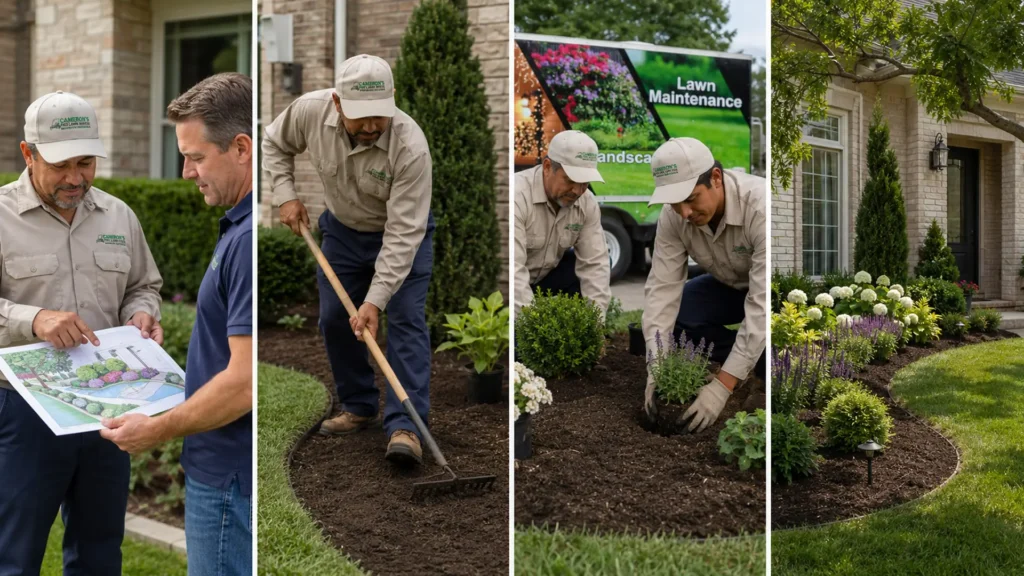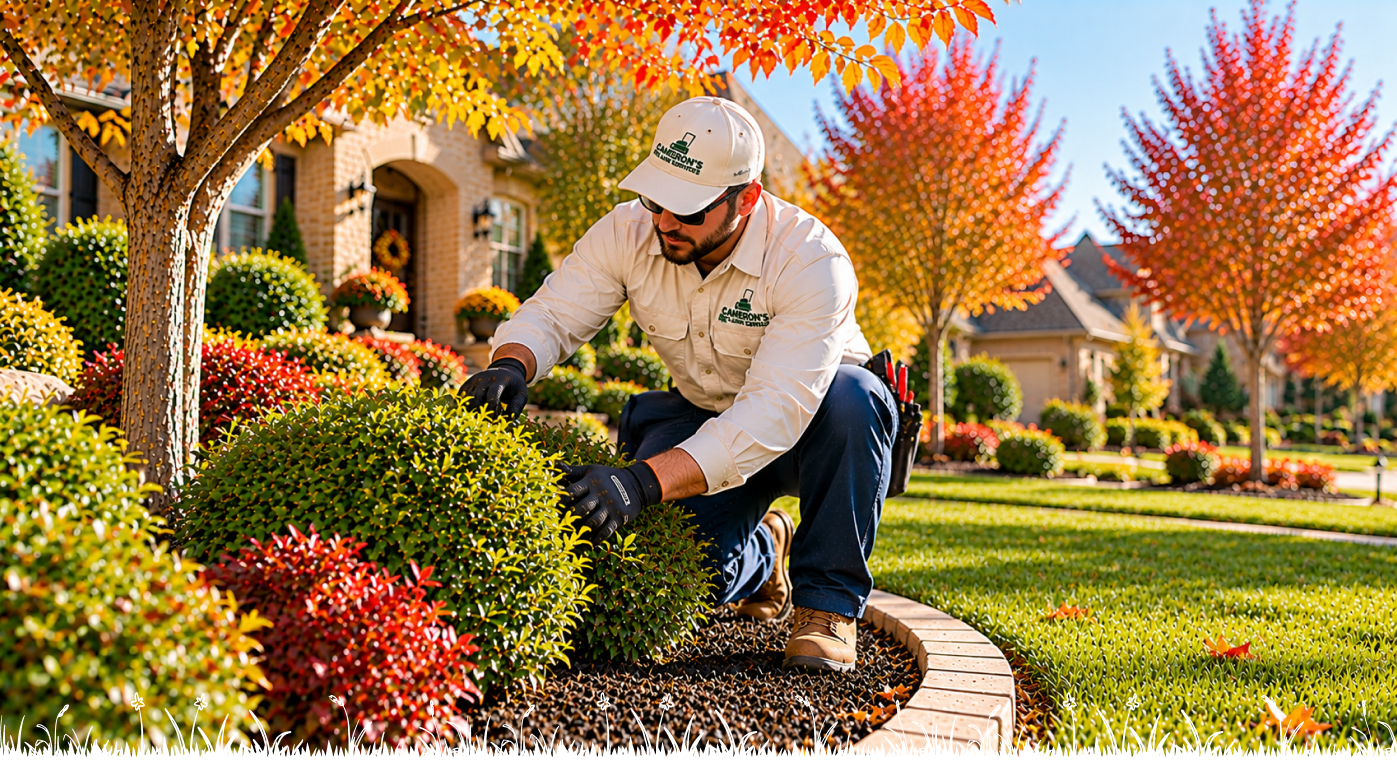
Fall tree and shrub care becomes especially important in North Texas as temperatures begin to cool after the summer heat. October can be a useful time to inspect trees and shrubs, improve planting areas, check soil moisture, remove damaged branches, and prepare established plants for the months ahead.
North Texas homeowners should not treat fall maintenance as simply cutting everything back. Different trees and shrubs have different needs, and the timing of pruning, watering, planting, and mulching can affect how well plants perform during the following growing season.
Why Fall Is Important for Trees and Shrubs
Summer can place significant stress on landscape plants.
High temperatures, intense sunlight, dry conditions, and inconsistent moisture can affect both established and newly planted trees and shrubs.
When temperatures become cooler, plants experience less heat stress while the soil can remain warm enough for root development.
North Texas gardening guidance identifies fall as an excellent period for planting many trees and shrubs because cooler air reduces transplant stress while soil can retain warmth from summer.
This makes fall a useful time to evaluate the landscape and decide what needs attention before winter.
Inspect Trees After Summer
Begin by walking around the property and looking closely at mature trees.
Check for dead branches, damaged limbs, broken twigs, unusual growth, and areas that may have been affected by summer stress.
Also look at the base of each tree.
The trunk should remain visible and free from excessive mulch piled against it.
Small problems can be easier to identify when you inspect the landscape regularly rather than waiting until a branch breaks or a tree shows obvious decline.
Don’t Automatically Prune Everything in Fall
One of the biggest mistakes homeowners can make is assuming that every tree and shrub should be heavily trimmed in October.
Pruning timing depends on the plant.
Many spring-flowering shrubs develop their flower buds on older growth. Cutting these plants back at the wrong time can remove buds that would have produced flowers the following spring.
Fall can still be appropriate for removing dead, damaged, or hazardous branches, but major reshaping should be approached carefully.
When in doubt, identify the plant first and determine when it normally flowers before making significant cuts.
Remove Dead or Damaged Growth
While major pruning may need to wait, dead or damaged growth deserves attention.
Broken branches can become weak points during storms or high winds.
Dead material can also make a tree or shrub look neglected.
Removing clearly dead or damaged branches can improve the appearance of the landscape and reduce potential problems.
For larger trees or branches near structures, professional assessment is a safer approach than attempting difficult work without the proper equipment.
Check the Soil Around Your Plants
Soil conditions are just as important as what you see above ground.
Fall planting and maintenance should begin with an understanding of the soil.
Check several areas around trees and shrubs rather than judging moisture only from the surface.
North Texas soils can vary considerably, and clay-heavy areas may hold moisture differently from sandy or amended planting areas.
Local North Texas guidance recommends checking soil moisture below the surface and adjusting watering according to actual conditions rather than relying only on a calendar.
Water New Trees and Shrubs Carefully
Newly planted trees and shrubs need particular attention during establishment.
Cooler temperatures can reduce water loss, but that does not mean new plants can be ignored.
Check the root ball and surrounding soil regularly.
If the soil becomes dry, provide a thorough watering appropriate for the plant and current weather.
New evergreen plants may require additional attention because they continue losing moisture through their foliage even during cooler weather.

Mulch Can Help Protect Root Zones
A properly applied layer of mulch can help conserve soil moisture and moderate soil temperatures.
However, mulch should not be piled directly against tree trunks or shrub stems.
North Texas gardening guidance recommends maintaining a roughly 2- to 3-inch mulch layer over the root zone while keeping mulch away from the trunk and root flare.
A neat mulch layer can also give landscape beds a cleaner appearance while helping protect the soil.
Consider Planting Trees and Shrubs in Fall
If you have been planning to add trees or shrubs to your property, fall can be a favorable planting period for many suitable species.
Cooler air reduces transplant stress, while warm soil can give roots time to establish before the following summer.
North Texas sources specifically identify fall as an advantageous planting period for many trees and shrubs.
However, plant selection matters.
Consider mature size, sunlight, drainage, soil conditions, available space, and the plant’s cold tolerance before purchasing anything.
Choose Plants for the Space
A common landscaping mistake is choosing a plant based only on how it looks at the nursery.
A small container plant can eventually become a large tree or shrub.
Before planting, consider how large the plant will become and how it will interact with the house, sidewalks, fences, utilities, existing trees, and nearby plants.
Local North Texas guidance also recommends considering mature size, light, drainage, and the plant’s eventual relationship with surrounding structures and vegetation.
Good placement can prevent future maintenance problems.
Give New Plantings Room to Establish
Trees and shrubs need time to establish after planting.
Avoid treating a newly planted tree like an established landscape plant.
Check moisture around the root ball, monitor weather conditions, and avoid allowing the soil to become excessively dry.
At the same time, avoid creating constantly saturated conditions.
The goal is consistent establishment, not simply maximum watering.
Look at the Entire Landscape Bed
Trees and shrubs do not exist separately from the rest of the property.
Their surrounding landscape beds also need attention.
Remove excessive debris, monitor weeds, check mulch depth, and make sure plants have enough space to grow.
Clean transitions between lawn and landscape beds can also make the property look more organized.
Professional landscape maintenance can help keep these connected areas maintained throughout the changing seasons.
Keep Irrigation Consistent
Watering requirements change as temperatures change.
A schedule that was appropriate during the hottest part of summer may not be necessary during cooler fall weather.
However, newly planted trees and shrubs still need adequate moisture while their root systems establish.
Check soil conditions and rainfall before deciding whether additional irrigation is necessary.
For properties with uneven sprinkler coverage, damaged heads, or other irrigation problems, professional irrigation services can help identify areas that need attention.
Watch for Seasonal Changes
Fall landscapes can change quickly.
Some trees begin losing leaves while evergreen shrubs remain green. Certain plants develop fall color, while others begin slowing their growth.
These changes are normal, but they also make fall a good time to evaluate the overall landscape.
Look for plants that appear stressed, areas with poor drainage, and locations where summer conditions may have exposed problems.
Don’t Overlook Landscape Appearance
Tree and shrub care is not only about plant health.
Well-maintained trees and shrubs can significantly influence the appearance of the entire property.
Trimmed shrubs, clean beds, defined lawn edges, and healthy trees create a more organized outdoor space.
This is particularly noticeable from the street, driveway, entryway, and main outdoor living areas.
Use Fall to Plan Spring Improvements
Not every landscaping project needs to be completed immediately.
Fall can be a useful time to identify what should be changed or improved next year.
You may notice a planting bed that receives too much shade, a shrub that has outgrown its location, or an area that needs better drainage.
Writing these observations down now can make spring planning easier.
Be Careful With Fall Cleanup
A clean landscape does not necessarily mean removing every piece of natural plant material.
Some healthy plant material can provide habitat and winter interest, while diseased or problematic material should be removed.
Recent fall-cleanup guidance also emphasizes that pruning decisions should be based on the individual plant rather than treating every landscape plant the same way.
The goal is a healthy, organized landscape—not simply an empty-looking one.
Prepare for Winter Gradually
North Texas winters are different from colder northern climates, but plants can still experience cold-weather stress.
Newly planted trees and shrubs deserve particular attention before freezing temperatures arrive.
Make sure they are appropriately watered during dry periods, check their root zones, and maintain proper mulch.
Fall preparation should focus on helping plants enter winter in good condition rather than forcing unnecessary growth or pruning.
Seasonal Services Can Keep the Property Organized
Fall landscape work often involves several different tasks.
Trees and shrubs may need inspection, beds may need cleanup, irrigation may need adjustment, and lawns may need continued maintenance.
Coordinating these tasks can make seasonal property care easier.
Professional seasonal services can help homeowners address multiple outdoor maintenance needs as weather conditions change.
Your Latest Cameron’s Pro Lawn Services Guide
Our latest blog, Fall Yard Cleanup: What North Texas Homeowners Should Do Before Winter, covers important seasonal tasks such as leaf removal, landscape-bed cleanup, irrigation checks, lawn care, and preparing outdoor areas for changing weather.
The two topics work together because trees and shrubs are an important part of the overall fall cleanup and maintenance process.
Related Reading
If you are planning larger lawn improvements, Is Fall the Best Time for Sod Installation in North Texas? Explains what homeowners should consider when installing new turf during the fall season.
Keep Your Outdoor Space Looking Its Best
For homeowners looking for lawn maintenance Lewisville TX, consistent care can help keep the lawn, trees, shrubs, and surrounding landscape areas looking organized throughout the changing seasons.
A well-maintained landscape is easier to manage when individual areas are cared for as part of one complete outdoor space.
Frequently Asked Questions
Is fall a good time to plant trees and shrubs in North Texas?
Yes. Fall can be a favorable planting period because cooler air can reduce transplant stress while warm soil allows roots to establish before summer heat returns.
Should I prune my shrubs in October?
Not every shrub should be heavily pruned in October. Some spring-flowering shrubs develop their flowers on older growth, so pruning them at the wrong time can remove next year’s flower buds.
Should newly planted trees be watered in fall?
Yes. Newly planted trees still need appropriate moisture while their roots establish. Check the root ball and surrounding soil and adjust watering according to rainfall and conditions.
How much mulch should I use around trees?
A 2- to 3-inch layer is commonly recommended around the root zone, but mulch should be kept away from the trunk and root flare.
Can I remove dead branches in fall?
Dead or damaged branches can generally be addressed, but larger branches or potentially hazardous tree work should be professionally assessed.
What should I check before planting a tree?
Consider mature size, sunlight, drainage, soil conditions, available space, and the tree’s relationship with buildings, sidewalks, utilities, and other plants.
Do trees and shrubs need irrigation during cooler weather?
They may. Watering needs usually decrease as temperatures cool, but newly planted or stressed plants can still require supplemental moisture during dry periods.
Should I remove all leaves from landscape beds?
Not necessarily. Some healthy plant material can provide protection and habitat, while excessive or diseased debris should be removed.
Give Your Trees and Shrubs a Fall Check
October is a valuable time for North Texas homeowners to evaluate the condition of their landscape.
Inspect trees and shrubs, check soil moisture, maintain appropriate mulch, remove damaged growth, review irrigation, and carefully consider whether plants need pruning or replacement.
Fall can also be an excellent opportunity to establish suitable new trees and shrubs before the next summer arrives.
With thoughtful seasonal care, homeowners can protect the appearance of their property while giving their landscape a stronger foundation for the seasons ahead.
Cameron’s Pro Lawn Services provides landscaping, lawn maintenance, irrigation, seasonal services, sod installation, and holiday lighting for homeowners and property managers throughout Lewisville and surrounding North Texas communities.
Ready to get your landscape ready for the season? Contact Cameron’s Pro Lawn Services for a free quote.

Cameron's Lawn Care Service
Explore helpful lawn care, landscaping, irrigation, sod installation, seasonal maintenance, and outdoor property care tips from our team.
See All Blog