How to Prepare North Texas Landscape Beds for November

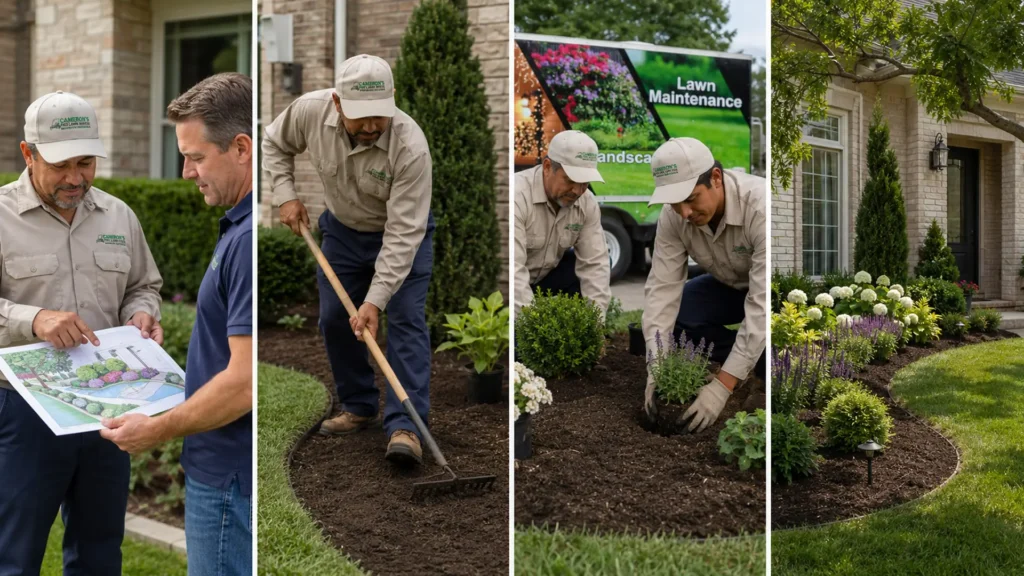
As October comes to an end, North Texas properties begin transitioning into a different phase of outdoor maintenance. Cooler temperatures, falling leaves, changing plant growth, and shorter days can all affect the appearance of landscape beds. November is a good time to inspect planting areas, remove accumulated debris, refresh mulch where needed, define bed edges, and identify plants or areas that may need attention before winter. Landscape beds are often one of the most visible parts of a property. Keeping them organized and maintained can improve curb appeal while also making it easier to monitor the health of plants, shrubs, and trees throughout the cooler months. Clear Leaves and Seasonal Debris Falling leaves can quickly cover landscape beds during October and November. A small amount of leaf material may be useful when properly managed, but heavy accumulation can hide plants, cover bed edges, trap excessive moisture, and make it harder to identify weeds or other problems. Regular cleanup keeps landscape beds easier to inspect and maintains a more organized appearance. Homeowners should also pay attention to diseased or heavily damaged plant material. Removing problematic debris can help prevent it from remaining around healthy plants. Texas A&M AgriLife’s November gardening guidance recommends continuing to manage fallen leaves through mulching or composting and monitoring landscapes as cooler weather arrives. Redefine Landscape Bed Edges Landscape bed edges can gradually become less defined because of grass growth, soil movement, foot traffic, and regular maintenance. A clean edge creates a visible separation between turf and planting areas. This can make an outdoor space appear more structured without requiring a complete landscape redesign. Walk around the property and look for areas where grass has started growing into the beds or where the original shape of the planting area is no longer clear. Defining these boundaries can also make mowing and trimming around the beds easier. Inspect Existing Plants Before Winter November is a useful time to look closely at shrubs, ornamental plants, and other vegetation. Check for: Not every plant needs to be pruned immediately. Texas A&M AgriLife specifically advises against rushing to prune woody plants, noting that late December through February is generally a better pruning window for many woody plants. The appropriate timing can vary by plant type, so avoid treating every shrub or tree the same way. Refresh Mulch Without Overdoing It Mulch can give landscape beds a cleaner finished appearance while helping regulate soil temperature, retain moisture, and reduce weed competition. However, adding more mulch is not always better. Texas A&M Forest Service recommends keeping mulch around two to three inches deep and avoiding piles against tree trunks. Before adding fresh material, inspect the existing layer. If the mulch is still adequately covering the soil, simply redistributing it may be enough. If it has become thin or uneven, a controlled refresh can improve the appearance of the bed. Avoid creating large piles around the base of trees or shrubs. Check for Weeds Before They Become Established Landscape beds can develop weeds even when they appear well maintained. Small weeds are generally easier to address than large, established growth that has already spread throughout the bed. Inspect the areas around shrubs, ornamental plants, borders, and open sections of soil. Removing weeds early can help reduce competition for available moisture and nutrients. Maintaining an appropriate mulch layer can also help reduce weed emergence by limiting exposed soil. Look at the Overall Landscape Design Fall is a good time to evaluate whether landscape beds still work with the rest of the property. Look at the relationship between: Ask whether the beds still provide the visual structure you want. Some properties may only need cleanup and maintenance, while others may benefit from a broader update. For homeowners considering landscape bed preparation North Texas, professional landscaping can help evaluate existing beds and determine whether targeted improvements or a larger landscape update makes sense. Maintain the Space around Trees and Shrubs Trees and shrubs often form the foundation of landscape beds. Keep surrounding areas free from excessive debris and make sure mulch is not piled directly against trunks. Properly maintained mulch can help conserve moisture and moderate soil temperature, but poor application can create problems. Inspect tree and shrub areas for exposed roots, damaged branches, compacted soil, and competing weeds. If a plant appears stressed, determine the underlying issue before simply adding more water or fertilizer. Don’t Overwater Landscape Beds Cooler weather can change how quickly soil dries. Homeowners should not automatically continue the same watering routine used during the hottest summer months. Check soil moisture and recent rainfall before adding additional water. Overwatering can create problems for some landscape plants, particularly when cooler conditions slow evaporation. This is especially important when landscape beds contain plants with different water requirements. If your property has both lawn and landscape areas, watering needs may not be identical across the entire yard. Keep Lawn and Landscape Maintenance Connected Landscape beds do not exist separately from the rest of the property. Mowing, edging, trimming, leaf removal, and bed maintenance all contribute to the overall appearance. For homeowners searching for lawn maintenance Lewisville TX, coordinating routine lawn care with landscape-bed cleanup can create a more consistent appearance across the entire property. Regular lawn maintenance also helps prevent grass from gradually spreading into defined planting areas. Refresh Beds Before Holiday Decorations November is also when many North Texas homeowners begin preparing their properties for the holiday season. Before installing outdoor decorations or holiday lighting, landscape beds can benefit from basic cleanup. Removing leaves, defining edges, trimming appropriate plant material, and refreshing visible planting areas can make the entire property look more polished. This is particularly useful around entryways and other areas that will become focal points during the holiday season. Use Seasonal Services for Larger Cleanup Needs Some landscape beds require more than a quick homeowner cleanup. Large properties may have extensive leaf accumulation, overgrown edges, tired mulch, neglected planting beds, or several areas that need attention at the same time. Professional seasonal
When to Plant Daffodils and Spring Bulbs in North Texas

Daffodil planting North Texas homeowners can plan during the cooler part of fall, giving bulbs time to establish before spring. North Texas has a different climate from regions where bulbs experience long, cold winters, so planting time and bulb selection matter. Local gardening guidance generally places spring-bulb planting from fall into early winter, with late October through December being a useful period depending on the bulb and current soil conditions. For homeowners in Lewisville and surrounding North Texas communities, this is a good time to look at planting beds, decide where spring color is needed, and prepare the soil before planting. Why Plant Spring Bulbs in Fall? Spring-flowering bulbs spend much of their early life underground. After planting, they develop roots while temperatures are cooler. When spring arrives, the bulbs can use the established root system to produce leaves and flowers. North Texas gardening guidance recommends planting suitable spring bulbs between October and December while the soil is cooling. This makes fall an important planning period for homeowners who want colorful spring landscapes. The exact planting date should still depend on the type of bulb, soil temperature, weather, and the specific requirements of the variety being planted. Daffodils Are a Reliable North Texas Choice Daffodils are among the spring bulbs that can perform well in North Texas. The Dallas Arboretum recommends planting daffodil bulbs in late fall to early winter, followed by watering and appropriate feeding. Daffodils can also return year after year when planted in suitable conditions. Their bright flowers can provide a strong seasonal focal point in landscape beds, around trees, along walkways, or in natural-looking groupings. For homeowners who want spring color without redesigning the entire landscape, strategically placed bulbs can make a noticeable difference. Don’t Treat Every Bulb the Same One of the biggest mistakes homeowners can make is assuming every spring bulb should be planted at exactly the same time. Different bulbs have different requirements. North Texas sources note that certain bulbs can perform well locally while others may need special preparation because the region’s winter temperatures may not provide enough natural chilling. Tulips and hyacinths are good examples. Some North Texas gardeners pre-chill these bulbs before planting because local winters may not provide the cold period they need for reliable flowering. Before buying large quantities, check whether the specific variety is recommended for North Texas. Choose the Right Planting Location Location can make a major difference in bulb performance. Look for areas that receive adequate sunlight during the growing season and have good drainage. Bulbs generally do not perform well when they remain in constantly saturated soil. Avoid areas where water regularly collects after rainfall. Also consider what the planting area will look like throughout the year. A bed that looks empty after spring bulbs finish flowering may benefit from other plants that provide summer or fall interest. Prepare North Texas Soil Before Planting North Texas soil can be challenging, particularly in areas with heavy clay. Before planting bulbs, loosen the soil and make sure excess water can drain away. Local North Texas bulb guidance recommends improving heavy clay soil with suitable organic material and expanded shale where appropriate. The objective is not to create a completely different soil profile. Instead, focus on creating a planting area where bulbs can establish roots without remaining excessively wet. Plant Bulbs at the Right Depth Planting depth is another important consideration. A commonly recommended guideline is to plant bulbs at approximately three times the height of the bulb, although exact requirements can vary by species and variety. The pointed side generally faces upward. Avoid guessing when planting expensive or unfamiliar bulbs. Check the planting instructions supplied with the specific variety. Correct depth helps protect the bulb and supports healthy root and shoot development. Give Bulbs Enough Space Spacing affects both appearance and plant performance. Planting bulbs too far apart can make a display look sparse. Planting them too close together can create unnecessary competition as plants develop. North Texas bulb guidance commonly recommends spacing bulbs at roughly two to three times the bulb width, depending on the variety and desired effect. For a natural appearance, homeowners can also use irregular groupings rather than perfectly straight rows. Create Natural-Looking Daffodil Groups Daffodils can look particularly attractive when planted in informal clusters. Rather than placing one bulb at every exact distance, consider creating groups that appear naturally distributed throughout the landscape. North Texas bulb experts specifically recommend scattering daffodils through suitable planting areas for a more natural appearance. They can work well around evergreen ground covers, beneath suitable trees, or throughout larger landscape beds. The key is to consider how the flowers will look when viewed from the house, sidewalk, street, and driveway. Be More Intentional With Tulips Tulips can create a dramatic spring display, but they behave differently from daffodils in North Texas. Local gardening guidance notes that tulips generally do not perennialize reliably in North Texas and may be treated more like a seasonal display. If you want a strong visual impact, planting tulips in groups or clusters can make the display feel fuller. However, homeowners should understand the additional preparation that may be necessary before investing in a large tulip planting. Consider Spring Bulbs for Existing Landscape Beds Bulbs do not require an entirely new landscape design. They can be incorporated into existing beds around established shrubs, trees, borders, and walkways. This makes them a useful option for homeowners who want to add seasonal color without removing their existing landscape. When choosing locations, think about what the area will look like before, during, and after the bulbs bloom. A successful landscape should still look intentional after the flowers have finished. Think About Spring Color Before You Plant One benefit of planting bulbs is the ability to plan a landscape months ahead. Instead of waiting until spring to decide where flowers should appear, homeowners can determine their desired focal points during fall. Think about the areas that look empty in early spring. Entryways, front beds, walkways,
Best Fall Plants to Add Color to North Texas Landscapes

Choosing fall plants for North Texas can help homeowners add seasonal color while preparing their landscapes for cooler weather. October is an especially useful time to evaluate planting areas because North Texas has a wide range of plants that can provide fall and winter interest. Cooler temperatures can also make establishment easier for many hardy plants compared with the intense heat of summer. The best choice depends on the amount of sunlight, soil conditions, drainage, available space, and whether you want temporary seasonal color or plants that can return in future seasons. Why Fall Is a Good Time to Plant Fall offers several advantages for North Texas landscapes. The weather is generally less demanding than during the hottest part of summer, while soil can remain warm enough to support root development. This combination can give many hardy plants an opportunity to establish before next year’s summer heat arrives. That does not mean every plant available at a local nursery should automatically be planted in October. Some plants are better suited to cool-season color, while others are long-term landscape investments. Understanding the difference can help homeowners choose plants that fit both their property and their maintenance expectations. Start With the Location Before choosing a plant, look at the area where it will be installed. Observe how much direct sunlight the location receives during the day. Also consider whether the area stays wet after rain, dries quickly, sits beneath mature trees, or receives reflected heat from a driveway or wall. A plant that performs well in full sun may struggle in a heavily shaded bed. Likewise, a plant that prefers well-drained soil may not perform well in an area where water remains after rainfall. The right plant starts with the right location. Add Cool-Season Color With Pansies Pansies are one of the familiar choices for North Texas cool-season color. They can add bright color to landscape beds after many warm-season flowers begin declining. Pansies can be especially useful around entryways, borders, containers, and smaller planting areas where homeowners want noticeable seasonal color. Because they are generally treated as cool-season bedding plants in North Texas, they can provide color during a period when many summer flowers are no longer performing at their best. Consider Violas for Smaller Spaces Violas offer another option for adding cool-season color. Their smaller flowers can work well around pathways, borders, containers, and mixed planting beds. They can also be combined with other seasonal plants to create layers of color rather than relying on one plant variety throughout the entire landscape. When planning a planting bed, consider how the colors and plant heights will work together once everything has matured. Add Dianthus for Long-Lasting Seasonal Interest Dianthus can also be useful in North Texas cool-season landscapes. They provide colorful flowers and can work in beds, borders, and other areas where homeowners want seasonal interest. Local North Texas gardening guidance specifically lists dianthus among the plants that can bring color as warm-season flowers fade. The key is to select plants according to the conditions of the individual property rather than choosing solely based on appearance at the nursery. Don’t Overlook Snapdragons Snapdragons are another cool-season option worth considering. Their upright growth can add height to a planting bed, helping create more visual variety. They can be particularly useful when combined with lower-growing plants such as pansies or violas. Using plants with different heights can make a landscape bed feel fuller without requiring a large number of different varieties. Use Ornamental Kale and Cabbage for Texture Ornamental kale and cabbage can provide something different from traditional flowers. Their foliage adds texture and structure to cool-season planting areas. These plants can work particularly well when homeowners want visual interest even when flowering plants are not at their peak. Combining foliage-based plants with colorful flowers can create a more balanced landscape rather than relying entirely on blooms. Add Native and Well-Adapted Plants Fall is also a good time to think beyond short-term seasonal color. North Texas homeowners can consider native and well-adapted plants that are suited to local growing conditions. However, a plant being labeled native or drought tolerant does not mean it will perform well in every location. Sun exposure, soil, drainage, mature size, and moisture requirements still need to be considered. The goal should be to match the plant to the property rather than forcing the property to accommodate an unsuitable plant. Think About Perennials for the Long Term Some homeowners want their fall planting to do more than provide temporary color. Perennials can be a good option when the goal is to establish plants that can return in future growing seasons. North Texas gardeners have many possibilities, including asters, coneflowers, gaura, salvias, Turk’s cap, and other flowering perennials. A perennial may not look particularly impressive when first planted, but its root system can continue developing while above-ground growth slows. That makes fall planting partly an investment in the following year. Consider Ornamental Grasses Ornamental grasses can add movement and texture to a landscape. They can also provide visual interest after many flowers have faded. Muhly grasses, for example, can become especially noticeable when their airy plumes catch autumn light. Grasses can work as individual focal points, grouped plantings, or companions for shrubs and flowering plants. Before planting, check the mature size and make sure there is enough room for the grass to develop without crowding nearby plants. Don’t Forget Spring-Flowering Bulbs Some of the best fall planting decisions are actually made for spring. Spring-flowering bulbs are planted during the cooler months and remain mostly out of sight until they begin producing new growth. Daffodils, alliums, Dutch iris, and other suitable bulbs can provide an early-season display when spring arrives. North Texas guidance recommends planting appropriate spring bulbs during the October-to-December window while the soil is cooling. This makes bulbs an excellent option for homeowners who want their landscape to have multiple seasonal stages. Choose Plants Based on Sunlight Sunlight is one of the most important factors when selecting plants.
Fall Tree and Shrub Care Tips for North Texas Homeowners
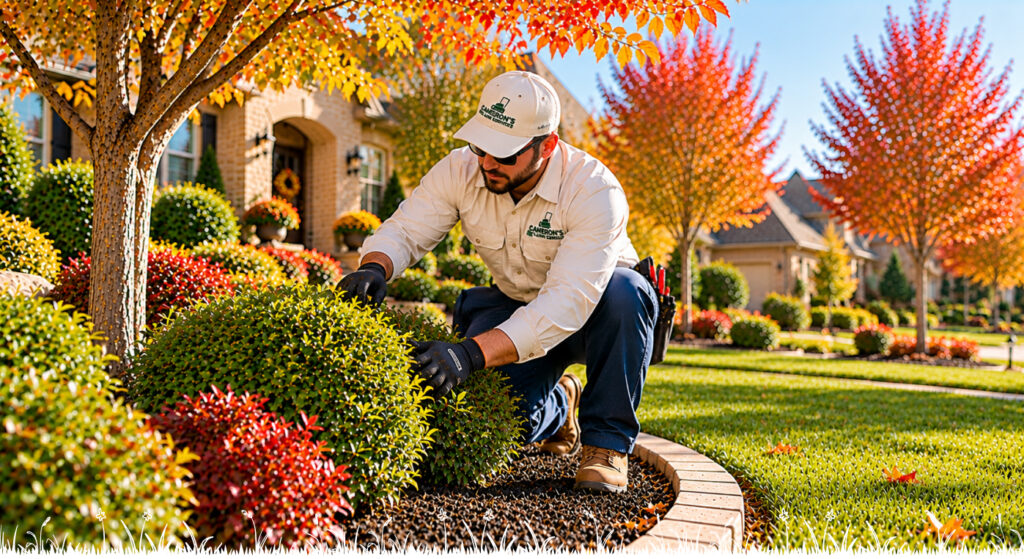
Fall tree and shrub care becomes especially important in North Texas as temperatures begin to cool after the summer heat. October can be a useful time to inspect trees and shrubs, improve planting areas, check soil moisture, remove damaged branches, and prepare established plants for the months ahead. North Texas homeowners should not treat fall maintenance as simply cutting everything back. Different trees and shrubs have different needs, and the timing of pruning, watering, planting, and mulching can affect how well plants perform during the following growing season. Why Fall Is Important for Trees and Shrubs Summer can place significant stress on landscape plants. High temperatures, intense sunlight, dry conditions, and inconsistent moisture can affect both established and newly planted trees and shrubs. When temperatures become cooler, plants experience less heat stress while the soil can remain warm enough for root development. North Texas gardening guidance identifies fall as an excellent period for planting many trees and shrubs because cooler air reduces transplant stress while soil can retain warmth from summer. This makes fall a useful time to evaluate the landscape and decide what needs attention before winter. Inspect Trees After Summer Begin by walking around the property and looking closely at mature trees. Check for dead branches, damaged limbs, broken twigs, unusual growth, and areas that may have been affected by summer stress. Also look at the base of each tree. The trunk should remain visible and free from excessive mulch piled against it. Small problems can be easier to identify when you inspect the landscape regularly rather than waiting until a branch breaks or a tree shows obvious decline. Don’t Automatically Prune Everything in Fall One of the biggest mistakes homeowners can make is assuming that every tree and shrub should be heavily trimmed in October. Pruning timing depends on the plant. Many spring-flowering shrubs develop their flower buds on older growth. Cutting these plants back at the wrong time can remove buds that would have produced flowers the following spring. Fall can still be appropriate for removing dead, damaged, or hazardous branches, but major reshaping should be approached carefully. When in doubt, identify the plant first and determine when it normally flowers before making significant cuts. Remove Dead or Damaged Growth While major pruning may need to wait, dead or damaged growth deserves attention. Broken branches can become weak points during storms or high winds. Dead material can also make a tree or shrub look neglected. Removing clearly dead or damaged branches can improve the appearance of the landscape and reduce potential problems. For larger trees or branches near structures, professional assessment is a safer approach than attempting difficult work without the proper equipment. Check the Soil Around Your Plants Soil conditions are just as important as what you see above ground. Fall planting and maintenance should begin with an understanding of the soil. Check several areas around trees and shrubs rather than judging moisture only from the surface. North Texas soils can vary considerably, and clay-heavy areas may hold moisture differently from sandy or amended planting areas. Local North Texas guidance recommends checking soil moisture below the surface and adjusting watering according to actual conditions rather than relying only on a calendar. Water New Trees and Shrubs Carefully Newly planted trees and shrubs need particular attention during establishment. Cooler temperatures can reduce water loss, but that does not mean new plants can be ignored. Check the root ball and surrounding soil regularly. If the soil becomes dry, provide a thorough watering appropriate for the plant and current weather. New evergreen plants may require additional attention because they continue losing moisture through their foliage even during cooler weather. Mulch Can Help Protect Root Zones A properly applied layer of mulch can help conserve soil moisture and moderate soil temperatures. However, mulch should not be piled directly against tree trunks or shrub stems. North Texas gardening guidance recommends maintaining a roughly 2- to 3-inch mulch layer over the root zone while keeping mulch away from the trunk and root flare. A neat mulch layer can also give landscape beds a cleaner appearance while helping protect the soil. Consider Planting Trees and Shrubs in Fall If you have been planning to add trees or shrubs to your property, fall can be a favorable planting period for many suitable species. Cooler air reduces transplant stress, while warm soil can give roots time to establish before the following summer. North Texas sources specifically identify fall as an advantageous planting period for many trees and shrubs. However, plant selection matters. Consider mature size, sunlight, drainage, soil conditions, available space, and the plant’s cold tolerance before purchasing anything. Choose Plants for the Space A common landscaping mistake is choosing a plant based only on how it looks at the nursery. A small container plant can eventually become a large tree or shrub. Before planting, consider how large the plant will become and how it will interact with the house, sidewalks, fences, utilities, existing trees, and nearby plants. Local North Texas guidance also recommends considering mature size, light, drainage, and the plant’s eventual relationship with surrounding structures and vegetation. Good placement can prevent future maintenance problems. Give New Plantings Room to Establish Trees and shrubs need time to establish after planting. Avoid treating a newly planted tree like an established landscape plant. Check moisture around the root ball, monitor weather conditions, and avoid allowing the soil to become excessively dry. At the same time, avoid creating constantly saturated conditions. The goal is consistent establishment, not simply maximum watering. Look at the Entire Landscape Bed Trees and shrubs do not exist separately from the rest of the property. Their surrounding landscape beds also need attention. Remove excessive debris, monitor weeds, check mulch depth, and make sure plants have enough space to grow. Clean transitions between lawn and landscape beds can also make the property look more organized. Professional landscape maintenance can help keep these connected areas maintained throughout the changing seasons. Keep Irrigation Consistent
How to Choose Full-Service Landscape Maintenance for Your North Texas Property
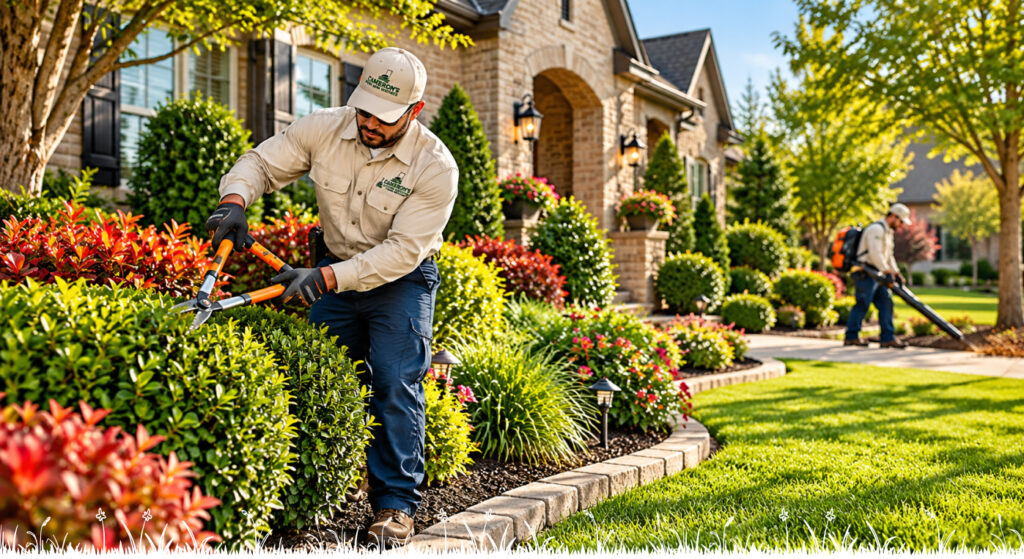
Finding full service landscape maintenance near me can be useful for homeowners and property managers who want more than occasional mowing or cleanup. A property requires attention to several outdoor areas, including grass, landscape beds, shrubs, trees, irrigation, weeds, and seasonal changes. Instead of coordinating different companies for individual tasks, a full-service approach can bring multiple maintenance needs together under one plan. This can make it easier to maintain a consistent appearance and address problems before they become larger projects. What Does Full-Service Landscape Maintenance Include? Full-service maintenance is broader than simply mowing the grass. Depending on the property, ongoing care can include lawn mowing, edging, trimming, landscape-bed cleanup, shrub care, weed management, debris removal, irrigation inspections, and seasonal maintenance. The exact combination should depend on what the property needs. A smaller residential yard may require a different maintenance plan than a larger property with mature trees, extensive planting beds, or multiple outdoor areas. The important part is having a coordinated approach instead of treating every maintenance task as a completely separate project. Start With the Lawn The lawn is usually one of the most visible parts of a property. Regular mowing helps maintain an even appearance, but lawn care involves more than cutting grass. Edging, trimming, blowing debris, monitoring turf conditions, and adjusting care as the seasons change can all contribute to a cleaner result. Grass also interacts directly with surrounding landscape beds. If lawn edges are allowed to spread into planting areas, the beds can quickly lose their definition. Keeping these areas maintained together creates a more polished transition between turf and landscaping. For homeowners who need ongoing lawn maintenance, a consistent schedule can help prevent the property from becoming overgrown between visits. Landscape Beds Need Consistent Attention Landscape beds can require frequent attention because plants continue growing and weeds can appear throughout the year. Common maintenance needs may include removing weeds, clearing leaves and debris, trimming appropriate plants, maintaining bed edges, and monitoring the condition of ground cover. Without regular attention, these small issues can gradually change the appearance of the entire property. A clean landscape bed can also make healthy shrubs and ornamental plants stand out more clearly. Shrubs and Plants Should Be Maintained Properly Shrubs provide structure and visual interest, but overgrown plants can quickly affect the appearance and function of a property. Branches may extend across walkways, cover windows, interfere with other plants, or make landscape beds appear crowded. Regular inspections help identify when plants need attention. However, trimming should not be performed automatically on every plant at the same frequency. Different plants can have different growth patterns and maintenance requirements. The goal should be to maintain healthy, appropriately sized plants while preserving the overall design of the landscape. Weed Control Is Part of Ongoing Care Weeds rarely appear only once. They can return after rainfall, spread through landscape beds, and become more noticeable when surrounding plants or grass are stressed. Consistent monitoring can make weed problems easier to manage. Addressing weeds early also helps prevent them from competing with desirable plants for water, nutrients, sunlight, and growing space. A maintenance plan should therefore consider weed management as an ongoing task rather than something that only happens when a property becomes visibly overgrown. Don’t Forget About Irrigation Watering plays an important role in maintaining both lawns and landscapes. An irrigation system that provides uneven coverage can create dry areas, excessive moisture, runoff, or inconsistent plant growth. Regular inspections can help identify problems such as damaged sprinkler heads, leaks, blocked spray patterns, or areas that are not receiving adequate coverage. Irrigation needs can also change as temperatures and seasonal conditions change. A professional irrigation services provider can therefore be a useful part of a broader property-maintenance plan. Seasonal Maintenance Changes Throughout the Year A good maintenance plan should not remain exactly the same every month. North Texas properties experience different conditions throughout the year. Spring often brings increased plant and grass growth. Summer introduces intense heat and increased moisture demands. Fall can bring leaves, debris, and changes in plant growth, while winter generally requires a different approach as warm-season grasses become less active. Seasonal adjustments can include changing mowing frequency, cleaning landscape beds, removing leaves, inspecting plants, and preparing outdoor areas for upcoming weather. For properties that need ongoing seasonal services, this type of flexible approach can help keep maintenance aligned with current conditions. Look for Consistency, Not Just a One-Time Cleanup A property can look excellent immediately after a large cleanup. The challenge is keeping it that way. Grass continues growing, shrubs become larger, weeds return, leaves accumulate, and weather affects outdoor areas. Without continued attention, the same maintenance problems can gradually return. This is why homeowners comparing the best landscaping maintenance services should look beyond a single visit. Consider whether the service can provide consistent care and respond to changing property needs throughout the year. Consider the Size and Layout of Your Property Every property has different maintenance requirements. A small residential property with a simple lawn and a few planting beds may require a straightforward schedule. A larger property may have mature trees, extensive landscape beds, multiple lawn areas, irrigation zones, walkways, and other features that require more coordination. The maintenance plan should reflect the actual layout of the property. A company that understands how the different areas work together can help identify where maintenance is most important. Keep Your Landscape and Lawn Working Together Lawn and landscape maintenance should not be treated as completely separate. The lawn borders the landscape beds. Trees can affect sunlight and soil moisture. Shrubs can influence irrigation coverage. Leaves can move from planting areas onto turf. Because these elements interact, maintaining them together can create a more consistent property appearance. It also makes it easier to identify problems that may affect more than one area. For example, recurring dry grass near a landscape bed may point toward an irrigation issue rather than a simple lawn-care problem. Watch for Problems Before They Become Larger One advantage
How Landscape Edging Can Keep Your Lawn and Garden Beds Cleaner

A well-maintained landscape is about more than healthy plants and green grass. The way lawn areas connect with planting beds, walkways, trees, and other outdoor features can also affect how clean and organized a property looks. Landscape edging creates a defined transition between different areas and can make routine maintenance easier. Without clear boundaries, grass can gradually spread into garden beds, mulch can move into lawn areas, and planting spaces can lose their original shape. For North Texas homeowners, thoughtful edging can help maintain a cleaner appearance while making the overall landscape easier to manage. When planning landscape design services, homeowners should consider edging as part of the complete outdoor layout rather than treating it as a separate decorative detail. For homeowners who want to keep both their lawn and landscape looking organized, lawn maintenance Lewisville TX services can provide consistent care while helping the entire outdoor space maintain a clean, well-kept appearance. Why Landscape Edging Matters Lawn areas and planting beds have different maintenance requirements. Creating a clear boundary between them helps keep each area more organized and easier to care for. Grass naturally spreads toward nearby planting areas, particularly when beds are directly connected to turf. Over time, this can make garden beds appear smaller and less defined. A consistent edge creates visual separation while helping maintain the original shape of the landscape. It can also make mowing, trimming, mulching, and general cleanup more straightforward. Edging Helps Keep Grass Out of Garden Beds One of the most practical reasons to create landscape edges is to control where turf grows. Grass can gradually move into planting beds and compete with shrubs, flowers, and other plants. Removing that unwanted growth repeatedly can become an unnecessary maintenance task. A properly defined edge helps establish a clear boundary between turf and planted areas. This can be particularly useful around larger landscape beds where grass borders a significant portion of the planting area. Regular lawn maintenance services can also help keep these boundaries clean and clearly defined throughout the year. Regular lawn care also becomes easier when these boundaries remain clearly defined. Defined Edges Help Keep Mulch in Place Mulch provides both functional and visual benefits around plants. It can help protect exposed soil while giving planting beds a finished appearance. However, mulch can gradually move into surrounding lawn areas, particularly after heavy rain, maintenance activity, or regular foot traffic. A clearly defined edge helps separate mulch from turf and makes the planting bed look more organized. It also makes it easier to refresh mulch later without having to redefine the entire shape of the bed. Clean Edges Improve the Shape of Landscape Beds Landscape beds do not always need to be straight. Curved edges can create a softer appearance and work well with the natural shape of a property. However, curves need to be consistent. Uneven edges or sudden changes in direction can make a landscape look unfinished even when the plants themselves are healthy. Smooth transitions can help the planting area look intentional and complement the architecture of the home, driveway, walkways, and surrounding lawn. Edging Can Make Lawn Maintenance Easier Defined landscape boundaries can make regular lawn care more manageable. When the edge between turf and planting beds is clear, mowing equipment can follow the lawn more consistently. This reduces the amount of grass that needs to be manually trimmed around planting areas. It can also make cleanup easier because grass clippings and other lawn debris are less likely to become mixed with mulch or soil. The goal is not simply to reduce maintenance time. A well-planned boundary creates a property layout where different maintenance tasks can be performed more efficiently. Consider the Entire Property before Creating an Edge Landscape edging should be planned as part of the property’s overall design. The shape of a planting bed should work with existing trees, walkways, driveways, lawn areas, and the architecture of the home. Creating an edge without considering these elements can make the landscape feel disconnected. Homeowners should also think about how much lawn they actually need for recreation, access, pets, or other everyday activities. A thoughtful design balances usable lawn space with planting areas rather than adding landscape beds simply because there is available space. Choose an Edging Style That Fits the Property There is no single edging style that works for every landscape. Some properties look better with a simple natural soil boundary, while others may benefit from a more structured material edge. The choice should complement the overall design instead of becoming the most noticeable feature in the yard. Traditional properties may benefit from subtle, natural-looking transitions, while more formal landscapes may work well with stronger geometric lines. The best edging usually looks like a natural part of the landscape rather than something added afterward. Plan Around Future Plant Growth Plants should not be selected based only on how they look immediately after installation. Shrubs can become wider, ornamental grasses can spread, and flowering plants can fill additional space as they mature. If plants are installed too close to the edge, they may eventually grow over the boundary and make the bed appear crowded. Homeowners should allow enough room for mature plant growth when planning both the planting area and its edge. When selecting plants for areas around trees, homeowners should also consider how limited sunlight can affect turf and surrounding vegetation. Our first new guide, Why Does Grass Turn Thin Under Trees in North Texas?, explains how shade, tree roots, soil conditions, and foot traffic can affect grass growing beneath mature trees. Keep Irrigation in Mind Landscape edging should not interfere with the natural movement of water across the property. Changing the shape or elevation of a planting bed can sometimes influence where water collects or flows. This matters particularly around driveways, walkways, foundations, and areas that already experience runoff. When new planting beds or landscape borders are created, irrigation services should also be considered to make sure plants and surrounding turf receive appropriate moisture. Consider
How to Choose Landscape Plants for Different Sunlight Conditions

Choosing plants for a landscape is not simply about finding flowers, shrubs, or greenery that look attractive. One of the most important factors is how much sunlight each part of the property receives throughout the day. A plant that performs well in full sun may struggle in a shaded corner, while shade-tolerant plants may become stressed when placed in intense afternoon sunlight. For North Texas homeowners, sunlight should be considered alongside soil, water availability, seasonal changes, and the overall layout of the property. Working with a landscape maintenance services company can also help homeowners maintain plants according to the conditions of each landscape area rather than treating the entire yard the same way. Start by Understanding the Amount of Sunlight Before selecting plants, observe how much direct sunlight different areas of the property receive. A section that receives several hours of direct afternoon sunlight has very different conditions from an area shaded by a mature tree or the side of a house. Common sunlight conditions include: The exact amount of sunlight can also change throughout the year as the position of the sun changes and trees develop or lose foliage. Taking time to observe these differences can make plant selection more practical and help avoid placing plants in locations that do not suit their growing requirements. Full-Sun Areas Need Plants That Can Handle Heat Open areas with prolonged direct sunlight can become especially demanding during North Texas summers. Plants placed in these locations may experience intense heat, strong sunlight, and faster moisture loss. Choosing plants that are suited to sunny conditions can help them handle the environment more effectively. However, sunlight tolerance does not mean a plant can be ignored after installation. Newly planted vegetation still requires appropriate watering and monitoring while roots become established. Landscape beds should also be monitored for soil moisture because sunny locations can dry more quickly than shaded areas. Shaded Areas Require a Different Approach Shade can be created by mature trees, fences, buildings, covered patios, or neighboring structures. Plants that require significant direct sunlight may struggle when installed in areas that receive very little light. Instead, homeowners should consider vegetation that naturally performs better under lower-light conditions. Shade also affects moisture. A shaded planting bed may dry more slowly than an exposed area, particularly when soil remains protected from direct sunlight. Understanding both sunlight and moisture conditions can therefore help homeowners create more consistent planting areas. Afternoon Sun Can Be More Challenging Not all sunlight has the same effect on a landscape. A planting bed that receives gentle morning sunlight may experience very different conditions from one exposed to strong afternoon heat. This distinction can be important when deciding where specific plants should be placed. Homeowners should pay attention to when sunlight reaches each part of the yard rather than simply estimating the total number of hours. This can be especially useful around buildings where shadows move across the property during the day. Mature Trees Can Change Planting Conditions Trees provide valuable shade, but the area beneath them can be challenging for some plants. Tree canopies can reduce the amount of sunlight reaching the ground, while tree roots may compete with nearby plants for available moisture and growing space. Instead of automatically filling the entire area beneath a tree, homeowners should consider the amount of light reaching the ground and the existing conditions around the root zone. Maintaining these areas carefully can help protect both the tree and the surrounding landscape. Soil and Sunlight Should Be Considered Together Sunlight is important, but it is only one part of successful landscape planning. Two planting areas may receive similar amounts of sunlight while having very different soil conditions. One may drain quickly while another holds moisture for longer periods. North Texas properties can also have dense soil conditions that affect drainage and root development. Before selecting plants, consider: Considering these factors together can create a more practical landscape design. Water Requirements Can Differ Between Planting Areas Plants located in full sun may lose moisture faster than plants growing in shade. This means watering requirements can vary across the same property. An irrigation system designed without considering the landscape layout may provide too much water to one area and insufficient moisture to another. When landscape beds are redesigned or new plants are introduced, irrigation services can help homeowners evaluate whether watering coverage matches the updated planting areas. Think About Plant Size Before Installation A small plant at the garden center may eventually become a much larger shrub or tree. Before planting, homeowners should consider the mature size of the vegetation and how it may affect nearby areas. A growing tree may eventually shade a planting bed that currently receives full sun. Similarly, a large shrub can block sunlight from smaller plants positioned behind it. Planning for future growth can reduce the need to relocate plants later and help the landscape remain visually balanced as it matures. Consider How the Landscape Will Look in Different Seasons North Texas landscapes change throughout the year. Some plants may provide flowers during certain periods, while others contribute foliage, texture, or structure when flowering plants are not in bloom. Choosing plants with different seasonal characteristics can help create a landscape that remains visually interesting over a longer period. Seasonal changes should also influence maintenance. Pruning, leaf cleanup, plant care, and bed maintenance may become more important at different times of the year. For homeowners looking for seasonal services, coordinating landscape maintenance with seasonal changes can help keep planting areas organized throughout the year? Keep Planting Areas Manageable A landscape does not have to contain a large number of different plant varieties to look attractive. Using a manageable selection of plants that fit the property’s sunlight, soil, and moisture conditions can make ongoing maintenance easier. When homeowners are comparing the best landscape maintenance services, they should also consider whether the service approach accounts for the actual needs of their planting areas rather than simply performing the same tasks throughout the property. A
Why Drainage Should Be Planned Before You Redesign Your Landscape

A landscape redesign can completely change how a property looks, but appearance should not be the only consideration. Before installing new plants, mulch, edging, sod, or other landscape features, homeowners should understand how water moves across the property. This is especially important in North Texas, where heavy rainfall and dense soil can create drainage challenges. Poor drainage planning may lead to standing water, washed-out mulch, soil erosion, struggling plants, and wet areas in the lawn. Professional landscape services should therefore consider both the appearance of an outdoor space and how the property handles water. Understand Where Water Currently Flows Before changing a landscape, it is important to understand the property’s existing drainage pattern. Water naturally follows low areas and slopes, so even relatively small changes to grading can influence where rainfall travels. Homeowners can often learn a lot by inspecting their property during or shortly after heavy rain. Areas where water collects, soil washes away, or mulch moves repeatedly may indicate drainage concerns. When planning professional landscape services, these existing conditions should be considered before new beds, plants, borders, or other features are installed. North Texas Soil Can Affect Drainage Soil conditions play an important role in how quickly water moves through a property. Dense soil may absorb water more slowly than expected, particularly during periods of heavy rainfall. When rainfall arrives faster than the soil can absorb it, water can begin moving across the surface or collecting in lower areas. This can become an important consideration when creating new landscape beds. Simply adding plants or mulch to a consistently wet area may not solve the underlying issue. A landscape redesign should therefore take existing soil and drainage conditions into account instead of focusing only on plant selection and visual layout. New Landscape Beds Can Change Water Movement Adding or expanding landscape beds may change the direction water takes across a yard. Raised soil, edging, borders, and other materials can sometimes redirect runoff toward another section of the property. This is why drainage should be considered before construction begins rather than after the landscape is completed. Thoughtful maintenance landscape services can also help homeowners monitor landscape beds over time for signs of erosion, mulch displacement, weed growth, or other changes that may indicate water is not moving through the area as intended. Poor Drainage Can Wash Mulch Out of Beds If mulch repeatedly disappears from the same part of a landscape bed, water movement may be contributing to the problem. Heavy rain or irrigation runoff can carry lightweight landscape material downhill, especially where beds are located on slopes or near areas that receive concentrated water. Replacing the mulch may improve appearance temporarily, but the same problem can return if the underlying water flow remains unchanged. Drainage planning can help determine whether grading, edging, water direction, or another landscape element needs attention before the bed is refreshed again. Irrigation Should Work With the Landscape Design Rainfall is not the only source of water that needs to be considered. Sprinkler systems can also influence moisture levels around landscape beds, lawns, and other outdoor features. When a landscape is redesigned, sprinkler coverage may need to be evaluated. New plants, expanded beds, changed borders, or other features can alter where water is needed. Existing sprinkler heads may also spray directly onto hardscape, oversaturate a new bed, or provide insufficient coverage to newly landscaped areas. Coordinating landscaping with irrigation services can help ensure that the watering system better matches the updated outdoor layout. Standing Water Can Affect Lawn and Plant Areas A small low spot may not seem important during dry weather, but it can become much more noticeable after heavy rainfall. Repeated standing water can leave sections of a lawn wet while surrounding turf dries normally. Landscape plants may also experience very different conditions depending on where water collects. Before selecting plants or installing new turf, homeowners should consider whether each area receives appropriate sunlight and moisture. If a section of the yard regularly stays wet, choosing plants based only on appearance without considering drainage conditions may lead to unnecessary maintenance later. Fall Is a Useful Time to Observe Drainage Problems Seasonal changes can reveal landscape issues that were less obvious during summer. Falling leaves may collect in drainage paths, rainfall patterns change, and cooler conditions can affect how quickly wet areas dry. This is also a good time to inspect landscape beds, lawn edges, low areas, and places where water moves toward walkways or other parts of the property. Seasonal maintenance and drainage planning can work together. In our latest guide, Why Winter Weeds Start in Fall: A North Texas Lawn Guide, we explain how changing fall conditions can also influence weeds, turf, moisture, and overall seasonal lawn care. Plan Drainage Before Installing New Sod If a landscape redesign also includes new turf, drainage becomes even more important. Sod needs good soil contact and consistent moisture during establishment, but consistently waterlogged areas can create different problems. Correcting obvious low areas after sod has already been installed may require disturbing newly established turf. That is why grading and water movement should be considered earlier in the project. When new turf is part of a larger landscape improvement, professional sod installation services can be coordinated with grading, irrigation, and landscape preparation. Why Drainage Planning Should Come Before Appearance Homeowners often begin a landscape project by thinking about plants, colors, mulch, borders, and the overall style they want. Those decisions are important, but the property also needs to function properly. A beautiful landscape may become difficult to maintain if rainfall repeatedly washes mulch away, creates standing water, erodes soil, or leaves some sections much wetter than others. Planning water movement first provides a stronger foundation for decisions about beds, turf, plants, irrigation, and other landscape features. For homeowners researching lawn maintenance Lewisville TX, it is also worth remembering that lawn appearance is connected to the larger property. Drainage, landscaping, irrigation, and ongoing maintenance can all influence how turf performs. Frequently Asked Questions Should drainage be
Why Does Mulch Keep Washing Out of Your Landscape Beds?
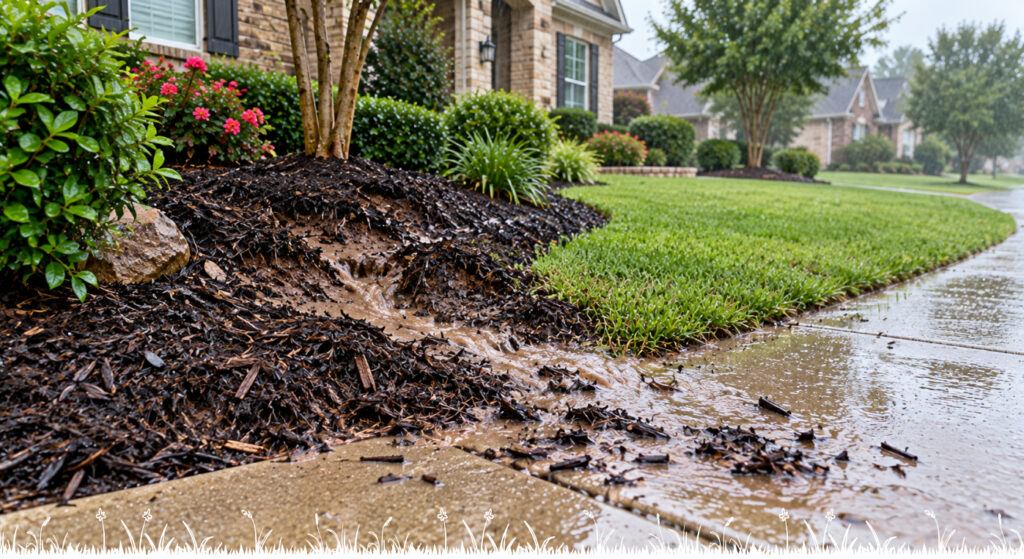
Mulch can give landscape beds a clean, finished appearance while helping cover exposed soil around shrubs, plants, and other landscape features. But after heavy rain or irrigation, homeowners may notice mulch collecting on sidewalks, spreading into the lawn, or disappearing from certain sections of the bed. Repeated mulch washout is often a sign that water is moving through the landscape bed too quickly. Drainage, slopes, irrigation runoff, edging, and bed design can all contribute. Professional landscape maintenance services can help identify these conditions while keeping landscape beds clean and properly maintained. Here are seven common reasons mulch may keep washing out of your landscape beds. Heavy Rain Can Move Mulch Quickly North Texas properties can experience periods of heavy rainfall that send a large amount of water across landscape beds in a short time. When water moves faster than the soil can absorb it, runoff may carry loose mulch toward the lowest part of the property. After heavy rain, inspect the beds and look for: The location of displaced mulch can often help show which direction the water is traveling. Sloped Landscape Beds Encourage Runoff Landscape beds located on slopes are naturally more vulnerable to mulch movement. Water follows gravity, so mulch on an inclined bed can gradually move downhill during rain or irrigation. The steeper the slope, the more noticeable the problem may become. Professional maintenance landscaping services can help keep sloped beds, edges, mulch, shrubs, and surrounding landscape areas maintained while recurring runoff problems are identified. Simply replacing the missing mulch without addressing why it keeps moving may result in the same problem after the next heavy rain. Irrigation May Be Spraying Too Much Water Into the Bed Your sprinkler system may also contribute to mulch washout. A sprinkler head aimed directly into a landscape bed can move lightweight mulch, especially when the spray is strong or the watering cycle creates runoff. Run each irrigation zone and watch how water interacts with the landscape beds. Look for: Professional irrigation services can help identify sprinkler coverage or watering issues that may be contributing to repeated mulch movement. Landscape Edging May Not Be Holding the Mulch Defined edges help separate landscape beds from lawns, sidewalks, and other surrounding areas. When an edge becomes shallow, damaged, or poorly defined, mulch can spread beyond the bed more easily during rainfall or irrigation. Check whether mulch consistently escapes from the same section. If it does, the condition of the edge may be contributing to the problem. Clean, maintained edges also improve the overall appearance of the property and make it easier to identify when mulch begins moving outside its intended area. Drainage Problems May Be Directing Water Through the Bed Sometimes the mulch is not the main problem at all. Water may be entering the landscape bed from another part of the property. Roof runoff, lawn grading, nearby hard surfaces, or low areas can direct larger amounts of water through a bed than it can reasonably handle. After rainfall, observe where the water comes from rather than only looking at where the mulch ends up. Signs of a possible drainage issue include: Understanding the water path can make it easier to determine why the same bed keeps losing mulch. Too Much or Too Little Mulch Can Create Problems Mulch depth also affects how a landscape bed performs. A very thin layer may expose soil quickly when material shifts. On the other hand, simply adding large amounts of mulch every time washout occurs does not correct drainage, irrigation, or slope problems. The condition of the existing bed should be evaluated before additional material is added. Our recent guide, Why Are Your Sprinkler Heads Not Popping up Properly?, explains how pressure, damaged components, valves, leaks, and surrounding landscape growth can affect irrigation performance. If mulch movement appears after sprinkler operation rather than rainfall, inspecting the irrigation system can be especially useful. Landscape Beds Need Regular Seasonal Attention Landscape beds change throughout the year. Mulch breaks down, plants grow, edges lose definition, leaves and debris accumulate, and seasonal weather can alter how water moves through the property. Regular seasonal services can help address cleanup, bed maintenance, debris, and changing property conditions before smaller issues become more noticeable. Watch What Happens During Rain and Irrigation One of the easiest ways to understand recurring mulch washout is to observe the property while water is actually moving through it. During safe conditions, look at the direction of runoff and note where water enters and leaves each bed. Then run the irrigation system separately and compare what happens. This can help distinguish between rainfall-related drainage problems and sprinkler-related issues. Repeatedly replacing mulch without understanding the cause may improve the appearance temporarily, but the problem can return when the same water conditions occur again. Keep Your Lawn and Landscape Maintained Together Landscape beds do not function separately from the rest of the property. Lawn grading, irrigation, plant growth, drainage, and seasonal conditions can all influence how well beds retain mulch. Keeping the surrounding lawn and landscape maintained makes it easier to notice changes before they become larger problems. Homeowners searching for lawn maintenance Lewisville TX can turn to Cameron’s Pro Lawn Services for professional landscaping, lawn maintenance, irrigation, sod installation, and seasonal services throughout Lewisville and surrounding North Texas communities. Frequently Asked Questions Why does my mulch wash away every time it rains? Heavy runoff, sloped beds, drainage conditions, or weak landscape edging can allow mulch to move during rainfall. Can sprinklers wash mulch out of landscape beds? Yes. Sprinklers aimed directly into beds or excessive irrigation runoff can move mulch away from its intended location. Should I just add more mulch after it washes away? Replacing missing mulch may improve appearance, but recurring washout should also be investigated to determine whether drainage, irrigation, slopes, or edging are contributing. Can landscape edging help keep mulch in place? Defined and properly maintained edges can help contain mulch, although edging alone may not solve significant runoff or drainage problems. Why does mulch
Why Do Landscape Beds Keep Getting Overgrown? 7 Common Causes
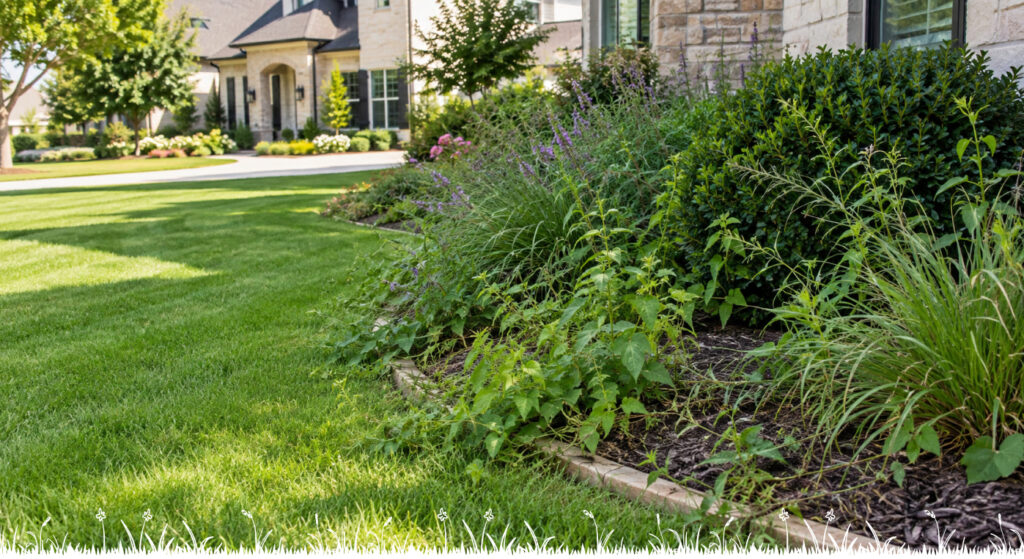
Clean, well-maintained landscape beds can make a major difference in how an entire property looks. But even when beds start out neat and organized, weeds, spreading plants, grass, and seasonal growth can quickly make them appear overgrown. For both residential and commercial properties, keeping landscape beds under control requires more than occasional trimming. Professional commercial landscaping services can help identify what is causing repeated overgrowth and maintain landscape areas before they become difficult to manage. Here are seven common reasons landscape beds keep getting overgrown and what property owners should watch for. Weeds Are Not Being Controlled Early Enough Weeds are one of the most common reasons landscape beds quickly begin looking neglected. Small weeds may not seem like a major problem at first, but they can spread rapidly when left unattended. Once they become established throughout a bed, removing them can require considerably more work. Regularly inspect beds for: Removing unwanted growth early can help maintain a cleaner appearance and prevent weeds from dominating the landscape bed. Landscape Edges Are Losing Their Definition Clear edging creates separation between the lawn and landscape beds. When edges are not maintained, grass can gradually spread into beds while mulch and soil move outward onto the lawn. This makes even otherwise healthy landscaping appear untidy. Professional maintenance landscaping services can help maintain defined bed edges while also addressing weeds, plant growth, and other areas that affect the overall appearance of the landscape. Clean edges can make a noticeable visual difference even before other landscape improvements are completed. Plants Have Outgrown Their Available Space Shrubs and plants change significantly as they mature. A landscape design that looked properly spaced when first installed can eventually become crowded as plants grow wider and taller. Branches may overlap, plants can block one another, and walkways or lawn areas may become obstructed. Watch for: Routine trimming and seasonal attention can help keep plant growth more manageable. Mulch Is No Longer Providing Good Coverage Mulch contributes to the finished appearance of landscape beds while also covering exposed soil. Over time, mulch can become thin, displaced, or uneven. Heavy rain, irrigation, wind, foot traffic, and normal decomposition can all affect coverage. When large areas of soil become exposed, weeds may become more noticeable and the bed can lose its clean, finished appearance. As part of full-service landscape maintenance, landscape beds should be periodically inspected to determine whether mulch, edging, trimming, cleanup, or other maintenance is needed. Avoid simply adding excessive amounts of new mulch every time the bed looks thin. Existing conditions should be evaluated first so the landscape remains neat and properly maintained. Irrigation May Be Encouraging Unwanted Growth Irrigation is necessary for lawns and many landscape plants, but poor sprinkler coverage can also contribute to unwanted growth. Water spraying directly into areas where it is not needed may encourage weeds or grass to spread into landscape beds. At the same time, blocked sprinkler heads can leave other plants without appropriate coverage. Professional irrigation services can help identify spray pattern problems, damaged sprinkler heads, or other coverage issues affecting the lawn and landscape. Check sprinkler operation periodically, especially after plants have grown significantly or landscape beds have been modified. Seasonal Growth Is Not Being Managed North Texas landscapes can change quickly as temperatures, rainfall, and growing conditions shift. Plants that remain relatively manageable during one part of the year may grow much faster during another. Leaves, small branches, weeds, and other debris can also accumulate in landscape beds during seasonal transitions. Regular seasonal services can help address cleanup and changing property needs before landscape areas become excessively overgrown. Our recent guide, Do You Need Fall Lawn Aeration and Overseeding in North Texas?, also explains several factors homeowners should consider when preparing lawns and outdoor spaces for changing fall conditions. Maintenance Is Too Infrequent One of the simplest reasons landscape beds become overgrown is inconsistent maintenance. Waiting until weeds, shrubs, grass, and debris become highly noticeable makes the property harder to keep consistently clean. A regular maintenance schedule allows smaller issues to be addressed before they become larger visual problems. This does not mean every property needs exactly the same schedule. Maintenance frequency depends on factors such as: Keep the Lawn and Landscape Working Together? Landscape beds are only one part of the overall outdoor space. Even beautifully maintained beds can look less impressive when the surrounding lawn is overgrown or poorly maintained. Likewise, a freshly mowed lawn can lose visual impact when landscape beds are filled with weeds and uncontrolled plant growth. Keeping both areas maintained helps create a cleaner and more consistent appearance across the property. Property owners searching for lawn maintenance Lewisville TX can turn to Cameron’s Pro Lawn Services for professional lawn maintenance, landscaping, irrigation, sod installation, and seasonal services throughout Lewisville and surrounding North Texas communities. Frequently Asked Questions Why do weeds keep growing in my landscape beds? Weeds can return because of exposed soil, thinning mulch, irrigation, seasonal conditions, or inconsistent removal. Regular inspection can help catch new growth earlier. How often should landscape beds be maintained? The appropriate schedule depends on plant growth, season, property conditions, irrigation, and how quickly weeds or debris accumulate. Can grass spread into landscape beds? Yes. When bed edges lose definition, lawn grass can gradually spread into landscape areas and make them appear overgrown. Can irrigation cause landscape beds to become overgrown? Poor sprinkler coverage or unnecessary watering can encourage unwanted plant and weed growth in certain areas. Why do my landscape beds look crowded? Plants and shrubs grow larger over time. Landscaping that was properly spaced when installed may eventually require trimming or other maintenance as plants mature. Keep Your Landscape Beds Clean and Well Maintained Overgrown landscape beds are often caused by several small maintenance issues happening at the same time. Weeds, unclear edges, mature plants, thinning mulch, irrigation coverage, seasonal growth, and inconsistent maintenance can all contribute. Cameron’s Pro Lawn Services provides professional landscaping, lawn maintenance, irrigation, sod installation, and seasonal services throughout Lewisville