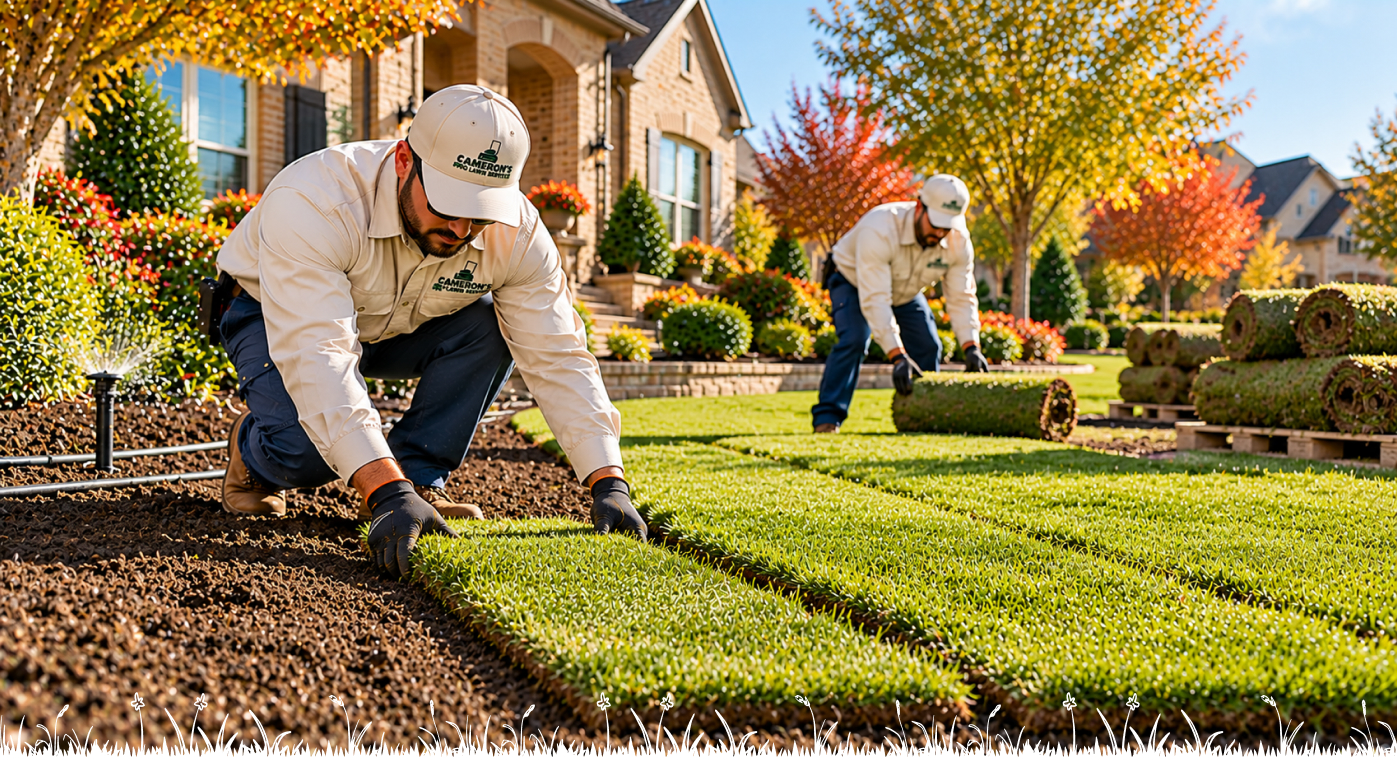
Sod installation can be an effective way to improve a thin, damaged, or unfinished lawn, and fall can offer favorable conditions for establishing new turf in North Texas. September and October are commonly considered strong months for lawn improvement because soil can remain warm while outdoor temperatures become more manageable.
For homeowners dealing with bare areas, declining turf, or a lawn that struggled through summer, fall can provide an opportunity to address those problems before the next hot season arrives.
Why Fall Can Be a Good Time for New Sod
North Texas lawns experience significant stress during summer.
High temperatures, intense sunlight, foot traffic, drought conditions, and irrigation challenges can leave sections of turf thin or damaged.
When fall arrives, cooler air temperatures can make outdoor conditions more manageable while the soil may still retain warmth.
This combination can give newly installed turf an opportunity to establish roots before the extreme heat of the following summer.
Local North Texas lawn guidance also identifies fall as an important period for repairing lawns and preparing turf for the following growing season.
Look at the Existing Lawn before Installing Sod
Not every damaged lawn needs complete replacement.
Before choosing new sod, inspect the existing grass and determine what caused the problem.
Thin turf may result from shade, soil compaction, drainage problems, irrigation issues, disease, or repeated traffic.
If the underlying problem remains, new sod may struggle even after installation.
A proper evaluation can help determine whether a small repair, improved maintenance plan, or complete sod replacement makes the most sense for the property.
Fall Is Also About Soil Preparation
Good sod installation begins before the new grass is placed.
The soil should provide a suitable foundation for root development.
Existing weeds, dead turf, debris, and excessive thatch may need to be removed. Compacted areas may also require attention so that water and roots can move through the soil more effectively.
Proper grading and drainage should also be considered.
Spending time preparing the site can help prevent problems after installation.
Choose Sod Based on Your Property
The best turf is not necessarily the same for every North Texas yard.
Sun exposure, shade, soil conditions, drainage, irrigation, foot traffic, and the amount of maintenance a homeowner wants to perform can all influence the appropriate choice.
Bermuda, St. Augustine, and Zoysia are common warm-season turf options in Texas, but their growing characteristics and site requirements differ.
The goal should be to select turf that fits the property rather than choosing based only on appearance.
Think About Sunlight and Shade
One of the most important factors is how much sunlight reaches the installation area.
A lawn that receives strong direct sunlight may have different turf requirements than a section beneath mature trees.
Before installing sod, observe the area throughout the day.
Pay attention to sections that remain shaded for extended periods.
If the original grass struggled because of insufficient sunlight, simply replacing it with the same type of turf may not solve the problem.
Understanding the site first can help make the installation more successful.
Irrigation Is Important After Installation
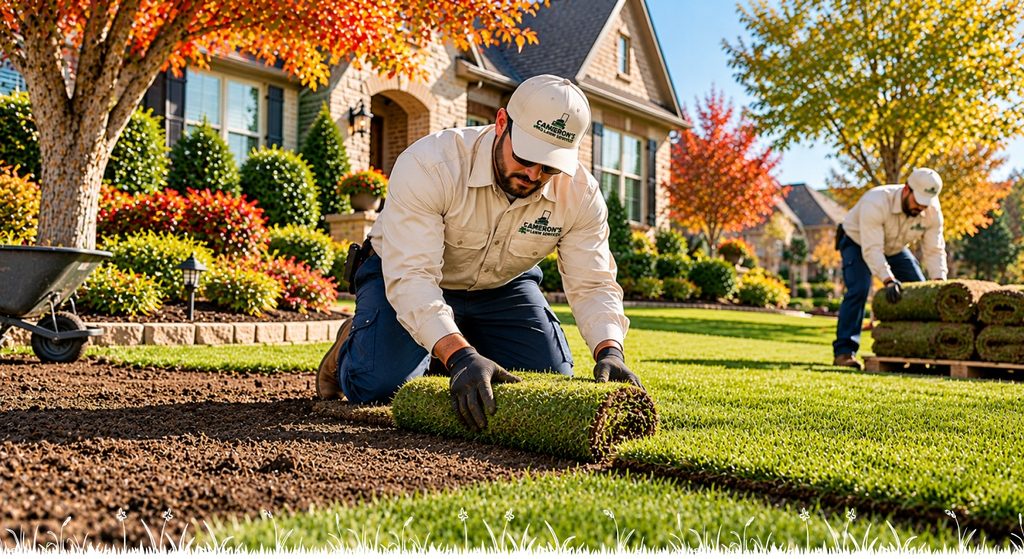
New sod needs appropriate moisture while its roots establish.
Watering should provide enough moisture for the new turf without creating constantly saturated conditions.
An irrigation system that has poor coverage can create dry sections, while excessive watering can contribute to other lawn problems.
Before or immediately after installation, inspect sprinkler coverage and make sure the new turf is receiving appropriate water.
For homeowners who need help maintaining their watering system, professional irrigation services can address damaged heads, uneven coverage, leaks, and other irrigation concerns.
Avoid Treating New Sod like Established Grass
Freshly installed sod should not immediately be treated exactly like an established lawn.
The new turf needs time to develop a stronger connection with the soil underneath.
Avoid unnecessary heavy traffic during the early establishment period.
Mowing should also be approached carefully and according to the turf’s growth and installation condition.
The goal during this stage is to encourage healthy rooting rather than putting unnecessary stress on the new lawn.
Fall Weather Can Help, But Timing Still Matters
Although fall can provide favorable conditions, weather still matters.
North Texas temperatures can change quickly, and extended periods of unusually warm or dry weather can increase moisture demands.
Installation should be planned around current conditions rather than relying only on the calendar.
A professional lawn-care team can evaluate the property and determine whether conditions are suitable for the project.
Sod Can Address More Than Bare Spots
Sod is often associated with repairing small damaged sections, but it can also be used for larger lawn transformations.
A property with extensive turf loss may benefit from replacing larger sections rather than repeatedly patching individual areas.
Large-scale installation can create a more uniform appearance and provide a consistent foundation for future lawn maintenance.
However, the cause of the turf decline should still be evaluated before installation begins.
Combine Sod With Ongoing Lawn Care
Installing new turf is only the beginning.
Once the sod has established, ongoing mowing, edging, weed management, irrigation, and seasonal care become important.
A newly installed lawn can lose its appearance quickly if it is neglected after installation.
Regular lawn maintenance helps keep established turf at an appropriate height and allows potential problems to be identified before they spread.
If you are planning a new lawn, ongoing care is just as important as the initial installation. Our guide, Landscape Maintenance: How to Keep Your Property Looking Its Best Year-Round, explains how regular lawn care, landscape-bed maintenance, irrigation, and seasonal services can help keep an outdoor property looking its best.
Fall Sod Projects Should Include Seasonal Planning
A sod project should be considered as part of the property’s broader seasonal needs.
Fall may involve more than installing turf. Homeowners may also need to address leaves, irrigation adjustments, landscape cleanup, plant care, and other outdoor maintenance.
Coordinating these tasks can make it easier to keep the entire property looking consistent.
For homeowners planning broader seasonal services, the maintenance schedule can be adjusted according to current weather and property conditions.
When Should You Consider Sod Instead of Repairing Existing Grass?
Sod may make sense when large portions of a lawn are damaged, bare, or struggling to recover.
If only a few small areas are affected, targeted repair may be more practical.
The condition of the surrounding turf should also be considered.
A lawn with widespread problems may continue to decline if homeowners repeatedly patch individual areas without addressing the underlying cause.
An evaluation can help determine whether replacement or repair is the more practical approach.
Prepare for the Next North Texas Summer
One reason homeowners consider fall sod installation is the opportunity to establish turf before the following summer.
North Texas summers can place significant stress on lawns.
Giving new turf time to develop before extreme heat returns can help create a stronger starting point.
Fall installation does not eliminate future maintenance needs, but it can provide valuable establishment time before the next major period of heat.
Your Lawn and Landscape Should Work Together
A new lawn should complement the rest of the property.
Landscape beds, shrubs, trees, walkways, irrigation, and turf all contribute to the overall appearance.
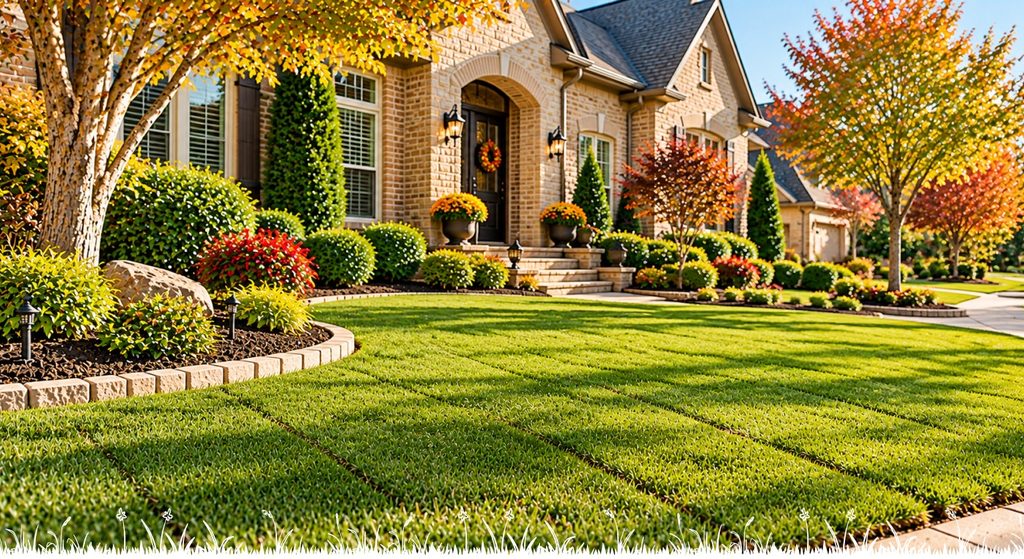
Clean transitions between sod and planting areas can make the property look more organized.
Likewise, maintaining surrounding landscape areas helps prevent debris, weeds, and overgrowth from affecting the new turf.
Consider the Long-Term Maintenance
Before installing sod, homeowners should also consider what maintaining the new lawn will require.
Different turf types can have different watering, mowing, sunlight, and seasonal needs.
Choosing a lawn based only on how it looks immediately after installation can create maintenance challenges later.
A better approach is to consider how the turf will perform under the property’s actual conditions.
Your Latest Cameron’s Pro Lawn Services Guide
Our latest blog, 2026 Holiday Lighting Trends for North Texas Homes, explores popular holiday lighting ideas including warm white displays, multicolor lighting, rooflines, tree lighting, entryways, and coordinated landscape features.
The same principle applies after installing sod: the new lawn should become part of a broader property-maintenance plan rather than being treated as a one-time project.
Keep Your Lawn Looking Good After Installation
Once the sod has established, consistent care becomes essential.
Regular mowing helps maintain the appearance of the turf, while proper irrigation supports healthy growth.
Seasonal changes should also influence how the lawn is maintained.
For homeowners looking for lawn maintenance Lewisville TX, having a consistent maintenance schedule can help protect the investment made in a new lawn.
When Fall Sod Installation Makes the Most Sense
Fall can be an attractive installation window for North Texas homeowners dealing with damaged or declining turf.
However, the property should be evaluated before work begins.
Consider the existing grass, soil, sunlight, drainage, irrigation, turf selection, and upcoming weather.
A well-prepared installation can give new sod a better opportunity to establish before the next demanding summer season.
Choose a Complete Approach to Your New Lawn
A successful sod project involves more than placing green grass over bare soil.
It starts with understanding why the previous lawn struggled, preparing the soil correctly, selecting appropriate turf, providing suitable moisture, and maintaining the lawn after installation.
Taking this complete approach can help homeowners get more value from their investment and create a lawn that fits the property.
Frequently Asked Questions
Is fall a good time for sod installation in North Texas?
Fall can be a favorable period for sod installation because soil may remain warm while air temperatures become cooler. September and October are commonly identified as strong periods for lawn improvement in North Texas.
Can I install sod in October?
October can be a useful time for sod projects in North Texas, but actual weather and soil conditions should be considered before installation.
Does new sod need irrigation?
Yes. Newly installed sod needs appropriate moisture while its roots establish. Irrigation coverage should be checked to ensure water reaches the new turf evenly.
Should I prepare the soil before installing sod?
Yes. Removing debris and unwanted vegetation, addressing compaction, and checking grading and drainage can help provide a better foundation for new turf.
Can sod fix a lawn with recurring problems?
Sod can replace damaged turf, but recurring problems such as poor drainage, excessive shade, or irrigation issues should be addressed first.
How long does new sod take to establish?
Establishment depends on turf type, weather, soil preparation, watering, and site conditions. Proper care during the early period is important for root development.
Can I walk on newly installed sod?
Heavy traffic should generally be minimized while new sod is establishing. Follow the installation team’s guidance regarding when normal use can resume.
Is sod better than repairing bare spots?
It depends on the size and condition of the lawn. Small damaged areas may be repairable, while widespread turf loss may make replacement more practical.
Give Your Lawn a Fresh Start This Fall
Fall can provide North Texas homeowners with an opportunity to address lawns that struggled through summer.
Whether the property needs a few repairs or a larger turf replacement, proper preparation and ongoing care are important parts of the process.
Sod installation can provide an immediate visual improvement, but long-term results depend on choosing appropriate turf, preparing the site, maintaining irrigation, and continuing proper lawn care.
Cameron’s Pro Lawn Services provides sod installation, lawn maintenance, landscaping, irrigation, seasonal services, and holiday lighting for homeowners and property managers throughout Lewisville and surrounding North Texas communities.
Ready to improve your lawn this fall? Contact Cameron’s Pro Lawn Services for a free quote.

Cameron's Lawn Care Service
Explore helpful lawn care, landscaping, irrigation, sod installation, seasonal maintenance, and outdoor property care tips from our team.
See All Blog