Fall yard cleanup becomes especially important as North Texas properties move from the heat of summer into cooler weather. Falling leaves, branches, declining seasonal growth, weeds, and accumulated debris can quickly change the appearance of a lawn and landscape. Taking care of these issues during fall can help keep the property cleaner and better prepared for winter.
For homeowners in Lewisville and surrounding North Texas communities, fall is also a useful time to look at areas that may have been stressed by summer heat and decide what outdoor maintenance should be completed before the next season.
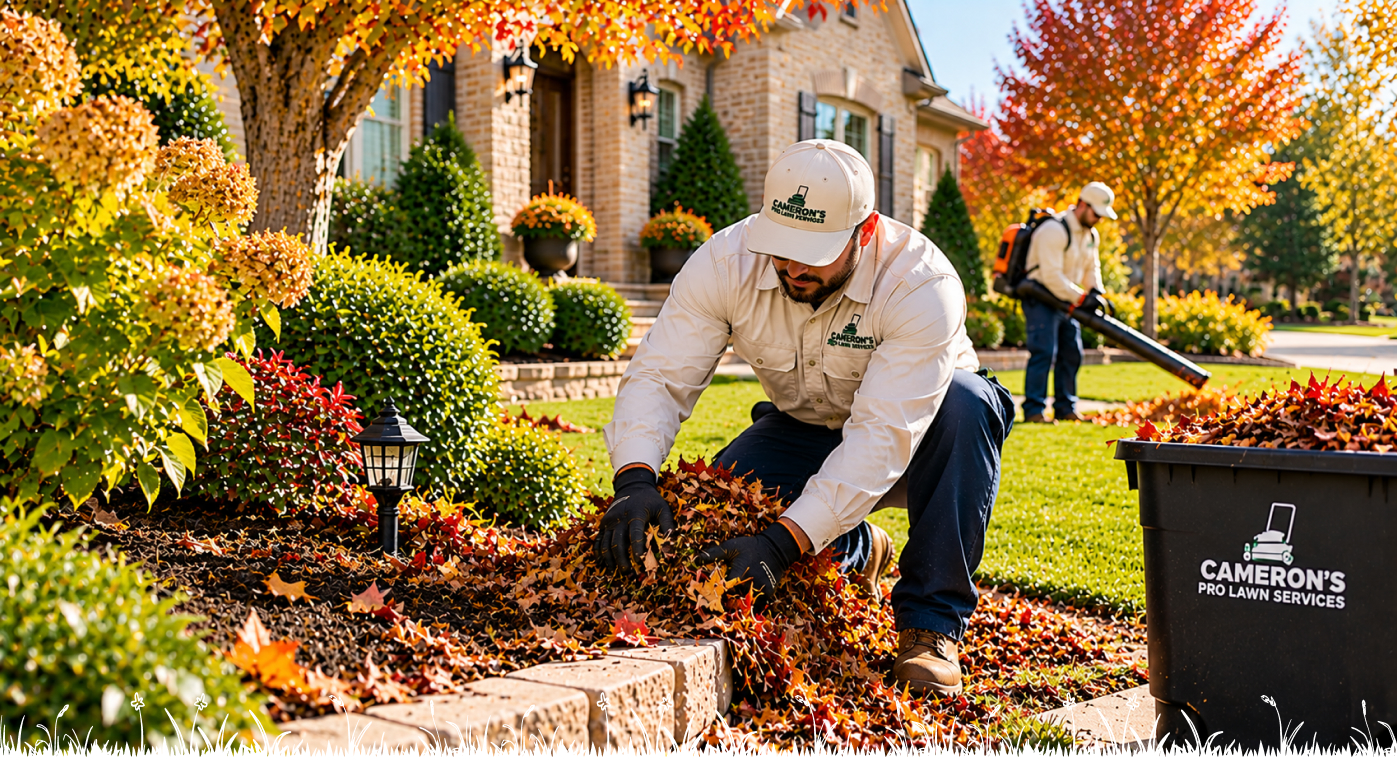
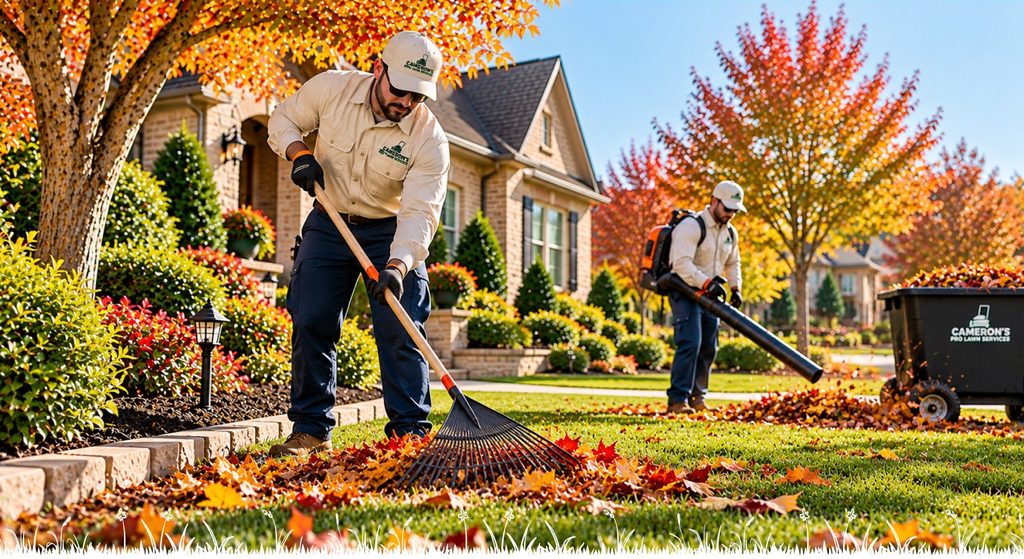
Start by Removing Leaves and Debris
Leaves are one of the most noticeable signs of fall.
As trees lose their leaves, they can quickly cover lawns, walkways, driveways, and landscape beds. Leaving thick layers of leaves on the lawn for extended periods can block sunlight and airflow from reaching the grass underneath.
Regular removal helps keep the property looking cleaner while making it easier to inspect the condition of the lawn and surrounding landscape.
Leaves should also be removed from areas around shrubs, outdoor structures, drainage points, and other locations where debris can accumulate.
Pay Attention to Landscape Beds
Landscape beds can collect much more than leaves.
Small branches, dead plant material, weeds, and other debris can build up around shrubs and ornamental plants throughout the season.
Cleaning these areas can make the landscape look more organized while also making it easier to see which plants may need attention.
Fall cleanup is a good opportunity to remove unwanted debris and restore clear edges between lawn areas and planting beds.
Check Your Lawn After Summer
North Texas summers can be demanding on lawns.
Heat, drought conditions, heavy foot traffic, irrigation problems, and other stresses can leave sections of turf thin or damaged.
Fall cleanup gives homeowners an opportunity to inspect the lawn more closely.
Look for bare areas, thinning grass, weeds, compacted soil, and sections that appear different from the surrounding turf.
Identifying these areas now can help homeowners determine what lawn work may be needed before the next growing season.
Keep Lawn Edges Defined
Clean edges can make a noticeable difference in the appearance of a property.
Grass can gradually grow into landscape beds and along walkways, making these areas look less defined.
During fall cleanup, edging can help restore a clear transition between turf and surrounding landscape areas.
This small detail can make the entire property look more organized without requiring major landscaping changes.
Don’t Ignore Weeds During Fall
Cooler temperatures do not mean weeds disappear immediately.
Some weeds can continue developing during fall, particularly when moisture and suitable growing conditions are available.
Removing visible weeds and monitoring problem areas can help keep landscape beds and lawn areas under control.
A consistent approach is generally easier than allowing weeds to become established and dealing with a much larger problem later.
Inspect Shrubs and Plants
Fall is also a good time to look closely at shrubs and other landscape plants.
Check for dead branches, excessive growth, damaged areas, and plants that may have struggled during summer.
Not every plant should automatically be heavily trimmed during fall, so homeowners should consider the specific needs of each plant before pruning.
Removing clearly damaged material and keeping plants appropriately maintained can help improve the overall appearance of the landscape.
Clean Around Trees
Mature trees can contribute significantly to a property’s appearance, but they can also produce large amounts of leaves and small branches.
Keep the areas around trees clear enough to inspect the lawn and landscape beneath them.
Branches that are damaged or creating problems should also be evaluated.
If a tree or large branch presents a safety concern, it is better to have the situation professionally assessed rather than attempting difficult work without the appropriate equipment.
Check Your Irrigation System
Fall cleanup should not focus only on visible landscaping.
Irrigation can also require attention as temperatures and watering needs change.
Check sprinkler heads for damage, observe whether water is reaching the intended areas, and look for leaks or overspray.
A sprinkler that worked correctly during summer may have become clogged, misaligned, or damaged over time.
For homeowners who need professional irrigation services, regular system inspections can help identify coverage and equipment problems?
Keep Walkways and Driveways Clear
Leaves and debris can make hard surfaces look neglected.
They can also become slippery when wet, particularly after rain.
During fall cleanup, remove leaves and debris from sidewalks, driveways, patios, and other frequently used areas.
Blowing or sweeping these areas regularly can help maintain a cleaner appearance throughout the season.
Look at Drainage Areas
Fall is a useful time to inspect drainage points around the property.
Leaves and debris can collect around drains, gutters, low areas, and other locations where water needs to move away from the property.
Blocked drainage areas can contribute to standing water after rain.
Keeping these areas clear can help water move more effectively and makes it easier to identify drainage problems before they become more noticeable.
Continue Lawn Maintenance
Fall cleanup should complement regular lawn care rather than replace it.
Grass may continue growing even as temperatures become cooler, depending on the current weather and turf condition.
Regular lawn maintenance can help keep the property neat while homeowners address seasonal cleanup tasks.
Mowing, edging, trimming, and debris removal can all contribute to a cleaner appearance as the season changes.

Prepare Landscape Beds for the Coming Season
Once leaves and debris have been removed, homeowners can evaluate the condition of their landscape beds.
Look for areas that need additional mulch, plants that are becoming overcrowded, weeds that need attention, and sections where soil is exposed.
Fall is also a useful time to identify areas that may need improvements before spring.
Addressing smaller issues during seasonal cleanup can make future landscape maintenance more manageable.
Consider the Entire Property
A common mistake is focusing on only the lawn.
A property includes many connected areas: turf, trees, shrubs, landscape beds, walkways, irrigation, and outdoor structures.
When these areas are maintained together, the property generally looks more cohesive.
A clean lawn next to neglected planting beds, for example, can still make the entire property appear unfinished.
Fall cleanup should therefore look at the property as a complete outdoor space.
Make Fall Cleanup Part of a Seasonal Plan
Seasonal property care works best when it is planned rather than handled only after the landscape becomes visibly messy.
Fall cleanup can include leaf removal, lawn care, landscape-bed cleanup, shrub maintenance, irrigation checks, and preparation for changing weather.
Creating a consistent seasonal routine can make these tasks easier to manage.
It can also help homeowners identify maintenance problems before they become larger projects.
Don’t Wait Until Every Leaf Has Fallen
Homeowners sometimes wait until every tree has completely dropped its leaves before beginning cleanup.
That can leave large amounts of debris sitting on the lawn for an extended period.
Instead, cleanup can be handled in stages throughout the season.
Removing accumulated leaves regularly can keep the property manageable and reduce the amount of material that needs to be handled all at once.
Consider Professional Fall Cleanup Services
Large properties can accumulate significant amounts of leaves and debris during fall.
Removing everything manually can take considerable time, especially when mature trees cover large lawn areas.
Professional fall cleanup services can help homeowners handle seasonal debris and prepare outdoor spaces for the coming months.
The exact work needed depends on the property, tree coverage, landscape design, and current condition.
Prepare Before Winter Weather Arrives
North Texas winters may be milder than those in many parts of the country, but properties still benefit from preparation.
Clean landscape beds, maintained lawns, clear walkways, functioning irrigation, and organized outdoor spaces can make the transition into winter easier.
Fall cleanup also gives homeowners an opportunity to identify repairs or improvements that should be completed before the next growing season.
Keep Your Property Looking Good Through the Season
A single cleanup does not necessarily keep a property clean throughout fall.
Leaves continue to fall, weather changes, and plants continue to respond to seasonal conditions.
That is why ongoing attention can be more effective than waiting until the property becomes heavily covered with debris.
Regular maintenance keeps the workload manageable and helps preserve the appearance of the property.
Your Latest Cameron’s Pro Lawn Services Guide
Our latest blog, How to Adjust Your Irrigation System for Fall in North Texas, explains how changing temperatures, rainfall, soil moisture, and seasonal conditions can affect watering needs as fall progresses.
Related Reading
Proper irrigation depends on more than simply turning sprinklers on. Our guide, How Often Should You Water Your Lawn? A Complete Lawn Watering Guide, explains watering frequency, timing, irrigation maintenance, and ways to provide your lawn with the moisture it needs.
Keep Your Lawn Ready for Every Season
For homeowners looking for lawn maintenance Lewisville TX, consistent property care can help keep the lawn and surrounding outdoor areas in good condition as the seasons change.
The goal is not simply to remove leaves once. It is to maintain a property that stays clean, organized, and ready for the next stage of the year.
Frequently Asked Questions
Should I change my irrigation schedule in fall?
Yes. Cooler temperatures, rainfall, and slower grass growth can reduce the amount of supplemental water your lawn and landscape need compared with summer.
How often should I run my irrigation system in fall?
There is no single schedule for every property. Watering frequency depends on rainfall, soil moisture, grass type, landscape plants, and current weather conditions.
What are signs that my irrigation system needs attention?
Dry spots, excessive water, broken sprinkler heads, leaks, uneven coverage, and water spraying onto sidewalks or driveways can all indicate an irrigation problem.
Should I inspect sprinkler heads before winter?
Yes. Checking sprinkler heads for damage, clogging, poor alignment, and uneven coverage can help identify problems before the winter season.
Is overwatering a problem during fall?
Yes. Continuing a summer watering schedule after temperatures cool can result in unnecessary watering. Adjusting irrigation according to actual landscape conditions can help reduce waste.
When is the best time to water a lawn?
Early morning is generally a good time to water because temperatures are cooler and evaporation is typically lower. Homeowners should also follow their local watering requirements.
Can irrigation problems affect new sod?
Yes. New sod needs consistent moisture while it establishes. Uneven irrigation can leave some areas too dry while other areas receive excessive water.
A Clean Fall Yard Starts With Consistent Care
Fall provides an important transition period for North Texas homeowners.
Removing leaves, clearing landscape beds, checking irrigation, maintaining lawn edges, monitoring weeds, inspecting shrubs, and keeping walkways clear can all help improve the appearance and condition of the property.
Taking care of these tasks before winter can also make it easier to identify areas that need additional attention.
Cameron’s Pro Lawn Services provides seasonal services, lawn maintenance, landscaping, irrigation, sod installation, and holiday lighting for homeowners and property managers throughout Lewisville and surrounding North Texas communities.
Ready to get your property ready for the season? Contact Cameron’s Pro Lawn Services for a free quote.

Cameron's Lawn Care Service
Explore helpful lawn care, landscaping, irrigation, sod installation, seasonal maintenance, and outdoor property care tips from our team.
See All Blog