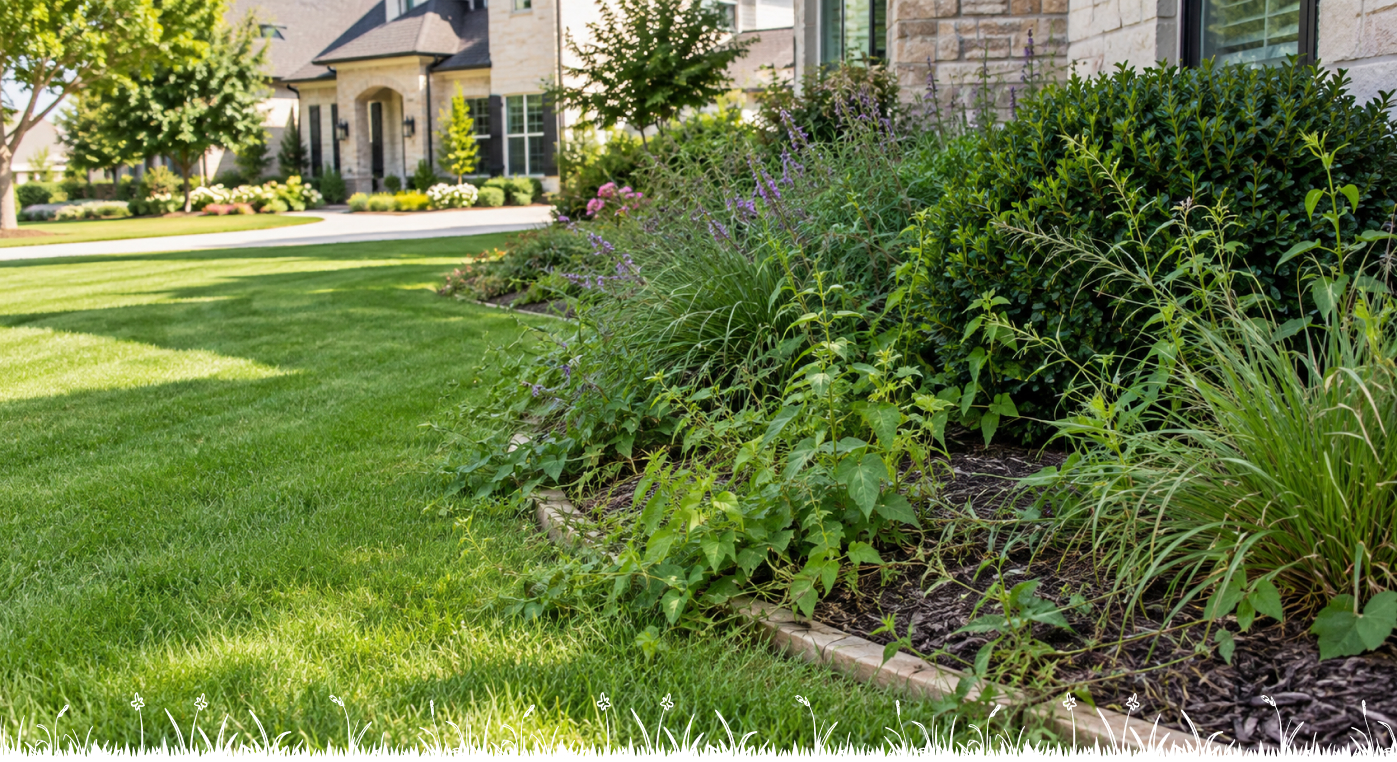
Clean, well-maintained landscape beds can make a major difference in how an entire property looks. But even when beds start out neat and organized, weeds, spreading plants, grass, and seasonal growth can quickly make them appear overgrown.
For both residential and commercial properties, keeping landscape beds under control requires more than occasional trimming. Professional commercial landscaping services can help identify what is causing repeated overgrowth and maintain landscape areas before they become difficult to manage.
Here are seven common reasons landscape beds keep getting overgrown and what property owners should watch for.
Weeds Are Not Being Controlled Early Enough
Weeds are one of the most common reasons landscape beds quickly begin looking neglected.
Small weeds may not seem like a major problem at first, but they can spread rapidly when left unattended. Once they become established throughout a bed, removing them can require considerably more work.
Regularly inspect beds for:
- New weed growth
- Weeds around shrubs
- Growth along bed edges
- Weeds appearing through mulch
- Unwanted plants spreading between established landscaping
Removing unwanted growth early can help maintain a cleaner appearance and prevent weeds from dominating the landscape bed.
Landscape Edges Are Losing Their Definition
Clear edging creates separation between the lawn and landscape beds.
When edges are not maintained, grass can gradually spread into beds while mulch and soil move outward onto the lawn. This makes even otherwise healthy landscaping appear untidy.
Professional maintenance landscaping services can help maintain defined bed edges while also addressing weeds, plant growth, and other areas that affect the overall appearance of the landscape.
Clean edges can make a noticeable visual difference even before other landscape improvements are completed.

Plants Have Outgrown Their Available Space
Shrubs and plants change significantly as they mature.
A landscape design that looked properly spaced when first installed can eventually become crowded as plants grow wider and taller. Branches may overlap, plants can block one another, and walkways or lawn areas may become obstructed.
Watch for:
- Shrubs growing into each other
- Plants extending over walkways
- Branches covering smaller plants
- Growth spreading outside the landscape bed
- Plants blocking irrigation spray patterns
Routine trimming and seasonal attention can help keep plant growth more manageable.
Mulch Is No Longer Providing Good Coverage
Mulch contributes to the finished appearance of landscape beds while also covering exposed soil.
Over time, mulch can become thin, displaced, or uneven. Heavy rain, irrigation, wind, foot traffic, and normal decomposition can all affect coverage.
When large areas of soil become exposed, weeds may become more noticeable and the bed can lose its clean, finished appearance.
As part of full-service landscape maintenance, landscape beds should be periodically inspected to determine whether mulch, edging, trimming, cleanup, or other maintenance is needed.
Avoid simply adding excessive amounts of new mulch every time the bed looks thin. Existing conditions should be evaluated first so the landscape remains neat and properly maintained.
Irrigation May Be Encouraging Unwanted Growth
Irrigation is necessary for lawns and many landscape plants, but poor sprinkler coverage can also contribute to unwanted growth.
Water spraying directly into areas where it is not needed may encourage weeds or grass to spread into landscape beds. At the same time, blocked sprinkler heads can leave other plants without appropriate coverage.
Professional irrigation services can help identify spray pattern problems, damaged sprinkler heads, or other coverage issues affecting the lawn and landscape.
Check sprinkler operation periodically, especially after plants have grown significantly or landscape beds have been modified.
Seasonal Growth Is Not Being Managed
North Texas landscapes can change quickly as temperatures, rainfall, and growing conditions shift.
Plants that remain relatively manageable during one part of the year may grow much faster during another. Leaves, small branches, weeds, and other debris can also accumulate in landscape beds during seasonal transitions.
Regular seasonal services can help address cleanup and changing property needs before landscape areas become excessively overgrown.
Our recent guide, Do You Need Fall Lawn Aeration and Overseeding in North Texas?, also explains several factors homeowners should consider when preparing lawns and outdoor spaces for changing fall conditions.

Maintenance Is Too Infrequent
One of the simplest reasons landscape beds become overgrown is inconsistent maintenance.
Waiting until weeds, shrubs, grass, and debris become highly noticeable makes the property harder to keep consistently clean.
A regular maintenance schedule allows smaller issues to be addressed before they become larger visual problems.
This does not mean every property needs exactly the same schedule. Maintenance frequency depends on factors such as:
- Number and type of plants
- Property size
- Seasonal growth
- Irrigation
- Tree coverage
- Lawn conditions
- Desired appearance
Keep the Lawn and Landscape Working Together?
Landscape beds are only one part of the overall outdoor space.
Even beautifully maintained beds can look less impressive when the surrounding lawn is overgrown or poorly maintained. Likewise, a freshly mowed lawn can lose visual impact when landscape beds are filled with weeds and uncontrolled plant growth.
Keeping both areas maintained helps create a cleaner and more consistent appearance across the property.
Property owners searching for lawn maintenance Lewisville TX can turn to Cameron’s Pro Lawn Services for professional lawn maintenance, landscaping, irrigation, sod installation, and seasonal services throughout Lewisville and surrounding North Texas communities.
Frequently Asked Questions
Why do weeds keep growing in my landscape beds?
Weeds can return because of exposed soil, thinning mulch, irrigation, seasonal conditions, or inconsistent removal. Regular inspection can help catch new growth earlier.
How often should landscape beds be maintained?
The appropriate schedule depends on plant growth, season, property conditions, irrigation, and how quickly weeds or debris accumulate.
Can grass spread into landscape beds?
Yes. When bed edges lose definition, lawn grass can gradually spread into landscape areas and make them appear overgrown.
Can irrigation cause landscape beds to become overgrown?
Poor sprinkler coverage or unnecessary watering can encourage unwanted plant and weed growth in certain areas.
Why do my landscape beds look crowded?
Plants and shrubs grow larger over time. Landscaping that was properly spaced when installed may eventually require trimming or other maintenance as plants mature.
Keep Your Landscape Beds Clean and Well Maintained
Overgrown landscape beds are often caused by several small maintenance issues happening at the same time. Weeds, unclear edges, mature plants, thinning mulch, irrigation coverage, seasonal growth, and inconsistent maintenance can all contribute.
Cameron’s Pro Lawn Services provides professional landscaping, lawn maintenance, irrigation, sod installation, and seasonal services throughout Lewisville and surrounding North Texas communities. Regular attention can help keep your landscape beds organized and your entire property looking well maintained.

Cameron's Lawn Care Service
Explore helpful lawn care, landscaping, irrigation, sod installation, seasonal maintenance, and outdoor property care tips from our team.
See All Blog