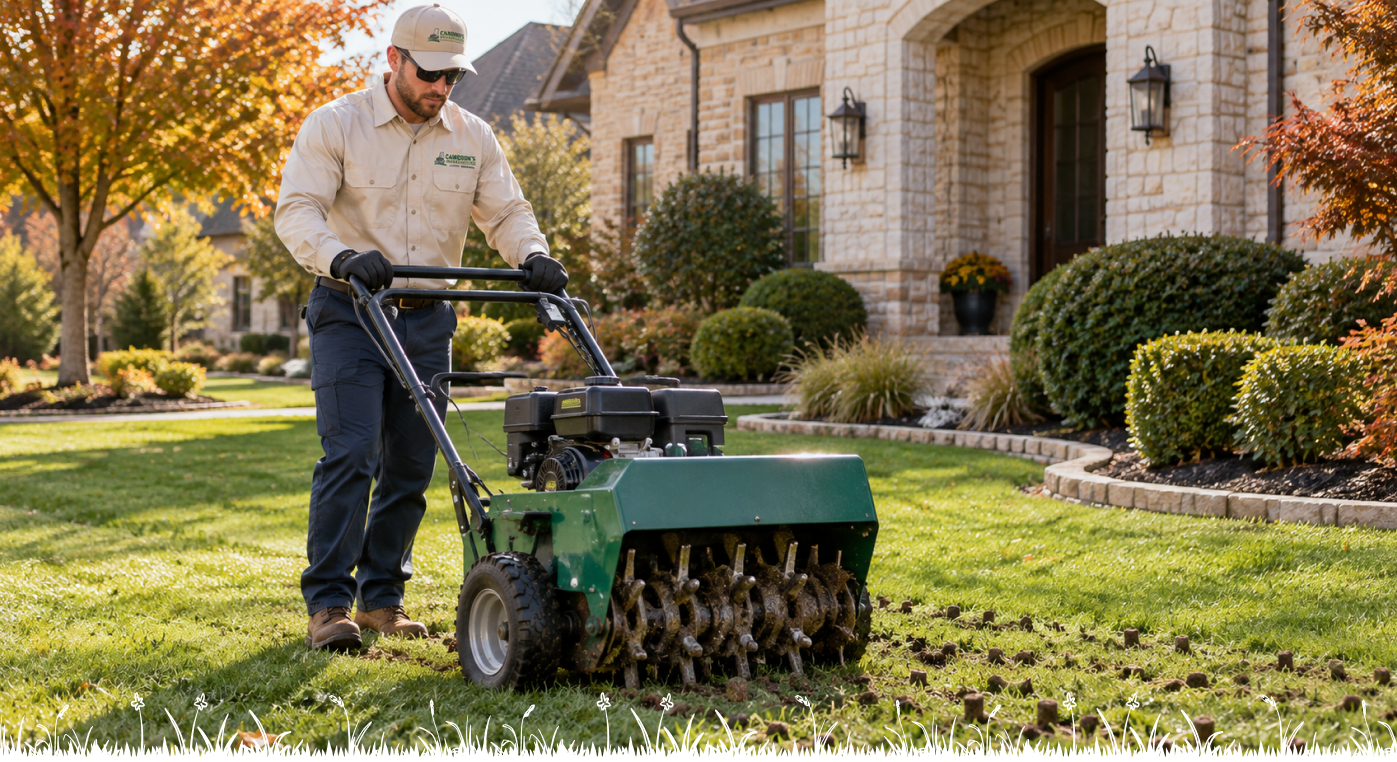
Fall can be an important transition period for North Texas lawns. After months of summer heat, heavy foot traffic, mowing, and changing moisture conditions, some lawns may develop compacted soil, thin areas, or other signs of seasonal stress.
Aeration and over seeding are two lawn care practices homeowners may consider during this period. However, they are not automatically necessary for every property. The right approach depends on grass type, soil conditions, lawn density, and your goals for the property. A professional seasonal lawn service can help evaluate what your lawn actually needs before cooler weather arrives.
Here are some factors to consider when deciding whether fall aeration and overseeding are appropriate for your North Texas lawn.
Understand What Lawn Aeration Does
Lawn aeration involves creating small openings in the soil to help relieve compaction and improve conditions around the grass root zone.
Soil can gradually become compacted because of regular foot traffic, lawn equipment, outdoor activity, and natural soil conditions. When this happens, the lawn may have more difficulty developing consistently.
Signs that may indicate compacted areas include:
- Hard or dense soil
- Thin grass in high-traffic locations
- Water running off instead of soaking in
- Slow recovery after summer stress
- Areas that repeatedly struggle despite routine care
Aeration can be one component of broader seasonal landscaping maintenance, especially when preparing a property for changing fall conditions.
Look for Areas with Heavy Foot Traffic
Not every section of a lawn experiences the same amount of activity.
Areas near driveways, gates, patios, sidewalks, and backyard entrances may receive considerably more foot traffic than other sections. Over time, these high-use areas can become more compacted.
Commercial and managed properties can experience similar problems around entrances, walkways, and frequently used outdoor spaces.
If only certain parts of the lawn appear thin or compacted, those sections may deserve closer attention rather than assuming the entire property has the same problem.
Regular lawn maintenance services can also make it easier to monitor changes in grass density, mowing conditions, and high-traffic areas throughout the year.
Understand the Purpose of Over seeding
Over seeding involves spreading grass seed over an existing lawn to improve density or establish seasonal growth where appropriate.
However, over seeding should not be treated as a universal solution for every thin lawn.
Before over seeding, consider why the lawn is thin in the first place. Problems involving irrigation coverage, heavy shade, drainage, soil conditions, disease, or repeated foot traffic may continue affecting the lawn even after seed is added.
The grass type also matters. Different grasses have different seasonal growth patterns, so homeowners should understand what is already growing on their property before deciding to overseed.
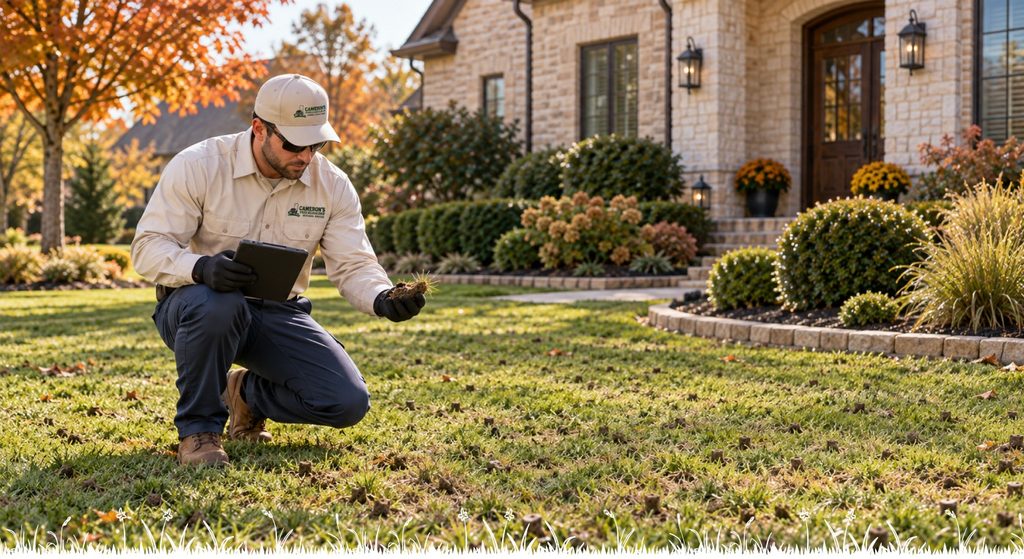
Irrigation Still Matters after Seasonal Lawn Work
Watering remains an important consideration when performing seasonal lawn work.
If over seeding is appropriate for the property, newly applied seed may require different moisture conditions than an established lawn. At the same time, excessive watering can create unnecessary runoff or leave low areas saturated.
Before adjusting the watering schedule, inspect how the irrigation system is performing.
Professional irrigation services can help identify uneven sprinkler coverage, damaged heads, pressure issues, or other problems that may prevent different parts of the lawn from receiving consistent water.
Proper irrigation becomes especially important when you are investing additional time and effort into seasonal lawn preparation.
Fall Is a Good Time to Inspect the Entire Property
Aeration and over seeding should not be considered in isolation.
Fall provides an opportunity to look at the entire outdoor space after summer. Leaves and debris may begin accumulating, shrubs may need attention, landscape beds can become untidy, and lawn conditions may change as temperatures begin to cool.
Professional seasonal services landscaping can address the broader property rather than focusing on only one lawn issue.
A seasonal inspection may include reviewing:
- Lawn condition
- Fallen leaves and debris
- Landscape beds
- Shrubs and plants
- Irrigation performance
- High-traffic lawn areas
- Seasonal cleanup needs
This broader approach can help prepare the property for the next stage of the year.
Consider the Condition of Recently Installed Sod
Recently installed sod should be evaluated differently from an older, established lawn.
New sod needs time to develop roots and become securely established. Performing unnecessary lawn treatments too soon can interfere with that establishment process.
If you recently replaced part or all of your lawn, focus first on proper watering, soil contact, irrigation coverage, and early maintenance.
Our recent guide, Why Is Your New Sod Not Growing? Common Problems to Check, explains several issues that can affect new sod establishment, including soil preparation, watering, irrigation coverage, foot traffic, and early mowing.
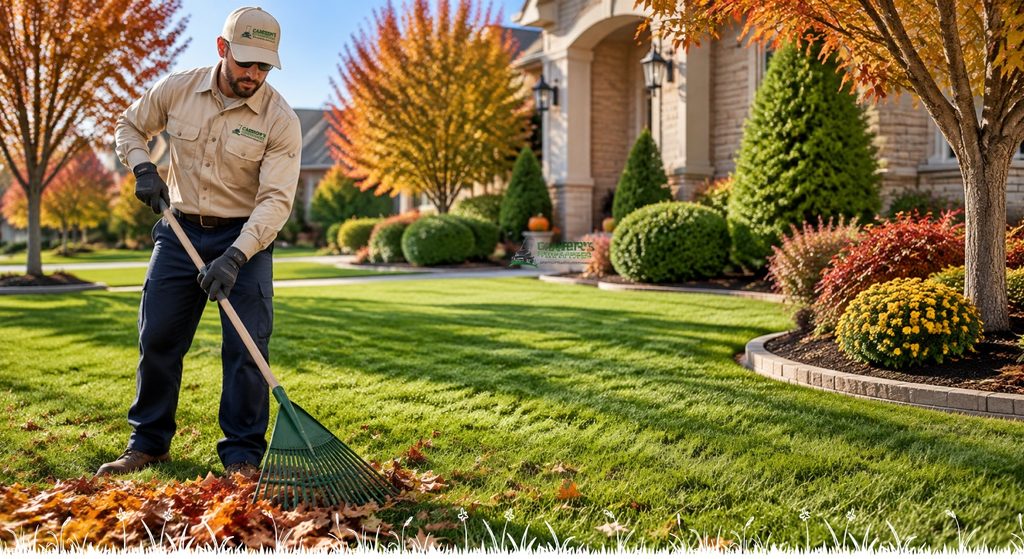
Aeration and over seeding are not the same for Every Lawn
One of the biggest mistakes homeowners can make is assuming that every seasonal lawn treatment should automatically be performed every year.
The condition of the property should guide the decision.
A lawn with compacted soil and heavy traffic may have different needs from a healthy lawn with good soil conditions. Likewise, a thin area caused by poor sprinkler coverage requires a different approach from one affected by traffic or seasonal conditions.
Before scheduling aeration or over seeding, identify the actual problem you are trying to address.
Prepare Your Lawn for Changing North Texas Conditions
Fall lawn care is about more than completing a checklist. It is an opportunity to evaluate how the lawn performed during summer and determine what attention the property may need as conditions change.
Check soil conditions, lawn density, irrigation coverage, landscape beds, debris accumulation, and high-traffic areas. From there, you can determine whether aeration, over seeding, cleanup, or another seasonal service makes sense for the property.
Homeowners searching for lawn maintenance Lewisville TX can turn to Cameron’s Pro Lawn Services for lawn maintenance, seasonal services, irrigation, landscaping, and sod installation throughout Lewisville and surrounding North Texas communities.
Frequently Asked Questions
What does lawn aeration do?
Aeration creates openings in compacted soil and can improve conditions around the grass root zone.
Does every North Texas lawn need fall aeration?
No. Whether aeration is appropriate depends on factors such as soil compaction, traffic, grass condition, and the individual property.
Should I overseed every fall?
Not necessarily. Grass type, lawn condition, seasonal goals, and the reason for thinning should all be considered before over seeding.
Can irrigation affect over seeding results?
Yes. Uneven or inappropriate watering can affect different areas of the lawn, so irrigation coverage should be checked when planning seasonal lawn work.
Can new sod be aerated immediately?
Recently installed sod should first be allowed to establish properly. The condition and establishment of the new lawn should be considered before performing additional treatments.
Get Your Property Ready for fall
Fall is a useful time to inspect your lawn and landscape after the stress of North Texas summer conditions. Aeration and over seeding may be useful for some properties, but they should be based on the actual condition of the lawn rather than performed automatically.
Cameron’s Pro Lawn Services provides professional seasonal services, lawn maintenance, irrigation, landscaping, and sod installation throughout Lewisville and surrounding North Texas communities.

Cameron's Lawn Care Service
Explore helpful lawn care, landscaping, irrigation, sod installation, seasonal maintenance, and outdoor property care tips from our team.
See All Blog