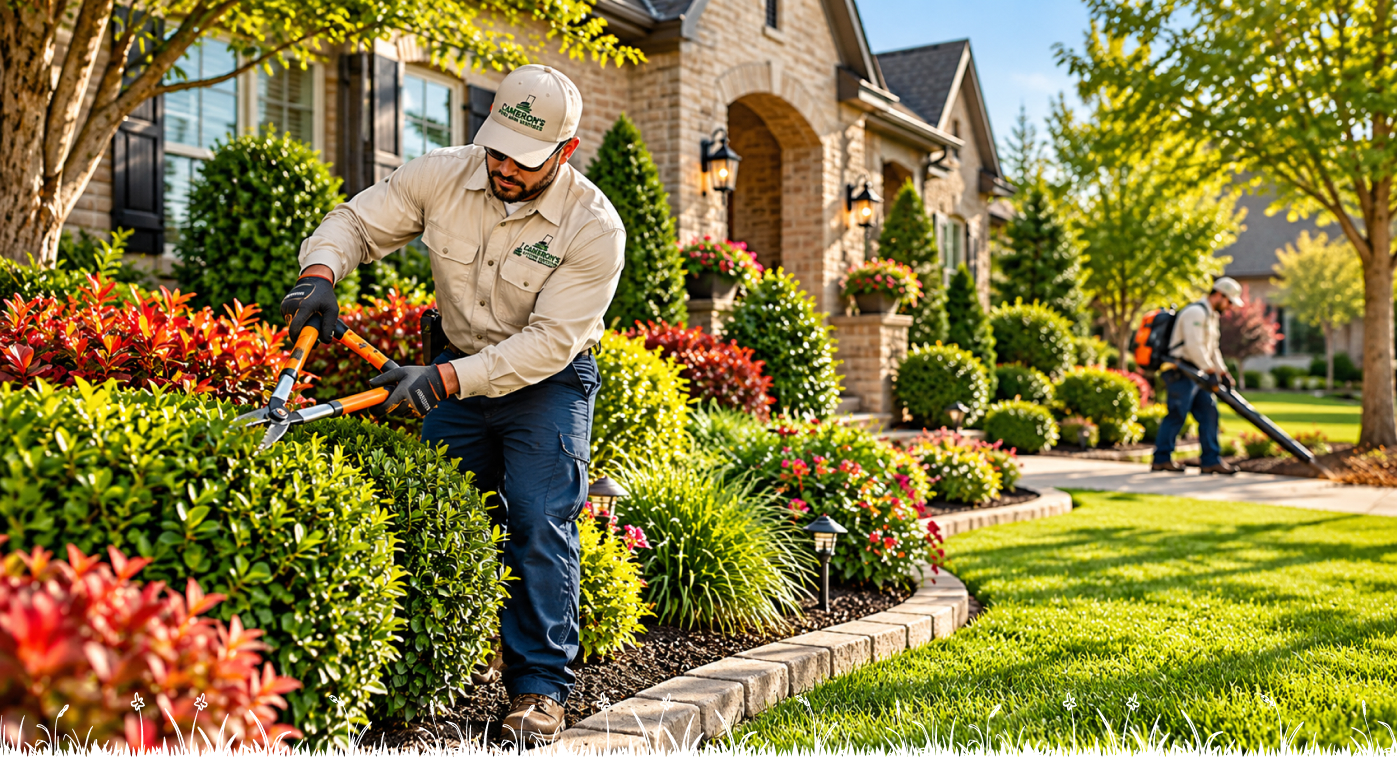
Finding full service landscape maintenance near me can be useful for homeowners and property managers who want more than occasional mowing or cleanup. A property requires attention to several outdoor areas, including grass, landscape beds, shrubs, trees, irrigation, weeds, and seasonal changes.
Instead of coordinating different companies for individual tasks, a full-service approach can bring multiple maintenance needs together under one plan. This can make it easier to maintain a consistent appearance and address problems before they become larger projects.
What Does Full-Service Landscape Maintenance Include?
Full-service maintenance is broader than simply mowing the grass.
Depending on the property, ongoing care can include lawn mowing, edging, trimming, landscape-bed cleanup, shrub care, weed management, debris removal, irrigation inspections, and seasonal maintenance.
The exact combination should depend on what the property needs.
A smaller residential yard may require a different maintenance plan than a larger property with mature trees, extensive planting beds, or multiple outdoor areas.
The important part is having a coordinated approach instead of treating every maintenance task as a completely separate project.
Start With the Lawn
The lawn is usually one of the most visible parts of a property.
Regular mowing helps maintain an even appearance, but lawn care involves more than cutting grass. Edging, trimming, blowing debris, monitoring turf conditions, and adjusting care as the seasons change can all contribute to a cleaner result.
Grass also interacts directly with surrounding landscape beds. If lawn edges are allowed to spread into planting areas, the beds can quickly lose their definition. Keeping these areas maintained together creates a more polished transition between turf and landscaping.
For homeowners who need ongoing lawn maintenance, a consistent schedule can help prevent the property from becoming overgrown between visits.
Landscape Beds Need Consistent Attention
Landscape beds can require frequent attention because plants continue growing and weeds can appear throughout the year.
Common maintenance needs may include removing weeds, clearing leaves and debris, trimming appropriate plants, maintaining bed edges, and monitoring the condition of ground cover.
Without regular attention, these small issues can gradually change the appearance of the entire property.
A clean landscape bed can also make healthy shrubs and ornamental plants stand out more clearly.
Shrubs and Plants Should Be Maintained Properly
Shrubs provide structure and visual interest, but overgrown plants can quickly affect the appearance and function of a property.
Branches may extend across walkways, cover windows, interfere with other plants, or make landscape beds appear crowded.
Regular inspections help identify when plants need attention.
However, trimming should not be performed automatically on every plant at the same frequency. Different plants can have different growth patterns and maintenance requirements.
The goal should be to maintain healthy, appropriately sized plants while preserving the overall design of the landscape.
Weed Control Is Part of Ongoing Care
Weeds rarely appear only once.
They can return after rainfall, spread through landscape beds, and become more noticeable when surrounding plants or grass are stressed.
Consistent monitoring can make weed problems easier to manage.
Addressing weeds early also helps prevent them from competing with desirable plants for water, nutrients, sunlight, and growing space.
A maintenance plan should therefore consider weed management as an ongoing task rather than something that only happens when a property becomes visibly overgrown.
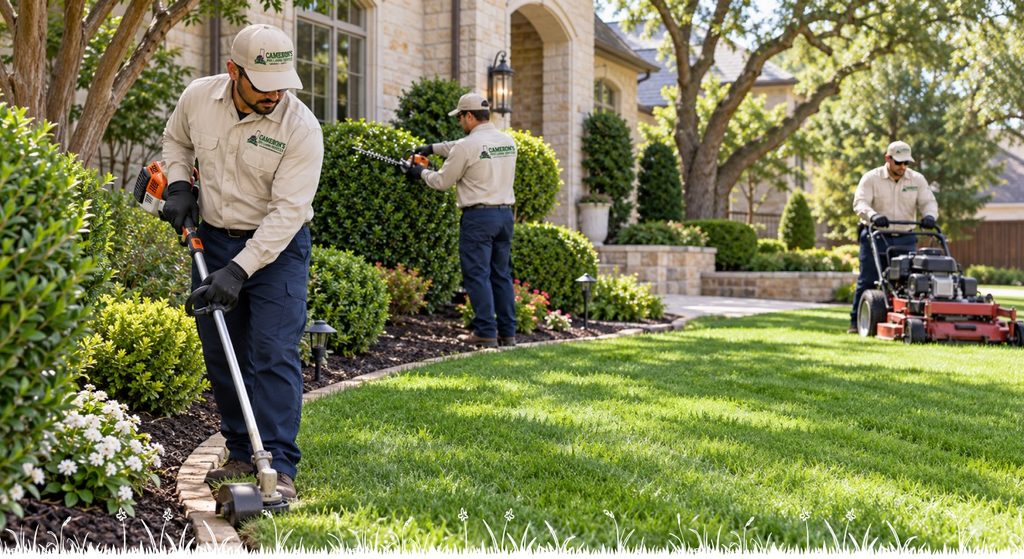
Don’t Forget About Irrigation
Watering plays an important role in maintaining both lawns and landscapes.
An irrigation system that provides uneven coverage can create dry areas, excessive moisture, runoff, or inconsistent plant growth.
Regular inspections can help identify problems such as damaged sprinkler heads, leaks, blocked spray patterns, or areas that are not receiving adequate coverage.
Irrigation needs can also change as temperatures and seasonal conditions change.
A professional irrigation services provider can therefore be a useful part of a broader property-maintenance plan.
Seasonal Maintenance Changes Throughout the Year
A good maintenance plan should not remain exactly the same every month.
North Texas properties experience different conditions throughout the year.
Spring often brings increased plant and grass growth. Summer introduces intense heat and increased moisture demands. Fall can bring leaves, debris, and changes in plant growth, while winter generally requires a different approach as warm-season grasses become less active.
Seasonal adjustments can include changing mowing frequency, cleaning landscape beds, removing leaves, inspecting plants, and preparing outdoor areas for upcoming weather.
For properties that need ongoing seasonal services, this type of flexible approach can help keep maintenance aligned with current conditions.
Look for Consistency, Not Just a One-Time Cleanup
A property can look excellent immediately after a large cleanup.
The challenge is keeping it that way.
Grass continues growing, shrubs become larger, weeds return, leaves accumulate, and weather affects outdoor areas. Without continued attention, the same maintenance problems can gradually return.
This is why homeowners comparing the best landscaping maintenance services should look beyond a single visit.
Consider whether the service can provide consistent care and respond to changing property needs throughout the year.
Consider the Size and Layout of Your Property
Every property has different maintenance requirements.
A small residential property with a simple lawn and a few planting beds may require a straightforward schedule.
A larger property may have mature trees, extensive landscape beds, multiple lawn areas, irrigation zones, walkways, and other features that require more coordination.
The maintenance plan should reflect the actual layout of the property.
A company that understands how the different areas work together can help identify where maintenance is most important.
Keep Your Landscape and Lawn Working Together
Lawn and landscape maintenance should not be treated as completely separate.
The lawn borders the landscape beds. Trees can affect sunlight and soil moisture. Shrubs can influence irrigation coverage. Leaves can move from planting areas onto turf.
Because these elements interact, maintaining them together can create a more consistent property appearance.
It also makes it easier to identify problems that may affect more than one area.
For example, recurring dry grass near a landscape bed may point toward an irrigation issue rather than a simple lawn-care problem.
Watch for Problems Before They Become Larger
One advantage of regular maintenance is that problems can often be noticed earlier.
A small bare area, damaged sprinkler head, overgrown shrub, spreading weed problem, or eroding landscape bed may be easier to address when it is first discovered.
Waiting until the problem becomes obvious can sometimes require more extensive work.
Regular visits provide opportunities to inspect the property and identify changes before they significantly affect its appearance.
Communication Matters With Ongoing Property Care
Maintenance is not only about completing physical tasks.
Good communication can also help property owners understand what is happening with their outdoor space.
If a shrub is declining, irrigation coverage is uneven, or a particular area needs additional attention, property owners should know about it.
Clear communication can make ongoing maintenance more predictable and help homeowners make better decisions about future work.
A Full-Service Approach Can Simplify Property Care
Managing lawn, landscape beds, shrubs, irrigation, and seasonal cleanup separately can become time-consuming.
A coordinated maintenance plan can simplify that process by bringing multiple outdoor needs together.
Instead of waiting for each issue to become noticeable, regular maintenance allows different parts of the property to be monitored throughout the year.
This can be particularly useful for homeowners who want a consistently maintained exterior without having to manage every individual task themselves.
Your Latest Lawn-Care Guide
Seasonal property care involves more than landscaping alone.
Our latest article, When Should You Stop Fertilizing Your Lawn in North Texas?, explains how grass type, current growth, soil conditions, and changing temperatures can influence fall fertilization decisions.
Understanding how individual lawn-care tasks fit into a larger seasonal plan can help homeowners make better decisions for the entire property.
Keep Cameron’s Pro Lawn Services in Your Property-Care Plan
Cameron’s Pro Lawn Services provides lawn and landscape services for homeowners and property managers throughout Lewisville and surrounding North Texas communities. For homeowners looking for reliable lawn maintenance Lewisville TX, having one team familiar with the property can make it easier to keep different areas of the landscape coordinated.
See How Year-Round Landscape Maintenance Works
For a broader overview of ongoing landscape care, Landscape Maintenance: How to Keep Your Property Looking Its Best Year-Round explains how trimming, pruning, landscape-bed care, edging, weed management, irrigation, and seasonal maintenance work together.
Choose a Maintenance Plan That Fits Your Property
There is no universal maintenance schedule that works for every North Texas property.
The right plan depends on lawn size, plant selection, landscape-bed size, irrigation, trees, seasonal conditions, and the level of appearance the property owner wants to maintain.
Some properties may need frequent routine visits, while others may require more emphasis on seasonal services.
The important thing is matching the maintenance approach to the property instead of applying the exact same routine everywhere.
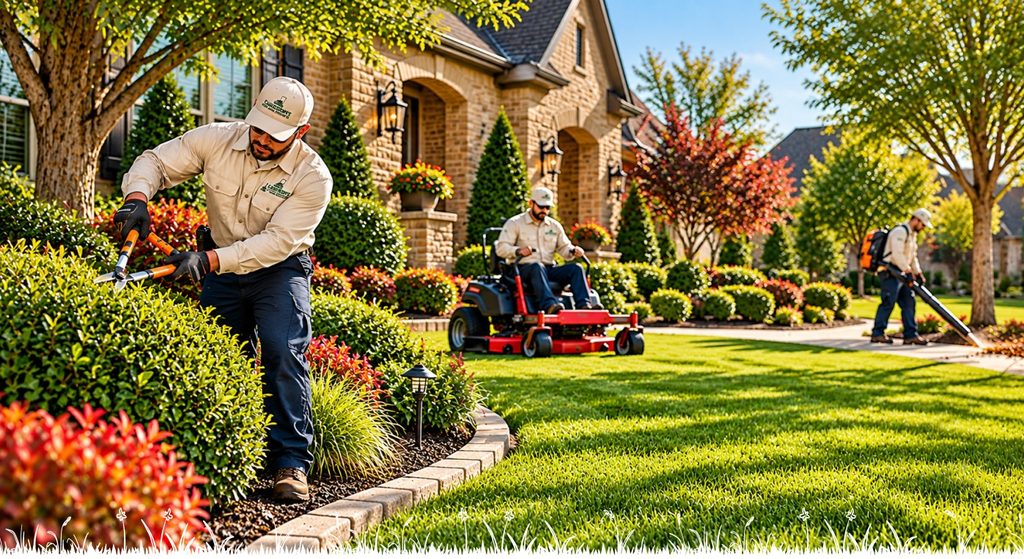
Don’t Forget the Importance of Curb Appeal
A well-maintained landscape can make a strong first impression.
Clean lawn edges, healthy grass, trimmed shrubs, maintained landscape beds, controlled weeds, and properly functioning irrigation all contribute to the appearance of the property.
These details may seem small individually, but together they can significantly influence how an outdoor space looks.
Consistent maintenance helps preserve that appearance instead of relying on occasional major cleanups.
Keep Your Property Ready for Every Season
North Texas properties are constantly changing.
Grass grows, plants mature, weeds return, irrigation needs change, and seasonal weather affects outdoor spaces.
A consistent maintenance approach helps property owners respond to those changes instead of waiting until the property looks noticeably neglected.
The goal is not simply to make the landscape look good immediately after a service visit. It is to maintain a property that remains clean, healthy, and organized throughout the year.
Frequently Asked Questions
What does full-service landscape maintenance include?
It can include lawn mowing, edging, trimming, landscape-bed care, shrub maintenance, weed management, debris removal, irrigation inspections, and seasonal services depending on the property.
Is full-service maintenance better than occasional landscaping?
It depends on the property and the owner’s needs. Regular maintenance can help prevent small problems from accumulating and keep the property looking consistent between major projects.
How often should a North Texas property receive landscape maintenance?
The ideal frequency depends on the property size, plants, lawn growth, season, and desired appearance. Some properties benefit from frequent recurring care, while others need specific seasonal services.
Does irrigation need to be part of landscape maintenance?
Irrigation is an important consideration because watering problems can affect both grass and plants. Checking irrigation coverage can help identify problems before they affect larger areas.
Should lawn and landscape maintenance be coordinated?
Yes. The lawn, landscape beds, shrubs, trees, and irrigation all affect the overall appearance of the property, so coordinating their care can produce a more consistent result.
Does landscape maintenance change by season?
Yes. North Texas landscapes have different needs during spring, summer, fall, and winter. Maintenance should be adjusted based on weather, growth, and current property conditions.
Can regular maintenance improve curb appeal?
Yes. Consistent mowing, edging, shrub care, weed management, clean landscape beds, and seasonal maintenance can help maintain a cleaner and more polished property.
Keep Your Landscape Looking Its Best
Choosing a maintenance plan is about more than finding someone to mow the grass.
A well-maintained property requires attention to lawn areas, landscape beds, shrubs, weeds, irrigation, seasonal changes, and the smaller details that influence the overall appearance.
A consistent full-service approach can make property care easier while helping homeowners stay ahead of problems that can develop throughout the year.
Cameron’s Pro Lawn Services provides professional lawn and landscape care throughout Lewisville and surrounding North Texas communities.
Need help maintaining your outdoor space? Contact Cameron’s Pro Lawn Services for a free quote.

Cameron's Lawn Care Service
Explore helpful lawn care, landscaping, irrigation, sod installation, seasonal maintenance, and outdoor property care tips from our team.
See All Blog