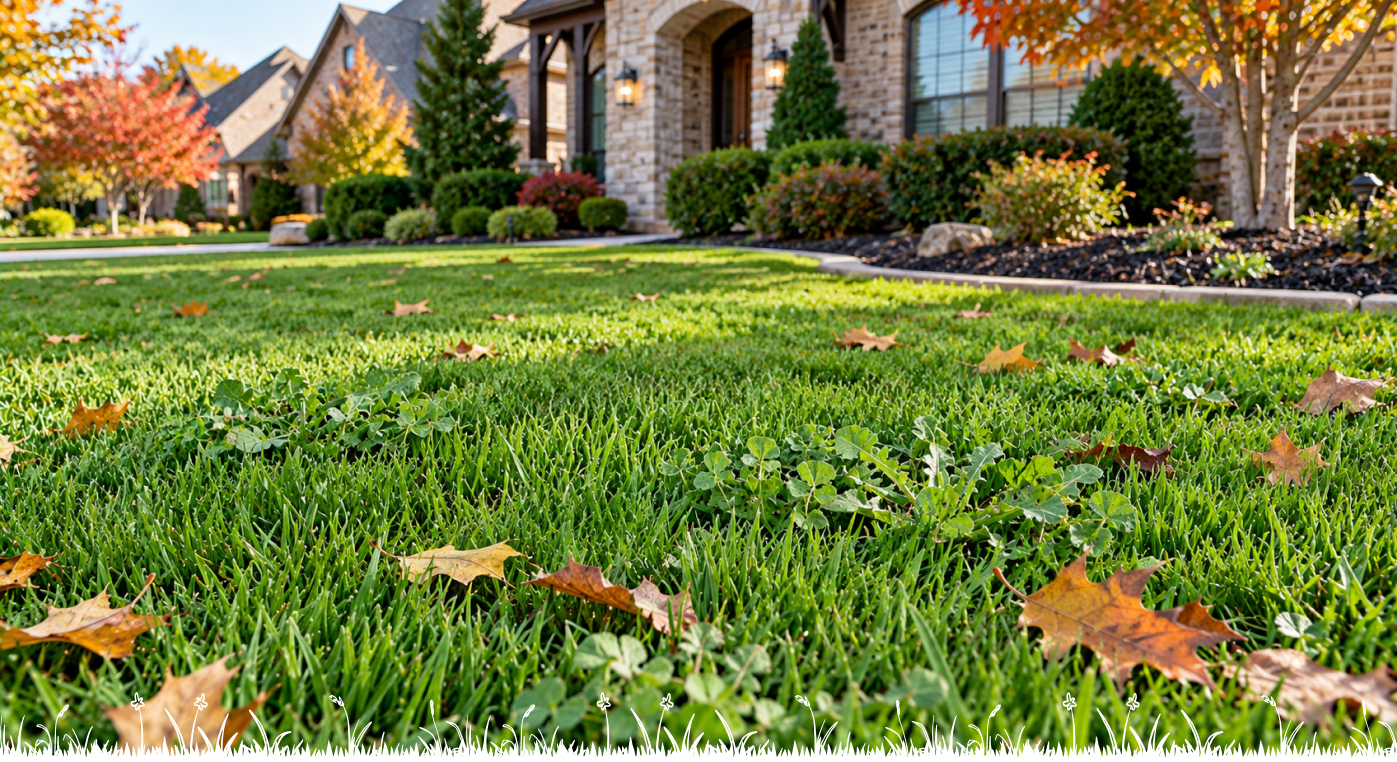
Winter weeds can seem to appear suddenly once temperatures begin to cool, but many of the weeds homeowners notice during winter actually begin their growth cycle much earlier. In North Texas, fall conditions can create an opportunity for certain cool-season weeds to germinate while warm-season grasses such as Bermuda, St. Augustine, and Zoysia begin slowing down.
Understanding this seasonal transition can help homeowners prepare their lawns and landscapes before unwanted growth becomes highly visible. Professional seasonal gardening services can also help keep lawns, landscape beds, and other outdoor areas maintained as conditions change throughout the year.
Many Winter Weeds Begin Growing During Fall
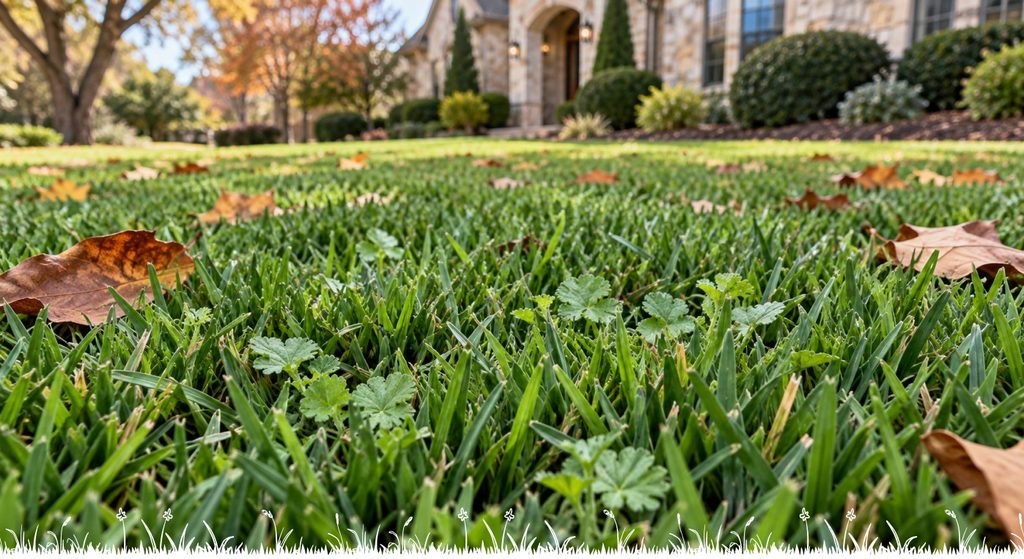
One reason winter weeds seem to appear so quickly is that homeowners may not notice them when they first begin developing. Some cool-season weeds can start germinating during fall as temperatures decline and seasonal conditions become more favorable.
By the time these weeds become obvious during winter, they may already be established throughout sections of the lawn. That is why fall can be an important time to inspect the property and address seasonal maintenance needs.
For homeowners who want help preparing their outdoor spaces for changing conditions, seasonal gardening services can include tasks such as leaf removal, landscape bed maintenance, pruning, cleanup, and other seasonal property care.
Warm-Season Grass Begins to Slow Down
Bermuda, St. Augustine, and Zoysia are popular warm-season grasses for North Texas properties. During the warmer months, healthy turf can grow actively and create a dense lawn. As temperatures begin dropping during fall, however, that growth naturally starts slowing.
When turf becomes less active, thin areas and openings in the lawn can become more noticeable. These spaces may provide opportunities for cool-season weeds to establish.
Grass type also affects how a lawn responds to sunlight, shade, watering, traffic, and seasonal changes. If you are comparing common turf options, our recent guide What Is the Best Grass for Your North Texas Yard: Bermuda, St. Augustine, or Zoysia? explains some of the key differences homeowners should consider.
Thin and Bare Areas Can Give Weeds More Space
A thick lawn occupies more available growing space, while thin turf can leave exposed areas where unwanted plants may develop. Summer heat, heavy foot traffic, inconsistent watering, compacted soil, excessive shade, and mowing stress can all contribute to weak sections of a lawn.
These problems may become more noticeable during fall when warm-season turf growth starts slowing. Homeowners should inspect areas that remained thin throughout summer rather than assuming cooler weather alone will correct them.
Consistent lawn maintenance throughout the growing season can help homeowners keep an eye on turf density, mowing conditions, edges, and other areas that may require attention before the next seasonal transition.
Fall Moisture Can Encourage New Growth
Temperature is only one part of seasonal weed development. Moisture can also influence the conditions in which seeds begin to germinate.
Fall rainfall combined with regular sprinkler operation can sometimes keep parts of a lawn wetter than necessary. This is especially possible when irrigation schedules remain set for peak summer conditions even after temperatures have started dropping.
Areas with uneven sprinkler coverage may also experience very different moisture levels. One part of the lawn might remain relatively dry while another receives excessive water.
Checking your irrigation services needs during fall can help identify sprinkler coverage problems, watering inconsistencies, or system issues that may be affecting the lawn as seasonal conditions change.
Fallen Leaves Can Hide Early Weed Growth
Falling leaves are a normal part of autumn, but allowing a heavy layer to remain across the lawn can make it difficult to see what is happening underneath.
Small weeds, thin turf, damp areas, and other lawn problems may remain hidden until the leaves are eventually removed. Heavy leaf accumulation can also block sunlight from reaching sections of grass.
Regular leaf removal keeps the property looking cleaner while making it easier to inspect turf conditions throughout fall.
This is where broader seasonal home solutions can be useful. Instead of focusing on only one lawn problem, homeowners can address leaf buildup, landscape beds, plant trimming, lawn cleanup, and other outdoor maintenance needs as part of seasonal property preparation.
Landscape Beds Can Develop Winter Weeds Too
The lawn is not the only place where winter weeds can appear. Landscape beds can also experience unwanted growth, especially when mulch has become thin or areas of exposed soil are present.
Weeds may become particularly noticeable around bed edges, shrubs, trees, walkways, and areas where landscape beds meet the lawn. Regular cleanup makes these sections easier to monitor.
Maintaining bed edges, removing unwanted growth, refreshing landscape areas when necessary, and checking irrigation can help keep the overall property looking more organized through fall and winter.
Homeowners should therefore think about the entire outdoor space rather than treating lawn weeds and landscape-bed weeds as completely separate seasonal problems.

Fall Is an Important Time to Prepare for Winter
Fall acts as a transition between the intense North Texas summer and cooler winter conditions. That makes it a useful time to walk the property and identify areas that may need attention.
Seasonal tasks can include removing fallen leaves, cleaning landscape beds, monitoring thin sections of turf, adjusting watering schedules, trimming plants where appropriate, and preparing outdoor areas for cooler temperatures.
The goal is not simply to react once winter weeds become visible. A better approach is to keep the lawn and landscape maintained throughout seasonal changes.
For homeowners searching for lawn maintenance Lewisville TX, year-round property care can make it easier to address changing lawn and landscape needs instead of waiting until seasonal problems become obvious.
Why Seasonal Lawn Care Matters in North Texas
North Texas lawns experience major changes throughout the year. Hot summers can stress turf, while fall introduces cooler temperatures, changing moisture requirements, falling leaves, and new weed growth.
Because every property is different, seasonal maintenance should consider several factors together. Turf type, sunlight, irrigation coverage, soil condition, landscape design, traffic, and previous lawn stress can all affect how a property enters winter.
A lawn that remained dense and healthy through summer may require different attention than one that developed bare spots or irrigation problems. Similarly, heavily landscaped properties may need more fall cleanup than yards with fewer trees and planting beds.
Planning seasonal work around the actual condition of the property can therefore be more useful than following exactly the same routine for every lawn.
How Cameron’s Pro Lawn Services Can Help
Cameron’s Pro Lawn Services provides seasonal lawn and landscape care for properties throughout Lewisville and surrounding North Texas communities.
Seasonal property care may include leaf removal, landscape bed maintenance, pruning, lawn and landscape cleanup, and other services designed to keep outdoor spaces maintained as conditions change.
Combining seasonal maintenance with regular lawn care and attention to irrigation can help homeowners keep their properties cleaner and better prepared throughout the year.
Frequently Asked Questions
When do winter weeds start growing in North Texas?
Some cool-season weeds can begin germinating during fall as temperatures become more favorable. Homeowners may not notice them immediately because early growth can be small and difficult to see.
Why do weeds become noticeable when my lawn goes dormant?
Warm-season grasses grow less actively as temperatures fall. If the lawn already contains thin or bare areas, cool-season weeds may become more noticeable as the surrounding turf slows down.
Should I change my watering schedule during fall?
Water requirements can change as temperatures, rainfall, and turf growth change. Homeowners should consider current soil moisture, rainfall, lawn condition, and irrigation coverage instead of automatically continuing peak-summer watering habits.
Does removing leaves help during fall?
Leaf removal keeps the lawn cleaner and makes it easier to identify weeds, thin turf, excessive moisture, and other conditions that may otherwise remain hidden beneath accumulated leaves.
Can winter weeds grow inside landscape beds?
Yes. Landscape beds can also develop weeds, particularly where mulch is thin, soil is exposed, or moisture creates favorable growing conditions.
Prepare Your Property Before Winter Arrives
Winter weed problems often begin before winter itself. Paying attention to turf density, fallen leaves, landscape beds, irrigation, and general property condition during fall can help homeowners identify potential problems earlier.
Cameron’s Pro Lawn Services provides professional seasonal lawn and landscape care throughout Lewisville and surrounding North Texas communities.
Ready to prepare your lawn and landscape for the changing season? Contact Cameron’s Pro Lawn Services today for a free quote.

Cameron's Lawn Care Service
Explore helpful lawn care, landscaping, irrigation, sod installation, seasonal maintenance, and outdoor property care tips from our team.
See All Blog