
Why Winter Weeds Start in Fall: A North Texas Lawn Guide
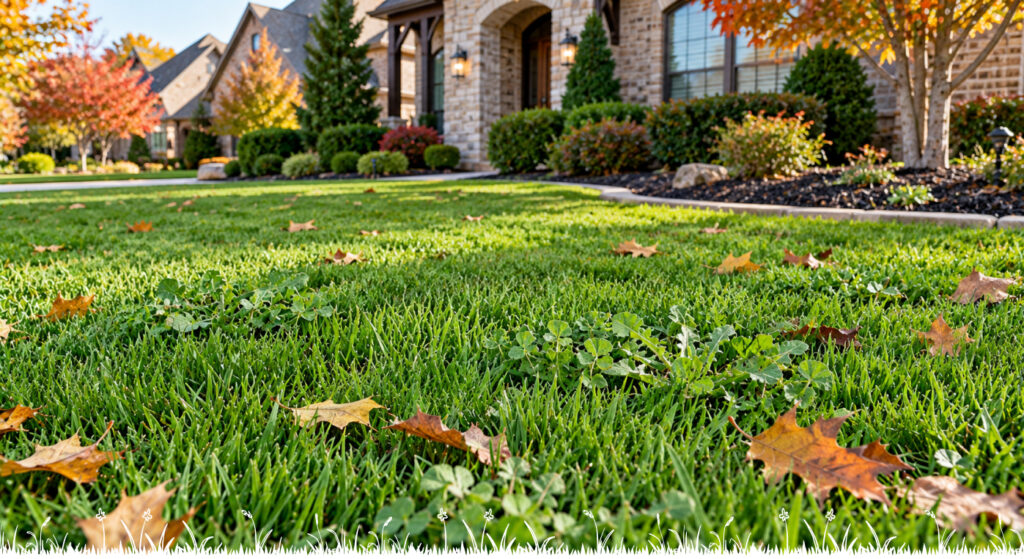
Winter weeds can seem to appear suddenly once temperatures begin to cool, but many of the weeds homeowners notice during winter actually begin their growth cycle much earlier. In North Texas, fall conditions can create an opportunity for certain cool-season weeds to germinate while warm-season grasses such as Bermuda, St. Augustine, and Zoysia begin slowing down. Understanding this seasonal transition can help homeowners prepare their lawns and landscapes before unwanted growth becomes highly visible. Professional seasonal gardening services can also help keep lawns, landscape beds, and other outdoor areas maintained as conditions change throughout the year. Many Winter Weeds Begin Growing During Fall One reason winter weeds seem to appear so quickly is that homeowners may not notice them when they first begin developing. Some cool-season weeds can start germinating during fall as temperatures decline and seasonal conditions become more favorable. By the time these weeds become obvious during winter, they may already be established throughout sections of the lawn. That is why fall can be an important time to inspect the property and address seasonal maintenance needs. For homeowners who want help preparing their outdoor spaces for changing conditions, seasonal gardening services can include tasks such as leaf removal, landscape bed maintenance, pruning, cleanup, and other seasonal property care. Warm-Season Grass Begins to Slow Down Bermuda, St. Augustine, and Zoysia are popular warm-season grasses for North Texas properties. During the warmer months, healthy turf can grow actively and create a dense lawn. As temperatures begin dropping during fall, however, that growth naturally starts slowing. When turf becomes less active, thin areas and openings in the lawn can become more noticeable. These spaces may provide opportunities for cool-season weeds to establish. Grass type also affects how a lawn responds to sunlight, shade, watering, traffic, and seasonal changes. If you are comparing common turf options, our recent guide What Is the Best Grass for Your North Texas Yard: Bermuda, St. Augustine, or Zoysia? explains some of the key differences homeowners should consider. Thin and Bare Areas Can Give Weeds More Space A thick lawn occupies more available growing space, while thin turf can leave exposed areas where unwanted plants may develop. Summer heat, heavy foot traffic, inconsistent watering, compacted soil, excessive shade, and mowing stress can all contribute to weak sections of a lawn. These problems may become more noticeable during fall when warm-season turf growth starts slowing. Homeowners should inspect areas that remained thin throughout summer rather than assuming cooler weather alone will correct them. Consistent lawn maintenance throughout the growing season can help homeowners keep an eye on turf density, mowing conditions, edges, and other areas that may require attention before the next seasonal transition. Fall Moisture Can Encourage New Growth Temperature is only one part of seasonal weed development. Moisture can also influence the conditions in which seeds begin to germinate. Fall rainfall combined with regular sprinkler operation can sometimes keep parts of a lawn wetter than necessary. This is especially possible when irrigation schedules remain set for peak summer conditions even after temperatures have started dropping. Areas with uneven sprinkler coverage may also experience very different moisture levels. One part of the lawn might remain relatively dry while another receives excessive water. Checking your irrigation services needs during fall can help identify sprinkler coverage problems, watering inconsistencies, or system issues that may be affecting the lawn as seasonal conditions change. Fallen Leaves Can Hide Early Weed Growth Falling leaves are a normal part of autumn, but allowing a heavy layer to remain across the lawn can make it difficult to see what is happening underneath. Small weeds, thin turf, damp areas, and other lawn problems may remain hidden until the leaves are eventually removed. Heavy leaf accumulation can also block sunlight from reaching sections of grass. Regular leaf removal keeps the property looking cleaner while making it easier to inspect turf conditions throughout fall. This is where broader seasonal home solutions can be useful. Instead of focusing on only one lawn problem, homeowners can address leaf buildup, landscape beds, plant trimming, lawn cleanup, and other outdoor maintenance needs as part of seasonal property preparation. Landscape Beds Can Develop Winter Weeds Too The lawn is not the only place where winter weeds can appear. Landscape beds can also experience unwanted growth, especially when mulch has become thin or areas of exposed soil are present. Weeds may become particularly noticeable around bed edges, shrubs, trees, walkways, and areas where landscape beds meet the lawn. Regular cleanup makes these sections easier to monitor. Maintaining bed edges, removing unwanted growth, refreshing landscape areas when necessary, and checking irrigation can help keep the overall property looking more organized through fall and winter. Homeowners should therefore think about the entire outdoor space rather than treating lawn weeds and landscape-bed weeds as completely separate seasonal problems. Fall Is an Important Time to Prepare for Winter Fall acts as a transition between the intense North Texas summer and cooler winter conditions. That makes it a useful time to walk the property and identify areas that may need attention. Seasonal tasks can include removing fallen leaves, cleaning landscape beds, monitoring thin sections of turf, adjusting watering schedules, trimming plants where appropriate, and preparing outdoor areas for cooler temperatures. The goal is not simply to react once winter weeds become visible. A better approach is to keep the lawn and landscape maintained throughout seasonal changes. For homeowners searching for lawn maintenance Lewisville TX, year-round property care can make it easier to address changing lawn and landscape needs instead of waiting until seasonal problems become obvious. Why Seasonal Lawn Care Matters in North Texas North Texas lawns experience major changes throughout the year. Hot summers can stress turf, while fall introduces cooler temperatures, changing moisture requirements, falling leaves, and new weed growth. Because every property is different, seasonal maintenance should consider several factors together. Turf type, sunlight, irrigation coverage, soil condition, landscape design, traffic, and previous lawn stress can all affect how a property enters winter. A
Why North Texas Lawns Develop Brown Patches in fall and What to Check First
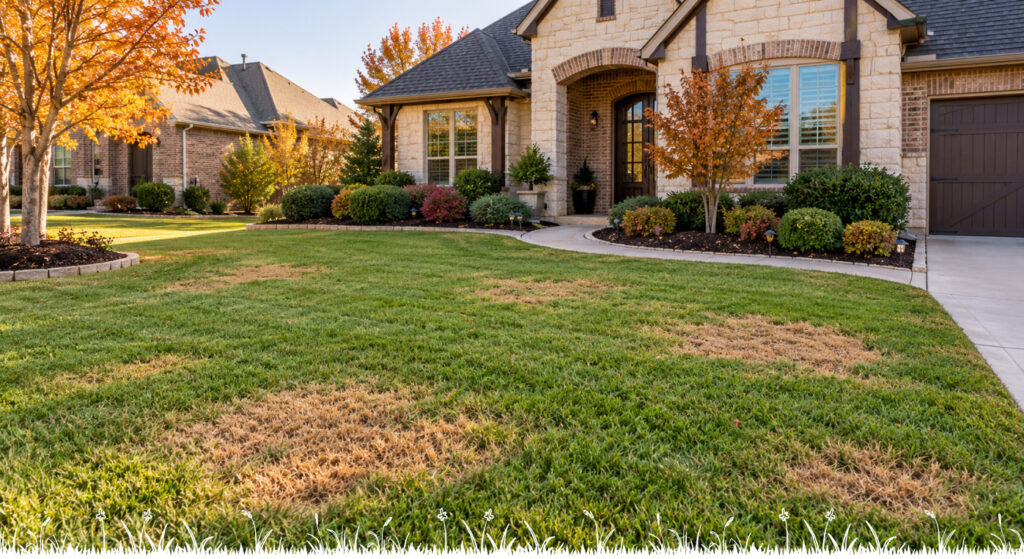
Fall can bring welcome relief from the intense North Texas summer heat, but cooler temperatures do not always mean lawn problems are over. Some homeowners begin noticing circular brown areas, thinning turf, or patches of discolored grass just as temperatures start becoming more comfortable. The cause is not always simply a lack of water. Changing temperatures, extended moisture, irrigation habits, mowing practices, fallen leaves, and seasonal turf conditions can all influence how a lawn looks during fall. Professional seasonal landscape services can help homeowners adjust outdoor maintenance as conditions change instead of continuing the same summer lawn routine throughout the fall. Cooler Nights Can Change Lawn Conditions North Texas lawns experience a significant transition between late summer and fall. Daytime temperatures may remain warm while nights become cooler. Grass growth and moisture evaporation can begin changing even before homeowners make adjustments to their lawn-care routines. A watering schedule that worked during peak summer may therefore become excessive as temperatures fall. Seasonal changes should be considered across the entire property. Professional seasonal lawn landscaping can help keep lawn and landscape maintenance aligned with changing weather and growing conditions. Too Much Moisture Can Create Problems During summer, homeowners often focus on preventing their lawns from becoming too dry. In fall, the opposite issue can sometimes become important. Cooler weather can reduce how quickly moisture evaporates. If irrigation schedules remain unchanged while temperatures fall, parts of the lawn may stay wet for longer periods. Persistent moisture can create unfavorable turf conditions and may contribute to certain lawn diseases. Instead of automatically following the same watering schedule every week, homeowners should observe the soil, recent rainfall, temperatures, and overall lawn condition. Fall Lawn Disease May Look Like a Watering Problem Brown areas are sometimes assumed to mean the lawn needs additional water. However, adding more water without identifying the cause can make some moisture-related problems worse. Certain turf diseases can become more noticeable when environmental conditions favor them. Brown or discolored areas may appear in irregular or roughly circular patterns and can gradually expand. Because several lawn problems can produce similar symptoms, identifying the pattern and surrounding conditions is more useful than assuming every brown area is drought stress. If you’re unsure whether irrigation is contributing to the problem, professional irrigation services can help evaluate sprinkler coverage and watering performance. Your Summer Irrigation Schedule May Need Adjustment Irrigation schedules should not necessarily remain identical from July through October. Hot summer conditions can create significantly different water demands than cooler fall weather. Rainfall patterns can also change, making automatic schedules less appropriate if they are never reviewed. Our recent guide, How Much Water Does Your North Texas Lawn Actually Need?, explains why watering frequency, soil absorption, runoff, rainfall, and irrigation coverage should all be considered rather than relying only on a fixed controller schedule. A seasonal adjustment can help reduce unnecessary watering while still providing the lawn with appropriate moisture. Fallen Leaves Can Hold Moisture against the Turf A thin scattering of leaves may not immediately create a problem, but allowing heavy layers of leaves to remain across the lawn can affect the turf underneath. Leaves can block sunlight, reduce airflow, and trap moisture near the grass surface. If they remain in place for extended periods, the covered grass may become stressed or discolored. Routine fall cleanup helps keep lawn surfaces clearer as leaves begin dropping. Mowing Habits Should Change With Grass Growth Grass growth can slow as temperatures change, but that does not mean mowing practices should suddenly become aggressive. Cutting turf too short can place additional stress on grass that is already adjusting to seasonal conditions. At the same time, allowing grass to become excessively overgrown can create its own maintenance issues. Consistent lawn maintenance services can help keep mowing and routine lawn care appropriate for the current condition of the property. Brown Areas May Have More Than One Cause Not every brown patch that appears during fall is caused by the same issue. Possible contributing factors can include: This is why treating every brown area by simply increasing watering may not solve the problem. Look at where the patches appear, whether they are expanding, how wet the soil remains, and whether the same areas experienced problems earlier in the year. How Can You Tell Whether a Brown Patch Needs Attention? Start by watching how the affected area changes. A temporary change in turf color may behave differently from an area that continues expanding. Repeatedly wet soil may point toward a different problem than dry, compacted ground. You should also check whether sprinklers are watering the affected area correctly and whether fallen leaves or other debris are keeping the turf covered. Looking at several clues together can provide a much clearer picture than judging the lawn by color alone. Fall Is a Good Time to Review the Entire Property Seasonal lawn care is not only about responding to visible brown patches. Fall is also an opportunity to evaluate irrigation schedules, lawn condition, leaf accumulation, landscape beds, shrubs, and other areas before winter conditions arrive. A property that receives consistent seasonal attention is easier to maintain than one where small issues are ignored until they become more noticeable. For homeowners looking for dependable lawn maintenance Lewisville TX services, Cameron’s Pro Lawn Services can provide ongoing lawn and seasonal property care throughout Lewisville and surrounding North Texas communities. Frequently Asked Questions Why does my lawn develop brown patches in the fall? Several factors can contribute, including excessive moisture, seasonal turf disease, irrigation habits, leaf accumulation, mowing stress, soil conditions, and changing temperatures. Should I water brown patches more often? Not automatically. Brown grass does not always indicate insufficient water. Check soil moisture and irrigation coverage before increasing watering. Can overwatering cause lawn problems during fall? Yes. As temperatures decrease, the lawn may not require the same irrigation schedule used during hotter summer conditions. Can fallen leaves damage grass? Heavy leaf accumulation can block sunlight, reduce airflow, and hold moisture against the turf. Regular cleanup
Do You Need Fall Lawn Aeration and over seeding in North Texas?
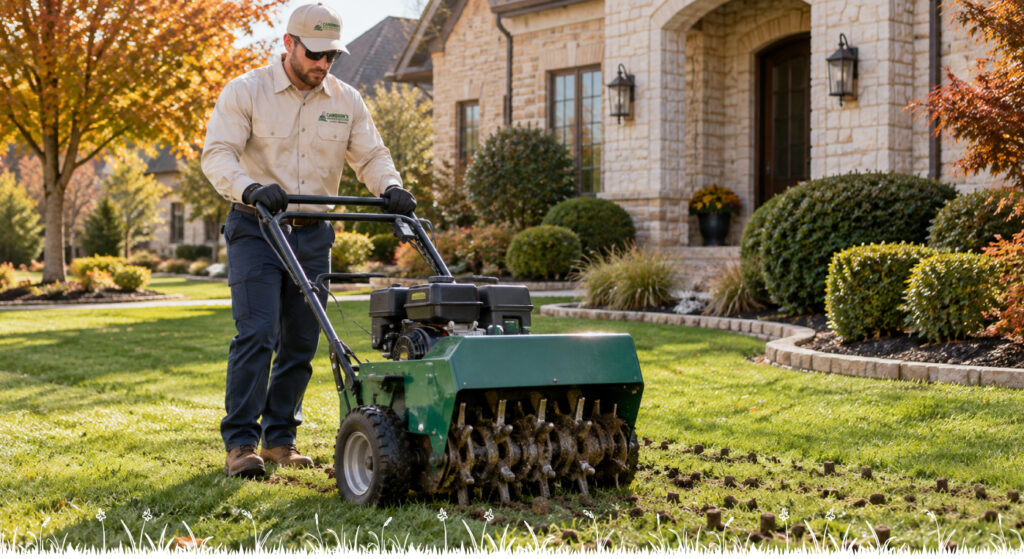
Fall can be an important transition period for North Texas lawns. After months of summer heat, heavy foot traffic, mowing, and changing moisture conditions, some lawns may develop compacted soil, thin areas, or other signs of seasonal stress. Aeration and over seeding are two lawn care practices homeowners may consider during this period. However, they are not automatically necessary for every property. The right approach depends on grass type, soil conditions, lawn density, and your goals for the property. A professional seasonal lawn service can help evaluate what your lawn actually needs before cooler weather arrives. Here are some factors to consider when deciding whether fall aeration and overseeding are appropriate for your North Texas lawn. Understand What Lawn Aeration Does Lawn aeration involves creating small openings in the soil to help relieve compaction and improve conditions around the grass root zone. Soil can gradually become compacted because of regular foot traffic, lawn equipment, outdoor activity, and natural soil conditions. When this happens, the lawn may have more difficulty developing consistently. Signs that may indicate compacted areas include: Aeration can be one component of broader seasonal landscaping maintenance, especially when preparing a property for changing fall conditions. Look for Areas with Heavy Foot Traffic Not every section of a lawn experiences the same amount of activity. Areas near driveways, gates, patios, sidewalks, and backyard entrances may receive considerably more foot traffic than other sections. Over time, these high-use areas can become more compacted. Commercial and managed properties can experience similar problems around entrances, walkways, and frequently used outdoor spaces. If only certain parts of the lawn appear thin or compacted, those sections may deserve closer attention rather than assuming the entire property has the same problem. Regular lawn maintenance services can also make it easier to monitor changes in grass density, mowing conditions, and high-traffic areas throughout the year. Understand the Purpose of Over seeding Over seeding involves spreading grass seed over an existing lawn to improve density or establish seasonal growth where appropriate. However, over seeding should not be treated as a universal solution for every thin lawn. Before over seeding, consider why the lawn is thin in the first place. Problems involving irrigation coverage, heavy shade, drainage, soil conditions, disease, or repeated foot traffic may continue affecting the lawn even after seed is added. The grass type also matters. Different grasses have different seasonal growth patterns, so homeowners should understand what is already growing on their property before deciding to overseed. Irrigation Still Matters after Seasonal Lawn Work Watering remains an important consideration when performing seasonal lawn work. If over seeding is appropriate for the property, newly applied seed may require different moisture conditions than an established lawn. At the same time, excessive watering can create unnecessary runoff or leave low areas saturated. Before adjusting the watering schedule, inspect how the irrigation system is performing. Professional irrigation services can help identify uneven sprinkler coverage, damaged heads, pressure issues, or other problems that may prevent different parts of the lawn from receiving consistent water. Proper irrigation becomes especially important when you are investing additional time and effort into seasonal lawn preparation. Fall Is a Good Time to Inspect the Entire Property Aeration and over seeding should not be considered in isolation. Fall provides an opportunity to look at the entire outdoor space after summer. Leaves and debris may begin accumulating, shrubs may need attention, landscape beds can become untidy, and lawn conditions may change as temperatures begin to cool. Professional seasonal services landscaping can address the broader property rather than focusing on only one lawn issue. A seasonal inspection may include reviewing: This broader approach can help prepare the property for the next stage of the year. Consider the Condition of Recently Installed Sod Recently installed sod should be evaluated differently from an older, established lawn. New sod needs time to develop roots and become securely established. Performing unnecessary lawn treatments too soon can interfere with that establishment process. If you recently replaced part or all of your lawn, focus first on proper watering, soil contact, irrigation coverage, and early maintenance. Our recent guide, Why Is Your New Sod Not Growing? Common Problems to Check, explains several issues that can affect new sod establishment, including soil preparation, watering, irrigation coverage, foot traffic, and early mowing. Aeration and over seeding are not the same for Every Lawn One of the biggest mistakes homeowners can make is assuming that every seasonal lawn treatment should automatically be performed every year. The condition of the property should guide the decision. A lawn with compacted soil and heavy traffic may have different needs from a healthy lawn with good soil conditions. Likewise, a thin area caused by poor sprinkler coverage requires a different approach from one affected by traffic or seasonal conditions. Before scheduling aeration or over seeding, identify the actual problem you are trying to address. Prepare Your Lawn for Changing North Texas Conditions Fall lawn care is about more than completing a checklist. It is an opportunity to evaluate how the lawn performed during summer and determine what attention the property may need as conditions change. Check soil conditions, lawn density, irrigation coverage, landscape beds, debris accumulation, and high-traffic areas. From there, you can determine whether aeration, over seeding, cleanup, or another seasonal service makes sense for the property. Homeowners searching for lawn maintenance Lewisville TX can turn to Cameron’s Pro Lawn Services for lawn maintenance, seasonal services, irrigation, landscaping, and sod installation throughout Lewisville and surrounding North Texas communities. Frequently Asked Questions What does lawn aeration do? Aeration creates openings in compacted soil and can improve conditions around the grass root zone. Does every North Texas lawn need fall aeration? No. Whether aeration is appropriate depends on factors such as soil compaction, traffic, grass condition, and the individual property. Should I overseed every fall? Not necessarily. Grass type, lawn condition, seasonal goals, and the reason for thinning should all be considered before over seeding. Can irrigation affect over seeding results?
When Should You Start Fall Yard Cleanup in North Texas?
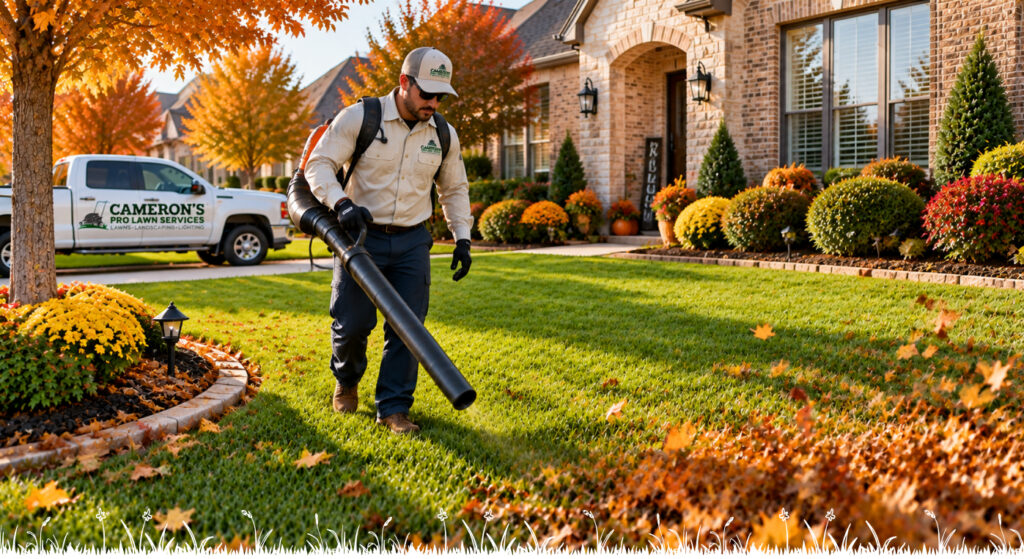
Fall in North Texas does not always arrive with an immediate drop in temperature. Warm days can continue well into the season, while leaves, debris, changing plant growth, and shifting lawn conditions gradually begin affecting outdoor spaces. That is why waiting until every leaf has fallen is not always the best approach. Starting seasonal services at the right time can help homeowners keep their properties clean, organized, and prepared as conditions change. For homeowners in Lewisville and surrounding North Texas communities, fall yard cleanup is often most effective when it is handled gradually rather than left until the end of the season. Start When Leaves and Debris Begin Accumulating You do not need to wait until the lawn is completely covered with leaves before beginning fall cleanup. As leaves, small branches, and other debris begin accumulating, regular removal can help keep the property looking maintained. Heavy layers of leaves can also cover sections of the lawn and make routine maintenance more difficult. Early cleanup may include: Professional seasonal landscape services can help maintain these areas as fall conditions develop. Keep up with Lawn Maintenance during fall Fall cleanup does not mean regular lawn care should immediately stop. North Texas grass may continue growing depending on temperatures and weather conditions. Mowing frequency may change as growth slows, but allowing the lawn to become overgrown while leaves and debris accumulate can make the property look neglected? Continue monitoring grass height, lawn edges, and overall appearance throughout the season. Professional lawn maintenance services can help keep mowing and routine property care consistent as the lawn transitions toward cooler conditions. The exact schedule should depend on actual grass growth and property conditions rather than simply stopping lawn maintenance on a specific calendar date. Clean Landscape Beds Before Debris Builds Up Landscape beds can collect leaves, branches, weeds, and other debris throughout fall. Cleaning these areas periodically can help maintain a neat appearance and make it easier to inspect shrubs and plants. Look around: This is also a good opportunity to identify plants or shrubs that may need seasonal attention before colder weather arrives. Check Shrubs and Plants before Cooler Weather Fall is a useful time to inspect the condition of shrubs, plants, and other landscape features. Some areas may have become overgrown during the warmer months, while others may contain dead or damaged material that affects the overall appearance of the property. However, not every plant should automatically be trimmed in the same way or at the same time. The appropriate approach depends on the plant and its condition. The goal of fall cleanup should be to keep the property organized while considering what each part of the landscape actually needs. Review Your Irrigation Schedule As temperatures and lawn conditions change, your irrigation needs may also change. A watering schedule that worked during intense summer heat may not remain appropriate throughout fall. Continue monitoring soil conditions and lawn appearance instead of allowing the irrigation controller to run unchanged indefinitely. Fall is also a good time to run each sprinkler zone and look for: Professional irrigation services can help identify system problems that may affect the lawn during seasonal transitions. Schedule Cleanup before Leaves Become Overwhelming Some homeowners wait until late fall and attempt to complete all cleanup at once. For properties with multiple trees, shrubs, beds, and larger lawn areas, this can create significantly more work. Using seasonal lawn services throughout the fall can make it easier to manage leaves and debris in stages while keeping the property maintained between cleanups. This approach can be especially useful when leaves fall gradually over several weeks rather than all at once. Complete a Final Property Check Before Winter As fall moves toward winter, walk around the entire property one more time. Look for areas where leaves have collected, landscape beds that need cleanup, debris near walkways, lawn edges that need attention, and other areas that may have been missed. A final seasonal cleanup can help leave the outdoor space looking cleaner as growth slows. It also gives homeowners an opportunity to identify maintenance or landscape projects that may need attention later. Pay Attention to Areas with New Sod If your property has recently received new sod, fall cleanup should be handled carefully around those areas. Heavy foot traffic, accumulated debris, and inconsistent watering can create additional challenges while new sod is still establishing. We recently discussed proper preparation and establishment in Can You Lay New Sod over Existing Grass? What Homeowners Should Know Keeping newly installed lawn areas clean while following appropriate watering and maintenance practices can help protect the work already completed. Keep Your Property Maintained Through the Seasonal Transition Fall yard cleanup is not necessarily a one-day project. North Texas weather and leaf drop can change gradually, making ongoing maintenance more practical for many properties. Starting when debris begins accumulating allows you to manage leaves, lawn growth, landscape beds, shrubs, and irrigation before they become larger maintenance issues. Homeowners searching for lawn maintenance Lewisville TX can turn to Cameron’s Pro Lawn Services for professional lawn and seasonal property care throughout Lewisville and surrounding North Texas communities. Frequently Asked Questions When should I start fall yard cleanup in North Texas? Start when leaves and debris begin accumulating rather than waiting until the end of fall. The exact timing will depend on your property, trees, landscape, and weather conditions. How often should leave be removed during fall? There is no single schedule for every property. Homes with more trees may require more frequent cleanup as leaves continue falling. Should I continue mowing my lawn during fall? If the grass is still actively growing, routine mowing may still be needed. Adjust maintenance according to lawn growth and seasonal conditions. Should I change my sprinkler schedule in fall? Changing temperatures and rainfall can affect watering needs. Monitor lawn and soil conditions and adjust irrigation appropriately rather than relying on a summer schedule throughout fall. What should be included in a fall yard cleanup? Depending on the property,
Is Your Lawn Ready for fall? 7 Seasonal Maintenance Tasks for North Texas
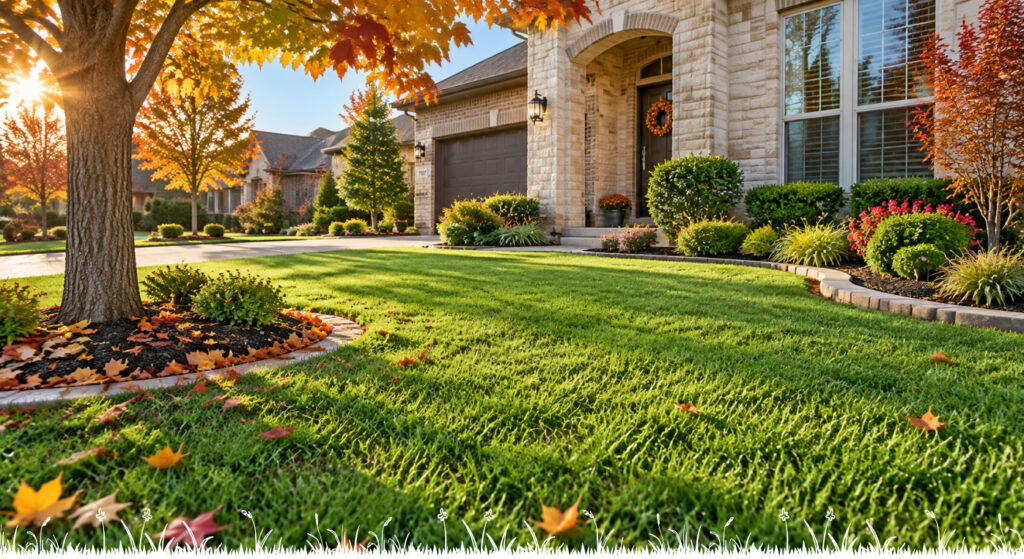
Fall can bring welcome changes after the intense North Texas summer, but it also creates a new set of needs for your lawn and landscape. Heat stress, changing temperatures, falling leaves, irrigation adjustments, and slower growth can all affect how your outdoor space looks and performs. Preparing early with proper seasonal lawn landscaping can help homeowners address summer wear, clean up outdoor areas, and get the property ready for cooler weather. For homeowners in Lewisville and surrounding North Texas communities, here are seven seasonal maintenance tasks worth considering as fall approaches. Inspect Your Lawn after the Summer Heat Before deciding what your lawn needs for fall, take a close look at its current condition. North Texas summer conditions can leave some areas looking thinner, dry, or stressed. Walk around the property and look for noticeable changes such as: Identifying these problems early gives you a better idea of which areas need attention instead of applying the same approach across the entire lawn. A professional seasonal lawn service can also help keep outdoor areas maintained as conditions transition from summer into fall. Keep Fallen Leaves and Debris under Control Leaves can quickly accumulate across lawns, walkways, landscape beds, and other outdoor areas during fall. A few leaves may not create a major problem, but allowing thick layers of debris to remain across the property can make the landscape look neglected and cover portions of the grass. Regular cleanup helps maintain a cleaner appearance and prevents leaves from accumulating around entrances, beds, and lawn edges. A seasonal cleaning service can be particularly useful for properties with multiple trees or larger outdoor areas where debris builds up quickly. Review Your Mowing Routine Grass growth patterns begin changing as temperatures shift. Instead of following the exact same mowing routine used during periods of rapid summer growth, pay attention to how quickly your lawn is actually growing. Avoid allowing the lawn to become excessively overgrown between cuts, but also avoid unnecessary mowing simply because a particular number of days has passed. Professional lawn maintenance services can help keep the lawn consistently maintained while adapting routine care to changing seasonal conditions. Regular mowing, clean edges, and maintained outdoor areas can help the entire property continue looking polished as fall progresses. Check Your Irrigation System and Watering Schedule One of the most important fall adjustments involves irrigation. A watering schedule that worked during hotter conditions may not remain appropriate as temperatures and lawn needs change. Inspect your sprinkler system for: Professional irrigation services can help identify problems affecting watering coverage. Adjusting irrigation based on actual lawn and weather conditions can also help reduce unnecessary watering. Pay Attention to Landscape Beds and Shrubs Fall preparation should not stop at the grass. Landscape beds, shrubs, plants, and borders contribute significantly to the overall appearance of a property. Overgrown shrubs or messy beds can make an otherwise maintained lawn look unfinished. Remove unwanted debris, monitor weeds, maintain bed edges, and trim vegetation when appropriate for the plants involved. This broader approach is what makes all seasons landscaping services valuable: outdoor maintenance should consider how different parts of the property change throughout the year rather than treating every season exactly the same. Consider Whether Your Lawn Needs Additional Seasonal Attention Some lawns may require more than routine mowing and cleanup after a demanding summer. Depending on grass type, property conditions, and existing lawn health, seasonal care may include tasks such as addressing compacted areas, evaluating thin sections, or preparing parts of the lawn for cooler conditions. The important thing is not to assume every property requires exactly the same treatment. Look at the actual condition of your lawn and determine what problems need to be addressed. If recently installed sod is showing discoloration, for example, the cause may involve watering, irrigation coverage, soil contact, or establishment rather than seasonal change alone. For more information, read Why Does New Sod Turn Brown? 7 Common Causes and What to Do. Prepare the Entire Property Before Cooler Weather Arrives Fall maintenance is easier when handled proactively. Instead of waiting until leaves, overgrown vegetation, lawn problems, and irrigation issues have accumulated, address each area gradually as conditions begin changing. Walk through the property and evaluate: Taking care of these areas together helps create a cleaner transition into the cooler months. For homeowners searching for lawn maintenance Lewisville TX, Cameron’s Pro Lawn Services provides professional outdoor property care throughout Lewisville and surrounding North Texas communities. Why Fall Lawn Preparation Matters in North Texas Seasonal maintenance is not simply about making a property look good for a few weeks. The condition in which your lawn and landscape enter cooler weather can influence how manageable the property is throughout the season. Cleaning debris, monitoring irrigation, maintaining lawn edges, caring for landscape beds, and addressing visible problems early can help prevent multiple maintenance tasks from building up at once. A consistent approach also makes it easier to notice changes in lawn health before they become larger or more noticeable problems. Frequently Asked Questions When should I start preparing my North Texas lawn for fall? Start monitoring your lawn as summer conditions begin transitioning into fall. The exact timing can vary depending on temperatures, rainfall, grass growth, and the condition of your property. Should I continue mowing my lawn during fall? Yes, if the grass is still actively growing. Rather than following a fixed summer schedule, adjust mowing frequency based on actual growth. Should I change my sprinkler schedule in fall? Watering needs can change as temperatures and weather conditions shift. Monitor soil moisture, rainfall, and lawn condition rather than automatically continuing the same schedule used during hotter periods. Why is fall cleanup important? Regular cleanup keeps leaves and debris from accumulating across lawns, landscape beds, walkways, and other outdoor areas while helping the property maintain a cleaner appearance. Does every North Texas lawn need the same fall maintenance? No. Grass type, sunlight, irrigation coverage, landscape design, soil conditions, and existing lawn health can all affect what a particular
Seasonal Landscape Maintenance: What Your Property Needs Before Fall
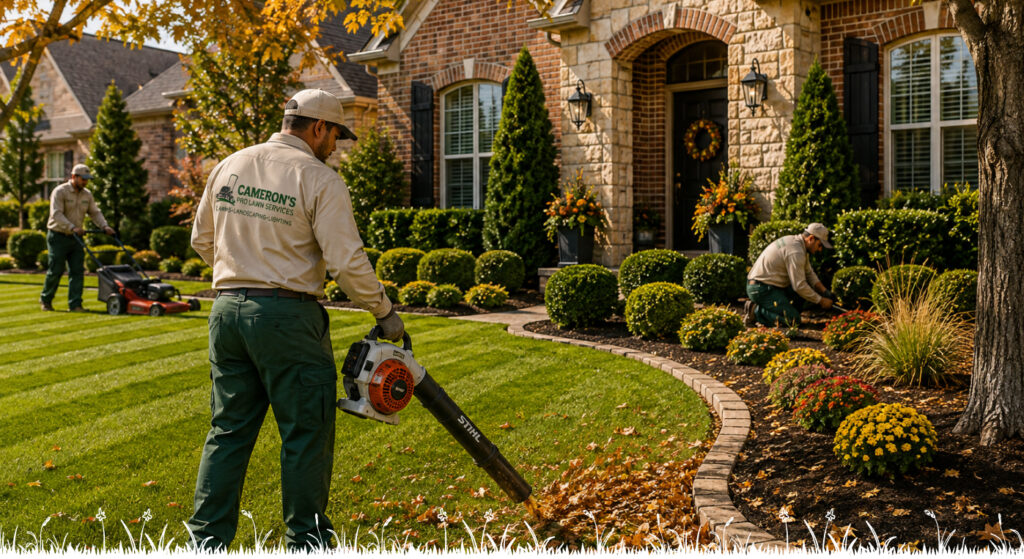
As summer begins transitioning toward fall in North Texas, your lawn and landscape can benefit from a few important maintenance adjustments. Months of heat, active grass growth, irrigation, weeds, and changing weather can leave outdoor areas needing attention before cooler conditions arrive. Proper seasonal services landscaping can help homeowners and commercial property owners clean up summer growth, identify problem areas, and prepare lawns and landscapes for the next season. Cameron’s Pro Lawn Services provides professional outdoor property care throughout Lewisville and surrounding North Texas communities. Taking care of these tasks before fall is in full swing can make seasonal maintenance easier and keep your property looking clean and well maintained. Clean Up Summer Debris Summer weather, storms, wind, mowing, and plant growth can leave debris throughout the property. Before fall, inspect lawns and landscape beds for: Removing this material creates a cleaner appearance and makes it easier to inspect the lawn and landscaping underneath. Waiting until heavy fall leaf drop begins can turn a manageable cleanup into a much larger project. Inspect Your Lawn after Summer Heat North Texas summers can be stressful for grass. High temperatures and changing moisture conditions may leave certain areas looking thinner or less healthy than others. Look for: Property owners searching for lawn maintenance Lewisville TX should use the transition into fall as an opportunity to evaluate how the lawn performed during summer and whether any areas need additional attention. Continue Mowing While Grass Is Growing The arrival of fall does not automatically mean mowing should stop. Grass may continue growing while temperatures remain favorable. Instead of choosing a fixed date for the final mow of the season, pay attention to actual growth. Professional seasonal lawn services can help adjust mowing and routine property care as growth begins slowing. Avoid allowing grass to become excessively tall simply because summer has ended. Consistent mowing and edging can help the property maintain a cleaner appearance during the seasonal transition. For ongoing mowing, edging, and trimming, professional lawn maintenance services can provide consistent routine care. Clean and Define Landscape Beds Landscape beds often need extra attention after months of summer growth. Weeds may have spread, shrubs may have grown beyond their intended shape, and plant material or debris may have accumulated around beds. Before fall, consider: Consistent seasonal landscaping maintenance helps prevent these smaller tasks from accumulating into a major cleanup later. Clean beds can also improve curb appeal even as plant growth begins slowing. Inspect Shrubs and Plants Shrubs and ornamental plants should be inspected before cooler weather arrives. Look for dead, damaged, or excessive growth that may need attention. However, avoid assuming every plant should be aggressively trimmed before fall. Different plants have different growth cycles and maintenance requirements. The goal should be to keep landscaping maintained while avoiding unnecessary stress on plants. For professional care of landscape beds, shrubs, edges, and other outdoor features, landscape maintenance can help keep the property organized throughout seasonal changes. Adjust Irrigation for Changing Weather One of the most important seasonal adjustments involves irrigation. A watering schedule designed for intense summer heat may not be appropriate as temperatures decrease and rainfall patterns change. Continuing the same watering schedule can lead to: Check your irrigation system and consider whether watering frequency or duration needs to change. Also inspect sprinkler heads, spray patterns, and different zones for problems that may have developed during summer. Prepare for Falling Leaves Leaf removal becomes increasingly important as fall progresses. A few scattered leaves usually aren’t a major concern, but thick accumulation can make a property look neglected and cover lawn and landscape areas. Rather than waiting for a large buildup, periodic cleanup can make leaf management easier. This is particularly useful for properties with several mature trees or large lawn areas. Check Edges, Walkways, and High-Visibility Areas Small details can make a significant difference in how maintained a property looks. Inspect areas around: Grass and weeds can gradually spread into these spaces during periods of active summer growth. Cleaning and defining these areas before fall helps create a more polished appearance and prevents seasonal debris from making them even messier. Don’t Wait Until the Property Looks Neglected Seasonal maintenance works best when small tasks are addressed before they become larger problems. Professional seasonal landscape services can help manage changing property needs as summer transitions into fall. Instead of waiting for heavy leaf accumulation, overgrown beds, tall grass, or widespread weeds, routine attention can keep the property manageable throughout the season. Learn How Regular Landscape Maintenance Prevents Problems Preparing for fall is only one part of maintaining an outdoor property. Consistent landscape care throughout the year can also help prevent smaller issues from developing into larger maintenance projects. Our latest guide covers this in more detail: How Regular Landscape Maintenance Can Prevent Costly Property Problems The article explains how regular attention to shrubs, weeds, irrigation, drainage, lawn edges, and seasonal debris can help keep a property easier to maintain. Why Choose Cameron’s Pro Lawn Services? Cameron’s Pro Lawn Services provides outdoor property care for residential and commercial customers throughout Lewisville and surrounding North Texas communities. Our services include: By adjusting property care as weather and growing conditions change, homeowners and businesses can maintain cleaner and more manageable outdoor spaces throughout the year. Frequently Asked Questions When should I start preparing my lawn for fall? Begin as summer conditions start changing and temperatures begin cooling. The exact timing depends on weather, grass growth, and your property’s condition. Should I stop mowing when fall begins? No. Continue mowing while the grass is actively growing, adjusting frequency as growth slows. Should irrigation schedules change in fall? Usually, watering needs change as temperatures and rainfall change. Review your schedule rather than automatically continuing summer settings. Is leaf removal important for lawn maintenance? Yes. Removing excessive leaf buildup helps keep the property cleaner and prevents thick layers of leaves from covering lawn areas. What should seasonal landscape maintenance include? Depending on the property, it may include lawn cleanup, mowing,
Seasonal Lawn Care in North Texas: How to Prepare Your Property for Every Season

North Texas lawns and landscapes face different challenges throughout the year. Spring brings rapid growth, summer adds heat and watering pressure, fall creates cleanup needs, and winter can slow growth while exposing weak or neglected areas. Because conditions change so much from season to season, using the same maintenance routine all year is rarely the best approach. Professional seasonal services help homeowners and commercial property owners adjust lawn and landscape care as weather, growth patterns, and property needs change. Cameron’s Pro Lawn Services provides dependable seasonal property care throughout Lewisville and surrounding North Texas communities. A year-round approach can help keep lawns healthier, landscape beds cleaner, and outdoor areas better prepared for the season ahead. Why Seasonal Lawn Care Matters in North Texas Your lawn does not have the same needs in January that it has in July. Temperature, rainfall, grass growth, plant activity, leaf accumulation, and irrigation requirements all change throughout the year. When maintenance does not adjust with these conditions, lawns and landscapes can become stressed or unnecessarily difficult to manage. A seasonal approach can help: Professional seasonal landscaping services help coordinate these tasks so different parts of the property receive the attention they need at the appropriate time. Spring: Prepare for Active Growth Spring is one of the most important transition periods for lawns and landscapes. As temperatures rise, grass and plants begin growing more actively. Properties that accumulated debris during winter may also need cleanup before routine maintenance begins. Spring property care may include: This is also a good time to walk the property and identify areas that may have become thin, damaged, or uneven over winter. Starting maintenance early can make the rest of the growing season easier to manage. Increase Mowing as Grass Growth Accelerates As temperatures become warmer, grass may begin growing more quickly. Mowing frequency should respond to actual growth rather than simply following the same schedule used during winter. Regular mowing can help maintain: Property owners looking for lawn maintenance Lewisville TX can benefit from coordinating mowing with seasonal lawn and landscape needs instead of treating mowing as an isolated task. For consistent mowing, edging, and routine property care, our professional lawn maintenance services can help keep your lawn looking clean and well maintained throughout the growing season. Summer: Protect Your Lawn from Heat Stress North Texas summers can be demanding on lawns and landscaping. High temperatures and limited rainfall can increase stress on grass, shrubs, and landscape plants. During this period, watering and maintenance practices should be monitored carefully. Summer care should focus on: It can be tempting to increase watering dramatically when temperatures rise, but more water does not always mean healthier grass. The goal should be consistent moisture based on actual lawn conditions. Check Irrigation Coverage during Hot Weather Summer is a good time to observe the irrigation system while it is running. Look for: An irrigation problem during hot weather can quickly become visible in the lawn. One section may begin drying while another remains overly wet. Regular irrigation checks can help identify these issues before larger portions of the landscape become affected. Maintain Landscape Beds Throughout Summer Landscape beds can become overgrown quickly during periods of active plant growth. Routine maintenance helps keep them clean and defined while preventing weeds and unwanted growth from taking over. Professional care may include: Consistent seasonal landscape maintenance can help keep lawns, beds, shrubs, and other outdoor areas visually connected instead of allowing one section of the property to become neglected. Fall: Clean Up and Prepare for Cooler Weather As summer ends, property needs begin changing again. Fall often brings leaves, debris, slower growth, and different watering requirements. Important fall tasks may include: Leaves should not be allowed to build into thick layers across the lawn. Heavy accumulation can block sunlight and reduce airflow around grass. Fall is also a good time to inspect the overall lawn after the stress of summer. Thin areas, irrigation problems, and damaged landscaping may be easier to notice once seasonal debris has been removed. Adjust Irrigation as Temperatures Decrease A watering schedule used during the hottest part of summer may no longer be appropriate in fall. Cooler temperatures and changing rainfall can reduce watering needs. Continuing aggressive summer irrigation can waste water and leave some areas excessively wet. Review: Seasonal adjustments can help prevent both unnecessary watering and moisture stress. Winter: Keep the Property Clean and Monitored Winter growth may slow, but lawn and landscape care should not disappear completely. Outdoor areas can still accumulate: Winter can also be a useful time to inspect the property because slower growth makes some lawn and landscape issues easier to see. Professional seasonal landscape services can help property owners maintain a clean appearance while preparing outdoor areas for the next growing season. Don’t Ignore Shrubs and Trees Shrubs and trees contribute significantly to the overall appearance of a landscape. Seasonal maintenance may include removing damaged branches, clearing fallen material, and trimming where appropriate. However, not every plant should be aggressively pruned at the same time. Plant type, growth cycle, and seasonal conditions should be considered before trimming. The goal should be maintaining healthy and appropriately shaped landscaping without unnecessarily stressing plants. Lawn and Landscaping Should Be Maintained Together One of the most effective ways to maintain curb appeal is to consider the lawn and surrounding landscaping as parts of the same property. For example: Coordinating lawn and landscape maintenance creates a cleaner overall result. If your property requires ongoing landscape care, professional landscaping can help maintain beds, shrubs, edges, and other outdoor features. Seasonal Care for Commercial Properties Commercial properties often require especially consistent seasonal maintenance because outdoor appearance can influence how customers, tenants, employees, and visitors view the property. Seasonal commercial care may include: Maintaining these areas consistently can help prevent large cleanup needs while keeping the exterior looking professional throughout the year. Prepare Before Problems Become Larger A major advantage of consistent seasonal maintenance is the opportunity to identify developing problems early. During routine
Fall Yard Cleanup Checklist for North Texas Homeowners
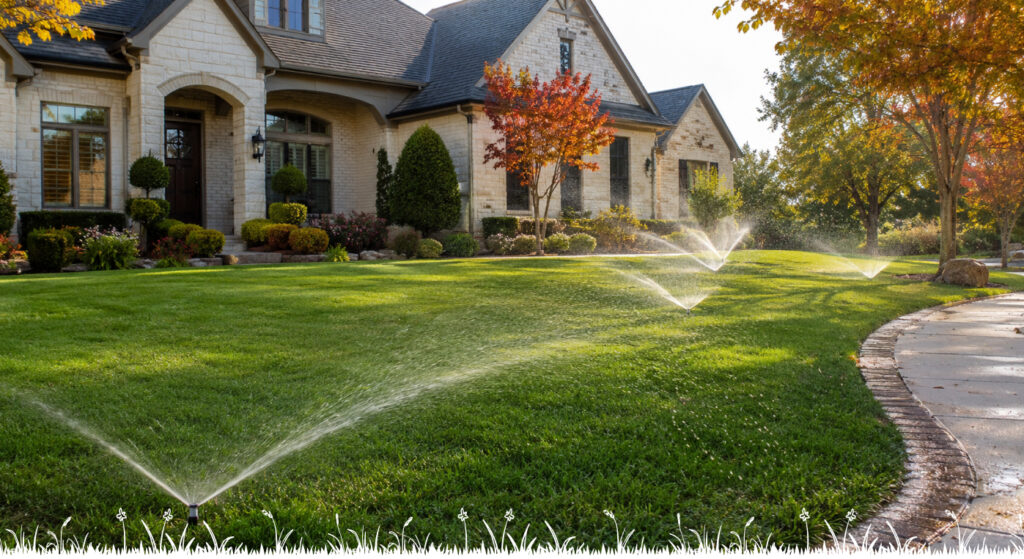
Fall is an important time for lawn and landscape care in North Texas. As temperatures begin to change, leaves and debris can accumulate across lawns and landscape beds, plants may need seasonal attention, and irrigation schedules often need adjustment. Taking care of these tasks before winter can help protect your outdoor space and make spring maintenance much easier. A dependable all seasons lawn service can help homeowners stay ahead of changing property needs rather than waiting until leaves, weeds, and overgrown landscaping become difficult to manage. Cameron’s Pro Lawn Services provides seasonal lawn and landscape care for homeowners and commercial properties throughout Lewisville and surrounding North Texas communities. Use this fall yard cleanup checklist to prepare your property for the cooler months ahead. Remove Fallen Leaves and Yard Debris Leaf removal is one of the most important fall cleanup tasks. A few leaves scattered across the lawn generally aren’t a problem, but thick layers can block sunlight and reduce airflow around the grass. Leaves can also trap moisture, particularly when they remain wet for extended periods. Fall cleanup should include removing: Regular cleanup keeps the property looking maintained while reducing unnecessary stress on the lawn. For homeowners who don’t have time to manage repeated seasonal cleanup, an all season cleaning service can make it easier to keep outdoor areas clean as conditions change. Continue Mowing While the Grass Is Growing Fall doesn’t automatically mean lawn mowing should stop. North Texas lawns may continue growing while temperatures remain favorable. Allowing grass to become excessively tall before winter can leave the property looking neglected and make later maintenance more difficult. Consistent mowing is an important part of an all seasons lawn service, helping your property maintain a clean and healthy appearance as conditions change throughout the year. Continue mowing based on actual grass growth rather than following a fixed calendar date. Avoid cutting too much of the grass blade at once. Consistent mowing helps maintain an even appearance and supports healthier turf as the growing season slows. For ongoing mowing and property care, explore our lawn maintenance services for residential and commercial properties in Lewisville. Clean and Refresh Landscape Beds Landscape beds can collect leaves, weeds, broken branches, and dead plant material throughout the season. Fall is a good opportunity to clean these areas before winter. Start by removing unwanted debris and weeds. Plants and shrubs should also be inspected for dead or damaged growth. Defined landscape-bed edges can make a significant visual difference as well. Even when plant growth slows, clean beds and crisp edges help the entire property maintain a professionally cared-for appearance. Property owners sometimes search for seasons four landscape & maintenance when looking for year-round landscape solutions. Regardless of the terminology used, the important goal is consistent care that adapts as your landscape changes throughout the year. Professional landscape maintenance can also help keep shrubs, planted areas, landscape beds, and other outdoor features properly maintained as seasonal conditions change. Address Weeds before winter Weed control shouldn’t automatically stop when summer ends. Some weeds continue growing during cooler weather, while others may establish themselves during fall and become more noticeable later. Inspect: Removing weeds before they spread can help maintain a cleaner property and reduce competition with desirable plants. A consistent maintenance routine is usually more effective than waiting until weeds have taken over a large area. Trim and Prune Where Appropriate Fall cleanup often includes trimming shrubs and removing dead or damaged growth. However, not every plant should be heavily pruned at the same time. Different plants have different growth and flowering cycles, so pruning should be based on the specific plant rather than simply cutting everything back during fall. General seasonal maintenance may include: Thoughtful trimming helps maintain a clean appearance without unnecessarily stressing plants. Check Your Irrigation System As temperatures decrease, your lawn and landscape may not require the same watering schedule used during the hottest part of summer. Adjusting watering habits is an important part of seasonal property care because your landscape’s needs change along with the weather. Continuing an aggressive summer watering schedule into cooler conditions may waste water and create excessively wet areas. Fall is a good time to inspect the irrigation system for: Adjusting irrigation based on seasonal conditions can help protect your lawn and landscape while reducing unnecessary water use. A properly maintained irrigation system also supports the other seasonal lawn and landscape maintenance performed throughout your property. Inspect the Lawn for Thin or Damaged Areas Once leaves and debris have been removed, take a closer look at the overall condition of your lawn. Seasonal cleanup provides a good opportunity to identify areas that may have been damaged by summer heat, heavy traffic, poor watering, or other lawn problems. Watch for: Identifying these problems during routine seasonal maintenance gives you time to determine what may be causing them before conditions become worse. Some lawn problems may be improved through better watering and consistent maintenance. However, if your property has widespread damage, large bare sections, or grass that is struggling to recover, professional sod installation may provide a faster way to restore a healthy, green lawn. Prepare Outdoor Areas for Cooler Weather Fall cleanup isn’t only about grass. Take time to walk around the entire property and inspect outdoor areas before colder weather arrives. Check: Removing debris and correcting small maintenance issues now can make the property easier to manage throughout winter. Professional season cleaning services can also help homeowners address multiple areas of the property as part of one coordinated seasonal cleanup. Don’t Forget Commercial Properties Seasonal cleanup is equally important for commercial properties. Leaves, debris, overgrown landscaping, and neglected beds can quickly affect the appearance visitors and customers see when arriving at a business. Regular seasonal maintenance can help keep: A consistent maintenance schedule can also prevent large cleanup projects from accumulating later. Why Fall Cleanup Matters in North Texas Seasonal cleanup isn’t simply about making the property look better for fall. It helps prepare lawns and landscapes for
Seasonal Services: Year-Round Lawn & Landscape Care in Lewisville, TX

Every season brings different challenges for your lawn and landscape. From spring growth and summer heat to falling leaves and winter dormancy, your property requires ongoing care to stay healthy and attractive. Professional seasonal services help homeowners and businesses maintain vibrant outdoor spaces throughout the year while preventing costly landscape problems. At Cameron’s Pro Lawn Services, we provide professional seasonal lawn and landscape care for homeowners and businesses throughout Lewisville and the surrounding North Texas communities. With the right maintenance at the right time, your lawn can remain healthy, your plants can thrive, and your property’s curb appeal can continue to improve every season. Why Seasonal Services Matter for Every Property Your lawn and landscape change with the weather. Grass grows rapidly in spring, experiences stress during the summer, requires cleanup in fall, and needs protection throughout winter. Ignoring these seasonal changes can lead to unhealthy turf, damaged plants, weed growth, and expensive repairs. Professional seasonal landscape services help protect your lawn, shrubs, flower beds, and outdoor spaces while keeping your property attractive throughout the year. Professional maintenance ensures every part of your landscape receives the care it needs before small problems become major issues. Spring: Preparing Your Lawn for Healthy Growth Spring is one of the most important times of the year for lawn care. As temperatures rise, grass begins actively growing again and landscapes need attention after winter. A professional spring maintenance visit may include: Investing in seasonal landscaping services during spring helps establish healthy growth that lasts throughout the rest of the year. Summer: Protecting Your Lawn from Heat Stress North Texas summers bring extreme temperatures that place significant stress on lawns and ornamental plants. Without proper care, grass may develop brown patches, weeds can spread rapidly, and shrubs may suffer from drought damage. Summer maintenance focuses on: A properly maintained lawn maintenance program helps your grass remain healthier even during extended periods of heat. Fall: Preparing Your Landscape for Cooler Weather Fall is the ideal season to prepare your property for winter while improving its appearance. Typical fall services include: Professional seasonal landscape maintenance during fall helps reduce disease, improves soil health, and prepares your lawn for strong spring growth. Winter: Protecting Your Property during Dormancy Although grass grows more slowly during winter, your landscape still requires attention. Winter services may include: Many homeowners also choose this season to schedule landscaping services that can be completed before active growing begins. Why Choose Cameron’s Pro Lawn Services Every property has different needs throughout the year. Our experienced team creates maintenance plans that match the changing seasons while keeping your lawn and landscape looking their best. When you work with Cameron’s Pro Lawn Services, you receive: Whether you need routine maintenance or complete seasonal cleanups, we help protect your investment while improving your property’s curb appeal. Learn More about Professional Lawn Care Seasonal maintenance works best when it’s performed consistently throughout the year. To better understand what your lawn needs each season, read our guide: The Complete Lawn Maintenance Calendar for North Texas Homeowners It explains the recommended lawn care schedule for every season and helps you keep your property healthy year-round. Frequently Asked Questions How often should seasonal lawn services be scheduled? Most properties benefit from professional service every season, with more frequent visits during the spring and summer growing months. What do seasonal landscape services include? Services may include mowing, trimming, mulching, leaf removal, cleanup, irrigation inspections, fertilization, and general landscape maintenance depending on the season. Is seasonal maintenance worth it? Yes. Regular maintenance helps prevent expensive repairs, improves curb appeal, and keeps your lawn and landscape healthy throughout the year. Do you provide seasonal services for commercial properties? Yes. Cameron’s Pro Lawn Services offers residential and commercial seasonal maintenance throughout Lewisville and surrounding North Texas communities. Keep Your Property Looking Great Every Season Every season presents new challenges for your lawn and landscape, but the right maintenance keeps your property healthy and beautiful all year long. Whether you need spring cleanups, summer lawn care, fall leaf removal, or winter property maintenance, Cameron’s Pro Lawn Services is ready to help. Contact us today to schedule professional seasonal care for your home or business.
