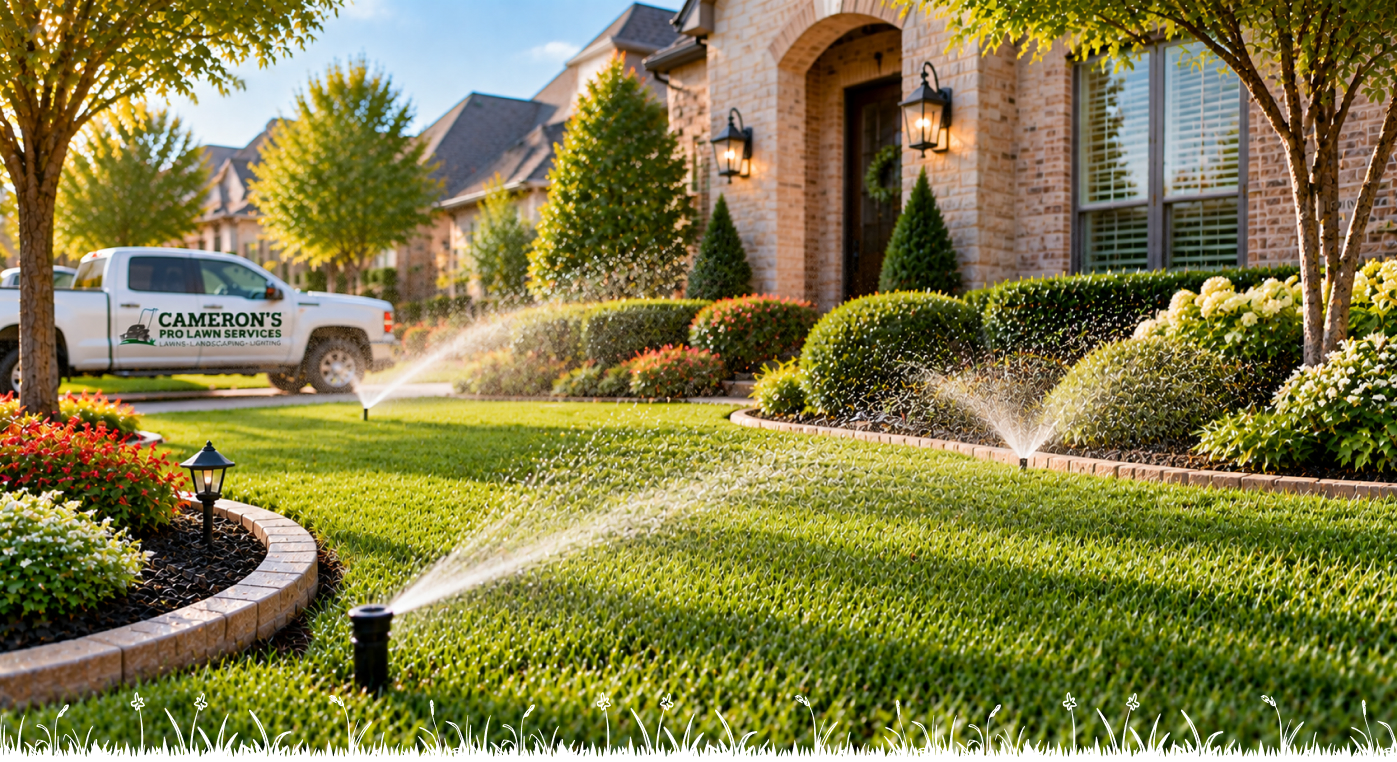
A sprinkler system should turn on according to its programmed schedule and shut off once the watering cycle is complete. When sprinklers continue running longer than expected—or simply refuse to stop—it can waste water, oversaturate parts of the lawn, and create unnecessary stress for your landscape.
The problem does not always mean the entire irrigation system has failed. Controller settings, valves, solenoids, wiring, or individual zones can all contribute to the issue. Regular irrigation maintenance services can help identify these problems before they lead to excessive watering or larger system repairs.
Here are some of the most common reasons a sprinkler system may continue running after it should have stopped.
Check the Irrigation Controller First
The controller is the starting point for diagnosing many sprinkler problems.
An incorrect watering schedule, multiple programmed start times, or accidentally activated manual watering cycle can make the system appear as though it never shuts off.
Check the controller for:
- Multiple start times
- Incorrect watering duration
- Manual watering mode
- Unexpected programs
- Seasonal schedule changes
- Incorrect day or time settings
If multiple programs are active, one watering cycle may begin shortly after another ends.
Before assuming there is a mechanical problem, review the complete controller schedule and make sure only the intended watering programs are active.
A Sprinkler Valve May Be Stuck Open
Sprinkler systems typically use valves to control water flowing to individual irrigation zones.
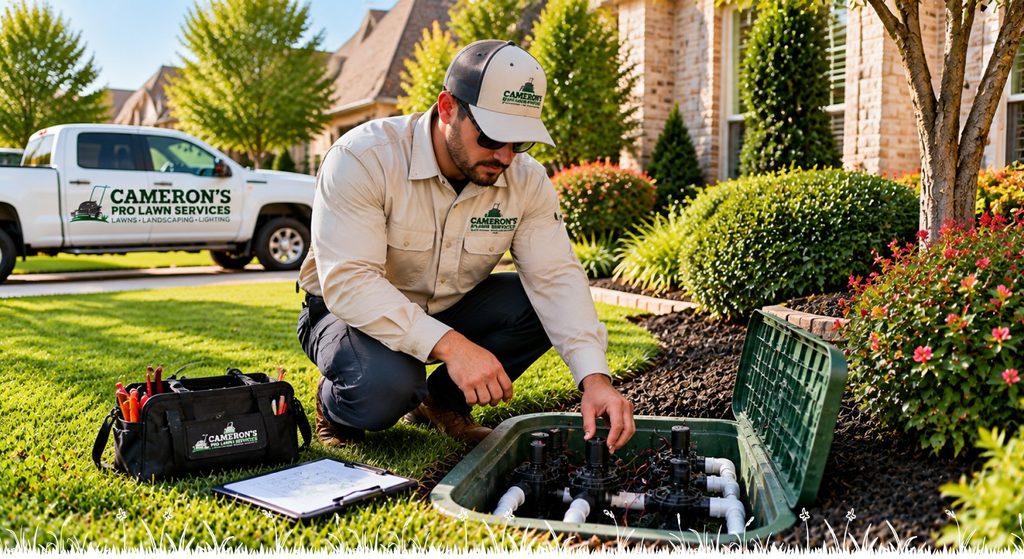
When a valve becomes stuck open, water may continue flowing even after the controller tells that zone to stop.
Dirt, debris, wear, or internal valve problems can interfere with normal operation. In some cases, one zone continues watering while the rest of the system behaves normally.
This is where the importance of irrigation maintenance services becomes clear. Periodic inspection can help identify valve and system problems before they result in prolonged watering or damage to surrounding lawn areas.
The Solenoid Could Be Causing the Problem
A solenoid is an electrical component that helps the irrigation controller operate a valve.
If the solenoid is damaged, incorrectly connected, or unable to operate properly, the valve may not respond as expected.
Possible signs of a valve or solenoid issue include:
- One zone refusing to shut off
- A zone failing to start
- Inconsistent zone operation
- Water continuing after the controller stops
- Problems affecting the same zone repeatedly
Because electrical and mechanical irrigation problems can produce similar symptoms, proper inspection is often necessary before replacing components.
Wiring Problems Can Affect Zone Control
The controller communicates with irrigation valves through electrical wiring.
Damaged, loose, deteriorated, or incorrectly connected wiring can prevent the system from operating normally. Outdoor wiring can also be affected by landscaping work, digging, moisture, age, or other property activity.
If the controller appears to be programmed correctly but individual zones behave unpredictably, the wiring may need to be inspected.
Choosing the best irrigation service for your property should involve more than checking sprinkler heads. The controller, valves, wiring, water coverage, and overall system operation should all be considered when diagnosing recurring irrigation problems.
A Valve May Have Been Left Manually Open
Some irrigation valves can be operated manually.
During maintenance, testing, or previous repair work, a valve may have been manually opened and not completely returned to its normal position.
This can allow water to continue flowing even when the controller is no longer actively running that zone.
If the issue started immediately after irrigation work or someone manually tested the system, checking the valve position may help identify the cause.
Avoid forcing unfamiliar irrigation components. Incorrect adjustments can make troubleshooting more difficult or potentially create another problem.
Too Much Water Can Affect Your Lawn
A sprinkler that continues running does more than increase water usage.
Excessive watering can leave parts of the lawn consistently wet and create noticeable differences in grass appearance and growth. Some sections may become softer or grow differently because they are receiving considerably more water than surrounding areas.
Professional lawn care and maintenance can help keep the property consistently maintained while irrigation problems are identified and corrected.
Uneven watering can also cause some sections of the lawn to grow faster or differently than others. We covered these issues in more detail in our recent guide, Why Does Your Lawn Grow Unevenly? 7 Common Causes in North Texas, where we explain how irrigation coverage, soil conditions, sunlight, and other factors can affect grass growth.
Landscape Changes Can Interfere With Irrigation
Your irrigation system operates within a landscape that changes over time.
Plants become larger, roots spread, beds are modified, and new landscape features may be installed. These changes can affect sprinkler heads, underground components, and watering coverage.
Routine landscaping services can help keep landscape areas maintained while making it easier to identify plants, beds, or other features that may be interfering with irrigation performance.
Whenever major landscaping changes are made, it is also worth checking nearby irrigation components afterward.
Why Regular Irrigation Checks Matter
Waiting until a sprinkler system completely fails can allow smaller problems to continue unnoticed.
Periodically running each zone makes it easier to spot unusual operation. Watch the sprinkler heads, check where the water lands, and confirm that every zone starts and stops when expected.
Also look for:
- Sprinklers running longer than programmed
- Water collecting in one area
- Weak or irregular spray patterns
- Zones that fail to shut off
- Water spraying onto sidewalks or driveways
- Unexplained wet areas after watering
These observations can provide useful clues when the irrigation system needs professional attention.
Protect Your Lawn with Consistent Maintenance
Irrigation and lawn maintenance work together.
Even a well-maintained lawn can struggle if some areas receive too much water while others receive too little. Similarly, a properly operating sprinkler system works best when grass and surrounding landscaping are regularly maintained.
Property owners searching for lawn maintenance Lewisville TX can turn to Cameron’s Pro Lawn Services for lawn maintenance, irrigation, landscaping, and seasonal property services throughout Lewisville and surrounding North Texas communities.
Frequently Asked Questions
Why won’t my sprinkler system turn off?
Common causes can include controller programming, a stuck valve, solenoid problems, wiring issues, or a valve that has been manually left open.
Why does only one sprinkler zone keep running?
When only one zone is affected, the problem may involve the valve, solenoid, wiring, or other components associated with that particular zone.
Can incorrect controller settings make sprinklers run too long?
Yes. Multiple start times, manual watering, or incorrect watering durations can cause the system to operate longer than intended.
Can an irrigation problem damage my lawn?
Excessive watering can leave parts of the lawn consistently wet and may contribute to uneven lawn conditions, drainage problems, and unnecessary water use.
How often should I inspect my sprinkler system?
Regularly running and observing each irrigation zone can help you identify changes in coverage, pressure, and operation before they become more noticeable problems.
Keep Your Irrigation System Working Properly
A sprinkler system that keeps running should not be ignored. The issue may be as simple as a controller setting or may involve valves, solenoids, wiring, or other irrigation components.
Checking the system early can help reduce unnecessary water use and protect the lawn and landscape from prolonged overwatering.
Cameron’s Pro Lawn Services provides professional irrigation, lawn maintenance, landscaping, and seasonal services throughout Lewisville and surrounding North Texas communities.

Cameron's Lawn Care Service
Explore helpful lawn care, landscaping, irrigation, sod installation, seasonal maintenance, and outdoor property care tips from our team.
See All Blog