
How to Prepare Your North Texas Irrigation System for winter
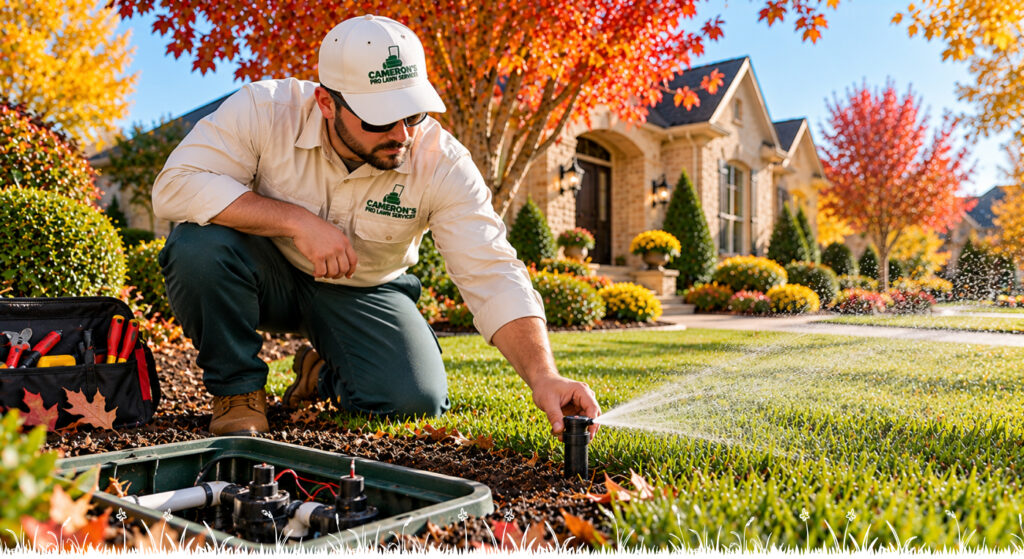
As October comes to an end, North Texas homeowners should begin thinking about how changing temperatures will affect their irrigation systems. The watering schedule that worked during the hottest part of summer may no longer be appropriate as temperatures cool and rainfall patterns change. Preparing an irrigation system for winter is not simply about turning the controller off. Homeowners should review watering needs, inspect sprinkler components, check exposed equipment, and make sure the system is ready before a hard freeze. North Texas Municipal Water District guidance changes to a winter watering schedule beginning November 1, when spray irrigation is limited to no more than one day per week, with less frequent watering often being sufficient depending on conditions. Why Winter Requires a Different Irrigation Approach Summer heat causes water to leave soil more quickly through evaporation and plant use. As temperatures fall, lawns and landscape plants generally require less supplemental irrigation. North Texas clay soils can also hold moisture for extended periods, meaning homeowners may not need to water as frequently during cooler weather. Instead of allowing the summer irrigation schedule to continue automatically, check recent rainfall, soil moisture, grass condition, and the current weather before running another cycle. The goal is to provide enough moisture when the landscape actually needs it without keeping the soil unnecessarily wet. Check the Soil before Watering One of the easiest ways to avoid unnecessary irrigation is to check the soil. Walk through several areas of the property and determine whether the soil is still holding moisture. If the soil is damp in the root zone and the lawn is not showing signs of stress, another irrigation cycle may not be necessary. This is particularly important after periods of fall rainfall. Watering simply because the controller says it is time can result in unnecessary runoff and excessive moisture. Review Your Irrigation Controller The irrigation controller should be one of the first things homeowners check before winter. Review the programmed days, start times, run times, and seasonal settings. If the system has a rain sensor or freeze sensor, make sure it is working correctly. A controller that continues running a summer schedule during cooler, wetter conditions can waste water and leave areas of the landscape excessively wet. Inspect Sprinkler Heads Fall is also a good time to inspect the physical condition of the irrigation system. Look for sprinkler heads that are: A damaged sprinkler head can cause one section of the property to receive too much water while another area remains dry. Run each zone and watch the spray pattern. Make sure water is reaching the intended lawn or landscape area rather than the driveway, sidewalk, street, or other hard surfaces. Check for Leaks and Unusual Water Flow Leaks can become easier to identify when the system is inspected before the winter season. Look for water pooling around sprinkler heads, valves, exposed pipes, or other irrigation components. Pay attention to zones that appear to lose pressure or take longer than usual to operate. A small irrigation problem may become more expensive if it remains unnoticed until spring. Professional irrigation services Lewisville TX can help homeowners identify leaks, damaged components, uneven coverage, and other system problems before they become larger maintenance issues. Protect Exposed Irrigation Components Freezing temperatures can damage irrigation components that contain trapped water. Texas A&M’s irrigation guidance recommends turning off the irrigation controller, shutting off the irrigation water supply, insulating exposed PVC piping, and draining above-ground irrigation components such as backflow prevention assemblies when preparing for freezing conditions. Homeowners should follow the requirements and design of their specific irrigation system rather than applying a generic winterization procedure. Do You Need to Blow Out the Entire System? This is an important question for North Texas homeowners. A compressed-air blowout is commonly associated with irrigation winterization in colder regions, but it is not automatically required for every North Texas irrigation system. The appropriate preparation depends on the system design, exposed components, drainage, pipe installation, and expected freezing conditions. Using compressed air incorrectly can also damage irrigation components. For homeowners who are unsure whether their system requires a more extensive winterization procedure, professional inspection is a safer option. Pay Attention to the Backflow Preventer The backflow prevention assembly deserves particular attention because it may contain water in above-ground components. Inspect the area for visible damage, leaks, exposed piping, or missing insulation. If freezing temperatures are expected, the system should be prepared according to the manufacturer’s requirements and the specific configuration of the irrigation system. Do not block vents, test points, or drainage components when protecting the equipment. Adjust Your Watering Schedule North Texas watering requirements change as winter approaches. The North Texas Municipal Water District’s winter schedule runs from November 1 through March 31 and limits spray irrigation to no more than one day per week. The district also notes that less frequent watering or no irrigation may often be sufficient depending on conditions. Local watering rules can vary, so homeowners should always check the requirements of their specific city or water provider. The most important point is to stop treating the summer schedule as a permanent setting. Watch the Weather before a Freeze North Texas weather can change quickly. A mild afternoon does not necessarily mean the following night will remain mild. Before a forecast freeze, check the irrigation controller and make sure the system will not automatically run during freezing conditions. Running sprinklers during freezing temperatures can create icy sidewalks and driveways in addition to exposing the irrigation system to unnecessary cold-weather operation. Keep Your Lawn and Irrigation Working Together Irrigation is only one part of seasonal lawn care. For homeowners looking for lawn maintenance Lewisville TX, regular mowing, edging, leaf removal, turf monitoring, and seasonal adjustments can make it easier to identify irrigation problems before they become serious. A healthy lawn also makes it easier to recognize areas that are receiving too much or too little water. Prepare the Rest of the Property for Winter Irrigation preparation works best when it is
How to Adjust Your Irrigation System for Fall in North Texas
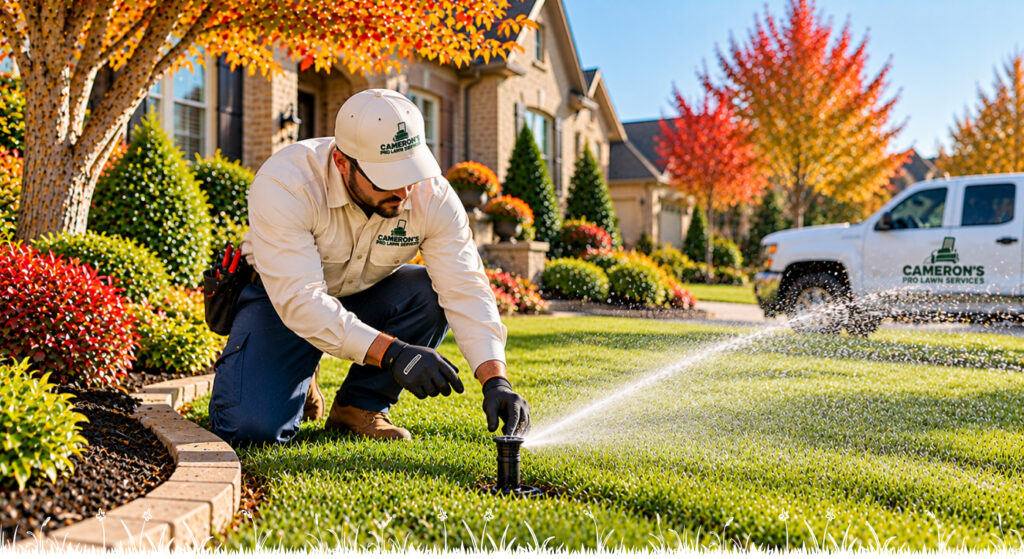
Irrigation system settings that worked during the hottest part of summer may not be appropriate once October arrives in North Texas. Cooler temperatures, shorter days, changing rainfall, and slower grass growth can all affect how much water your lawn and landscape actually need. Instead of continuing a summer watering routine automatically, homeowners should pay attention to current weather and soil conditions. Adjusting irrigation at the right time can help avoid unnecessary watering while still providing enough moisture for lawns, plants, and landscape beds. Why Fall Changes Your Watering Needs Summer heat causes water to leave the soil more quickly through evaporation and plant use. As temperatures begin to fall, that demand generally decreases. This means a watering schedule that was useful during July or August may provide more water than the landscape needs in October. North Texas Municipal Water District guidance also changes between the summer and winter watering periods. During November through March, spray irrigation is limited to no more than one day per week, with less frequent watering often being sufficient depending on conditions. The important point is that homeowners should not simply leave their summer controller settings running indefinitely. Reduce Watering as Temperatures Cool One of the first adjustments to consider is watering frequency. As fall progresses, lawns generally lose less moisture than they do during the hottest summer weeks. If rainfall is occurring regularly, the need for supplemental irrigation can decrease even further. However, reducing watering does not mean automatically shutting the system off. A lawn that is still actively growing or experiencing dry conditions may continue to need supplemental moisture. Recent North Texas guidance emphasizes watering according to actual need rather than relying on a fixed summer schedule. Check the Soil Before Running Sprinklers Looking at the lawn alone does not always tell you whether irrigation is necessary. Before turning on your sprinklers, check the soil moisture in several areas of the property. If the soil is still holding adequate moisture from recent rainfall or previous irrigation, another cycle may not be necessary. North Texas clay soils can also retain significant amounts of water. The North Texas Municipal Water District notes that local clay soils absorb water slowly and can hold moisture for extended periods. Checking the soil can therefore help homeowners avoid watering simply because the controller says it is time. Pay Attention to Rainfall Fall rainfall can significantly change irrigation requirements. If the property receives meaningful rainfall, automatic irrigation may become unnecessary for that period. Running sprinklers immediately after rain can waste water and leave soil unnecessarily wet. Some modern irrigation controllers include rain sensors or weather-based adjustments that can help prevent unnecessary watering. Even with these features, homeowners should periodically inspect their system and make sure the controller is responding correctly. Inspect Sprinkler Heads Before Winter Fall is also a useful time to inspect the physical condition of an irrigation system. Look for sprinkler heads that are: A damaged sprinkler head can affect one section of the lawn while the rest of the property receives normal coverage. This can create dry areas on one side and excessive moisture on another. Water Early When Irrigation Is Needed When supplemental watering is necessary, the time of day matters. North Texas municipalities commonly restrict automatic spray irrigation during daytime hours because watering during hotter parts of the day can increase evaporation and reduce efficiency. Early-morning watering is generally a practical option because temperatures are lower and wind conditions may be more favorable. Homeowners should also follow the watering rules that apply to their specific city or water provider. Avoid Overwatering Your Lawn More water does not automatically mean a healthier lawn. Overwatering can leave the soil excessively wet and may contribute to lawn and plant problems. Recent North Texas irrigation guidance specifically warns that overwatering becomes more common as fall progresses because homeowners sometimes continue using summer schedules after conditions have changed. Instead of focusing on running the sprinkler for a certain number of minutes simply because that is what the controller has always done, look at the lawn, soil, rainfall, and weather conditions. Watch Areas With Different Sun Exposure Not every section of a property dries at the same rate. A lawn receiving direct afternoon sunlight may lose moisture faster than an area shaded by mature trees. Landscape beds may also have different moisture requirements than open turf. This means one fixed watering approach may not work equally well across the entire property. Check areas individually when possible and pay attention to sections that repeatedly appear unusually dry or wet. Make Sure Water Is Reaching the Right Areas An irrigation system should deliver water where it is needed. Sprinklers that spray sidewalks, driveways, fences, or other hard surfaces waste water without benefiting the landscape. Misaligned heads can also leave portions of the lawn dry. Walk through the property while the system is running and observe the spray pattern. If water is missing sections of turf or overspraying hard surfaces, adjustments may be needed. Consider Your Landscape Plants Grass is not the only part of your property affected by irrigation. Shrubs, flowers, trees, ground cover, and other landscape plants can have different watering requirements. A mature tree, for example, may not need the same frequent shallow watering approach as a small planting bed. Understanding the landscape as a complete system can help homeowners make better decisions about irrigation. This is particularly important during seasonal transitions when plant growth and water demand change. Don’t Forget About Landscape Maintenance Irrigation works together with other parts of property care. Overgrown grass can hide sprinkler heads. Leaves and debris can collect around landscape areas, while poorly maintained beds can make it harder to identify irrigation problems. Regular landscape maintenance can help keep these areas organized and make irrigation inspections easier. Adjust Irrigation as Fall Progresses October should not necessarily be treated as one fixed watering period. Weather can change from week to week. A stretch of warm, dry weather may increase watering needs, while rainfall and cooler temperatures
How to Adjust Your Lawn Watering Schedule in October in North Texas
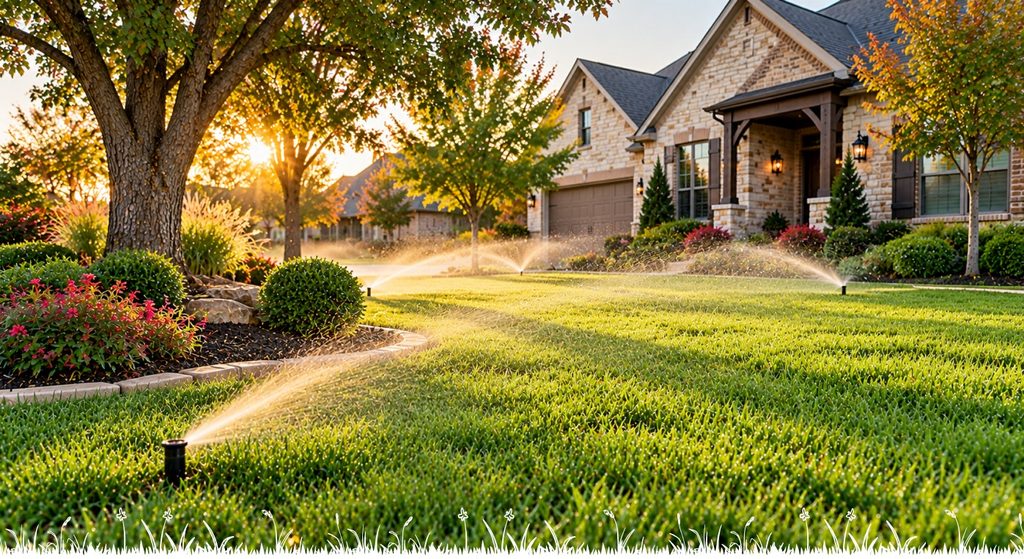
October brings a noticeable change to North Texas lawns. As temperatures begin to cool and days become shorter, grass generally does not require the same watering routine it needed during the hottest part of summer. Continuing a summer watering schedule without making adjustments can lead to unnecessary water use and overly wet soil. On the other hand, reducing irrigation too much can leave turf stressed if dry conditions continue. For homeowners, understanding how weather, soil, grass type, and rainfall affect watering can make seasonal lawn care more effective. A properly adjusted watering routine can help maintain healthier turf while avoiding unnecessary irrigation. For homeowners who need professional lawn irrigation services, evaluating the property’s actual watering needs is an important first step. Why October Requires a Different Watering Approach Summer heat can significantly increase how quickly moisture leaves the lawn and soil. By October, cooler temperatures and changing weather conditions can reduce moisture loss. This does not mean every lawn should immediately stop receiving regular irrigation. Instead, homeowners should evaluate the condition of the turf and soil before making changes. Recent rainfall, sunlight exposure, grass type, soil conditions, and the property’s drainage can all influence how much supplemental water is actually needed. A seasonal adjustment should therefore be based on conditions rather than simply changing the controller because the calendar has reached October. Reduce Watering as Temperatures Cool As temperatures decline, lawns typically lose moisture more slowly than they do during the peak of summer. Homeowners can begin reviewing whether their irrigation system is still running at the same frequency used during the hottest months. Rather than making a major reduction all at once, monitor the turf and soil. If the lawn remains healthy and the soil retains adequate moisture, watering frequency may be reduced gradually. This can help avoid unnecessary irrigation while still providing enough moisture for the lawn during the seasonal transition. Check Soil Moisture Before Watering The condition of the soil can provide useful information about whether irrigation is actually necessary. If moisture is still present in the root zone, another irrigation cycle may not be needed immediately. Conversely, dry soil combined with visible turf stress may indicate that supplemental watering is appropriate. Checking the soil can be more useful than simply allowing a fixed schedule to run without considering current conditions. This is particularly important during October because rainfall and temperatures can change quickly in North Texas. Pay Attention to October Rainfall North Texas weather can vary considerably during the fall. A period of meaningful rainfall may provide sufficient moisture for the lawn, while several dry days or weeks can increase the need for supplemental irrigation. Homeowners should therefore consider recent rainfall before allowing the irrigation system to operate at its normal summer frequency. If the property uses an automatic controller, reviewing its seasonal settings can help ensure that irrigation is responding appropriately to changing conditions. Water According to the Lawn’s Actual Needs A good watering routine should focus on providing appropriate moisture rather than simply running sprinklers frequently. The exact frequency can vary depending on grass type, soil, sunlight, rainfall, and the overall condition of the property. Homeowners should also watch for signs that water is being applied faster than the soil can absorb it. If water begins flowing across sidewalks, driveways, or other hard surfaces, the application may be too heavy for the soil to absorb efficiently. Watch for Signs of Overwatering More water is not necessarily better for turf. Consistently saturated soil, standing water, runoff, or areas that remain excessively wet can indicate that an irrigation schedule needs to be reviewed. Overwatering can also make it more difficult to determine whether other lawn problems are caused by moisture, soil, drainage, or another issue. Instead of automatically adding more watering cycles, homeowners should identify what is actually causing the lawn to appear stressed. Different Areas May Need Different Amounts of Water Not every section of a property experiences the same growing conditions. Open lawn areas exposed to direct sunlight may dry faster than turf beneath trees or beside structures. Sloped areas may also behave differently from flat sections. Because of these differences, one watering routine may not always provide ideal conditions throughout the entire property. Dividing irrigation into appropriate zones can help deliver water according to the specific needs of different lawn and landscape areas. Check Sprinkler Coverage Uneven irrigation coverage can create a lawn where some areas remain dry while others receive excessive moisture. Homeowners should look for sections that consistently appear much greener or noticeably drier than surrounding turf. Broken sprinkler heads, clogged nozzles, poor positioning, leaks, or incorrect spray patterns can all contribute to uneven watering. An irrigation inspection can help identify whether the problem is actually related to the watering system rather than the amount of water being scheduled. Consider Your Grass Type Grass variety can also influence how a lawn responds to seasonal changes. Bermuda, Zoysia, and St. Augustine have different characteristics and may respond differently to changes in temperature, sunlight, and moisture. The grass type should therefore be considered when adjusting an irrigation schedule rather than treating every lawn exactly the same. Our recent guide comparing Bermuda, Zoysia, and St. Augustine explains some of the factors Lewisville homeowners should consider when choosing turf for different property conditions. October Is a Good Time to Inspect the Irrigation System Seasonal changes provide a useful opportunity to inspect the condition of an irrigation system. Homeowners can check for: Addressing these problems can improve water distribution and make the system more efficient during changing seasonal conditions. Avoid Automatically Watering During the Day The timing of irrigation can also affect how efficiently water is used. Watering during the strongest daytime heat can increase moisture loss before the lawn has an opportunity to benefit fully from the applied water. Early morning is often a practical time for irrigation because temperatures are generally cooler and there is less immediate heat stress. Homeowners should still consider weather, local watering requirements, and the actual needs of their
Why Is Water Running Off Your Lawn Instead of Soaking Into the Soil?
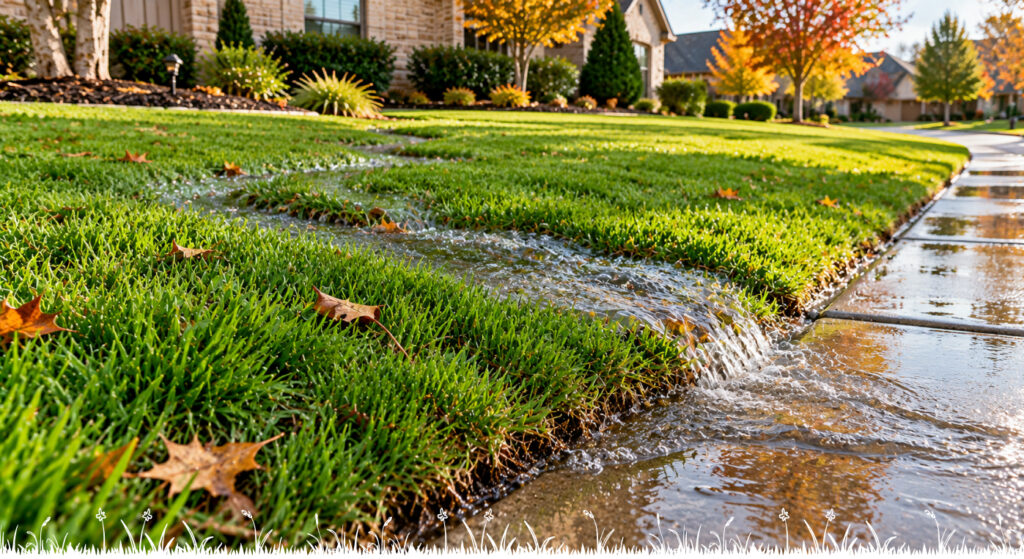
You may be watering your lawn regularly and still notice water flowing toward the sidewalk, driveway, or street instead of soaking into the ground. This can be frustrating because the lawn may remain dry even though plenty of water appears to be reaching the property. In North Texas, soil conditions, compaction, slopes, watering duration, and irrigation setup can all affect how quickly water enters the ground. Understanding why runoff occurs can help homeowners use water more efficiently and identify whether adjustments or an irrigation startup service may be needed. North Texas Clay Soil Can Absorb Water Slowly Soil type is one of the first things to consider when water repeatedly runs off a lawn. Many North Texas properties have soil with a high clay content, which can behave differently from loose, sandy soil. When the surface is dry and compacted, water may enter the ground slowly. If water is applied faster than the soil can absorb it, the excess begins moving across the surface. This does not necessarily mean the lawn needs more water. In some cases, applying even more water at once simply creates additional runoff. The goal should be to give moisture enough time to move into the soil rather than allowing large amounts of water to collect on the surface. Compacted Soil Can Make the Problem Worse Clay soil and compaction are not exactly the same issue, but they can create similar symptoms. Foot traffic, lawn equipment, construction activity, and regular use of the yard can gradually compress the soil. When soil particles become tightly packed together, water and air may have more difficulty moving through the surface. You may notice water collecting in certain areas while nearby sections absorb it more effectively. Regular lawn care can help homeowners identify these problem areas before they become more noticeable. Consistent lawn maintenance services can also make it easier to monitor turf condition, mowing patterns, thin areas, and other signs of lawn stress. Water May Be Applied Faster Than the Ground Can Absorb It Long watering periods are not always the most efficient approach, particularly where soil absorbs moisture slowly. Imagine pouring a large amount of water onto a hard surface all at once. Once the surface can no longer accept the water quickly enough, the excess has to move somewhere else. A similar situation can occur in the lawn. Shorter watering periods separated by soaking time may allow moisture to penetrate more gradually. This approach is sometimes referred to as cycle-and-soak watering. The appropriate schedule depends on soil conditions, turf type, weather, slope, and other property-specific factors. If the system has been inactive or needs seasonal adjustment, an irrigation startup service can help homeowners evaluate operation and watering coverage before relying on the system for regular lawn watering. Sloped Lawns Are More Vulnerable to Runoff Even a properly watered lawn may experience runoff if the property has a noticeable slope. Gravity naturally moves water downhill. If the soil cannot absorb moisture quickly enough, water may travel toward lower sections of the yard before it has time to reach the root zone. Homeowners may notice the upper section of a slope becoming dry while the bottom remains consistently wet. Landscape design can influence this problem as well. Soil levels, landscape beds, edging, grading, and other features can change how water moves across a property. Our recent guide, Why Drainage Should Be Planned before You Redesign Your Landscape, explains why water movement should be considered before major landscape improvements are installed. Uneven Irrigation Coverage Can Concentrate Too Much Water Runoff does not always occur evenly across an entire lawn. Sometimes it develops in only one or two sections. This can happen when irrigation coverage overlaps heavily in one area while another part of the lawn receives less water. The oversaturated section may begin producing runoff before the rest of the lawn has received enough moisture. Changes to the property can also affect coverage. New landscape beds, sod, plants, walkways, or other improvements may alter the watering needs of different areas. A professional irrigation installation should consider lawn layout, landscape areas, water distribution, and property conditions so that the system is designed around the actual space rather than applying water without regard to individual zones. Landscape Changes Can Redirect Water Homeowners sometimes notice new runoff after making landscape improvements. Raised beds, additional soil, new edging, hardscape, sod, and changes to grading can redirect water from its previous path. A section that drained normally before a project may begin sending water toward the lawn or another low area afterward. This is why irrigation, landscaping, and drainage should not always be treated as completely separate parts of a property. Before making significant outdoor changes, consider where rainfall and irrigation water currently travel and how the proposed design might alter that path. Professional landscape services can take existing grades, beds, lawn areas, and water movement into account when planning property improvements. More Water Is Not Always the Solution When grass looks dry, the natural reaction may be to increase watering time. However, if water is already running off the lawn, increasing the duration may simply waste more water. The important question is whether moisture is actually reaching the soil where turf roots can use it. Homeowners can watch for several clues, including water flowing onto pavement, puddles remaining after watering, consistently wet low areas, and dry sections that remain stressed despite regular irrigation. Adjustments should be based on the cause of the problem rather than automatically increasing the amount of water being applied. Watch How Your Lawn Responds Throughout the Year North Texas lawns experience significant seasonal changes. Summer heat can increase water demand, while cooler temperatures and rainfall may reduce how much supplemental watering is necessary. A schedule that worked during one part of the year may not be appropriate throughout every season. Soil moisture, rainfall, turf condition, temperature, and signs of runoff should all be considered when evaluating lawn watering. For homeowners looking for lawn maintenance Lewisville TX, combining consistent lawn
How Much Water Does Your North Texas Lawn Actually Need?
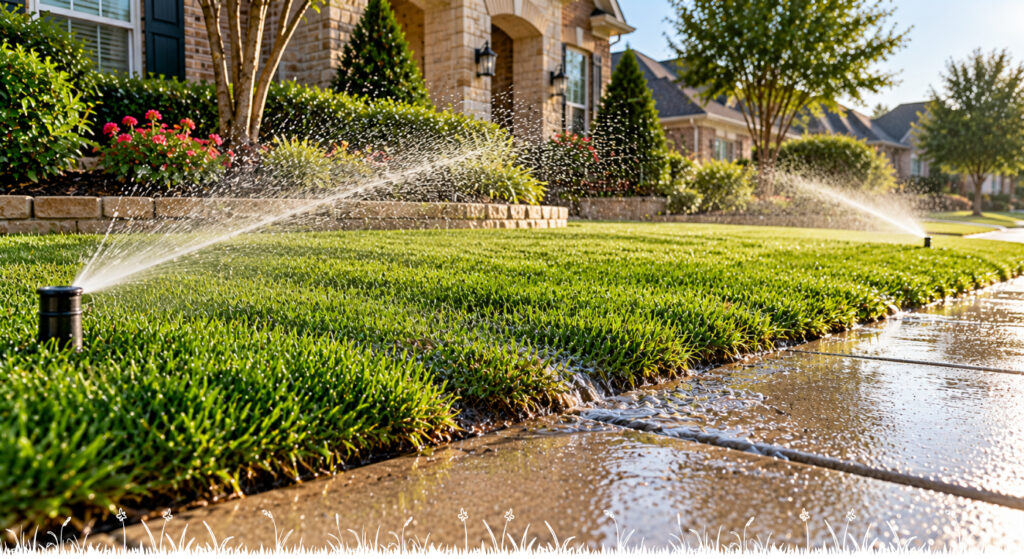
Keeping a lawn green in North Texas does not necessarily mean watering it every day. In fact, watering too frequently can create problems just as easily as not watering enough. High summer temperatures, changing rainfall, soil conditions, grass type, shade, and the efficiency of your irrigation system all influence how much water a lawn actually needs. The goal is not simply to run the sprinklers more often. A better approach is to make sure water reaches the root zone efficiently without creating unnecessary runoff, consistently wet soil, or dry sections. Combining professional irrigation and lawn service can also make it easier to evaluate both sides of the problem: how water is being delivered and how the grass is responding. There Is No Single Watering Schedule for Every Lawn Two homes on the same street can have different watering requirements. One property may receive full sun throughout the day, while another has significant tree coverage. Soil drainage, grass type, slope, irrigation design, and recent rainfall can also change how quickly a lawn dries. This is why copying a neighbor’s sprinkler schedule may not produce the same results. Instead, homeowners should look at how their own lawn responds between watering cycles and adjust irrigation accordingly. Deep Watering Can Be More Useful Than Frequent Light Watering Running an irrigation system for a short period every day may wet the surface without delivering enough moisture deeper into the soil. When conditions allow, deeper and less frequent watering can encourage moisture to reach farther into the root zone. However, simply increasing sprinkler runtime is not always the answer. If the soil cannot absorb water quickly enough, longer watering cycles can result in runoff instead of deeper watering. A professional irrigation service and repair can help identify coverage, pressure, controller, sprinkler-head, or system issues that may prevent water from reaching the lawn efficiently. North Texas Soil Can Change How You Should Water Soil conditions matter because they influence how quickly water enters and moves through the ground. When soil absorbs water slowly, applying too much at once can cause water to collect on the surface or move toward sidewalks, driveways, and streets. In these situations, dividing watering into shorter cycles with time between them may allow more moisture to soak into the ground instead of running away from the lawn. The objective should be efficient absorption rather than simply increasing total sprinkler runtime. Watch the Lawn Instead of Relying Only on the Controller An automatic controller is useful, but the lawn itself can provide important information. Grass that repeatedly looks dry, loses color, or struggles in the same locations may not be receiving water effectively. On the other hand, constantly wet soil, standing water, or unusually soft areas can indicate excessive watering or another irrigation issue. Regular lawn maintenance services can make these changes easier to notice because the condition of the turf is being observed consistently rather than only when a serious problem develops. Rainfall Should Change Your Irrigation Routine One of the easiest ways to waste water is allowing the irrigation system to follow the same schedule regardless of recent weather. After meaningful rainfall, the soil may already contain enough moisture for the lawn. Continuing the normal irrigation schedule immediately afterward can result in unnecessary watering. North Texas weather can change quickly, so irrigation schedules should not always remain identical throughout the entire season. Homeowners should consider recent rainfall, current temperatures, and visible lawn conditions when deciding whether additional watering is necessary. Morning Is Usually a Practical Time to Water Timing can affect how efficiently irrigation water is used. Watering during the hotter part of the day can increase evaporation. Watering when temperatures are lower generally gives moisture more opportunity to reach the soil before intense daytime heat arrives. Early watering also gives homeowners an opportunity to observe the system occasionally and identify unusual spray patterns, damaged components, or water flowing where it should not. The most important point is consistency and efficiency rather than assuming that simply adding more watering time will improve the lawn. Uneven Coverage Can Make Your Watering Schedule Misleading Imagine that most of the lawn receives adequate water, but one section consistently receives less. Increasing the watering time for the entire system may give the healthy areas more water while the original dry section still struggles. The real issue may be sprinkler placement, spray pattern, pressure, obstruction, or another coverage problem. This is where irrigation and turf care should be considered together. A healthy-looking landscape depends not only on how long the sprinklers run but also on where the water actually goes. Professional landscaping services can also help maintain surrounding beds, shrubs, and landscape areas whose watering requirements may differ from those of the lawn. More Water Is Not Always Better for Your Lawn When grass begins looking stressed, increasing sprinkler runtime can seem like the obvious solution. But appearance alone does not prove that the lawn needs more water. Our recent guide, Why Does Your Lawn Have Bare Spots? 7 Common Causes in North Texas, explains that irrigation is only one possible cause of poor turf growth. Compacted soil, traffic, shade, mowing practices, and seasonal stress can also contribute to thin or bare areas. That is why identifying the cause is more useful than automatically increasing watering. Adjust Watering as Conditions Change A schedule that works during one part of the year may not be appropriate throughout every season. Temperature, rainfall, daylight, grass growth, and soil moisture can all change. Periodically reviewing the irrigation schedule can help prevent unnecessary watering while still supporting healthy turf. Seasonal changes can also affect the rest of the property. Professional seasonal services can help keep lawns and landscapes maintained as outdoor conditions change throughout the year. Irrigation and Lawn Health Should Be Evaluated Together A sprinkler system can appear to be running correctly while the lawn still develops dry areas. Likewise, stressed grass does not automatically mean the irrigation system is malfunctioning. Looking at sprinkler coverage, soil conditions, lawn appearance, weather,
Why Are Your Sprinkler Heads Not Popping Up Properly?
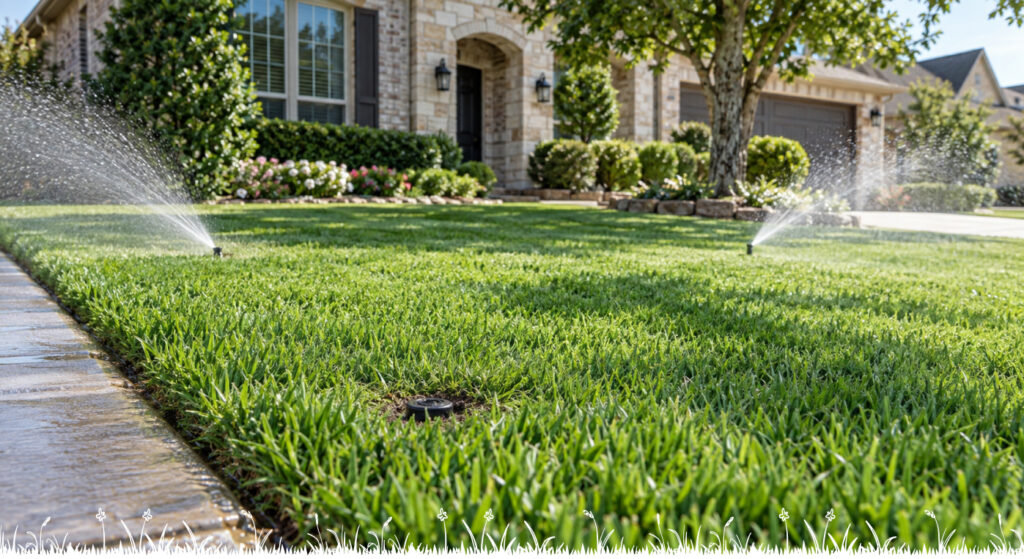
A properly working sprinkler system should provide consistent water coverage across your lawn and landscape. When one or more sprinkler heads fail to pop up completely, however, certain sections of the property may receive less water than others. The problem can be caused by something as simple as dirt around the sprinkler head or by a larger issue involving water pressure, valves, leaks, or damaged components. Professional irrigation systems service can help identify why sprinkler heads are not operating correctly before uneven watering begins affecting the lawn. Here are seven common problems to check when sprinkler heads are not popping up properly. Dirt or Debris May Be Blocking the Sprinkler Head Sprinkler heads sit close to ground level, making them vulnerable to dirt, grass clippings, mulch, and other debris. Over time, material can accumulate around the sprinkler body and prevent it from rising completely when the irrigation zone turns on. Check around the affected sprinkler for: Carefully clearing obvious debris may help, but repeated problems can indicate that the sprinkler needs further inspection. Low Water Pressure Can Affect Multiple Heads Sprinkler heads rely on adequate water pressure to rise and distribute water correctly. When pressure is too low, a sprinkler may only rise partially or several heads within the same zone may operate weakly. Possible signs of a pressure-related issue include: Professional full service irrigation should consider the entire system—including sprinkler heads, valves, pressure, coverage, and potential leaks—rather than focusing only on the visible problem. The Sprinkler Head May Be Damaged Sprinkler heads can become damaged through normal lawn activity. Lawn mowers, edging equipment, foot traffic, vehicles, or landscaping work can crack or shift components. A damaged sprinkler may leak, spray incorrectly, or fail to rise when the system starts. Look for visible signs such as: Replacing or adjusting a damaged component may be necessary to restore proper operation. A Valve Problem May Reduce Water Flow Irrigation valves control water flowing to individual sprinkler zones. If a valve does not open completely, the affected zone may receive insufficient water pressure. As a result, sprinkler heads may rise only partially or fail to operate normally. If every sprinkler in one particular zone appears weak while other zones work correctly, the valve may be one area worth inspecting. Valve problems can involve debris, wear, electrical components, or other system conditions, so diagnosing the issue may require more than simply adjusting sprinkler heads. An Underground Leak Could Be Reducing Pressure Not every irrigation leak is immediately visible. A damaged underground line can allow water to escape before it reaches the sprinkler heads. This may reduce pressure and prevent some sprinklers from rising properly. Watch for: Leaks can also contribute to uneven lawn conditions when certain areas receive too much water while others receive too little. Professional lawn maintenance services can make it easier to notice recurring wet, dry, or thin areas while the property is being routinely maintained. Grass and Landscaping Can Interfere With Sprinklers As lawns, shrubs, and landscape plants grow, they can begin interfering with irrigation components. Grass may grow over low sprinkler heads, while expanding landscape beds or plants can block spray patterns that previously worked correctly. Regular landscaping services can help keep beds, shrubs, edges, and surrounding growth maintained so irrigation components remain easier to inspect and access. Whenever landscaping is changed, it is also worth checking whether nearby sprinkler heads still provide appropriate coverage. The Sprinkler Head May Be Sitting Too Low Changes in soil level, lawn growth, or previous installation can leave a sprinkler head sitting below the surrounding grass. Even when the sprinkler rises, surrounding turf may prevent it from extending properly or distributing water across the intended area. Compare the problem sprinkler with nearby heads. If it appears noticeably lower than the surrounding lawn, its position may be contributing to the issue. Avoid pulling or forcing the sprinkler upward without understanding how it is connected underground, as this could damage the fitting or irrigation line. Sprinkler Problems Can Affect Lawn Appearance A sprinkler head that does not rise properly may seem like a small problem, but poor coverage can eventually become visible in the lawn. Sections receiving less water may appear thinner, drier, or less consistent than surrounding grass. In our recent guide, Why Does Your Lawn Look Thin Even After Regular Mowing?, we explain how irrigation coverage, soil conditions, sunlight, foot traffic, and other factors can contribute to thin grass even when mowing is consistent. Checking sprinkler performance can therefore be an important part of diagnosing recurring lawn problems. Check Your Irrigation System Regularly You do not have to wait until a sprinkler completely stops working before inspecting the system. Periodically run each irrigation zone and observe how the sprinkler heads operate. Make sure they rise properly, spray in the intended direction, and provide reasonable coverage without excessive runoff. Homeowners searching for lawn maintenance Lewisville TX can turn to Cameron’s Pro Lawn Services for professional irrigation, lawn maintenance, landscaping, sod installation, and seasonal services throughout Lewisville and surrounding North Texas communities. Frequently Asked Questions Why is my sprinkler head only coming halfway up? Low water pressure, debris, damage, or the position of the sprinkler head can prevent it from rising completely. Why are several sprinkler heads not popping up? If multiple heads in the same zone are affected, check for pressure problems, valve issues, or an underground leak. Can grass stop a sprinkler from popping up? Yes. Thick grass, soil, or debris around a low sprinkler head can interfere with normal movement. Can a leaking irrigation line cause low sprinkler pressure? Yes. Water escaping through a damaged line can reduce the pressure available to sprinkler heads farther along the system. Should I check every sprinkler zone separately? Yes. Running zones individually can make it easier to identify whether the problem affects one sprinkler, one zone, or multiple parts of the system. Keep Your Sprinkler System Working Properly Sprinkler heads that fail to pop up can lead to inconsistent watering and make it harder
Why Does Your Sprinkler System Keep Running After It Should Stop?
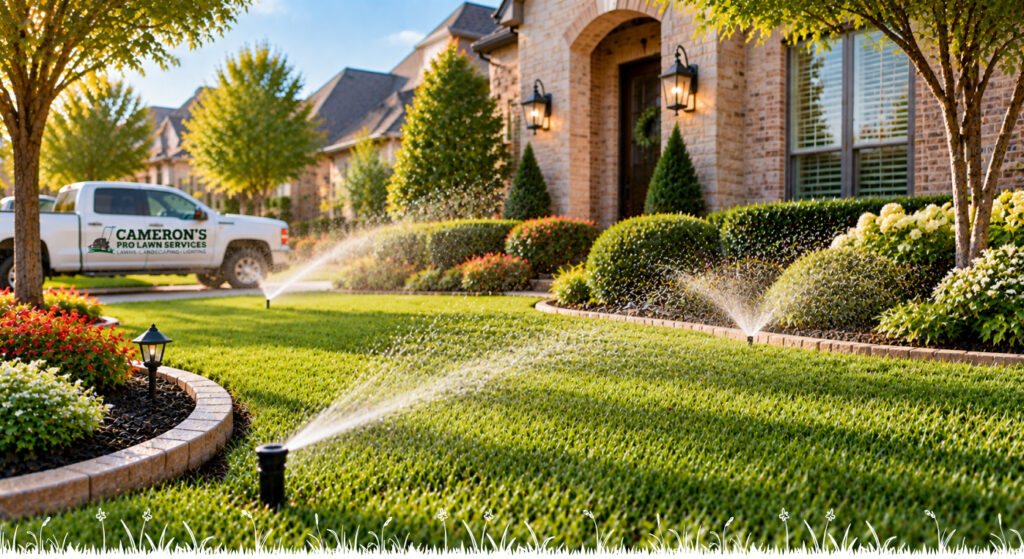
A sprinkler system should turn on according to its programmed schedule and shut off once the watering cycle is complete. When sprinklers continue running longer than expected—or simply refuse to stop—it can waste water, oversaturate parts of the lawn, and create unnecessary stress for your landscape. The problem does not always mean the entire irrigation system has failed. Controller settings, valves, solenoids, wiring, or individual zones can all contribute to the issue. Regular irrigation maintenance services can help identify these problems before they lead to excessive watering or larger system repairs. Here are some of the most common reasons a sprinkler system may continue running after it should have stopped. Check the Irrigation Controller First The controller is the starting point for diagnosing many sprinkler problems. An incorrect watering schedule, multiple programmed start times, or accidentally activated manual watering cycle can make the system appear as though it never shuts off. Check the controller for: If multiple programs are active, one watering cycle may begin shortly after another ends. Before assuming there is a mechanical problem, review the complete controller schedule and make sure only the intended watering programs are active. A Sprinkler Valve May Be Stuck Open Sprinkler systems typically use valves to control water flowing to individual irrigation zones. When a valve becomes stuck open, water may continue flowing even after the controller tells that zone to stop. Dirt, debris, wear, or internal valve problems can interfere with normal operation. In some cases, one zone continues watering while the rest of the system behaves normally. This is where the importance of irrigation maintenance services becomes clear. Periodic inspection can help identify valve and system problems before they result in prolonged watering or damage to surrounding lawn areas. The Solenoid Could Be Causing the Problem A solenoid is an electrical component that helps the irrigation controller operate a valve. If the solenoid is damaged, incorrectly connected, or unable to operate properly, the valve may not respond as expected. Possible signs of a valve or solenoid issue include: Because electrical and mechanical irrigation problems can produce similar symptoms, proper inspection is often necessary before replacing components. Wiring Problems Can Affect Zone Control The controller communicates with irrigation valves through electrical wiring. Damaged, loose, deteriorated, or incorrectly connected wiring can prevent the system from operating normally. Outdoor wiring can also be affected by landscaping work, digging, moisture, age, or other property activity. If the controller appears to be programmed correctly but individual zones behave unpredictably, the wiring may need to be inspected. Choosing the best irrigation service for your property should involve more than checking sprinkler heads. The controller, valves, wiring, water coverage, and overall system operation should all be considered when diagnosing recurring irrigation problems. A Valve May Have Been Left Manually Open Some irrigation valves can be operated manually. During maintenance, testing, or previous repair work, a valve may have been manually opened and not completely returned to its normal position. This can allow water to continue flowing even when the controller is no longer actively running that zone. If the issue started immediately after irrigation work or someone manually tested the system, checking the valve position may help identify the cause. Avoid forcing unfamiliar irrigation components. Incorrect adjustments can make troubleshooting more difficult or potentially create another problem. Too Much Water Can Affect Your Lawn A sprinkler that continues running does more than increase water usage. Excessive watering can leave parts of the lawn consistently wet and create noticeable differences in grass appearance and growth. Some sections may become softer or grow differently because they are receiving considerably more water than surrounding areas. Professional lawn care and maintenance can help keep the property consistently maintained while irrigation problems are identified and corrected. Uneven watering can also cause some sections of the lawn to grow faster or differently than others. We covered these issues in more detail in our recent guide, Why Does Your Lawn Grow Unevenly? 7 Common Causes in North Texas, where we explain how irrigation coverage, soil conditions, sunlight, and other factors can affect grass growth. Landscape Changes Can Interfere With Irrigation Your irrigation system operates within a landscape that changes over time. Plants become larger, roots spread, beds are modified, and new landscape features may be installed. These changes can affect sprinkler heads, underground components, and watering coverage. Routine landscaping services can help keep landscape areas maintained while making it easier to identify plants, beds, or other features that may be interfering with irrigation performance. Whenever major landscaping changes are made, it is also worth checking nearby irrigation components afterward. Why Regular Irrigation Checks Matter Waiting until a sprinkler system completely fails can allow smaller problems to continue unnoticed. Periodically running each zone makes it easier to spot unusual operation. Watch the sprinkler heads, check where the water lands, and confirm that every zone starts and stops when expected. Also look for: These observations can provide useful clues when the irrigation system needs professional attention. Protect Your Lawn with Consistent Maintenance Irrigation and lawn maintenance work together. Even a well-maintained lawn can struggle if some areas receive too much water while others receive too little. Similarly, a properly operating sprinkler system works best when grass and surrounding landscaping are regularly maintained. Property owners searching for lawn maintenance Lewisville TX can turn to Cameron’s Pro Lawn Services for lawn maintenance, irrigation, landscaping, and seasonal property services throughout Lewisville and surrounding North Texas communities. Frequently Asked Questions Why won’t my sprinkler system turn off? Common causes can include controller programming, a stuck valve, solenoid problems, wiring issues, or a valve that has been manually left open. Why does only one sprinkler zone keep running? When only one zone is affected, the problem may involve the valve, solenoid, wiring, or other components associated with that particular zone. Can incorrect controller settings make sprinklers run too long? Yes. Multiple start times, manual watering, or incorrect watering durations can cause the system to operate longer than intended. Can an
Why Are Some Sprinkler Zones Not Working? Common Irrigation Problems to Check
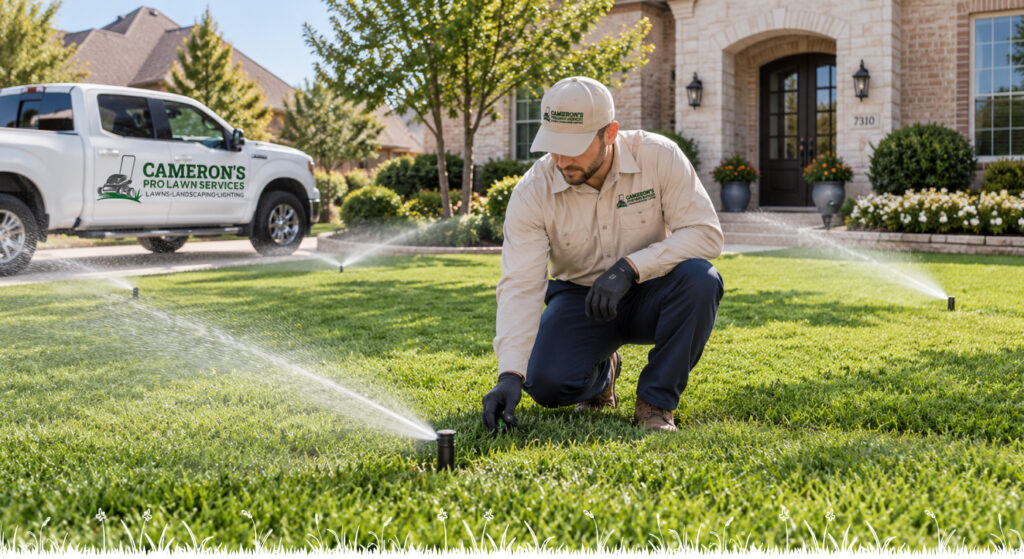
A sprinkler system is designed to distribute water across different areas of your lawn and landscape, but sometimes one zone may suddenly stop working while the rest of the system continues operating normally. You may notice sprinklers that do not turn on, weak water flow, or an entire section of the lawn receiving little to no water. Problems with irrigation zones can develop for several reasons, including controller settings, damaged sprinkler heads, valve problems, wiring issues, or changes in water pressure. Identifying where the problem is occurring can help prevent dry areas and unnecessary stress on your North Texas lawn. Here are some common reasons a sprinkler zone may stop working and what property owners should check. Check the Irrigation Controller First When one sprinkler zone stops operating, the controller is a good place to begin. Review the watering schedule and confirm that the affected zone is programmed correctly. A scheduling change, disabled zone, incorrect start time, or controller setting may prevent that section from running when expected. You can also manually activate the affected zone from the controller. If the zone still does not operate, the issue may be somewhere between the controller and the sprinkler components in the yard. Checking the simple settings first can help rule out a programming problem before investigating other parts of the system. Look for Damaged or Blocked Sprinkler Heads Sometimes a zone is technically operating, but the sprinkler heads are not distributing water properly. Grass, soil, debris, landscaping materials, or physical damage can interfere with sprinkler performance. A damaged head may also leak water instead of producing the intended spray pattern. While the zone is running, look for: A professional irrigation company can inspect the system when the cause is difficult to identify or multiple components appear to be affected. A Sprinkler Valve May Not Be Opening Correctly Each sprinkler zone typically depends on a valve to control water flow to that particular section. If the valve does not open correctly, the entire zone may fail to operate even though other zones continue working normally. Valve-related problems may show up as a completely inactive zone, inconsistent operation, or reduced water flow. Because valves are an important part of how individual zones operate, a zone-specific problem may require more than adjusting sprinkler heads or changing the watering schedule. Electrical or Wiring Problems Can Affect Individual Zones Sprinkler systems rely on electrical connections between the controller and valves. If a wire becomes damaged, loose, or disconnected, the controller may appear to operate normally while the affected valve receives no signal to open. This type of problem may be harder for a homeowner to identify because much of the wiring can be located underground or inside system components. If controller settings appear correct and the zone still does not activate, electrical connections may need to be inspected. Professional full service irrigation support can be useful when the problem involves several system components rather than one obvious damaged sprinkler head. Low Water Pressure May Affect Sprinkler Performance A sprinkler zone does not always stop completely. Sometimes it operates with noticeably weaker pressure than other zones. You may see sprinkler heads barely rising, shorter spray distances, or sections that are not receiving enough coverage. Possible causes can include: Low pressure can create dry spots even when the irrigation schedule itself has not changed. If some sections of the lawn begin turning yellow because they are receiving inconsistent water, proper lawn care and maintenance can help you monitor changes in grass condition while the underlying watering issue is addressed. Landscaping Changes Can Interfere With Sprinkler Coverage Your lawn and landscape can change over time even when the irrigation system remains in the same position. Growing shrubs, new plants, landscape edging, soil movement, or modifications to beds can block sprinkler spray or change where water reaches. A sprinkler head that once provided good coverage may eventually spray directly into a shrub or landscape feature instead of reaching the intended lawn area. Keeping surrounding beds and plants maintained through professional landscaping services can help reduce obstructions and keep the overall outdoor space organized. Whenever landscaping changes are made, it is worth checking nearby sprinkler heads to make sure coverage still matches the property layout. Underground Leaks May Reduce Water Reaching a Zone Not every irrigation problem is visible above ground. A damaged underground line can allow water to escape before it reaches all of the sprinkler heads within a zone. This may result in weak performance, unusually wet areas, or sections of grass that receive inadequate water. Look for signs such as: If you suspect an underground issue, professional inspection may be the safest way to locate the problem without unnecessary digging. Watch Your Lawn for Signs of Irrigation Problems Your grass can often provide clues that a sprinkler zone is not performing correctly. Yellow patches, dry areas, inconsistent growth, or noticeable differences between sections of the lawn may indicate uneven watering. We recently covered several other reasons grass can become discolored in Why Is Your Lawn Turning Yellow? 7 Common Causes in North Texas. Checking the sprinkler system alongside the condition of the grass can make it easier to understand whether watering coverage is contributing to the problem. Keep Your Irrigation System Working Consistently Sprinkler problems are easier to address when changes are noticed early. Periodically run each zone and watch how the sprinklers operate instead of relying only on the automatic schedule. Check for damaged heads, weak pressure, unusual wet spots, blocked spray patterns, and zones that fail to activate. For homeowners looking for lawn maintenance Lewisville TX, Cameron’s Pro Lawn Services can help maintain the lawn while also providing professional irrigation services to keep outdoor areas properly cared for. Frequently Asked Questions Why is only one sprinkler zone not working? A single zone may stop working because of controller settings, valve problems, damaged wiring, sprinkler components, or water-flow issues specific to that section. Why does my sprinkler zone have low pressure? Leaks, damaged components, valve problems,
Why Is Your Sprinkler System Losing Water Pressure? Common Causes to Check

A sprinkler system depends on consistent water pressure to distribute water evenly across your lawn and landscape. When that pressure suddenly drops, some sprinkler heads may barely spray while others fail to reach their intended areas. The result can be dry patches, uneven growth, and wasted water. For homeowners in Lewisville and surrounding North Texas communities, low pressure in an irrigation system should not be ignored. Finding the cause early can help prevent ongoing watering problems and keep your lawn and landscape receiving more consistent coverage. What Is Irrigation and Why Does Water Pressure Matter? If you’re wondering what is irrigation, it is essentially the controlled application of water to lawns, landscapes, plants, and other areas that need moisture when natural rainfall alone is not sufficient. For a residential sprinkler setup to work properly, water needs to travel through pipes, valves, zones, and sprinkler heads with enough pressure to provide appropriate coverage. When pressure drops, the system may still run, but the water may not reach all the areas it was designed to cover. That can make a pressure problem easy to overlook until sections of the lawn begin showing visible signs of stress. A Sprinkler Head May Be Clogged One of the first places to check is the sprinkler head itself. Dirt, grass, small debris, and other material can interfere with the spray pattern. A partially blocked head may produce a weak stream or distribute water unevenly. Look for sprinkler heads that: If only one or two sprinklers are performing poorly while the rest of the zone appears normal, the problem may be isolated to those particular heads. There Could Be a Leak in the Irrigation Line A damaged or leaking irrigation line can cause pressure to drop before water reaches the sprinkler heads. Some leaks are easy to notice, while underground leaks may be less obvious. Potential warning signs include: A leak can also waste water while leaving other parts of the lawn without adequate coverage. If you suspect an underground problem, an irrigation system repair service can help determine where the pressure loss is occurring and what may need attention. A Valve May Not Be Opening Properly Irrigation systems use valves to control water moving into different zones. If a valve does not open completely or develops another problem, the affected zone may receive less water than expected. This is especially worth investigating when one zone consistently has weak pressure while other zones continue operating normally. Comparing the performance of individual zones can provide useful clues about where the problem may be located. Too Many Sprinkler Heads May Be Running in One Zone Every irrigation zone has a limited amount of available water flow. If a zone is trying to operate more sprinkler heads than the available flow can adequately support, pressure may become weak across the entire section. This can result in sprinklers that rise only partially or fail to throw water far enough. A properly planned system should balance coverage with available water pressure and flow rather than simply adding more sprinkler heads. A Sprinkler Head Could Be Damaged Sprinkler heads are located close to the ground, which means they can occasionally be damaged by lawn equipment, foot traffic, vehicles, or normal wear. A cracked or broken head may release more water than intended. That loss can affect the performance of other sprinklers in the same zone. This is one reason irrigation and regular lawn care should work together. Professional lawn maintenance services can help keep outdoor areas maintained while giving property owners opportunities to notice sprinkler heads and other lawn problems before they become more disruptive. The Problem May Be Affecting the Entire Property Sometimes low sprinkler pressure is not limited to one head or one irrigation zone. If every zone suddenly seems weaker, the cause may involve the water supply or another system-wide issue rather than an individual sprinkler. Compare several zones when the system is operating. If one zone is weak, start by investigating components associated with that area. If every zone appears weak, a broader inspection may be necessary. A professional irrigation maintenance service can help evaluate system performance and identify issues that may not be obvious from simply watching the sprinklers operate. Changes in Your Landscape Can Affect Coverage Your irrigation system and landscape should not be treated as completely separate parts of the property. As shrubs and plants grow, they can interfere with sprinkler spray patterns. Changes to landscape beds or other outdoor areas may also affect where water needs to reach. Professional landscaping services can help keep outdoor areas maintained while irrigation coverage is considered as part of the overall property. Why Low Sprinkler Pressure Shouldn’t Be Ignored A sprinkler system can technically be running while still failing to water the property effectively. If certain areas repeatedly receive less water, the lawn may eventually develop dry or stressed sections. Meanwhile, a leak or broken component could be wasting water elsewhere. Homeowners searching for lawn maintenance Lewisville TX should consider irrigation performance as part of complete outdoor property care. Instead of compensating for weak coverage by simply running the system longer, it is better to identify why the pressure has changed. Keep Your Entire Property Maintained Irrigation problems can also contribute to an outdoor space looking neglected. Dry grass, stressed plants, muddy areas, and uneven growth can all affect curb appeal. For more ways to identify problems around your property, read 7 Landscaping Problems That Can Make Your Property Look Neglected. Frequently Asked Questions Why is only one sprinkler zone losing pressure? If other zones operate normally, the issue may be associated with that particular zone. Possible areas to inspect include sprinkler heads, valves, or irrigation lines serving that section. Can a broken sprinkler head reduce water pressure? A damaged sprinkler head can release water where it should not, potentially affecting the performance of other sprinklers within the same zone. Why are my sprinklers suddenly not spraying as far? Changes in spray distance can be associated with clogged
7 Signs Your Irrigation System Is Not Watering Your Lawn Properly

A healthy lawn depends on more than simply turning on the sprinklers. Your irrigation system needs to deliver the right amount of water evenly across the property. When sprinkler heads, controllers, pipes, or individual zones stop working correctly, some parts of the lawn may receive too little water while others become oversaturated. North Texas heat can make these problems especially noticeable. Identifying irrigation issues early can help reduce unnecessary water waste and protect your lawn from avoidable stress. Here are seven common signs that your irrigation system may not be watering your property properly. Dry or Brown Patches Keep Appearing One of the easiest irrigation problems to notice is uneven grass color. If most of your lawn remains green while certain sections repeatedly become dry or brown, those areas may not be receiving enough water. Possible causes include: Before simply increasing the watering time for the entire property, determine why those specific areas are staying dry. Increasing the schedule may waste water in areas already receiving enough moisture. Professional irrigation maintenance services can help identify coverage problems and determine whether your system needs adjustments or repairs. Some Areas Are Constantly Too Wet Too little water is a problem, but excessive watering can also indicate that your irrigation system is not operating properly. Watch for areas that remain unusually wet long after the sprinklers stop running. You may notice: A damaged line, leaking valve, incorrect sprinkler head, or excessive run time may be responsible. Finding the source is better than allowing the problem to continue and wasting water every time the irrigation system runs. Sprinkler Heads Have Weak or Uneven Spray Observe your irrigation system while it is operating. Sprinkler heads should provide appropriate coverage for the areas they are designed to water. If one sprinkler produces a strong spray while another barely releases water, something may need attention. Common problems include clogged nozzles, damaged heads, pressure issues, or sprinklers that have shifted out of position. A reliable irrigation service company can inspect individual zones and determine whether components need cleaning, adjustment, or repair. Water Is Spraying Onto Sidewalks or Driveways Your irrigation system should primarily water your lawn and landscaping, not concrete. If sprinklers regularly spray onto: The heads may be incorrectly positioned or providing the wrong spray pattern. This wastes water and reduces the amount reaching the areas that actually need it. Minor sprinkler adjustments can sometimes make a significant difference in overall irrigation efficiency. If you are maintaining your lawn regularly, proper irrigation should work alongside professional lawn maintenance Lewisville TX to support healthier and more consistent grass growth. Water Is Running Off Instead of Soaking Into the Lawn Seeing water flowing down the driveway or into the street while your irrigation system is running is another warning sign. Runoff can occur when water is being applied faster than the soil can absorb it. It may also happen because of incorrect sprinkler placement, excessive watering duration, compacted soil, or slope conditions. Simply watering longer does not necessarily solve dry lawn problems. If the soil cannot absorb the water effectively, much of it may leave the property before reaching the root zone. The best irrigation service for your property should focus not only on whether sprinklers turn on, but also on whether water is being delivered effectively where the landscape needs it. Your Water Usage Suddenly Increases A noticeable increase in water consumption without a clear reason may indicate an irrigation problem. Underground leaks can be difficult to see immediately. A damaged irrigation line or malfunctioning valve may waste water without creating an obvious sprinkler failure above ground. Look for clues such as: If something seems unusual, having the system inspected can help identify potential problems before they become more expensive. Different Irrigation Zones Are Performing Differently Most irrigation systems divide the property into separate zones. If one zone looks healthy while another consistently struggles, the problem may be related to that specific section of the system rather than your entire lawn. Run each zone separately and observe: Comparing zones can make it easier to identify where a problem is occurring. Combining professional irrigation and lawn service can also make it easier to notice how watering patterns are affecting grass condition over time. For ongoing mowing, edging, trimming, and routine property care, professional lawn maintenance services can help maintain the lawn after irrigation issues have been addressed. Irrigation Is Especially Important for New Sod New sod depends heavily on appropriate moisture while roots are becoming established. Uneven sprinkler coverage can leave some sections too dry while others receive excessive water. If you recently installed or are planning a new lawn, professional sod installation services combined with properly functioning irrigation can help create better establishment conditions. Learn More about Caring for Newly Installed Sod If irrigation problems are affecting a newly installed lawn, understanding how sod establishes its roots is especially important. Read our latest guide: How Long Does New Sod Take to Root? A Complete North Texas Guide Frequently Asked Questions How do I know if my irrigation system has poor coverage? Dry patches, inconsistent grass color, weak sprinkler spray, and major differences between irrigation zones can indicate uneven coverage. Why is one part of my lawn wet while another is dry? Different sprinkler zones, damaged heads, pressure problems, leaks, or incorrect spray patterns may cause uneven watering. Should sprinklers spray onto sidewalks? Some overspray may occasionally occur, but consistent watering of sidewalks, driveways, or streets can indicate that sprinkler heads need adjustment. Can an irrigation leak increase my water usage? Yes. Damaged lines, valves, or other irrigation components can waste water and potentially increase overall usage. How often should an irrigation system be inspected? It is useful to periodically observe the system while it is running, especially when seasons change or you notice dry areas, leaks, unusual pressure, or excessive runoff. Keep Your Lawn Watered More Effectively An irrigation system can appear to be working simply because the sprinklers turn on, but proper lawn watering depends on