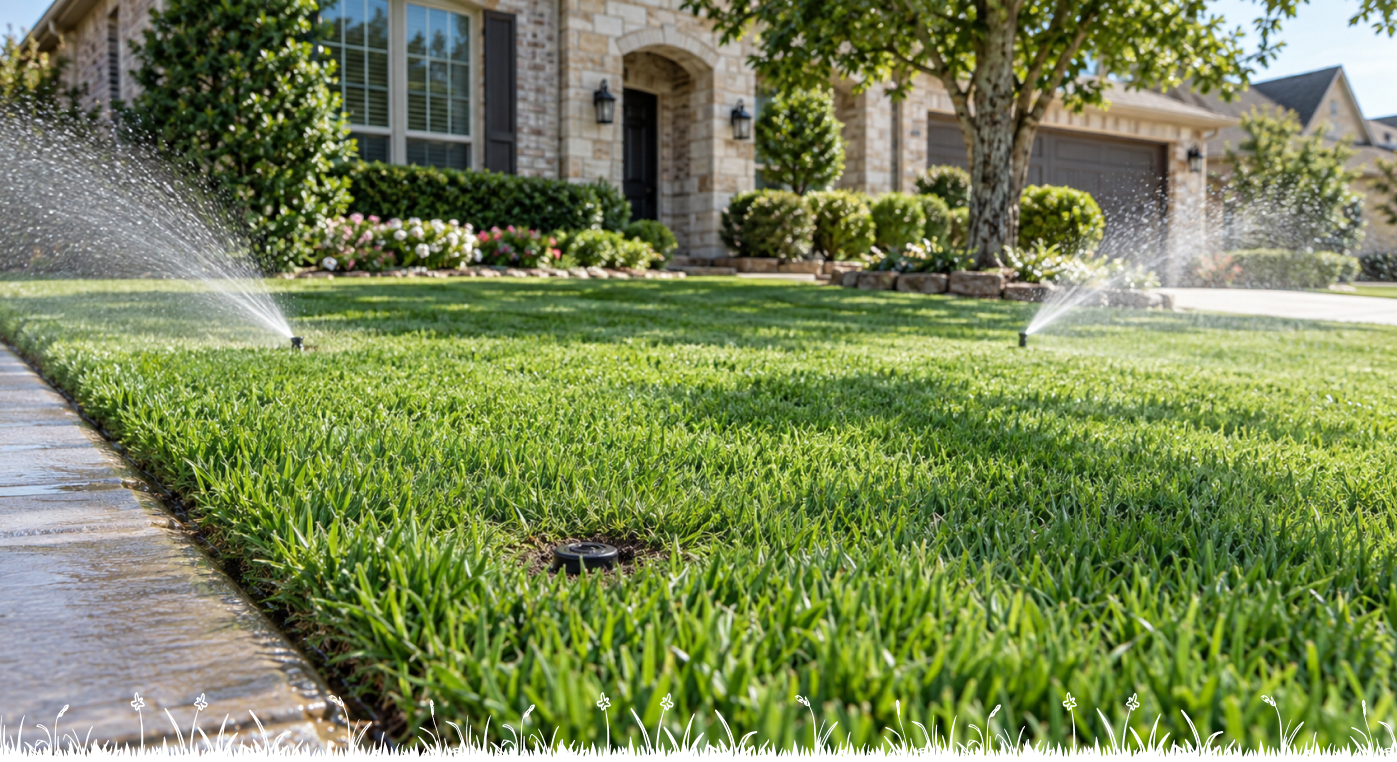
A properly working sprinkler system should provide consistent water coverage across your lawn and landscape. When one or more sprinkler heads fail to pop up completely, however, certain sections of the property may receive less water than others.
The problem can be caused by something as simple as dirt around the sprinkler head or by a larger issue involving water pressure, valves, leaks, or damaged components. Professional irrigation systems service can help identify why sprinkler heads are not operating correctly before uneven watering begins affecting the lawn.
Here are seven common problems to check when sprinkler heads are not popping up properly.
Dirt or Debris May Be Blocking the Sprinkler Head
Sprinkler heads sit close to ground level, making them vulnerable to dirt, grass clippings, mulch, and other debris.
Over time, material can accumulate around the sprinkler body and prevent it from rising completely when the irrigation zone turns on.
Check around the affected sprinkler for:
- Packed soil
- Grass growing over the head
- Mulch or landscape material
- Small rocks or debris
- Visible damage around the sprinkler
Carefully clearing obvious debris may help, but repeated problems can indicate that the sprinkler needs further inspection.
Low Water Pressure Can Affect Multiple Heads
Sprinkler heads rely on adequate water pressure to rise and distribute water correctly.
When pressure is too low, a sprinkler may only rise partially or several heads within the same zone may operate weakly.
Possible signs of a pressure-related issue include:
- Several heads failing to rise fully
- Weak spray patterns
- Reduced watering distance
- Sprinklers operating inconsistently
- One zone performing differently from others
Professional full service irrigation should consider the entire system—including sprinkler heads, valves, pressure, coverage, and potential leaks—rather than focusing only on the visible problem.
The Sprinkler Head May Be Damaged
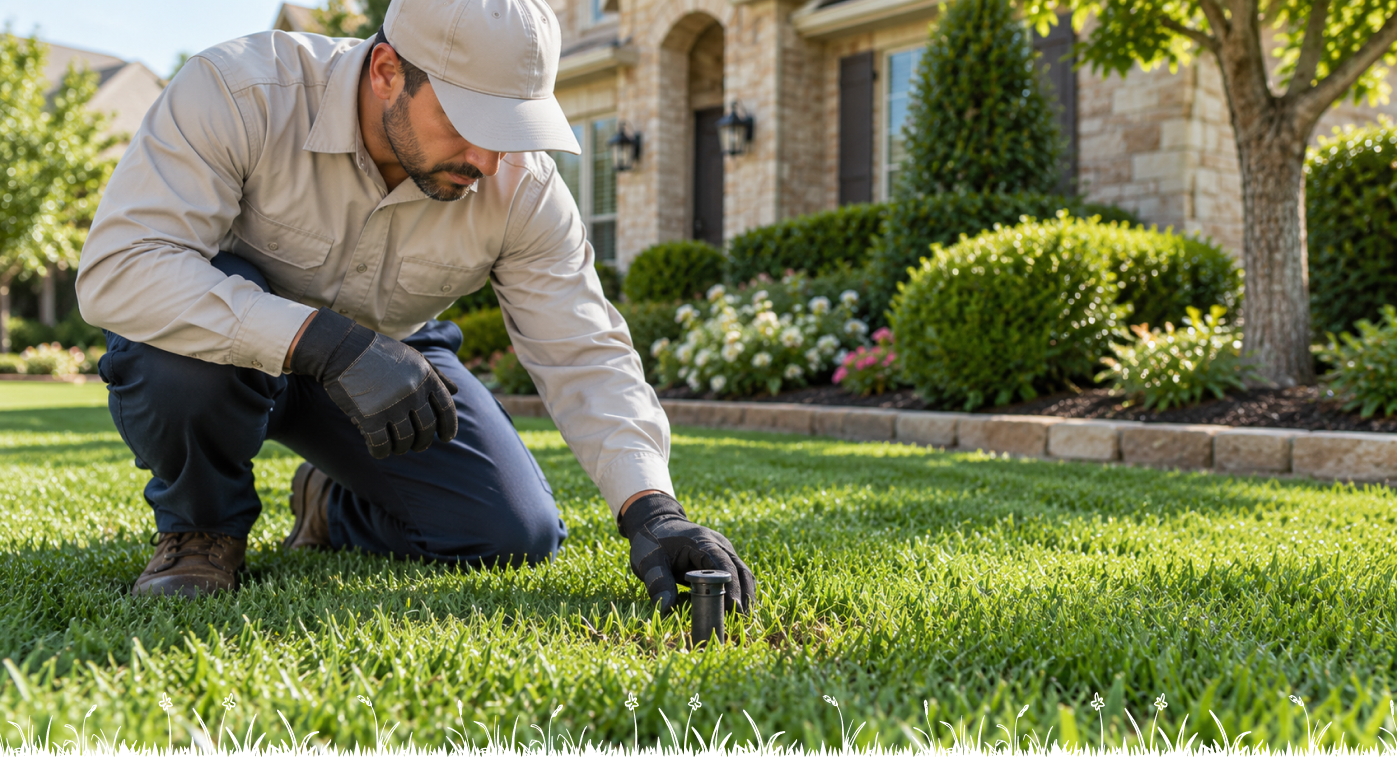
Sprinkler heads can become damaged through normal lawn activity.
Lawn mowers, edging equipment, foot traffic, vehicles, or landscaping work can crack or shift components. A damaged sprinkler may leak, spray incorrectly, or fail to rise when the system starts.
Look for visible signs such as:
- Cracked sprinkler bodies
- Broken nozzles
- Water leaking around the base
- Heads sitting at an unusual angle
- Sprinklers positioned below the surrounding soil
Replacing or adjusting a damaged component may be necessary to restore proper operation.
A Valve Problem May Reduce Water Flow
Irrigation valves control water flowing to individual sprinkler zones.
If a valve does not open completely, the affected zone may receive insufficient water pressure. As a result, sprinkler heads may rise only partially or fail to operate normally.
If every sprinkler in one particular zone appears weak while other zones work correctly, the valve may be one area worth inspecting.
Valve problems can involve debris, wear, electrical components, or other system conditions, so diagnosing the issue may require more than simply adjusting sprinkler heads.
An Underground Leak Could Be Reducing Pressure
Not every irrigation leak is immediately visible.
A damaged underground line can allow water to escape before it reaches the sprinkler heads. This may reduce pressure and prevent some sprinklers from rising properly.
Watch for:
- Unusually wet lawn areas
- Soft or muddy soil
- Water collecting where no sprinkler is visible
- One zone losing pressure
- Unexpected changes in sprinkler performance
Leaks can also contribute to uneven lawn conditions when certain areas receive too much water while others receive too little.
Professional lawn maintenance services can make it easier to notice recurring wet, dry, or thin areas while the property is being routinely maintained.
Grass and Landscaping Can Interfere With Sprinklers
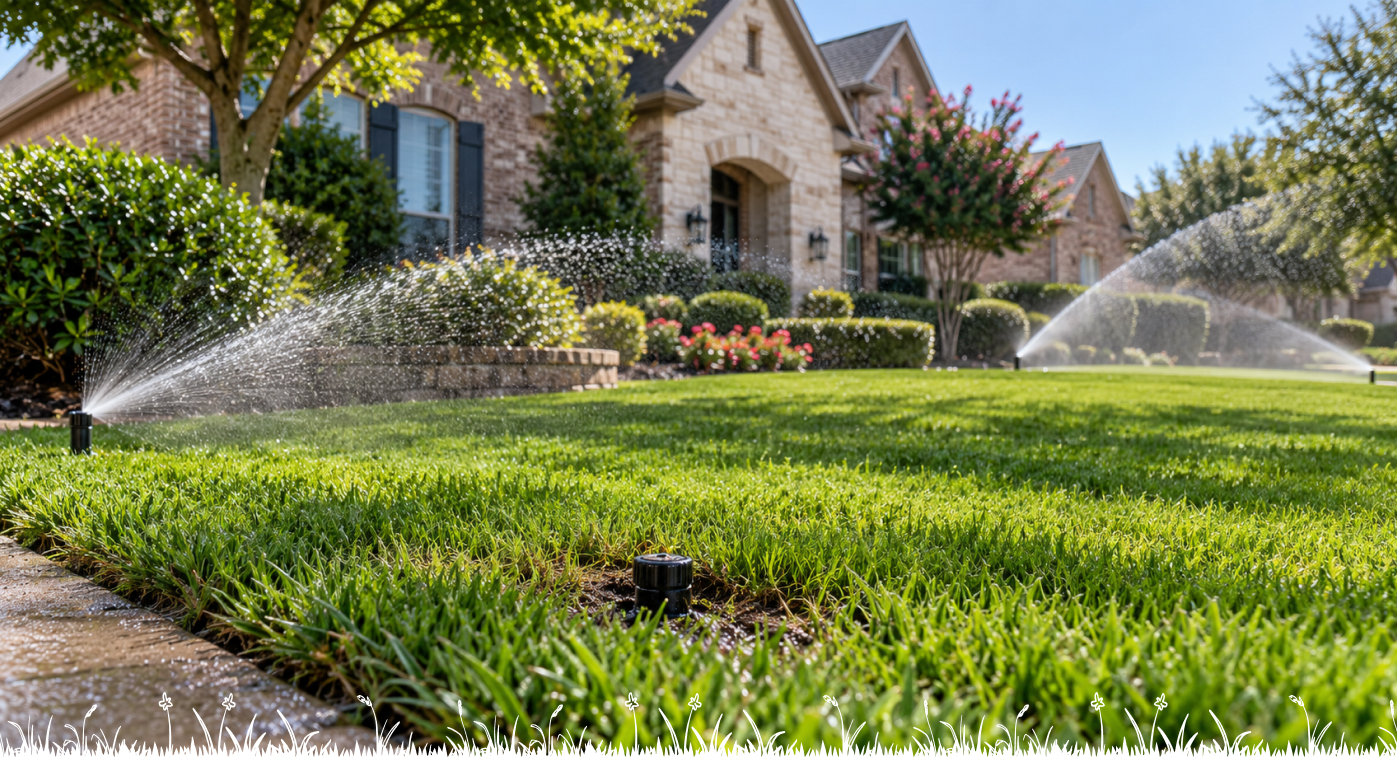
As lawns, shrubs, and landscape plants grow, they can begin interfering with irrigation components.
Grass may grow over low sprinkler heads, while expanding landscape beds or plants can block spray patterns that previously worked correctly.
Regular landscaping services can help keep beds, shrubs, edges, and surrounding growth maintained so irrigation components remain easier to inspect and access.
Whenever landscaping is changed, it is also worth checking whether nearby sprinkler heads still provide appropriate coverage.
The Sprinkler Head May Be Sitting Too Low
Changes in soil level, lawn growth, or previous installation can leave a sprinkler head sitting below the surrounding grass.
Even when the sprinkler rises, surrounding turf may prevent it from extending properly or distributing water across the intended area.
Compare the problem sprinkler with nearby heads. If it appears noticeably lower than the surrounding lawn, its position may be contributing to the issue.
Avoid pulling or forcing the sprinkler upward without understanding how it is connected underground, as this could damage the fitting or irrigation line.
Sprinkler Problems Can Affect Lawn Appearance
A sprinkler head that does not rise properly may seem like a small problem, but poor coverage can eventually become visible in the lawn.
Sections receiving less water may appear thinner, drier, or less consistent than surrounding grass.
In our recent guide, Why Does Your Lawn Look Thin Even After Regular Mowing?, we explain how irrigation coverage, soil conditions, sunlight, foot traffic, and other factors can contribute to thin grass even when mowing is consistent.
Checking sprinkler performance can therefore be an important part of diagnosing recurring lawn problems.
Check Your Irrigation System Regularly
You do not have to wait until a sprinkler completely stops working before inspecting the system.
Periodically run each irrigation zone and observe how the sprinkler heads operate. Make sure they rise properly, spray in the intended direction, and provide reasonable coverage without excessive runoff.
Homeowners searching for lawn maintenance Lewisville TX can turn to Cameron’s Pro Lawn Services for professional irrigation, lawn maintenance, landscaping, sod installation, and seasonal services throughout Lewisville and surrounding North Texas communities.
Frequently Asked Questions
Why is my sprinkler head only coming halfway up?
Low water pressure, debris, damage, or the position of the sprinkler head can prevent it from rising completely.
Why are several sprinkler heads not popping up?
If multiple heads in the same zone are affected, check for pressure problems, valve issues, or an underground leak.
Can grass stop a sprinkler from popping up?
Yes. Thick grass, soil, or debris around a low sprinkler head can interfere with normal movement.
Can a leaking irrigation line cause low sprinkler pressure?
Yes. Water escaping through a damaged line can reduce the pressure available to sprinkler heads farther along the system.
Should I check every sprinkler zone separately?
Yes. Running zones individually can make it easier to identify whether the problem affects one sprinkler, one zone, or multiple parts of the system.
Keep Your Sprinkler System Working Properly
Sprinkler heads that fail to pop up can lead to inconsistent watering and make it harder to maintain a healthy-looking lawn. Dirt, low pressure, damaged components, valve problems, underground leaks, and surrounding landscape growth can all contribute.
Cameron’s Pro Lawn Services provides professional irrigation, lawn maintenance, landscaping, sod installation, and seasonal services throughout Lewisville and surrounding North Texas communities.

Cameron's Lawn Care Service
Explore helpful lawn care, landscaping, irrigation, sod installation, seasonal maintenance, and outdoor property care tips from our team.
See All Blog