
Bermuda vs. Zoysia vs. St. Augustine: Which Grass Is Best for Lewisville?
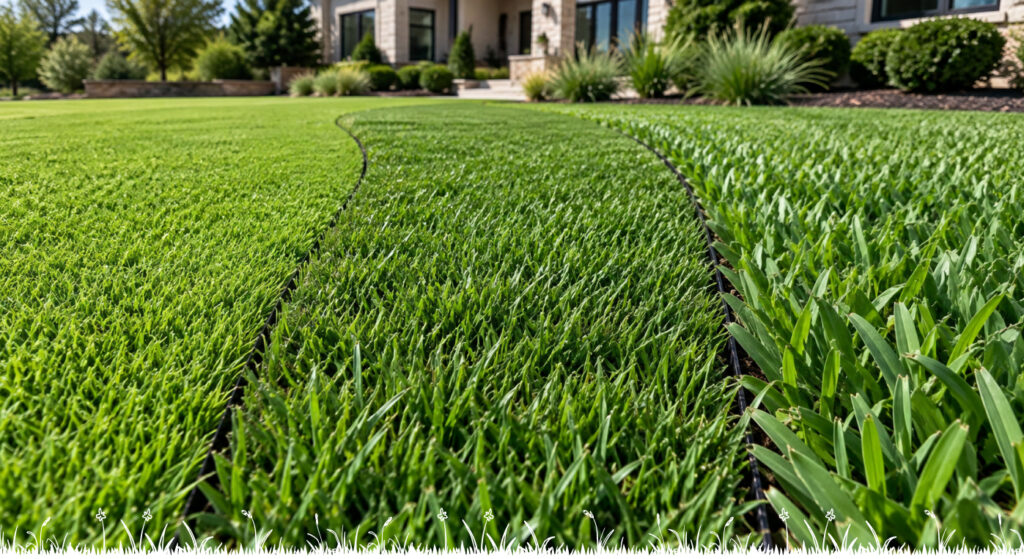
Choosing the right grass for a North Texas property is an important decision, especially when installing new turf. Different grass varieties can perform very differently depending on sunlight, soil conditions, water availability, foot traffic, and the amount of maintenance a homeowner is prepared to provide. Bermuda, Zoysia, and St. Augustine are all commonly considered for properties in the Lewisville area, but there is no single grass type that is automatically best for every yard. The right choice depends on the conditions of the property and how the lawn will be used. For homeowners considering sod installation services, understanding these differences before purchasing new turf can help prevent costly mistakes and create a lawn that is easier to maintain over time. Why Grass Selection Matters in Lewisville North Texas lawns experience challenging growing conditions throughout the year. Hot summers, changing temperatures, periods of limited rainfall, heavy storms, and varying sunlight can all affect turf performance. A grass variety that performs well in an open, sunny yard may not perform as well underneath mature trees. Likewise, a turf type that handles some shade may have different maintenance requirements from a variety grown primarily in full sun. Before selecting grass, homeowners should look beyond appearance and consider how the turf will perform in the specific conditions of their property. Bermuda Grass for Lewisville Lawns Bermuda grass is a popular warm-season turf option in North Texas. It is particularly well suited to areas that receive substantial sunlight and can be a practical choice for active lawns. One of its advantages is its ability to recover from regular use when properly maintained. This can make it appealing for homeowners with children, pets, or outdoor areas that receive frequent activity. However, Bermuda generally performs best with plenty of sunlight. Areas that remain heavily shaded may not provide the conditions this turf needs to maintain strong growth. Homeowners should therefore evaluate sunlight before choosing Bermuda for a property with mature trees or large shaded sections. When Bermuda May Be a Good Choice Bermuda can be worth considering when a property has: Its performance can also depend on how well the soil and surrounding landscape are prepared before installation. Zoysia Grass for North Texas Properties Zoysia is another warm-season turf option that can work well in North Texas landscapes. Compared with Bermuda, Zoysia can tolerate more shade, although it still needs adequate sunlight to remain healthy. This can make it an option for properties where some areas receive filtered or partial sunlight. Zoysia can also create a dense, attractive lawn when properly established and maintained. Its growth characteristics and maintenance requirements should still be considered before installation, particularly if the homeowner wants a specific appearance or has areas of the property with different sunlight conditions. When Zoysia May Be a Better Fit Zoysia may be worth considering when a property has: The actual conditions of the property should always be considered before making the final selection. St. Augustine Grass for Shadier Areas St. Augustine is known for its greater shade tolerance compared with many other warm-season turf options. This can make it attractive for homeowners who have mature trees or sections of the property where direct sunlight is limited. However, greater shade tolerance does not mean St. Augustine can grow successfully in complete shade. It still requires suitable light, moisture, soil conditions, and ongoing maintenance. Homeowners should also consider the amount of traffic the lawn receives before selecting this grass type. When St. Augustine May Be Worth Considering St. Augustine may be suitable for properties with: The best results come from matching the turf to the specific growing environment rather than choosing a variety based only on appearance. Bermuda vs. Zoysia vs. St. Augustine Each grass type has different strengths, so comparing the major characteristics can help homeowners narrow down their options. Grass Type Sunlight Traffic Shade Tolerance General Consideration Bermuda High sunlight preferred Good Lower Strong option for sunny active lawns Zoysia Sun to partial shade Moderate to good Moderate Dense turf with some shade flexibility St. Augustine Sun to partial shade Moderate Higher Useful for lawns with more shade These characteristics are general considerations rather than guarantees. Soil, drainage, irrigation, maintenance, and the exact conditions of the property can all influence turf performance. Sunlight Should Be One of Your First Considerations Before choosing a grass type, homeowners should observe how sunlight moves across the property during the day. A yard may appear sunny in the morning but become heavily shaded later in the afternoon. Trees can also create seasonal differences as their foliage changes. Our recent guide, How to Choose Landscape Plants for Different Sunlight Conditions, explains why understanding sunlight exposure is important when planning outdoor spaces. Soil and Drainage Matter Too Choosing the right grass is only part of establishing a healthy lawn. Soil conditions and drainage can have a major influence on how successfully new turf establishes. Areas that remain excessively wet, drain too quickly, or have compacted soil may create problems regardless of which grass variety is selected. Before installing new turf, homeowners should evaluate the existing growing environment and address significant problems where necessary. This is particularly important when replacing an older lawn or converting part of a landscape into a new turf area. Irrigation Requirements Should Be Considered Different turf varieties can have different moisture requirements, but every new lawn needs appropriate watering during establishment. An irrigation system should provide suitable coverage without creating excessive wet or dry areas. If certain portions of a property consistently receive different amounts of water, irrigation services can help homeowners evaluate the existing system and identify potential coverage issues. Consider How Much Maintenance You Want Grass selection should also match the homeowner’s maintenance expectations. A lawn that requires regular mowing, watering, edging, and seasonal attention may not be ideal for someone looking for minimal maintenance. Likewise, homeowners who want a highly manicured lawn may be willing to invest more time in maintaining the turf throughout the growing season. Routine care can make a significant
How Should You Water New Sod During Fall in North Texas?
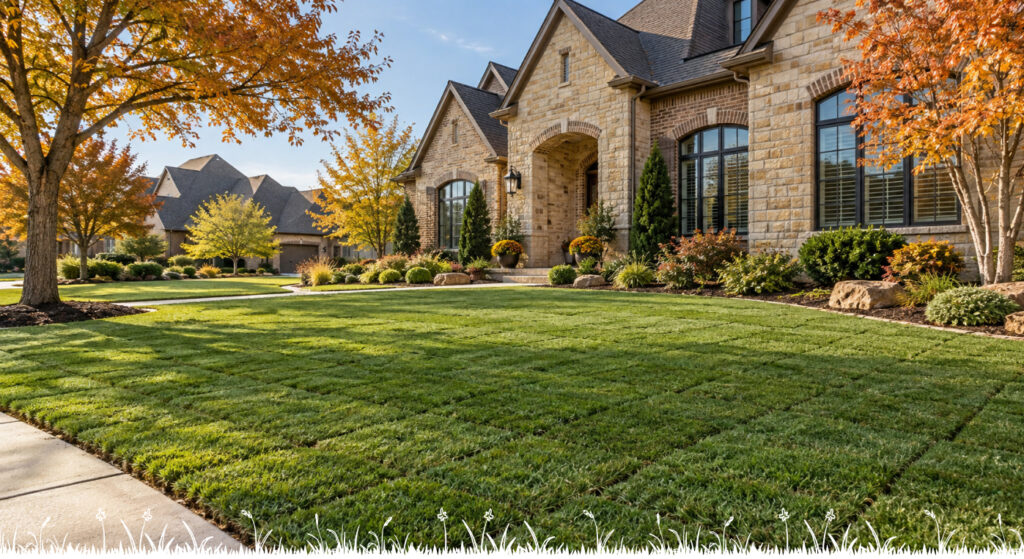
Installing fresh sod during fall can give a North Texas lawn a clean, established appearance, but installation is only the beginning. The first few weeks after installation are important because the grass needs enough moisture to establish contact with the soil and begin developing roots. Fall watering can also be different from summer watering. Cooler temperatures may reduce evaporation, while rainfall and North Texas soil conditions can affect how long moisture remains in the ground. After a new sod installation, homeowners should therefore pay attention to actual soil moisture instead of assuming that more water always produces better results. Water New Sod Soon After Installation Fresh sod should not be allowed to remain dry for an extended period immediately after installation. The grass has been separated from its previous growing environment, and its roots need consistent access to moisture while they begin establishing in the new soil. Initial watering should moisten the sod and the soil beneath it rather than simply wetting the grass blades. Proper preparation is also important for long-term turf success. Soil preparation, grading, sod placement, and early watering all work together to give the grass a better opportunity to establish. Fall Sod May Not Need the Same Watering as Summer Sod North Texas summer heat can dry soil and turf quickly. During fall, lower temperatures and shorter days can reduce evaporation. That means a watering routine appropriate for extremely hot weather may provide too much moisture during cooler conditions. Instead of following the same schedule throughout the year, homeowners should monitor the sod and underlying soil. Weather conditions, rainfall, sunlight, wind, soil type, and drainage can all influence how quickly the lawn dries. The goal is consistent moisture during establishment without keeping the lawn excessively saturated. Check the Soil beneath the Sod The surface appearance of new sod does not always tell the complete story. Grass blades may look dry while the soil underneath remains moist, or the surface may look wet even though moisture has not reached deeply enough. During the early sod process, carefully checking moisture beneath an edge of the sod can provide a better indication of whether water is reaching the soil. As roots begin developing, the sod should gradually become more securely attached to the ground. Watering can then be adjusted according to establishment, weather, and soil conditions. Avoid Keeping New Sod Constantly Waterlogged New sod needs moisture, but consistently saturated soil can create a different set of problems. If water remains standing on the lawn or the soil stays extremely wet for long periods, the area may be receiving more water than it can absorb. Cooler fall temperatures can make this more noticeable because moisture may evaporate more slowly than during summer. Homeowners should watch for puddling, extremely soft ground, prolonged standing water, or runoff from the lawn. If water repeatedly runs across the lawn rather than entering the soil, our latest guide Why Is Water Running off Your Lawn Instead of Soaking into the Soil? Explains how clay soil, compaction, slopes, and watering duration can contribute to runoff. Make Sure Water Reaches the Entire Lawn Uniform watering is especially important during the early establishment period. One section of new sod may remain adequately moist while another begins drying much faster. Corners, edges, narrow strips, slopes, and areas near hardscaping can sometimes receive different amounts of water from the rest of the lawn. Existing irrigation coverage should therefore be evaluated after sod is installed. Landscape changes and newly covered areas can alter the watering requirements of the property. Professional irrigation services can help identify coverage or watering issues that may affect how evenly new turf receives moisture. Pay Extra Attention to Sod Edges and Seams The edges of sod pieces can dry more quickly than the center, particularly if there are gaps between sections or poor soil contact underneath. During early establishment, homeowners should watch seams and perimeter areas for signs of drying. Consistent moisture and good contact with prepared soil can help the pieces establish more uniformly. Proper installation matters here as well. Sod should be positioned carefully so that pieces fit together appropriately without unnecessary gaps. As rooting progresses, visible seams should become less noticeable as the turf begins establishing across the lawn. Consider Drainage before Increasing Watering If one area of the new lawn stays wet while another dries quickly, simply increasing the watering duration may not solve the problem. Low areas, compacted soil, grading, and drainage patterns can cause water to collect unevenly across a property. This can result in one section becoming saturated while another receives insufficient moisture. Landscape features may influence water movement as well. Beds, edging, slopes, and soil levels can redirect water toward or away from newly installed turf. Professional landscape services can help homeowners consider grading, lawn areas, landscape beds, and overall water movement when improving an outdoor space. Reduce Watering Gradually as Roots Establish New sod generally requires closer moisture monitoring immediately after installation than an established lawn. However, the initial watering approach should not continue unchanged forever. As roots begin establishing into the soil below, watering can gradually shift toward supporting deeper root development rather than keeping only the surface continuously wet. The exact timing can vary because fall weather in North Texas is not always consistent. Warm days, cooler periods, rainfall, shade, and soil conditions can all change how quickly the lawn dries. Homeowners should monitor the turf and soil rather than reducing watering based only on a fixed number of days. Protect the Sod during Early Establishment Watering is only one part of successful establishment. Heavy foot traffic can disturb sod before roots have secured it to the soil. Children, pets, equipment, and repeated walking across newly installed turf may shift pieces or create uneven areas, particularly when the ground is moist. Limiting unnecessary traffic during the early establishment period can help the sod remain in position while roots develop. Once the lawn becomes established, ongoing mowing, irrigation, and seasonal care become important parts of maintaining
What Is the Best Grass for Your North Texas Yard: Bermuda, St. Augustine, or Zoysia?

Choosing new sod is about more than finding the greenest grass at the time of installation. The right grass should match the amount of sunlight your yard receives, how the property is used, your watering conditions, and the level of maintenance you are prepared to provide. In North Texas, Bermuda, St. Augustine, and Zoysia are three common warm-season grass options. Each has different strengths, and a variety that performs well in one yard may struggle in another. Before scheduling a professional sod installation lawn service, it is worth understanding these differences so the new lawn has growing conditions that suit the selected grass. Bermuda grass: A Strong Option for Sunny Yards Bermuda grass is well suited to properties that receive plenty of direct sunlight. It can create a dense lawn and generally handles regular activity well once properly established. This makes Bermuda worth considering for open front yards, active backyards, and properties with relatively little shade. Its preference for sunlight is important, however. Areas heavily shaded by mature trees, fences, or structures may not provide ideal growing conditions. Before choosing Bermuda, look at how much direct sunlight reaches different areas of the property throughout the day rather than judging the yard at only one time. St. Augustine: Worth Considering for More Shade St. Augustine has broader blades and creates a noticeably different lawn appearance from Bermuda. One reason homeowners may consider it is its ability to handle more shade than Bermuda. Properties with mature trees or sections that receive limited direct sunlight may therefore benefit from considering St. Augustine. That does not mean it will thrive in complete shade. Every grass still requires suitable growing conditions. A professional sod grass installation service can help homeowners consider sunlight, soil conditions, irrigation coverage, and property use before new turf is installed. Zoysia Offers a Dense, Attractive Appearance Zoysia is another warm-season option that can produce a dense, attractive lawn when conditions are appropriate. Depending on the variety, it can provide some shade tolerance while still performing well in sunny locations. Its dense growth is one reason homeowners may consider it when appearance is an important part of the decision. Zoysia can establish differently from other turf types, so homeowners should consider more than its finished appearance. Site conditions and long-term maintenance expectations still matter. How Much Sun Does Your Yard Receive? Sun exposure should be one of the first considerations when comparing grass types. A large open yard may receive direct sunlight for much of the day, while another property may contain several micro-environments. The front lawn might be sunny while the backyard receives significant shade from trees and the house. Bermuda generally favors abundant sunlight. St. Augustine can be considered where more shade is present, while Zoysia may provide another option depending on the specific site and variety. Surrounding trees, shrubs, and landscape design can also influence sunlight. Professional landscaping services can help maintain these surrounding areas as part of the property’s overall outdoor care. Think About How the Lawn Will Be Used Appearance is only one part of choosing turf. Consider how people actually use the property. Is the backyard frequently used by children? Are pets regularly crossing the same areas? Is the lawn primarily decorative, or does it receive frequent activity? Repeated traffic can place additional stress on turf, especially when the grass is already dealing with heat, poor watering, or unsuitable growing conditions. Matching the grass to the way the property is used can be more useful than choosing solely based on appearance. Irrigation Matters Regardless of the Grass You Choose Installing the right grass will not compensate for poor watering coverage. New sod requires consistent moisture during establishment, and irrigation should distribute water evenly across the installed area. Dry sections can struggle while areas receiving excessive water may remain unnecessarily wet. Once the lawn becomes established, watering requirements can change. Professional irrigation services can help evaluate sprinkler coverage when inconsistent watering is affecting the lawn. Consider Long-Term Maintenance Before Installation The decision does not end when the sod is installed. Different turf types can have different mowing, watering, sunlight, and seasonal maintenance considerations. Homeowners should think about how the lawn will be cared for throughout the year. Regular lawn maintenance services can help keep established turf properly mowed and maintained as North Texas conditions change throughout the growing season. Bermuda vs. St. Augustine vs. Zoysia: What Should You Consider? Rather than looking for one grass type that is automatically “best,” compare the conditions of your property. Bermuda may make sense when the yard receives strong sunlight and regularly experiences activity. St. Augustine may be worth considering when the property has more shaded areas and the homeowner prefers its broader-bladed appearance. Zoysia may appeal to homeowners looking for dense turf and a balance of characteristics, depending on the specific variety and growing conditions. The better question is therefore not simply, “Which grass is best?” It is, “Which grass is best suited to my yard?” Don’t Choose Sod Based Only on a Neighbor’s Lawn Seeing a beautiful lawn nearby can make it tempting to install the same grass. But neighboring properties can have surprisingly different conditions. Tree coverage, drainage, soil, sprinkler layout, traffic, and hours of direct sunlight may all vary. The lawn that performs well next door is not automatically the right choice for your property. Evaluating your own yard before installation can reduce the risk of choosing turf that will continually struggle with its environment. Seasonal Conditions Matter after Sod Becomes Established Even correctly selected turf will respond to seasonal changes. Cooler temperatures, rainfall, irrigation adjustments, mowing practices, and moisture levels can affect the lawn at different times of year. Our latest article, Why North Texas Lawns Develop Brown Patches in Fall and What to Check First, explains several fall conditions that can influence turf appearance and why brown areas should not automatically be treated by simply adding more water. Plan for the Lawn You Want Long Term Sod installation creates an immediate visual transformation, but
Why Is Your New Sod Turning Yellow After Installation?
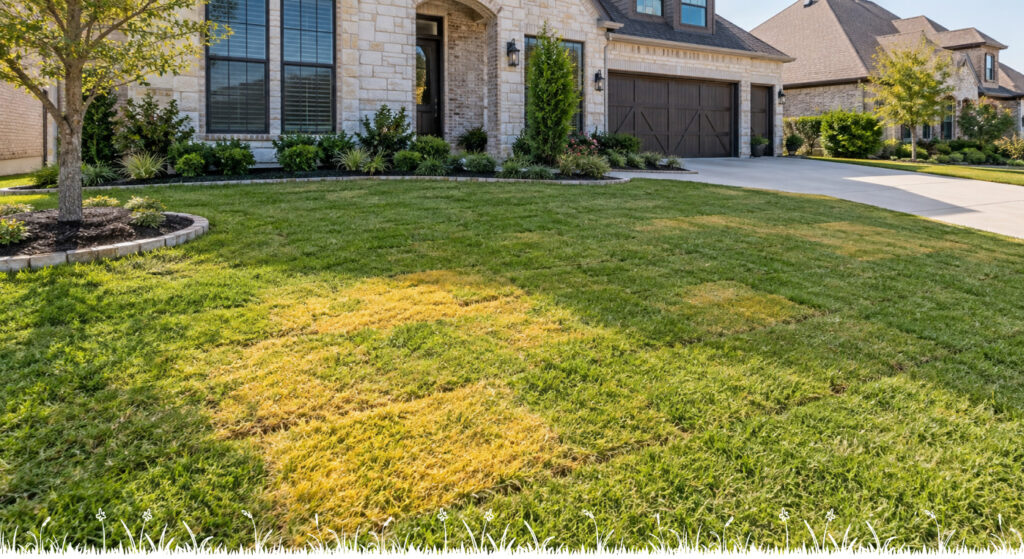
Fresh sod can quickly transform a patchy or damaged yard into a green, finished lawn. However, homeowners sometimes notice yellow areas developing shortly after installation. While some temporary stress can occur as new grass adjusts, widespread or worsening yellowing may indicate that the sod is not receiving the conditions it needs to establish properly. Watering, irrigation coverage, soil contact, weather, and early lawn care can all influence new sod. Proper sod installation should therefore include more than simply laying grass—it should also consider the conditions that will support establishment afterward. Here are seven common reasons new sod may begin turning yellow after installation. Your New Sod May Not Be Getting Enough Water Fresh sod needs consistent moisture while its roots begin establishing in the soil underneath. If the sod dries too quickly, yellow or brown areas may begin appearing. Edges and corners can be particularly vulnerable because they may lose moisture faster than the center of each sod piece. Watch for: A professional sod installation service should consider soil preparation, placement, irrigation coverage, and early care to give the new lawn a stronger start. Too Much Water Can Also Cause Problems When new sod begins turning yellow, adding more water may seem like the obvious solution. However, excessive watering can also create unfavorable conditions. If the soil remains constantly saturated, the new lawn may struggle rather than establish properly. Check for signs such as: Instead of automatically increasing watering time, check the moisture conditions in several areas of the lawn. The goal is consistent moisture without leaving the property unnecessarily saturated. Irrigation Coverage May Be Uneven A sprinkler system can be running normally while still failing to provide even coverage. Blocked heads, incorrect spray patterns, low pressure, or sprinkler positioning can leave some sections too dry and others excessively wet. Professional irrigation services can help identify coverage problems that may be contributing to yellow areas in newly installed sod. Run each sprinkler zone and observe where the water actually lands. If yellow areas consistently correspond with weak sprinkler coverage, the irrigation system may need attention. Poor Soil Contact Can Affect Establishment New sod needs good contact with the prepared soil underneath it. If sections are sitting above uneven ground, debris, old grass, or poorly prepared soil, roots may have difficulty establishing properly. Those areas can remain loose and may begin looking different from surrounding sod. Walk around the property carefully and look for: Avoid repeatedly lifting sod to inspect it, as unnecessary disturbance can interfere with the establishment process. Proper preparation before installation can reduce many of these issues. North Texas Heat Can Stress Fresh Sod Warm temperatures and direct sunlight can cause newly installed sod to lose moisture quickly. Sections receiving full afternoon sun may respond differently from areas shaded by trees, fences, or buildings. Wind can also increase moisture loss in exposed areas. During warmer conditions, monitor the lawn rather than assuming every section needs exactly the same attention. Look for patterns in where yellowing occurs. If the most exposed areas are changing color first, environmental stress may be contributing. Weather conditions can change quickly, so early sod care may need to be adjusted as conditions change. The Lawn May Be Experiencing Installation Stress Fresh sod has been cut, transported, installed, and placed into a new environment. Some stress during this transition can affect its appearance. However, yellowing should still be monitored carefully, particularly if it continues spreading or certain sections appear significantly worse than others. Our recent guide, Why Does Mulch Keep Washing Out of Your Landscape Beds?, explains how irrigation runoff, drainage, slopes, and changing landscape conditions can affect other areas of the property as well. Looking at the entire property can help identify whether water movement or drainage is contributing to problems around the new lawn. New Sod May Be Mowed or Used Too Soon Fresh sod needs time to establish before returning to a normal lawn routine. Heavy foot traffic can shift pieces before roots become secure, while mowing too early may disturb sections that are still establishing. Once the lawn is ready for routine care, professional lawn maintenance services can help maintain mowing, edging, and the overall appearance of the property. During the early period, try to minimize unnecessary activity across the new lawn, particularly in areas that already appear stressed. Check the Pattern of Yellowing Where the sod turns yellow can provide useful clues about what may be happening. If only edges and seams are affected, moisture loss may be worth checking. If one entire irrigation area is yellowing, inspect sprinkler coverage. Low areas that remain wet may indicate excessive moisture or drainage issues. Compare affected sections with healthy areas and consider: Identifying a pattern can help you avoid making unnecessary changes across the entire lawn. Protect Your New Lawn after Installation New sod requires attention while it develops roots and adjusts to the property. Proper watering, irrigation coverage, limited traffic, appropriate mowing, and continued monitoring can all contribute to successful establishment. Homeowners searching for lawn maintenance Lewisville TX can turn to Cameron’s Pro Lawn Services for professional sod installation, lawn maintenance, irrigation, landscaping, and seasonal services throughout Lewisville and surrounding North Texas communities. Frequently Asked Questions Is it normal for new sod to turn slightly yellow? Some temporary stress can occur after installation, but persistent or spreading yellow areas should be monitored for watering, irrigation, soil-contact, or other establishment problems. Can under watering make new sod yellow? Yes. New sod can dry quickly before its roots establish, particularly around seams, edges, and areas receiving more direct sunlight. Can overwatering turn new sod yellow? Excessive moisture and constantly saturated soil can also create poor conditions for establishing sod. Why is only one part of my new sod yellow? Uneven irrigation, sunlight, drainage, soil contact, or other localized property conditions may cause one section to respond differently from another. Should I mow yellow new sod? Avoid rushing into normal mowing while sod is still establishing. Make sure the lawn is sufficiently rooted
Why Is Your New Sod Developing Gaps Between the Pieces?
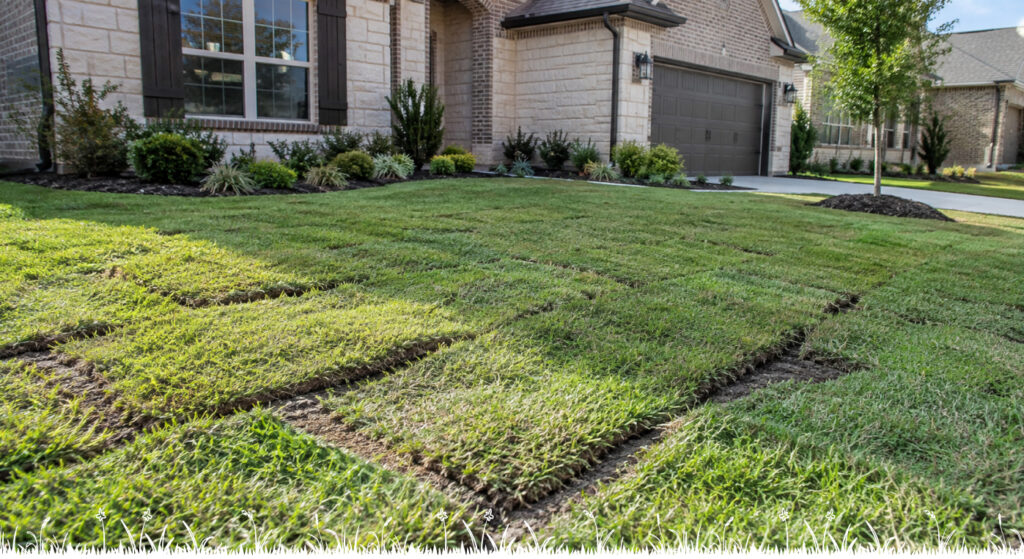
Fresh sod can quickly transform a patchy or damaged yard into a cleaner, greener lawn. After installation, however, some homeowners begin noticing visible gaps forming between individual pieces of sod. Small seams may be noticeable immediately after installation, but gaps that become wider over time can indicate problems with moisture, soil preparation, placement, or establishment. Homeowners searching for sod installation companies near me should consider proper preparation and early sod care just as important as laying the sod itself. Here are some common reasons new sod develops gaps and what North Texas homeowners should watch for. The Sod May Be Drying Out and Shrinking One of the most common reasons gaps appear between sod pieces is moisture loss. Fresh sod contains moisture when installed. If it begins drying too quickly, individual pieces can shrink slightly and create more visible seams between them. Watch for additional signs such as: Watering is especially important during the early establishment period because the sod has not yet developed a strong root system in the soil below. The Pieces Were Spaced Too Far Apart Sod pieces should be positioned closely together during installation. If large spaces are left between pieces from the beginning, those seams may remain noticeable and can become more obvious as the sod dries or settles. A professional sod grass installation service should focus on careful placement, soil preparation, and close contact between neighboring pieces. Proper placement from the beginning can help create a more consistent finished lawn while the new sod establishes. Uneven Soil Can Cause Sod to Shift The ground underneath new sod should provide a smooth and properly prepared foundation. Low spots, bumps, debris, or poorly leveled soil can prevent sod pieces from sitting evenly. As the lawn is watered and begins settling, individual sections may move or separate. Proper preparation before installation may include: If pieces repeatedly shift or appear raised, the problem may be underneath the sod rather than with the grass itself. Irrigation Coverage May Be Uneven Running the sprinkler system does not always mean every piece of new sod is receiving the same amount of water. A blocked sprinkler head, incorrect spray pattern, low pressure, or poorly positioned sprinkler can leave certain sections considerably drier than others. Those dry areas may begin shrinking while properly watered sections remain relatively stable. Professional irrigation services can help identify uneven coverage, sprinkler head problems, and other watering issues that may affect new sod establishment. During the early establishment period, inspect several areas of the lawn after watering instead of assuming coverage is consistent everywhere. Foot Traffic Can Move New Sod Fresh sod is not immediately attached to the soil underneath it. Before roots become established, walking across the lawn can move individual pieces, particularly when the ground is wet or soft. Try to limit unnecessary traffic from: High-traffic areas near gates, patios, and walkways may require particular attention. Once the sod has established stronger roots, it becomes more stable and better able to handle normal lawn activity. New Sod Needs Consistent Early Maintenance Installation is only the beginning of establishing a new lawn. Watering, irrigation coverage, foot traffic, mowing, and general lawn conditions should all be monitored during the early stages. Our recent guide, Why Do Landscape Beds Keep Getting Overgrown? 7 Common Causes, explains how irrigation, seasonal growth, and consistent property maintenance can also affect the appearance of surrounding landscape areas. Once the new sod has properly established, professional lawn maintenance services can help maintain mowing, edging, and the overall appearance of the lawn. Weather Can Affect New Sod Establishment North Texas weather can create additional challenges for newly installed sod. Warm temperatures, direct sunlight, wind, and changing rainfall can influence how quickly the sod loses moisture. Sections exposed to full sun may dry faster than shaded areas, which can create differences across the same lawn. This is why new sod should be monitored based on actual property conditions rather than relying only on how one section looks. If gaps are developing primarily in sunny or exposed areas, compare moisture conditions with other parts of the lawn. What Should You Do If Gaps Start Appearing? Do not automatically assume the entire sod installation has failed. Start by checking the conditions around the affected areas. Look at moisture levels, irrigation coverage, soil contact, foot traffic, and whether individual pieces have shifted. Small seams may become less noticeable as the lawn establishes and grows, but widening gaps or consistently dry sections deserve closer attention. Avoid making major adjustments without identifying the likely cause first. Adding more water to the entire lawn, for example, may create overly wet conditions in areas that are already receiving enough moisture. Protect Your New Lawn after Installation A successful sod project depends on both proper installation and consistent care afterward. Monitor watering, minimize unnecessary traffic, check sprinkler coverage, and wait until the lawn is sufficiently established before returning to a normal maintenance routine. Homeowners searching for lawn maintenance Lewisville TX can turn to Cameron’s Pro Lawn Services for sod installation, lawn maintenance, irrigation, landscaping, and seasonal services throughout Lewisville and surrounding North Texas communities. Frequently Asked Questions Why are gaps forming between my new sod pieces? Sod can develop gaps because of moisture loss, shrinking, improper spacing, uneven soil, movement, or inconsistent irrigation coverage. Will gaps in new sod fill in naturally? Small seams may become less noticeable as the lawn establishes and grows. Larger or widening gaps should be inspected to determine why the pieces are separating. Can new sod shrink after installation? Yes. If fresh sod loses moisture too quickly, individual pieces can shrink and make seams more visible. Can walking on new sod create gaps? Yes. Heavy or repeated foot traffic before the roots establish can cause pieces to shift or separate. Should I water new sod more if gaps appear? Check the moisture and irrigation coverage first. Some areas may be too dry while others already receive sufficient water, so increasing watering across the entire property is not always
Why Is Your New Sod Not Growing? Common Problems to Check
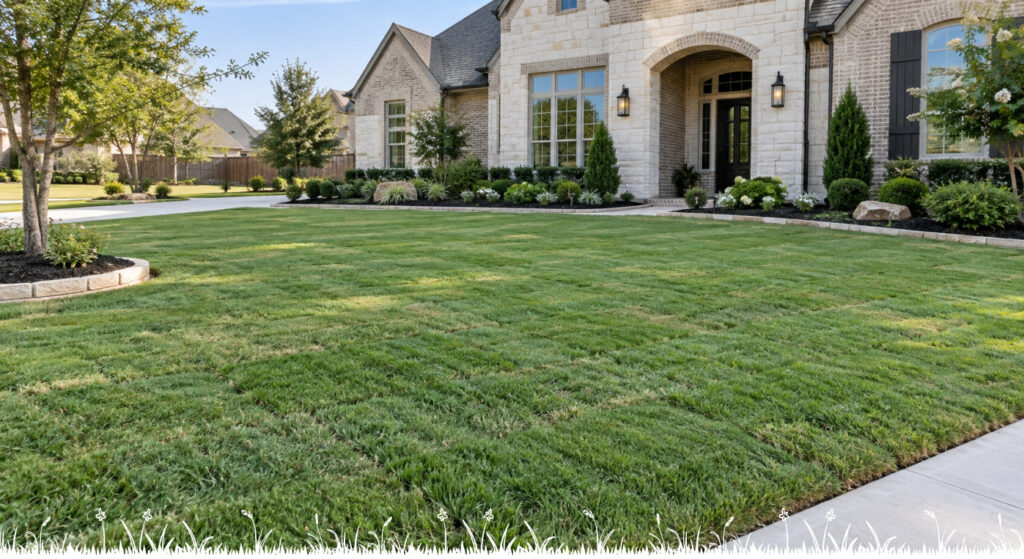
Installing fresh sod can quickly improve the appearance of a thin, patchy, or damaged lawn. However, new sod needs the right conditions after installation to begin establishing roots and developing into a healthy lawn. If your new sod still looks weak, loose, dry, or uneven after installation, there may be an underlying problem. Proper preparation, watering, irrigation coverage, and early lawn care all play an important role when installing sod on a North Texas property. Here are some common problems to check if your new sod does not appear to be growing or establishing properly. The Soil Was Not Properly Prepared Healthy sod establishment begins before the first piece of sod is installed. Placing new sod over poorly prepared, compacted, or uneven soil can make it more difficult for roots to establish contact with the ground underneath. Existing grass, weeds, debris, and other material can also create a barrier between the sod and soil. Proper preparation may include: Professional lawn sod installation services should focus on preparing the installation area before laying fresh sod. Good preparation gives the new lawn a stronger foundation from the beginning. The Sod Is Not Making Good Contact with the Soil New sod needs direct contact with the prepared soil underneath it. If sections are sitting above uneven soil, overlapping, or leaving gaps, roots may have difficulty reaching the ground. Those areas can dry faster and may remain loose while surrounding sections begin establishing. Walk around the lawn carefully and look for sections that appear raised, separated, or noticeably different from neighboring pieces. Avoid repeatedly lifting the sod to check underneath it. Once installation is complete, unnecessary disturbance can interfere with the establishment process. The New Sod Is Not Receiving Enough Water Freshly installed sod can dry quickly, particularly during warm North Texas conditions. Watering is especially important during the early establishment period because the root system has not yet developed deeply into the soil. Signs that an area may not be receiving enough water can include: The exact watering needs can vary depending on weather, soil conditions, grass type, and the property itself. Instead of relying only on a fixed schedule, monitor how the new lawn is responding. Your Irrigation Coverage Is Uneven Even if the sprinkler system runs every day that does not guarantee every section of new sod receives the same amount of water. Blocked sprinkler heads, incorrect spray patterns, low pressure, or poorly positioned sprinklers can leave dry areas between watering patterns. Before or shortly after using a professional grass sod installation service, it is important to make sure the irrigation system provides appropriate coverage across the installation area. If some parts of your new sod look healthy while others repeatedly appear dry, professional irrigation services can help identify coverage problems, damaged sprinkler heads, or other issues that may be preventing your new sod from receiving consistent water. Our recent guide, Why Does Your Sprinkler System Keep Running After It Should Stop? Also covers common controller, valve, solenoid, and wiring problems that can affect how an irrigation system operates. The Sod May Be Receiving Too Much Water Not enough water can cause problems, but excessive watering is not automatically better. If the lawn remains constantly saturated, certain areas may become excessively soft or develop standing water. Poor drainage can make the issue worse. After watering, inspect the lawn for: The goal is to support establishment without leaving the property unnecessarily saturated. The New Lawn Is Being Used Too Soon New sod needs time to establish before it receives normal foot traffic. Walking, playing, moving equipment, or repeatedly crossing the same sections too early can shift sod pieces and interfere with root-to-soil contact. Try to minimize unnecessary activity while the lawn is establishing. This is particularly important around: Once the sod begins rooting properly, it will become more stable and better able to handle normal lawn activity. Mowing Too Early Can Stress New Sod Homeowners are often eager to mow once fresh sod begins growing, but mowing before the lawn has started establishing can disturb sections that have not rooted securely. Before mowing, the sod should be stable enough that normal mowing will not pull, lift, or shift the pieces. Once mowing begins, avoid removing too much grass at one time. Appropriate mowing practices can help maintain a cleaner, more consistent appearance as the lawn continues developing. Professional lawn maintenance services can help keep the lawn maintained after the initial sod establishment period. Give New Sod Time to Establish Fresh sod does not become a fully established lawn immediately after installation. The lawn needs time to develop roots into the soil underneath it. During this period, watering, irrigation coverage, soil conditions, foot traffic, and mowing practices can all influence how consistently the sod establishes. Monitor different sections rather than judging the lawn only by its overall appearance. A recurring problem in one particular area may provide a clue about watering, drainage, soil contact, or another property condition. Protect Your Investment with Consistent Lawn Care Sod installation can create a major visual improvement, but maintaining that appearance requires continued attention after installation. Regular lawn maintenance, appropriate irrigation, clean landscape areas, and seasonal property care can all contribute to keeping the outdoor space well maintained. Homeowners searching for lawn maintenance Lewisville TX can turn to Cameron’s Pro Lawn Services for sod installation, lawn maintenance, irrigation, landscaping, and seasonal services throughout Lewisville and surrounding North Texas communities. Frequently Asked Questions Why is my new sod not rooting? Poor soil preparation, weak soil contact, watering problems, excessive foot traffic, and other site conditions can interfere with establishment. How can I tell if new sod is getting enough water? Check several sections of the lawn rather than only one area. Dry edges, shrinking pieces, or sections drying significantly faster than others may indicate inconsistent watering. Can too much water cause problems for new sod? Yes. Constantly saturated areas, standing water, and poor drainage can create unfavorable conditions while the sod is establishing. When can I start
Can You Lay New Sod Over Existing Grass? What Homeowners Should Know
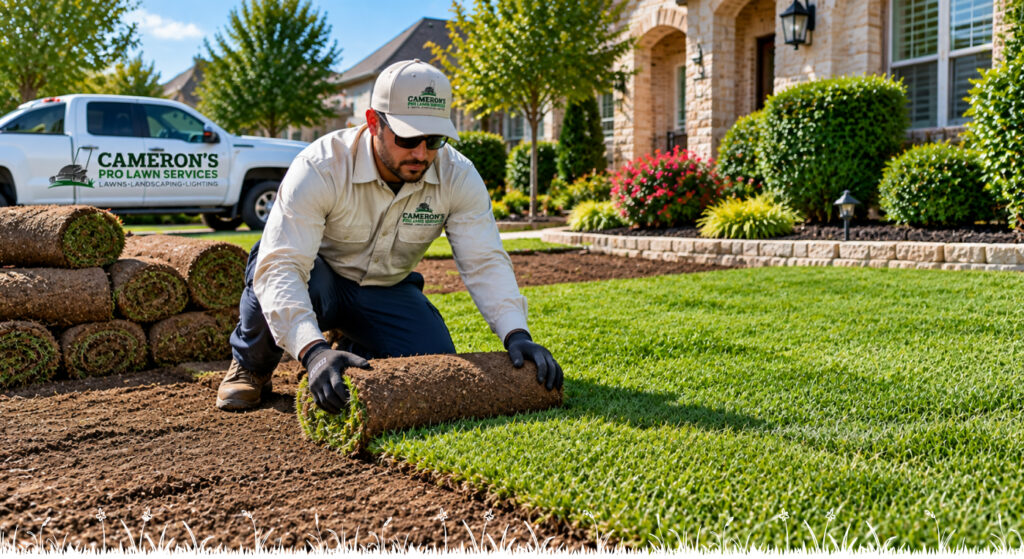
Installing new sod can quickly improve the appearance of a thin, patchy, or worn-out lawn. Because sod arrives with established grass, many homeowners wonder whether they can save time by simply placing the new sod directly over their existing grass. Although this may seem like an easier approach, successful sod installation depends heavily on what happens underneath the new grass. Proper soil contact, grading, preparation, watering, and irrigation can all affect how well new sod establishes. Before scheduling a sod installation service, North Texas homeowners should understand why preparing the existing lawn is an important part of creating a stronger foundation for new sod. Can New Sod Be Installed Directly Over Existing Grass? Placing sod directly over existing grass may appear convenient, but it can create problems between the sod and the soil underneath. New sod needs good contact with prepared soil so its roots can begin establishing. When old grass, weeds, thatch, or other material creates a layer between the new sod and the soil, that contact may be reduced. Instead of focusing only on how quickly sod can be installed, homeowners should consider how well the new grass will be able to establish after installation. Proper preparation can make an important difference during this early stage. Why Existing Grass Should Be Removed? Removing existing grass allows the condition of the underlying area to be evaluated before new sod is installed. Once the old lawn is removed, problems that were previously hidden may become easier to identify. These could include: Installing fresh sod without addressing these conditions may leave the new lawn with some of the same problems that affected the previous grass. A properly prepared surface also makes it easier to install sod evenly across the property. Soil Preparation Helps New Sod Establish After the old grass is removed, the installation area should be prepared for the new sod. The exact preparation required will depend on existing property conditions, but the goal is to create a clean, relatively even surface that allows the sod to make direct contact with the soil. Preparation may involve removing debris, correcting uneven areas, and evaluating the condition of the soil before installation begins. Homeowners comparing installed sod prices should remember that the project involves more than simply purchasing rolls of grass. Site preparation, property conditions, the size of the area, sod selection, and installation requirements can all influence the overall project. Proper Grading Should Be Considered Before Installation Once new sod is installed, correcting major surface problems becomes more difficult. That is why preparation is a good opportunity to look for noticeable high spots, low areas, and grading issues. An uneven surface can affect the finished appearance of the lawn and may also influence how water moves across the property. Landscape conditions around the installation area should also be considered. Beds, edging, walkways, shrubs, and other outdoor features may affect how the finished lawn looks and functions. Professional landscaping services can help maintain surrounding outdoor areas so the new lawn fits cleanly with the rest of the property. Check Your Irrigation before New Sod Goes Down New sod requires consistent watering while it begins establishing, which makes irrigation an important part of the installation process. Before sod is installed, run the sprinkler system and check whether the installation area receives appropriate coverage. Look for: Fixing irrigation problems before installation can be easier than discovering them after fresh sod has already been placed. Professional irrigation services can help identify system issues that may interfere with consistent watering. Professional Installation Can Help Avoid Common Mistakes Sod installation involves more than laying individual pieces of turf next to each other. Existing grass removal, surface preparation, grading, placement, irrigation coverage, and post-installation care all contribute to the finished result. When searching for the best sod installation services nearby, homeowners should look beyond the sod itself and consider whether the company can properly evaluate and prepare the installation area. A carefully prepared lawn provides a better starting point than simply covering existing grass and hoping the new sod establishes successfully. Coordinate Sod Installation with Your Landscaping If you are already planning changes to your outdoor space, it may make sense to coordinate sod installation with other landscape improvements. Completing bed work, edging, shrub maintenance, or other changes before fresh sod is installed may help reduce unnecessary disturbance to the new lawn. We recently discussed seasonal timing for outdoor improvements in When Is the Best Time to Update Your Landscaping in North Texas? Planning the lawn and surrounding landscape together can help create a cleaner and more consistent finished appearance. . Maintain Your New Lawn after Sod Installation Once the sod begins establishing, ongoing care becomes an important part of protecting its appearance. Monitor watering, avoid unnecessary traffic during the early establishment period, and transition into an appropriate mowing and maintenance routine as the lawn develops. Homeowners looking for lawn maintenance Lewisville TX can turn to Cameron’s Pro Lawn Services for professional lawn care and outdoor property services throughout Lewisville and surrounding North Texas communities. Frequently Asked Questions Can I put new sod directly over my old lawn? Removing the existing grass and preparing the soil generally provides better contact between the new sod and the ground beneath it. Simply covering existing grass can create an unwanted layer between the sod and soil. Do I need to remove all old grass before laying sod? The installation area should be properly prepared before new sod is placed. Existing grass, weeds, debris, and other material can interfere with the surface needed for installation. Why is soil preparation important for new sod? Proper preparation creates a cleaner and more even surface while allowing the sod to make better contact with the soil underneath. Should I check my sprinkler system before installing sod? Yes. Checking irrigation coverage before installation can help identify sprinkler problems before the new lawn requires consistent watering. How soon can newly installed sod be mowed? The appropriate timing depends on how well the sod has established. Avoid
Why Does New Sod Turn Brown? 7 Common Causes and What to Do
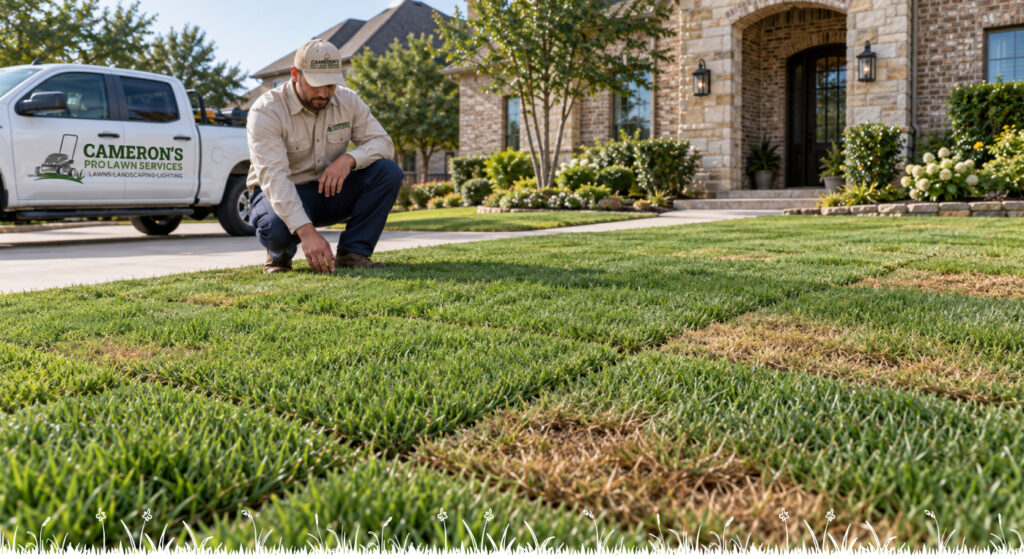
Installing fresh sod is one of the fastest ways to transform a thin, patchy, or damaged yard into a green lawn. However, seeing sections of newly installed grass begin turning brown can be frustrating, especially when you expect immediate improvement. Some temporary stress can occur after sod installation, but persistent or spreading brown areas may indicate that the new grass is struggling to establish. Watering, soil preparation, irrigation coverage, heat, and mowing practices can all influence how successfully new sod develops. For homeowners in Lewisville and surrounding North Texas communities, understanding the most common causes can help you recognize problems before larger sections of the lawn are affected. Your New Sod Is Not Getting Enough Water Insufficient watering is one of the first things to consider when new sod begins turning brown. Fresh sod has not yet developed an established root system in the soil underneath it. During this early stage, consistent moisture is especially important. If sections begin drying out, you may notice: Pay particular attention to edges, corners, and areas exposed to more direct sunlight because these sections may dry differently from the rest of the lawn. The goal is consistent moisture while the sod begins establishing roots rather than allowing it to repeatedly dry out. Too Much Water Can Also Cause Problems More water is not always better. Keeping newly installed sod excessively wet for extended periods can create poor growing conditions. Areas that remain saturated may struggle even though the homeowner is watering frequently. Look for standing water, persistently soggy soil, or sections that remain much wetter than surrounding areas. Watering should support root establishment without continuously flooding the lawn. Professional sod installation services should consider both the condition of the property and the watering requirements after installation so homeowners understand how to care for their new lawn. The Soil Was Not Properly Prepared The condition underneath your sod is just as important as the grass visible above it. Simply placing sod over poorly prepared ground can make it more difficult for roots to establish contact with the underlying soil. Proper preparation may involve removing unwanted material, creating an appropriate surface, and making sure the sod has good contact with the soil beneath it. A full service sod installation should consider preparation as part of the overall process rather than treating installation as simply laying pieces of grass across the property. Your Irrigation Coverage Is Uneven Sometimes the sod itself is not the main problem. Your sprinkler system may appear to be operating normally while certain areas receive significantly less water than others. One sprinkler head may be blocked, damaged, poorly positioned, or producing weaker pressure. This can create noticeable brown sections even when the rest of the new lawn remains green. Professional irrigation services can help identify coverage problems that may be preventing sections of new sod from receiving consistent moisture. We recently covered another common irrigation issue in Why Is Your Sprinkler System Losing Water Pressure? Common Causes to Check. If some areas of your new lawn are receiving noticeably weaker sprinkler coverage, that guide can help you understand what may be happening. North Texas Heat Is Stressing the New Grass Newly installed grass can be more vulnerable to environmental stress while its roots are still developing. Warm North Texas conditions can increase moisture loss, particularly in areas receiving direct sunlight for much of the day. Edges near pavement, driveways, sidewalks, and other heat-absorbing surfaces may also behave differently from more protected areas. This makes monitoring especially important after installation. Rather than assuming every brown area means the sod has failed, look at where the discoloration is occurring and whether those sections are drying more quickly than the rest of the lawn. The Sod Was Mowed Too Soon After installing new sod, it can be tempting to mow as soon as the grass begins looking taller. However, the sod needs time to establish itself in the underlying soil. Mowing before the roots have developed enough may disturb sections that are still establishing. Before mowing, the grass should be sufficiently rooted so that the sod does not easily shift or lift. Once mowing begins, avoid removing excessive grass height at one time. After the lawn becomes established, professional lawn maintenance services can help keep the grass consistently maintained as part of your ongoing property care. The Sod Has Poor Contact with the Soil New sod needs good contact with the prepared soil beneath it. If certain pieces are not making proper contact, roots may have more difficulty establishing. Those sections can begin showing stress while neighboring pieces remain healthy. This can sometimes create an uneven appearance where individual sections or edges become brown. Professional installation should focus on creating consistent placement and minimizing gaps that could interfere with establishment. When choosing a sod installation lawn service, property owners should consider the complete process, including preparation, installation, watering considerations, and guidance for caring for the lawn afterward. Can Brown Sod Turn Green Again? Brown does not automatically mean that every affected section is permanently lost. The condition of the grass, how long it has been stressed, whether roots are establishing, and the cause of the discoloration can all matter. If you notice brown areas developing, investigate early rather than simply increasing watering across the entire property. Check whether: Finding the pattern can provide useful clues about what needs attention. Give New Sod the Right Start Installing sod creates an immediate visual transformation, but the lawn still requires proper care as it establishes. Homeowners searching for lawn maintenance Lewisville TX can rely on Cameron’s Pro Lawn Services for ongoing outdoor property care after their new lawn begins establishing. Good preparation, consistent watering, effective irrigation coverage, appropriate mowing, and ongoing maintenance all play a role in keeping a newly installed lawn looking its best. Frequently Asked Questions Is it normal for new sod to turn slightly brown? Some stress can occur after installation, but spreading or persistent brown areas should be investigated. Check moisture, irrigation coverage, soil
How Long Does New Sod Take to Root? A Complete North Texas Guide
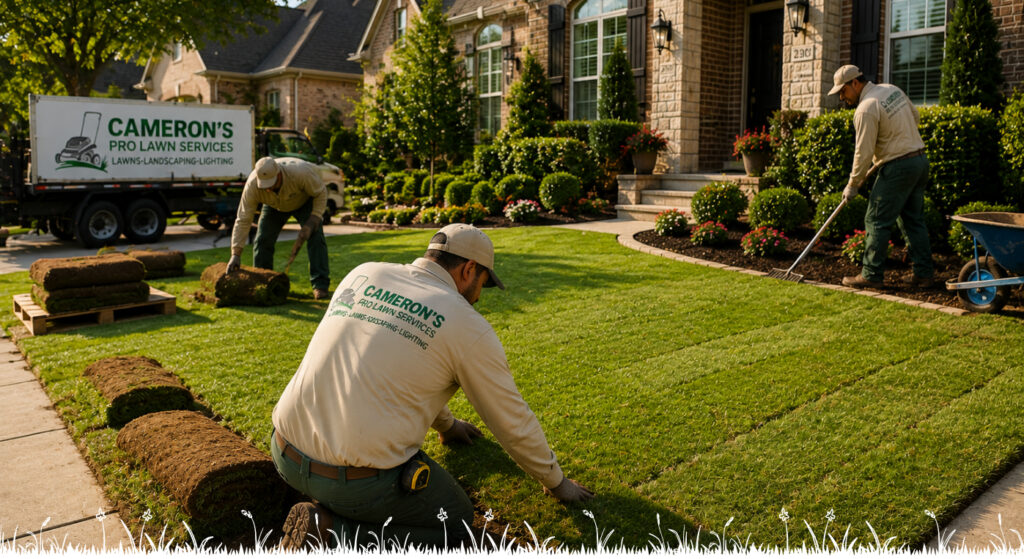
Installing new sod is one of the fastest ways to transform a thin, patchy, or damaged lawn into a fresh green outdoor space. However, installation is only the beginning. New sod needs time, consistent moisture, and proper care before its roots become established in the soil below. For North Texas property owners, understanding the rooting process is especially important because heat, changing rainfall, soil conditions, and irrigation can all affect establishment. Whether you are installing sod for a new property or replacing an existing lawn, knowing what to expect during the first few weeks can help protect your investment. How Long Does New Sod Usually Take to Root? New sod generally begins developing shallow roots within approximately 1–2 weeks under favorable conditions. Stronger root establishment usually takes several weeks. There is no single timeline that applies to every lawn. Root development can depend on: The first few weeks are especially important. Sod may look green from above while the roots underneath are still developing. What Happens During the First Week? Immediately after installation, sod needs close attention because its root system has not yet connected strongly with the existing soil. Moisture is one of the biggest priorities during this period. The sod and underlying soil should receive appropriate watering so the new grass does not dry out. You should also minimize unnecessary foot traffic. Walking repeatedly across freshly installed sod can shift pieces, create uneven areas, and interfere with establishment. Professional sod installation services should include proper site preparation and careful placement so the sod has good contact with the soil underneath. What to Expect During Weeks Two and Three During the second and third weeks, roots should gradually begin attaching more firmly to the soil. A simple way to observe the establishment is to carefully lift a corner of the sod. If it offers resistance rather than lifting easily, roots are beginning to develop. Do not repeatedly pull the sod up to check it, however. Once you notice resistance, allow the root system to continue developing without unnecessary disturbance. Watering requirements may also begin changing as the lawn establishes. Instead of following the initial watering routine indefinitely, irrigation should gradually adjust based on weather, soil moisture, and grass development. Why Irrigation Matters for New Sod New sod can struggle when it receives either too little or too much water. Insufficient watering can cause sod to dry out before roots become established. Excessive watering can leave the soil saturated and create poor growing conditions. North Texas weather makes monitoring especially important. Hot, sunny days can dry the lawn faster, while rainfall or cooler conditions may reduce watering needs. A properly functioning irrigation service setup can help provide more consistent coverage across the lawn. When Can You Mow New Sod? Avoid mowing immediately after installation. The grass should have enough time to begin establishing roots before a mower moves across it. Mowing too early can shift sections of sod or place unnecessary stress on developing grass. Before the first mow, check whether the sod feels securely rooted and whether the soil is firm enough to support mowing equipment without creating ruts. Once routine mowing begins, proper lawn maintenance Lewisville TX can help keep an established lawn maintained as it continues developing. When Is It Safe to Walk on New Sod? Keep foot traffic limited during the early establishment period. Children, pets, regular walking, and lawn equipment can place pressure on sections that have not rooted properly. As the sod develops stronger roots and no longer moves easily under light pressure, normal use can gradually resume. For lawns that receive frequent family, pet, or commercial traffic, allowing adequate establishment time is particularly important. What Can Slow Down Sod Rooting? Several problems can delay establishment. Poor Soil Preparation Placing sod over compacted, uneven, or poorly prepared soil can reduce root-to-soil contact. Inconsistent Watering Allowing new sod to repeatedly become excessively dry can interfere with healthy establishment. Too Much Water Constantly saturated soil can also create problems. Watering should respond to actual conditions rather than following an excessive schedule. Heavy Traffic Walking or placing equipment on sod too soon can cause movement and uneven areas. Weather Conditions Extreme North Texas heat can increase moisture requirements, while cooler temperatures may slow grass growth. Professional lawn sod installation services can help ensure the lawn is properly prepared and installed before the critical establishment period begins. How Much Does Sod Installation Cost? Homeowners researching installed sod prices should understand that total cost depends on more than the price of the sod itself. Factors may include: Because every property is different, an on-site evaluation is generally more useful than relying on a generic price per square foot. What Happens After the Sod Is Established? Once roots have developed and the lawn is ready for normal use, the focus shifts from establishment to ongoing care. Routine mowing, edging, irrigation monitoring, cleanup, and seasonal adjustments can help maintain the appearance of the new lawn. Professional lawn maintenance services can provide ongoing care once new sod has successfully established. Continue Preparing Your Property for Seasonal Changes New sod care should also account for changing weather conditions. Watering, mowing, and general lawn needs can change as North Texas moves from one season into another. For more information about preparing your lawn and landscape for changing weather, read our guide on Seasonal Landscape Maintenance: What Your Property Needs before fall Frequently Asked Questions How quickly does new sod start rooting? Under favorable conditions, shallow roots can begin developing within approximately one to two weeks, while stronger establishment generally takes several weeks. Can I walk on sod immediately after installation? It is better to limit unnecessary traffic while roots are establishing. Regular use can gradually resume once the sod is securely rooted. How do I know if my sod has rooted? Carefully test a small corner. Resistance when gently lifting the sod can indicate that roots are attaching to the soil. Should new sod be watered every day? Watering depends on establishment stage,
Sod Installation vs. Seeding: Which Is Better for Your Lawn?
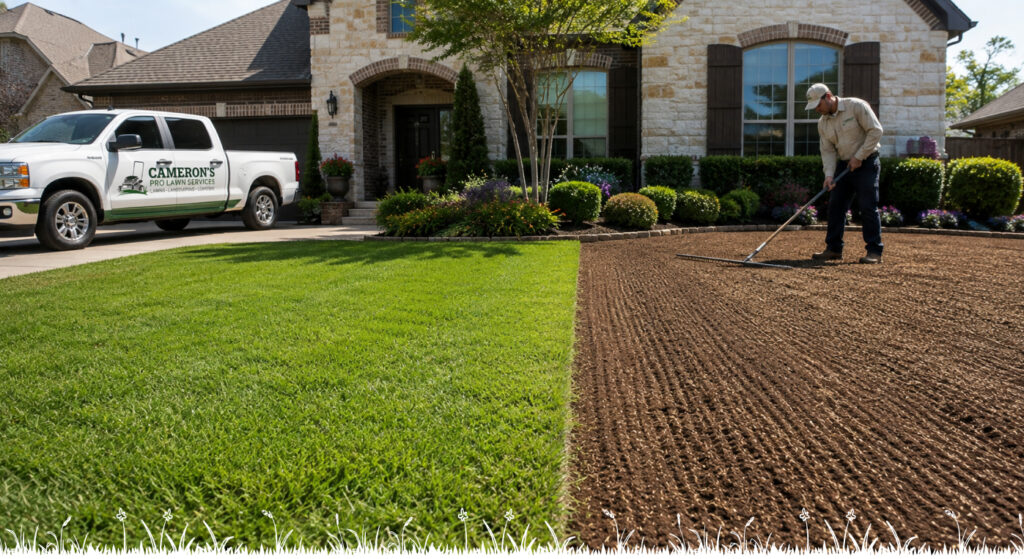
Creating a healthy, attractive lawn often starts with one important decision: should you install sod or grow new grass from seed? Both approaches can establish a lawn, but they differ significantly in appearance, establishment time, initial care, and the amount of patience required. For North Texas homeowners dealing with bare areas, severely damaged grass, or a property that needs a fresh start, professional sod installation can provide an established lawn much faster than starting from seed. Understanding the differences can help you choose the approach that makes the most sense for your property. Cameron’s Pro Lawn Services provides professional sod and lawn care solutions throughout Lewisville and surrounding North Texas communities. What Is the Difference Between Sod and Seed? Sod is mature grass that has already been grown before being harvested in sections or rolls. These sections are installed directly over properly prepared soil. Grass seed takes a different approach. Seeds are distributed over prepared soil and must germinate, develop roots, and gradually fill the lawn. The biggest difference is immediately visible. Sod provides established grass across the property as soon as installation is completed, while seed requires considerably more time before the lawn develops a full appearance. Sod Provides Faster Visual Results One of the main reasons homeowners choose a professional sod installation service is the immediate transformation. A bare or damaged yard can quickly gain a complete layer of established grass. The sod still requires time to develop strong roots in its new soil, but homeowners do not have to wait for individual seeds to germinate and gradually cover the property. Seeding requires more patience. During establishment, the lawn may initially appear thin or uneven. If improving the property’s appearance quickly is important, sod generally offers the advantage. Seeding Usually Requires More Establishment Time Seed needs appropriate soil conditions, moisture, temperature, and ongoing care before it becomes an established lawn. Germination is only the beginning. Young grass must continue developing before it can create consistent coverage. During this period, issues such as uneven germination, rainfall, watering inconsistencies, or foot traffic can affect results. Sod eliminates the germination stage because the grass is already mature when installed. However, newly installed sod is not maintenance-free. It still needs careful watering and time to establish roots. Proper Soil Preparation Matters for Both Neither sod nor seed should simply be placed over an unprepared surface. Before establishing a new lawn, the area may require: Good preparation creates a better foundation for the new grass. A professional grass sod installation service should consider the condition of the existing property before laying new sod rather than treating installation as simply placing grass over the ground. Watering Is Critical After Installation Whether you choose sod or seed, water plays an important role during establishment. New sod requires consistent moisture while roots begin connecting with the soil underneath. Allowing newly installed sod to dry excessively can interfere with establishment. Seed also requires careful moisture management during germination and early growth. Before starting either project, inspect your irrigation system to make sure water is reaching the intended areas evenly. Broken sprinkler heads, poor coverage, or malfunctioning zones can create dry sections that make establishing a uniform lawn more difficult. Consider How Quickly You Need to Use the Property The intended use of the lawn can influence your decision. If you’re preparing a property for improved curb appeal or simply want to replace a severely damaged lawn without waiting through a long growing process, sod may be more practical. Seed can work for property owners who have more time and are comfortable allowing the lawn to develop gradually. Regardless of the method, traffic should be managed carefully during establishment. New grass needs time before it can handle normal activity. Compare More Than the Initial Cost Seed generally has a lower upfront material cost than sod. However, price should not be the only consideration. When comparing options, think about: A professional sod grass installation service can provide a more immediate finished appearance, while seeding may require additional patience and ongoing attention before comparable coverage develops. The better option depends on your budget, property condition, expectations, and timeline. Think about Long-Term Lawn Maintenance Installing sod or planting seed is only the beginning. Once the lawn becomes established, consistent mowing, edging, watering, and general care are important for maintaining its appearance. Property owners searching for lawn maintenance Lewisville TX should consider how the new lawn will be maintained after installation, not just how it will be established. For ongoing mowing, edging, and routine property care, professional lawn maintenance services can help keep established grass consistently maintained. Which Option Is Better for Your Lawn? There isn’t one answer for every property. Sod may be a better fit when: Seed may make sense when: The condition of the existing lawn, soil, irrigation, season, and long-term expectations should all be considered before deciding. Keep Your Property Ready Throughout the Year New grass is only one part of maintaining an attractive outdoor property. Seasonal cleanup and preparation also help keep lawns and landscapes looking their best as conditions change. Our previous guide explains ways professional holiday lighting can enhance an already well-maintained property: Holiday Lighting Installation: 7 Ways to Make Your Home Stand Out Why Choose Cameron’s Pro Lawn Services? Cameron’s Pro Lawn Services provides lawn and outdoor property solutions throughout Lewisville and surrounding North Texas communities. Our services include sod installation, lawn maintenance, landscaping, irrigation, seasonal services, and holiday lighting. From preparing the property for new sod to helping maintain the lawn after establishment, consistent professional care can help protect the appearance of your outdoor space. Frequently Asked Questions Is sod faster than growing grass from seed? Yes. Sod provides mature grass immediately after installation, although it still needs time and appropriate watering to establish roots in the underlying soil. Does new sod need frequent watering? New sod needs consistent moisture during establishment. Watering requirements should be adjusted according to conditions rather than allowing the new sod to become excessively dry or waterlogged.
