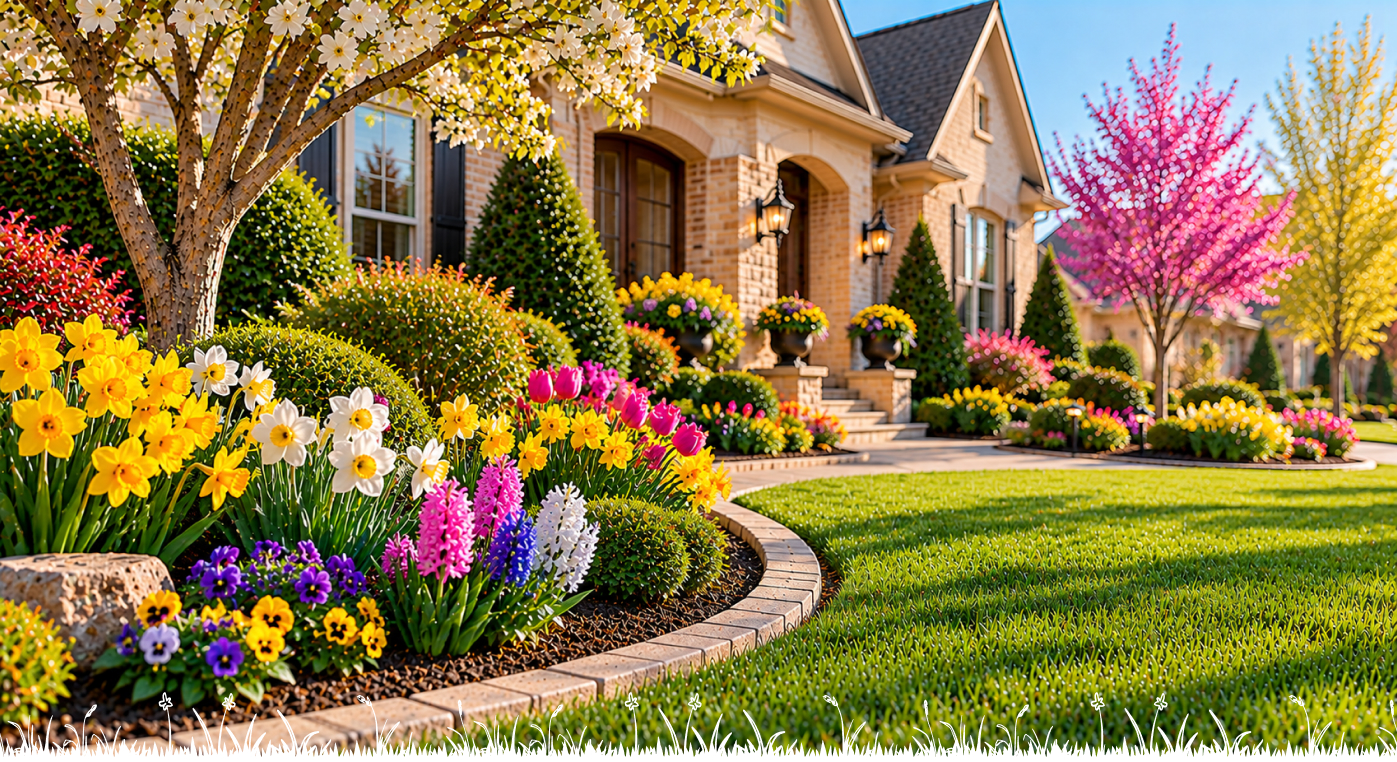
Daffodil planting North Texas homeowners can plan during the cooler part of fall, giving bulbs time to establish before spring. North Texas has a different climate from regions where bulbs experience long, cold winters, so planting time and bulb selection matter. Local gardening guidance generally places spring-bulb planting from fall into early winter, with late October through December being a useful period depending on the bulb and current soil conditions.
For homeowners in Lewisville and surrounding North Texas communities, this is a good time to look at planting beds, decide where spring color is needed, and prepare the soil before planting.
Why Plant Spring Bulbs in Fall?
Spring-flowering bulbs spend much of their early life underground.
After planting, they develop roots while temperatures are cooler. When spring arrives, the bulbs can use the established root system to produce leaves and flowers.
North Texas gardening guidance recommends planting suitable spring bulbs between October and December while the soil is cooling.
This makes fall an important planning period for homeowners who want colorful spring landscapes.
The exact planting date should still depend on the type of bulb, soil temperature, weather, and the specific requirements of the variety being planted.
Daffodils Are a Reliable North Texas Choice
Daffodils are among the spring bulbs that can perform well in North Texas.
The Dallas Arboretum recommends planting daffodil bulbs in late fall to early winter, followed by watering and appropriate feeding.
Daffodils can also return year after year when planted in suitable conditions.
Their bright flowers can provide a strong seasonal focal point in landscape beds, around trees, along walkways, or in natural-looking groupings.
For homeowners who want spring color without redesigning the entire landscape, strategically placed bulbs can make a noticeable difference.
Don’t Treat Every Bulb the Same
One of the biggest mistakes homeowners can make is assuming every spring bulb should be planted at exactly the same time.
Different bulbs have different requirements.
North Texas sources note that certain bulbs can perform well locally while others may need special preparation because the region’s winter temperatures may not provide enough natural chilling.
Tulips and hyacinths are good examples.
Some North Texas gardeners pre-chill these bulbs before planting because local winters may not provide the cold period they need for reliable flowering.
Before buying large quantities, check whether the specific variety is recommended for North Texas.
Choose the Right Planting Location
Location can make a major difference in bulb performance.
Look for areas that receive adequate sunlight during the growing season and have good drainage.
Bulbs generally do not perform well when they remain in constantly saturated soil.
Avoid areas where water regularly collects after rainfall.
Also consider what the planting area will look like throughout the year.
A bed that looks empty after spring bulbs finish flowering may benefit from other plants that provide summer or fall interest.
Prepare North Texas Soil Before Planting
North Texas soil can be challenging, particularly in areas with heavy clay.
Before planting bulbs, loosen the soil and make sure excess water can drain away.
Local North Texas bulb guidance recommends improving heavy clay soil with suitable organic material and expanded shale where appropriate.
The objective is not to create a completely different soil profile.
Instead, focus on creating a planting area where bulbs can establish roots without remaining excessively wet.
Plant Bulbs at the Right Depth
Planting depth is another important consideration.
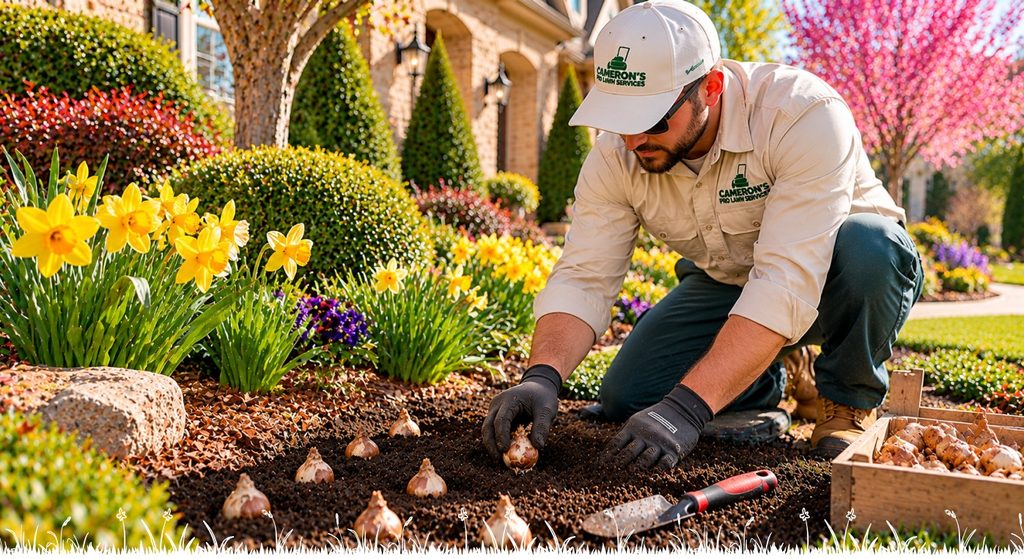
A commonly recommended guideline is to plant bulbs at approximately three times the height of the bulb, although exact requirements can vary by species and variety.
The pointed side generally faces upward.
Avoid guessing when planting expensive or unfamiliar bulbs. Check the planting instructions supplied with the specific variety.
Correct depth helps protect the bulb and supports healthy root and shoot development.
Give Bulbs Enough Space
Spacing affects both appearance and plant performance.
Planting bulbs too far apart can make a display look sparse.
Planting them too close together can create unnecessary competition as plants develop.
North Texas bulb guidance commonly recommends spacing bulbs at roughly two to three times the bulb width, depending on the variety and desired effect.
For a natural appearance, homeowners can also use irregular groupings rather than perfectly straight rows.
Create Natural-Looking Daffodil Groups
Daffodils can look particularly attractive when planted in informal clusters.
Rather than placing one bulb at every exact distance, consider creating groups that appear naturally distributed throughout the landscape.
North Texas bulb experts specifically recommend scattering daffodils through suitable planting areas for a more natural appearance.
They can work well around evergreen ground covers, beneath suitable trees, or throughout larger landscape beds.
The key is to consider how the flowers will look when viewed from the house, sidewalk, street, and driveway.
Be More Intentional With Tulips
Tulips can create a dramatic spring display, but they behave differently from daffodils in North Texas.
Local gardening guidance notes that tulips generally do not perennialize reliably in North Texas and may be treated more like a seasonal display.
If you want a strong visual impact, planting tulips in groups or clusters can make the display feel fuller.
However, homeowners should understand the additional preparation that may be necessary before investing in a large tulip planting.
Consider Spring Bulbs for Existing Landscape Beds
Bulbs do not require an entirely new landscape design.
They can be incorporated into existing beds around established shrubs, trees, borders, and walkways.
This makes them a useful option for homeowners who want to add seasonal color without removing their existing landscape.
When choosing locations, think about what the area will look like before, during, and after the bulbs bloom.
A successful landscape should still look intentional after the flowers have finished.
Think About Spring Color Before You Plant
One benefit of planting bulbs is the ability to plan a landscape months ahead.
Instead of waiting until spring to decide where flowers should appear, homeowners can determine their desired focal points during fall.
Think about the areas that look empty in early spring.
Entryways, front beds, walkways, and spaces beneath suitable deciduous trees can all provide opportunities.
Consider how sunlight changes between winter and spring before finalizing the planting locations.
Don’t Forget Existing Trees and Shrubs
Bulbs planted beneath trees can create an attractive natural effect, but not every location is suitable.
Dense shade, heavy root competition, poor drainage, or excessive irrigation can affect bulb performance.
Observe the area before planting.
If the ground remains wet or receives very little usable sunlight, another location may be better.
For homeowners planning broader landscape improvements, landscape maintenance can help keep established beds organized while new seasonal planting is incorporated.
Water After Planting
Newly planted bulbs should be watered according to their planting conditions and current weather.
The goal is to provide enough moisture to encourage root development without leaving the soil saturated.
North Texas weather can change quickly during fall and winter, so homeowners should consider recent rainfall before adding more water.
If the planting area is connected to an automatic irrigation system, make sure the watering pattern is appropriate for both the bulbs and surrounding plants.
Professional irrigation services can help identify areas where coverage is uneven or excessive.
Mulch Can Protect the Planting Area
A suitable layer of mulch can help conserve moisture and moderate soil conditions.
It can also give the planting bed a cleaner appearance while bulbs are still underground.
Avoid creating an excessively thick layer that interferes with emerging plants.
Mulch should also remain appropriately away from the trunks of established trees.
What About Fertilizer?
Bulbs generally do not require excessive fertilizer.
North Texas bulb guidance emphasizes that bulbs already contain stored nutrients when purchased and recommends avoiding the idea that more fertilizer automatically means better blooms.
If you decide to use bulb fertilizer, follow the product instructions carefully.
Preparing the soil properly and choosing a suitable planting location can be more important than simply adding more fertilizer.
Plan Around the Local Climate
North Texas does not provide the same winter conditions as colder parts of the country.
That is why bulb selection and preparation matter.
Some bulbs perform reliably with local conditions, while others may require chilling or may behave more like annual displays.
Current North Texas gardening guidance emphasizes that homeowners should consider the region’s warmer winter conditions when selecting spring-flowering bulbs.
Don’t Rush Bulb Planting in Warm Soil
Late October does not automatically mean every bulb should go into the ground immediately.
One recent North Texas bulb guide notes that October is prime planting season for many trees, shrubs, and hardy perennials, while certain spring-flowering bulbs are better planted later in November or December.
This is especially important for homeowners buying several different bulb varieties.
Check the planting requirements of each type instead of using one date for everything.
Keep Fall Landscape Work Organized
Bulb planting is easier when landscape beds are already clean and organized.
Remove excessive debris, control weeds, define bed edges, and make sure existing plants are in good condition before adding new bulbs.
Professional seasonal services can help homeowners coordinate fall landscape tasks while preparing outdoor spaces for the cooler months.
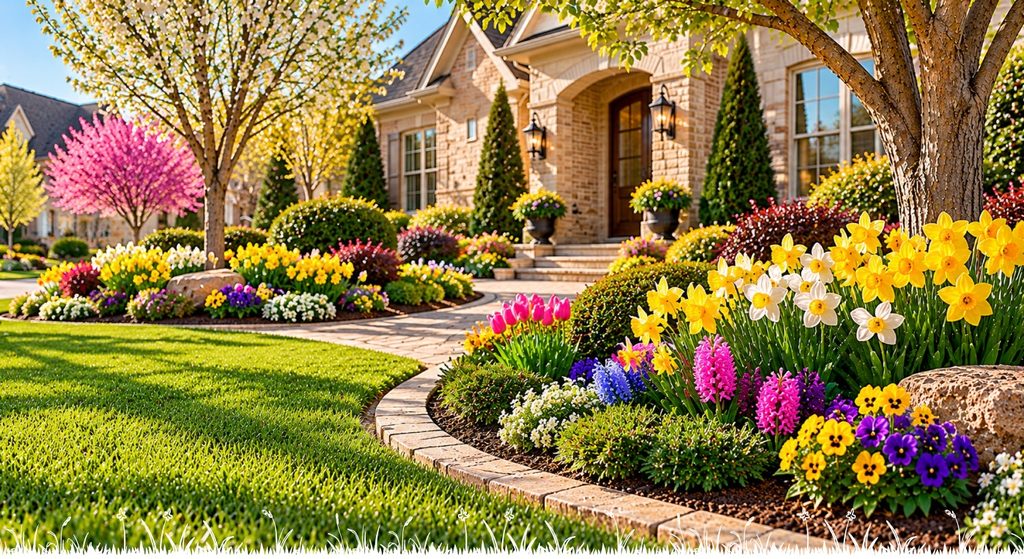
Use Bulbs to Create Seasonal Layers
A strong landscape does not have to look the same throughout the year.
Spring bulbs can provide an early burst of color before summer plants take over.
Later-season flowers, shrubs, ornamental grasses, and evergreen plants can then maintain structure after the bulbs finish blooming.
Planning these layers can make a property feel more dynamic without requiring a complete landscape redesign every few months.
Remember What Happens After Blooming
Bulb care does not end when flowers disappear.
Daffodil foliage should generally be allowed to remain until it naturally yellows because the leaves help replenish the bulb for future growth. The Dallas Arboretum specifically recommends allowing the foliage to yellow before cutting it back.
This can be inconvenient when the surrounding landscape is carefully maintained, but removing foliage too early can weaken the bulb’s ability to store energy.
Plan future plantings around this natural cycle.
Keep Your Lawn and Beds Working Together
Spring bulbs can look beautiful when they transition naturally into surrounding lawn and landscape areas.
However, lawn mowing schedules may need to account for bulbs planted directly within turf.
If bulbs are planted in dedicated beds, this is generally easier to manage.
For homeowners looking for lawn maintenance Lewisville TX, keeping lawn edges, beds, and surrounding areas maintained can help seasonal plantings stand out.
Your Latest Cameron’s Pro Lawn Services Guide
Our latest blog, Best Fall Plants to Add Color to North Texas Landscapes, explains how homeowners can choose seasonal plants, consider sunlight and drainage, and add fall color to their North Texas landscape.
Related Reading
For more guidance on choosing the right plants for your property, how to Choose Landscape Plants for Different Sunlight Conditions explains how sunlight, soil, drainage, and moisture should influence plant selection.
Frequently Asked Questions
When should I plant daffodils in North Texas?
Daffodils are generally planted during late fall to early winter in North Texas. Local guidance places spring-bulb planting broadly between October and December, while specific timing depends on the bulb and current conditions.
Is October too early to plant spring bulbs?
Not necessarily, but October is not the ideal date for every bulb. Some spring bulbs are better planted later in November or December in North Texas.
How deep should I plant daffodil bulbs?
A common guideline is to plant bulbs at approximately three times their height, although you should follow the specific planting instructions for your bulb variety.
Do daffodils come back every year?
Daffodils can return reliably in suitable North Texas conditions. Proper planting, drainage, and allowing the foliage to mature after flowering can support future growth.
Do tulips grow well in North Texas?
Tulips can be grown, but North Texas conditions may not provide enough natural winter chilling for reliable perennial performance. Local guidance notes that tulips generally do not perennialize reliably in the region.
Do tulips need to be chilled before planting?
Some tulip varieties require pre-chilling in North Texas. Follow the requirements of the specific bulb variety before planting.
Can I plant bulbs under trees?
Yes, provided the location receives suitable sunlight and has adequate drainage. Avoid areas where dense shade, heavy root competition, or excessive moisture creates poor growing conditions.
Should I fertilize spring bulbs?
Avoid assuming that more fertilizer will produce better flowers. Bulbs already contain stored nutrients, and soil preparation and proper planting conditions are important.
Should I cut daffodil leaves after flowering?
Allow the foliage to yellow naturally before removing it. The leaves help replenish the bulb for future growth.
Can spring bulbs be part of an existing landscape?
Absolutely. Bulbs can be incorporated into established beds, borders, areas around trees, and other landscape spaces as long as the location provides suitable conditions.
Plan Your Spring Landscape in Fall
Planting spring bulbs is one of the easiest ways to think ahead about the appearance of a North Texas landscape.
Daffodils and other suitable bulbs can add early-season color to planting beds, walkways, tree areas, and other parts of the property.
The key is to choose bulbs that suit North Texas conditions, plant them at the appropriate time, prepare the soil, provide suitable drainage, and give them enough room to establish.
For some bulbs, late October can be appropriate. For others, waiting until November or December may provide better timing.
Cameron’s Pro Lawn Services provides landscaping, lawn maintenance, irrigation, seasonal services, sod installation, and holiday lighting for homeowners and property managers throughout Lewisville and surrounding North Texas communities.
Ready to plan your next landscape improvement? Contact Cameron’s Pro Lawn Services for a free quote.

Cameron's Lawn Care Service
Explore helpful lawn care, landscaping, irrigation, sod installation, seasonal maintenance, and outdoor property care tips from our team.
See All Blog