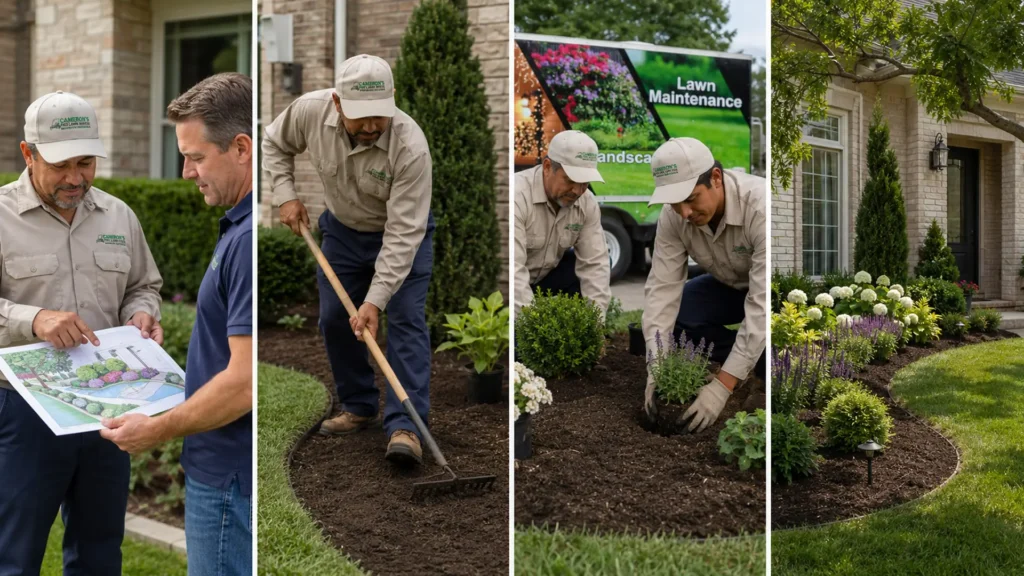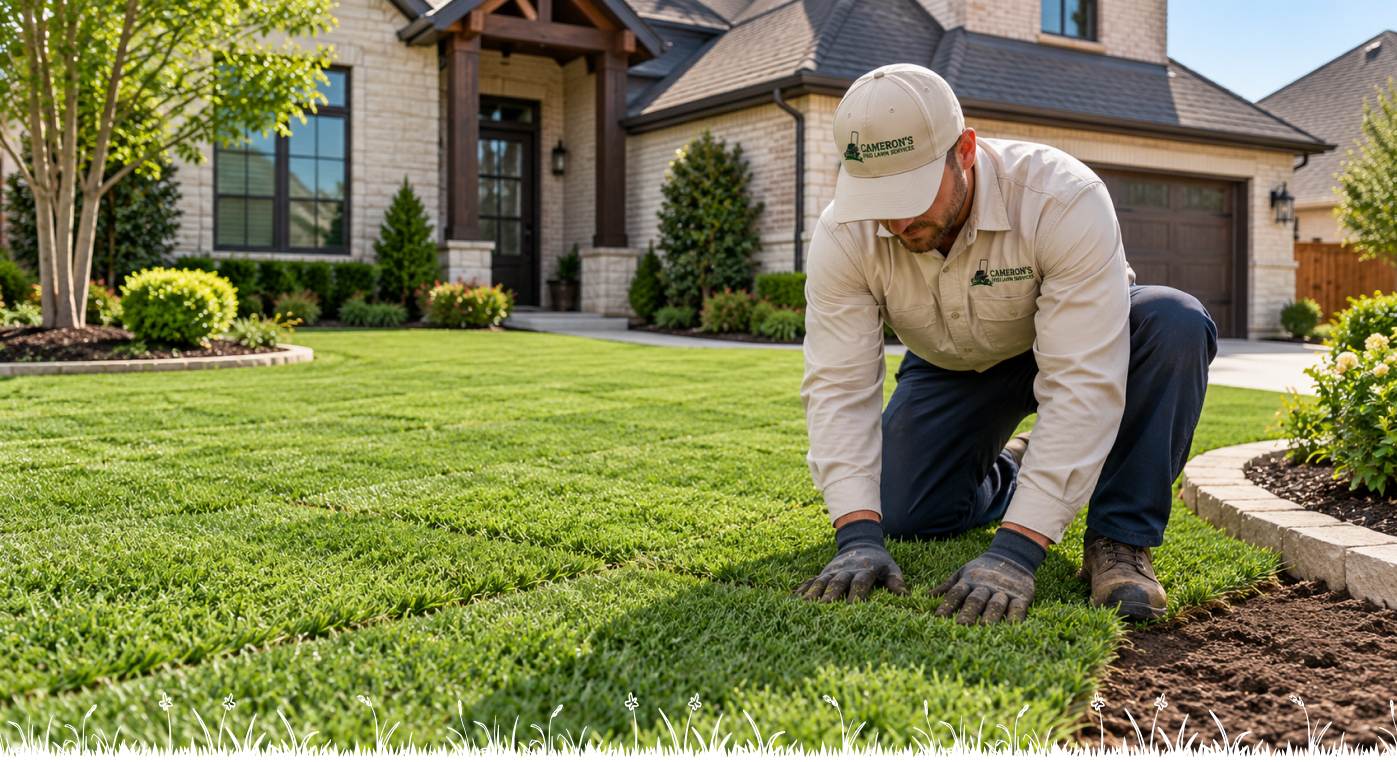
Sod installation North Texas homeowners can still be possible in late October, but the timing becomes much more important as temperatures begin to fall. Warm-season grasses such as Bermuda, Zoysia, and St. Augustine need enough warm soil and active growing time to develop roots before winter dormancy. Early fall generally provides better conditions, while late October leaves less time for new sod to establish.
For homeowners in Lewisville and surrounding North Texas communities, the decision should depend on the grass type, current soil temperature, weather forecast, lawn condition, and how quickly the new turf needs to establish.
Is Late October Too Late for Sod?
Not necessarily, but it is no longer the easiest time of year to install warm-season sod.
North Texas sod specialists generally identify spring and early fall as stronger installation periods because new turf has more time to establish before extreme heat or winter dormancy. Late October can still work under suitable conditions, but the available rooting window is much smaller.
The earlier sod is installed during the fall, the more opportunity the roots have to connect with the soil.
By late October, homeowners should focus less on getting a quick green appearance and more on whether the turf can establish properly before colder conditions arrive.
Why Soil Temperature Matters
Air temperatures can feel comfortable while the soil underneath the lawn is already cooling.
New sod needs active root growth to establish itself. As soil temperatures decline, warm-season grasses gradually slow their growth and eventually enter dormancy.
That means a late October installation may survive but have limited root development before winter.
Recent North Texas guidance describes late October through December as a period when sod can remain in place but root growth slows significantly.
Bermuda Sod in Late October
Bermuda is one of the more adaptable warm-season grasses for North Texas.
It performs best in full sun and generally establishes faster than some other warm-season options.
Because Bermuda can root relatively quickly under favorable conditions, it may have a little more flexibility during the fall transition.
However, late October still does not provide the same establishment opportunity as spring or early fall.
If Bermuda is installed late in the season, proper soil preparation and watering become especially important.
Zoysia Sod in Late October
Zoysia can be an excellent choice for homeowners who want dense turf and good tolerance for some partial shade.
However, Zoysia generally establishes more slowly than Bermuda.
That makes installation timing particularly important as temperatures decline.
If the goal is strong fall establishment, earlier fall installation gives Zoysia more time to develop before winter dormancy.
For a late October project, homeowners should have realistic expectations about how much rooting will occur before spring.
St. Augustine Sod in Late October
St. Augustine is often selected for areas with more shade than Bermuda can tolerate.
However, it is also more sensitive to cold conditions than some other warm-season grasses.
North Texas sod guidance recommends installing St. Augustine earlier in the fall because newly installed runners can be more vulnerable to hard freezes before they have established properly.
If St. Augustine is being considered in late October, the specific variety, location, forecast, and condition of the soil should all be evaluated before installation.
Prepare the Soil First
Installing sod over poorly prepared ground can create problems regardless of the season.
Remove existing dead turf, weeds, rocks, and excessive debris before installation.
The soil should provide good contact with the underside of the sod so roots can begin moving into the ground.
Address grading problems before laying the turf.
If water collects in certain areas, correct the drainage issue rather than covering it with new sod.
Late-season installation leaves less room for mistakes, so proper preparation becomes even more important.
Make Sure the Sod Has Good Soil Contact
After installation, the sod should sit firmly against the prepared soil.
Large air pockets underneath the turf can interfere with root development.
A lawn roller can sometimes be useful for improving contact when appropriate, but the ground should not be excessively wet or compacted.
The goal is a firm connection between the sod and soil without creating drainage problems.
Watering New Sod in Late October
New sod still needs water after installation, even though fall temperatures are cooler.
However, the watering approach should change as temperatures decline.
During hot weather, new sod may require frequent watering because moisture evaporates quickly.
In late October, cooler temperatures can reduce evaporation, meaning homeowners need to monitor the soil rather than automatically following a summer watering schedule.
Recent guidance recommends adjusting watering according to weather, soil moisture, rainfall, and the condition of the new turf.
The soil should remain appropriately moist while the roots establish, but it should not remain saturated.
Check the Sod Instead of Guessing
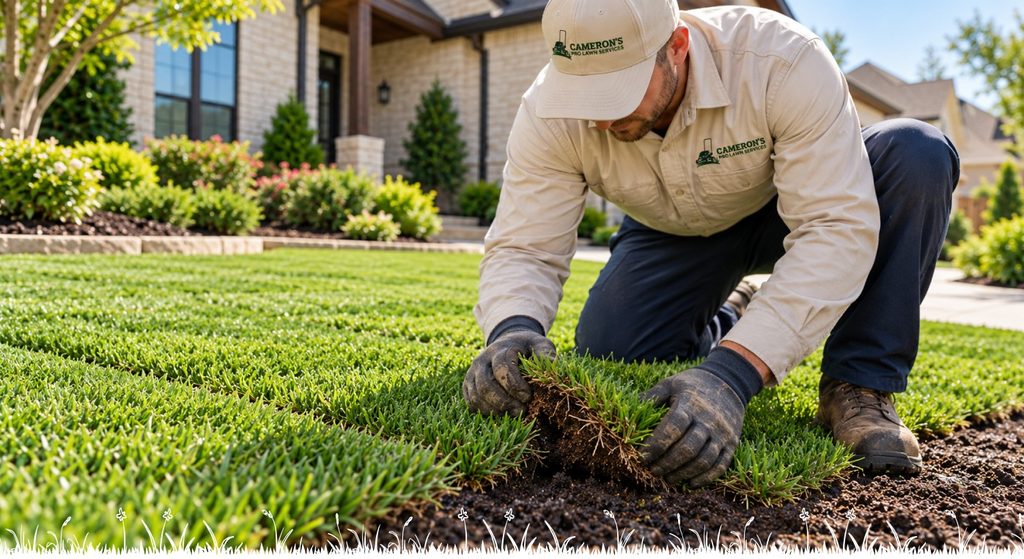
One simple way to check establishment is to carefully lift a corner of the sod.
If roots are beginning to connect with the soil, you should notice resistance when lifting the piece.
Avoid repeatedly pulling up the turf, but occasional inspection can help determine whether rooting is progressing.
As the sod becomes established, watering can gradually be adjusted based on the condition of the lawn.
Don’t Overwater in Cooler Weather
Overwatering is one of the mistakes homeowners can make when they continue a summer watering schedule into fall.
Cooler temperatures reduce evaporation.
Excess moisture can also contribute to fungal problems and poor root conditions.
Instead of watering simply because it is part of the usual schedule, check the soil and consider recent rainfall.
New sod needs moisture, but it also needs oxygen around the roots.
Avoid Heavy Fertilization
Late-season sod does not necessarily need a large amount of fertilizer.
The goal during late October should be healthy establishment rather than forcing rapid top growth immediately before winter.
Recent North Texas sod guidance specifically cautions against heavy applications of quick-release nitrogen during the fall transition.
If fertilizer is being considered, the grass type, soil condition, and timing should be evaluated first.
A soil test can provide more useful information than guessing.
Be Careful With Weed Treatments
Freshly installed sod should also be given time to establish before applying unnecessary lawn chemicals.
Some pre-emergent and post-emergent products can interfere with new turf or create stress if used incorrectly.
Always check the product label to confirm that it is appropriate for the specific grass and newly installed lawn.
When in doubt, focus first on proper installation, watering, and rooting.
Give New Sod Time to Root
Homeowners should not expect newly installed sod to behave like an established lawn immediately.
The roots need time to move from the sod layer into the existing soil.
Some North Texas landscaping guidance notes that sod may begin rooting within roughly 10 to 14 days under suitable conditions, while fuller establishment can take several weeks depending on grass type, weather, water, and soil conditions.
Late October installations may take longer to establish because cooler conditions slow active growth.
Limit Foot Traffic
Avoid unnecessary walking across newly installed sod.
Heavy foot traffic can separate seams, disturb the soil beneath the turf, and interfere with early rooting.
If children, pets, or regular activity use the area, try to keep traffic to a minimum until the sod has established.
This is particularly important when temperatures are already declining.
Wait Before the First Mowing
New sod should not be mowed simply because it looks long.
Wait until the turf has rooted sufficiently and follows the mowing requirements for its specific grass type.
A common way to check establishment is to gently tug upward on the grass. If the turf resists lifting, the roots are beginning to anchor into the soil.
Once mowing begins, avoid removing too much of the blade at one time.
Protect the Lawn From an Early Freeze
Late October weather in North Texas can change quickly.
A sudden freeze can create additional stress for newly installed turf that has not had enough time to establish.
The risk depends on grass type, installation date, root development, soil conditions, and the severity of the weather.
Homeowners should watch the forecast instead of assuming that every late-October night will have the same conditions.
Should You Wait Until Spring?
Sometimes waiting is the better option.
If the lawn replacement is not urgent and the project is already approaching the end of October, spring can provide a longer growing period for warm-season sod.
Current North Texas guidance identifies spring through early summer as the strongest general installation window, with early fall being the better secondary window.
However, every property is different.
Erosion, bare soil, construction damage, drainage problems, or other concerns may make installation necessary sooner.
Consider the Condition of the Existing Lawn
Before replacing the lawn, determine why the existing grass failed.
If poor irrigation, drainage, shade, soil compaction, or improper maintenance caused the original turf to decline, installing new sod without addressing the underlying issue may lead to the same problem again.
A proper site evaluation can help determine whether sod is the right solution and what preparation is needed.
Keep Irrigation Ready
New sod depends heavily on proper watering during establishment.
Before installation, check sprinkler heads and make sure the irrigation system reaches the entire area.
Look for broken heads, blocked nozzles, uneven spray patterns, and areas that receive too much or too little water.
For homeowners who need professional irrigation services, checking the system before installing new sod can help prevent avoidable watering problems.
Maintain the Lawn After Installation
Sod installation is only the beginning.
After the turf establishes, regular mowing, watering, edging, seasonal maintenance, and monitoring help maintain its appearance.
For homeowners looking for lawn maintenance Lewisville TX, ongoing professional care can help protect the investment made in a new lawn.

Plan Around the Season
Late October sod installation is not automatically a bad idea, but it requires more careful planning than an installation during the strongest growing periods.
Consider the grass variety, soil temperature, weather forecast, irrigation, soil preparation, and amount of time available before dormancy.
If the project can wait, spring or an earlier fall installation may provide easier establishment.
If the lawn needs to be replaced now, proper preparation and realistic expectations become especially important.
Your Latest Cameron’s Pro Lawn Services Guide
Our latest blog, When to Plant Daffodils and Spring Bulbs in North Texas, explains how homeowners can plan fall planting, choose suitable spring bulbs, prepare soil, and create seasonal color for the following spring.
Related Reading
For more information about maintaining a healthy lawn after summer stress, Lawn Maintenance: Common Mistakes That Can Damage Your Lawn explains how mowing, irrigation, lawn edges, debris, and different growing conditions can affect turf health.
Frequently Asked Questions
Can I install sod in late October in North Texas?
Yes, sod can still be installed, but late October provides a shorter rooting window than spring or early fall. Weather, grass type, and soil conditions should be considered before installation.
What is the best sod for North Texas?
Bermuda, Zoysia, and St. Augustine are common warm-season choices. The best option depends on sunlight, soil, irrigation, maintenance needs, and the property’s conditions.
Is late October too late for Bermuda sod?
Not necessarily, but the available establishment time is limited. Bermuda generally handles the transition better than some other warm-season grasses, particularly when installed earlier in fall.
Is St. Augustine safe to install in late October?
It can be installed under suitable conditions, but St. Augustine is more sensitive to cold and should generally be installed earlier in the fall when possible.
How long does new sod take to root?
Initial rooting can begin within days to a couple of weeks under favorable conditions, while fuller establishment may take several weeks depending on grass type, soil, water, and weather.
How often should I water new sod in late October?
There is no single schedule for every property. Monitor soil moisture, rainfall, temperature, and the condition of the new turf, and avoid keeping the soil constantly saturated.
Should I fertilize new sod in late October?
Avoid heavy fertilizer applications without first considering grass type, soil conditions, and timing. Late-season high-nitrogen applications can encourage growth when the lawn is approaching dormancy.
Should I mow new sod immediately?
No. Allow the sod to establish and resist lifting before beginning regular mowing. Follow the recommended mowing height for the specific grass variety.
Can I walk on newly installed sod?
Limit unnecessary foot traffic while the roots are establishing. Heavy traffic can disturb seams and interfere with early rooting.
Should I wait until spring to install sod?
If the project is not urgent, spring generally provides a longer growing period and easier establishment. However, late-season installation can still be appropriate for certain properties when properly planned.
Give Your New Lawn the Right Start
Late October is a transition period for North Texas lawns. New sod can still be installed, but homeowners should understand that cooler conditions reduce the amount of time available for active root development.
Choosing the right grass, preparing the soil, providing appropriate moisture, checking irrigation, limiting foot traffic, and watching the weather can all help give new turf the best possible start.
If the project can wait, spring or early fall may provide a more forgiving installation window. If the lawn needs attention now, a professional evaluation can help determine whether late-season sod is appropriate for the property.
Cameron’s Pro Lawn Services provides sod installation, lawn maintenance, landscaping, irrigation, seasonal services, and holiday lighting for homeowners and property managers throughout Lewisville and surrounding North Texas communities.
Ready to improve your lawn? Contact Cameron’s Pro Lawn Services for a free quote.

Cameron's Lawn Care Service
Explore helpful lawn care, landscaping, irrigation, sod installation, seasonal maintenance, and outdoor property care tips from our team.
See All Blog