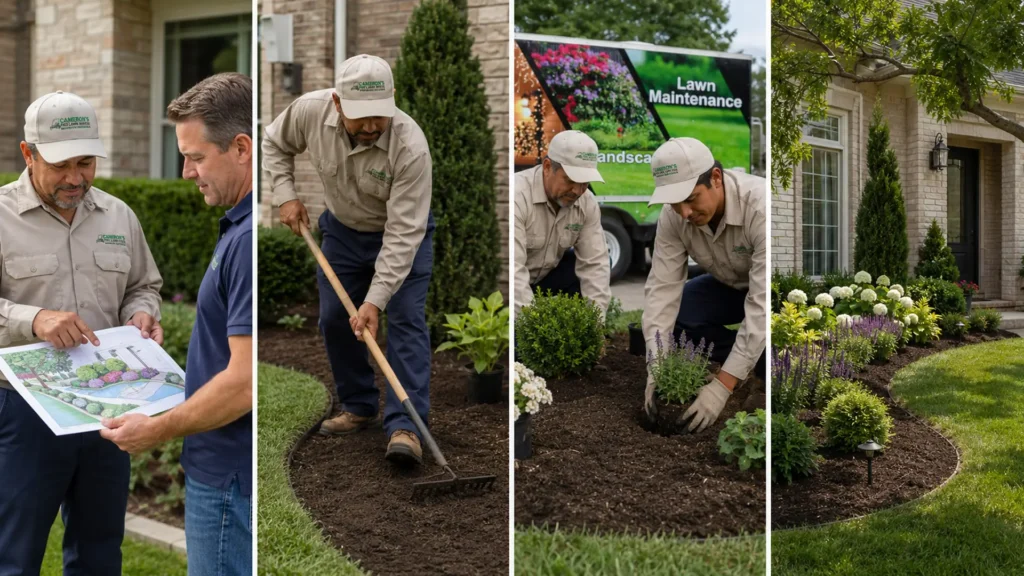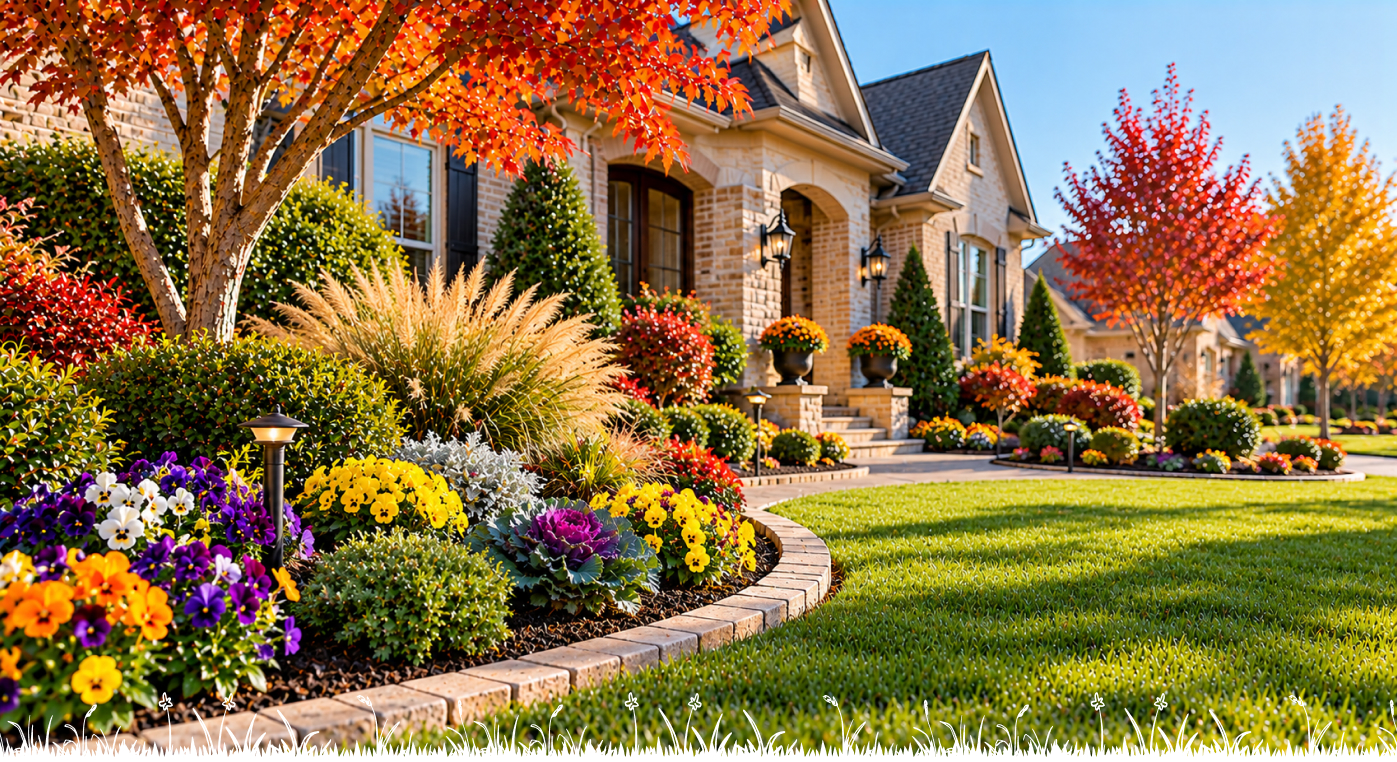
Choosing fall plants for North Texas can help homeowners add seasonal color while preparing their landscapes for cooler weather. October is an especially useful time to evaluate planting areas because North Texas has a wide range of plants that can provide fall and winter interest. Cooler temperatures can also make establishment easier for many hardy plants compared with the intense heat of summer.
The best choice depends on the amount of sunlight, soil conditions, drainage, available space, and whether you want temporary seasonal color or plants that can return in future seasons.
Why Fall Is a Good Time to Plant
Fall offers several advantages for North Texas landscapes.
The weather is generally less demanding than during the hottest part of summer, while soil can remain warm enough to support root development. This combination can give many hardy plants an opportunity to establish before next year’s summer heat arrives.
That does not mean every plant available at a local nursery should automatically be planted in October.
Some plants are better suited to cool-season color, while others are long-term landscape investments. Understanding the difference can help homeowners choose plants that fit both their property and their maintenance expectations.
Start With the Location
Before choosing a plant, look at the area where it will be installed.
Observe how much direct sunlight the location receives during the day.
Also consider whether the area stays wet after rain, dries quickly, sits beneath mature trees, or receives reflected heat from a driveway or wall.
A plant that performs well in full sun may struggle in a heavily shaded bed.
Likewise, a plant that prefers well-drained soil may not perform well in an area where water remains after rainfall.
The right plant starts with the right location.
Add Cool-Season Color With Pansies
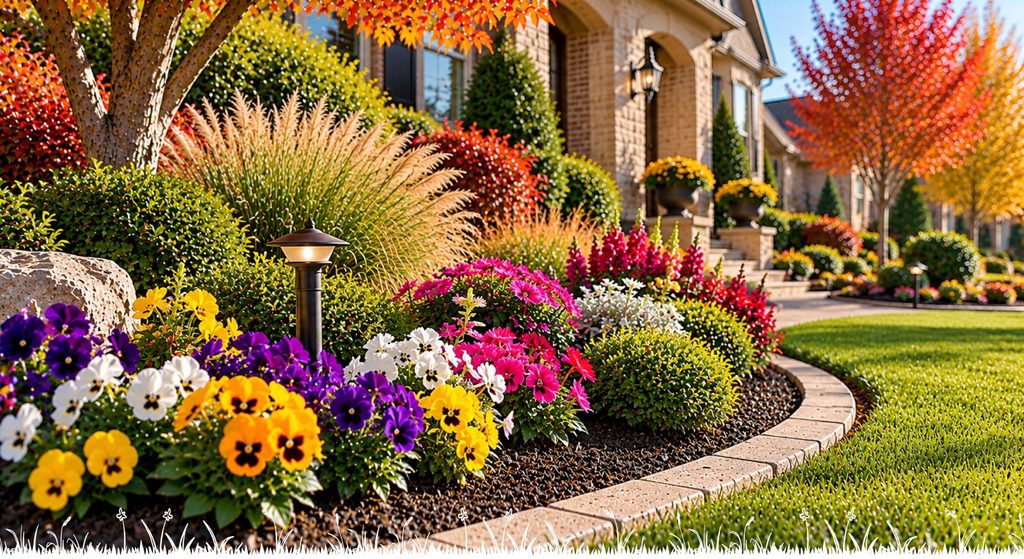
Pansies are one of the familiar choices for North Texas cool-season color.
They can add bright color to landscape beds after many warm-season flowers begin declining.
Pansies can be especially useful around entryways, borders, containers, and smaller planting areas where homeowners want noticeable seasonal color.
Because they are generally treated as cool-season bedding plants in North Texas, they can provide color during a period when many summer flowers are no longer performing at their best.
Consider Violas for Smaller Spaces
Violas offer another option for adding cool-season color.
Their smaller flowers can work well around pathways, borders, containers, and mixed planting beds.
They can also be combined with other seasonal plants to create layers of color rather than relying on one plant variety throughout the entire landscape.
When planning a planting bed, consider how the colors and plant heights will work together once everything has matured.
Add Dianthus for Long-Lasting Seasonal Interest
Dianthus can also be useful in North Texas cool-season landscapes.
They provide colorful flowers and can work in beds, borders, and other areas where homeowners want seasonal interest.
Local North Texas gardening guidance specifically lists dianthus among the plants that can bring color as warm-season flowers fade.
The key is to select plants according to the conditions of the individual property rather than choosing solely based on appearance at the nursery.
Don’t Overlook Snapdragons
Snapdragons are another cool-season option worth considering.
Their upright growth can add height to a planting bed, helping create more visual variety.
They can be particularly useful when combined with lower-growing plants such as pansies or violas.
Using plants with different heights can make a landscape bed feel fuller without requiring a large number of different varieties.
Use Ornamental Kale and Cabbage for Texture
Ornamental kale and cabbage can provide something different from traditional flowers.
Their foliage adds texture and structure to cool-season planting areas.
These plants can work particularly well when homeowners want visual interest even when flowering plants are not at their peak.
Combining foliage-based plants with colorful flowers can create a more balanced landscape rather than relying entirely on blooms.
Add Native and Well-Adapted Plants
Fall is also a good time to think beyond short-term seasonal color.
North Texas homeowners can consider native and well-adapted plants that are suited to local growing conditions.
However, a plant being labeled native or drought tolerant does not mean it will perform well in every location.
Sun exposure, soil, drainage, mature size, and moisture requirements still need to be considered.
The goal should be to match the plant to the property rather than forcing the property to accommodate an unsuitable plant.
Think About Perennials for the Long Term
Some homeowners want their fall planting to do more than provide temporary color.
Perennials can be a good option when the goal is to establish plants that can return in future growing seasons.
North Texas gardeners have many possibilities, including asters, coneflowers, gaura, salvias, Turk’s cap, and other flowering perennials.
A perennial may not look particularly impressive when first planted, but its root system can continue developing while above-ground growth slows.
That makes fall planting partly an investment in the following year.
Consider Ornamental Grasses
Ornamental grasses can add movement and texture to a landscape.
They can also provide visual interest after many flowers have faded.
Muhly grasses, for example, can become especially noticeable when their airy plumes catch autumn light.
Grasses can work as individual focal points, grouped plantings, or companions for shrubs and flowering plants.
Before planting, check the mature size and make sure there is enough room for the grass to develop without crowding nearby plants.
Don’t Forget Spring-Flowering Bulbs
Some of the best fall planting decisions are actually made for spring.
Spring-flowering bulbs are planted during the cooler months and remain mostly out of sight until they begin producing new growth.
Daffodils, alliums, Dutch iris, and other suitable bulbs can provide an early-season display when spring arrives. North Texas guidance recommends planting appropriate spring bulbs during the October-to-December window while the soil is cooling.
This makes bulbs an excellent option for homeowners who want their landscape to have multiple seasonal stages.
Choose Plants Based on Sunlight
Sunlight is one of the most important factors when selecting plants.
A planting bed receiving several hours of direct sunlight has different requirements from an area beneath mature trees.
Before purchasing plants, observe the location throughout the day.
If the area receives morning sun but afternoon shade, select plants that can handle those conditions.
For homeowners planning a more complete fall landscape design, grouping plants according to their light requirements can help create healthier and more consistent planting beds.
Check Drainage Before Planting
Drainage problems can affect even the toughest plants.
If water remains in a planting bed long after rainfall, choosing a plant that prefers dry or well-drained conditions may create problems.
Before planting, observe how water moves through the property.
If necessary, improve the planting location rather than trying to compensate for poor drainage by selecting plants that are unlikely to thrive there.
North Texas fall-planting guidance specifically recommends checking drainage and choosing a site suited to the plant rather than assuming soil amendments will solve a poorly drained location.
Give Plants Enough Room to Grow
A common landscaping mistake is planting everything too close together.
Plants may look small when purchased, but their mature size can be considerably larger.
Before planting, check the expected height and width.
Leave enough room between shrubs, trees, flowers, walkways, structures, and other plants.
This can reduce future pruning and prevent plants from competing for available space.
Think About What Happens During Winter
Not every colorful fall plant is designed to survive the same conditions.
Some plants are intended to provide seasonal color and may decline after freezing temperatures.
Others are hardy perennials that can go dormant and return later.
North Texas gardening guidance recommends checking cold hardiness and understanding what will happen to a plant when temperatures fall before making a purchase.
Knowing whether you are purchasing temporary color or a long-term plant can prevent surprises later.
Water New Plantings Correctly
Newly planted trees, shrubs, perennials, and other plants still need attention after installation.
Cooler weather may reduce moisture loss, but new roots remain concentrated in a relatively small area.
Check the soil around the root ball and surrounding soil during dry periods.
Do not rely only on the surface appearance of the soil.
Newly planted evergreens can require particular attention because they continue losing moisture through their foliage during cooler weather.
Use Mulch Carefully
Mulch can help protect the root zone and conserve soil moisture.
A 2- to 3-inch layer is commonly recommended around the root zone, but mulch should not be piled against tree trunks or plant stems.
A properly maintained mulch layer can also make planting beds look cleaner and more finished.
Avoid creating a large mound around the base of a tree simply because you want the bed to look heavily mulched.
Keep the Surrounding Lawn Maintained
New planting beds look better when the surrounding lawn is also maintained.
Overgrown grass can spread into planting areas and make carefully selected plants appear less organized.
Regular mowing, edging, and debris removal can help create a cleaner transition between turf and landscape beds.
For homeowners looking for lawn maintenance Lewisville TX, keeping the lawn and planting areas maintained together can improve the overall appearance of the property.
Coordinate Plants with Existing Landscaping
New plants should complement what is already on the property.
Look at existing trees, shrubs, lawn areas, walkways, fences, and the exterior of the home before deciding where new plants should go.
A landscape does not need dozens of different plant varieties to look interesting.
Repeating a few complementary plants can often create a more cohesive appearance.
Keep Irrigation in Mind
Planting decisions should also account for available irrigation.
A new planting bed may require different watering than established turf.
Check whether sprinkler coverage reaches the new planting area and whether nearby plants have similar moisture requirements.
If water is not reaching the intended area, the irrigation system may need adjustment before or after planting.
For homeowners who need professional irrigation services, a system inspection can help identify coverage issues before they affect new plantings?
Fall Planting Can Prepare Your Landscape for Next Year
One of the biggest advantages of fall planting is that some plants have time to establish before the next summer.
Cooler temperatures reduce transplant stress, while warm soil can allow roots to continue developing.
This can give appropriately selected plants a useful head start.
However, homeowners should still monitor newly planted areas throughout fall and winter rather than assuming installation means the work is finished.
Seasonal Maintenance Still Matters
Planting is only one part of maintaining an attractive landscape.
Leaves will continue to fall, weeds can develop, plants may require occasional attention, and weather conditions will change.
Professional seasonal services can help homeowners keep landscape beds, lawns, shrubs, and other outdoor areas maintained as the seasons change.

Your Latest Cameron’s Pro Lawn Services Guide
Our latest blog, How to Prevent Winter Weeds in North Texas Lawns, explains how homeowners can inspect thin turf, understand winter weeds, manage leaves, check irrigation, and prepare their lawns before winter.
Understanding winter lawn conditions can help homeowners make better decisions about what to plant and maintain during the cooler months.
Related Reading
For more help choosing plants based on your property’s conditions, How to Choose Landscape Plants for Different Sunlight Conditions explains why sunlight should be considered when selecting plants for different areas of a North Texas landscape.
Plan Your Planting Before You Buy
A successful fall planting starts before the plants reach the property.
Measure the available space, observe sunlight, check drainage, consider mature plant size, and decide whether you want seasonal color or long-term plants.
This simple planning process can prevent many common landscaping mistakes.
Frequently Asked Questions
What plants are good for fall color in North Texas?
Pansies, violas, dianthus, snapdragons, and ornamental kale or cabbage are among the cool-season plants that can provide fall and winter color in North Texas
Is fall a good time to plant trees and shrubs?
Yes. Cooler air can reduce transplant stress while warm soil can allow roots to establish before the next summer.
Do newly planted trees need water during fall?
Yes. New trees still need appropriate moisture while their roots establish. Monitor the root zone and adjust watering based on rainfall, temperature, and soil conditions.
How much mulch should I use around new plants?
A 2- to 3-inch layer over the root zone is commonly recommended, while keeping mulch away from trunks and stems.
Should I choose native plants for my landscape?
Native and well-adapted plants can be excellent choices, but the plant still needs to match the property’s sunlight, soil, drainage, available space, and moisture conditions.
Are all fall plants permanent?
No. Some plants provide temporary seasonal color, while others are hardy perennials, shrubs, trees, or bulbs intended to remain in the landscape for years.
Can I plant spring-flowering bulbs in fall?
Yes. Suitable spring bulbs can be planted during the cooler months, with October through December being a useful planting window for many North Texas bulbs.
Should I choose plants based on sunlight?
Absolutely. Matching plants to the amount of sunlight available in the planting location is one of the most important steps in creating a healthy landscape.
Do new plants need special care after installation?
Yes. Newly planted plants need appropriate watering and monitoring while their root systems establish. This is especially important during dry periods.
Give Your North Texas Landscape a Seasonal Refresh
Fall is more than a transition between summer and winter. It can be an excellent opportunity to introduce seasonal color, establish hardy plants, add spring-flowering bulbs, and improve the overall structure of a landscape.
The key is choosing plants based on the conditions of the property rather than simply selecting whatever looks attractive at the nursery.
By considering sunlight, drainage, mature size, plant hardiness, watering needs, and the role each plant will play in the landscape, homeowners can create outdoor spaces that remain attractive through multiple seasons.
Cameron’s Pro Lawn Services provides landscaping, lawn maintenance, irrigation, seasonal services, sod installation, and holiday lighting for homeowners and property managers throughout Lewisville and surrounding North Texas communities.
Ready to refresh your landscape for fall? Contact Cameron’s Pro Lawn Services for a free quote.

Cameron's Lawn Care Service
Explore helpful lawn care, landscaping, irrigation, sod installation, seasonal maintenance, and outdoor property care tips from our team.
See All Blog