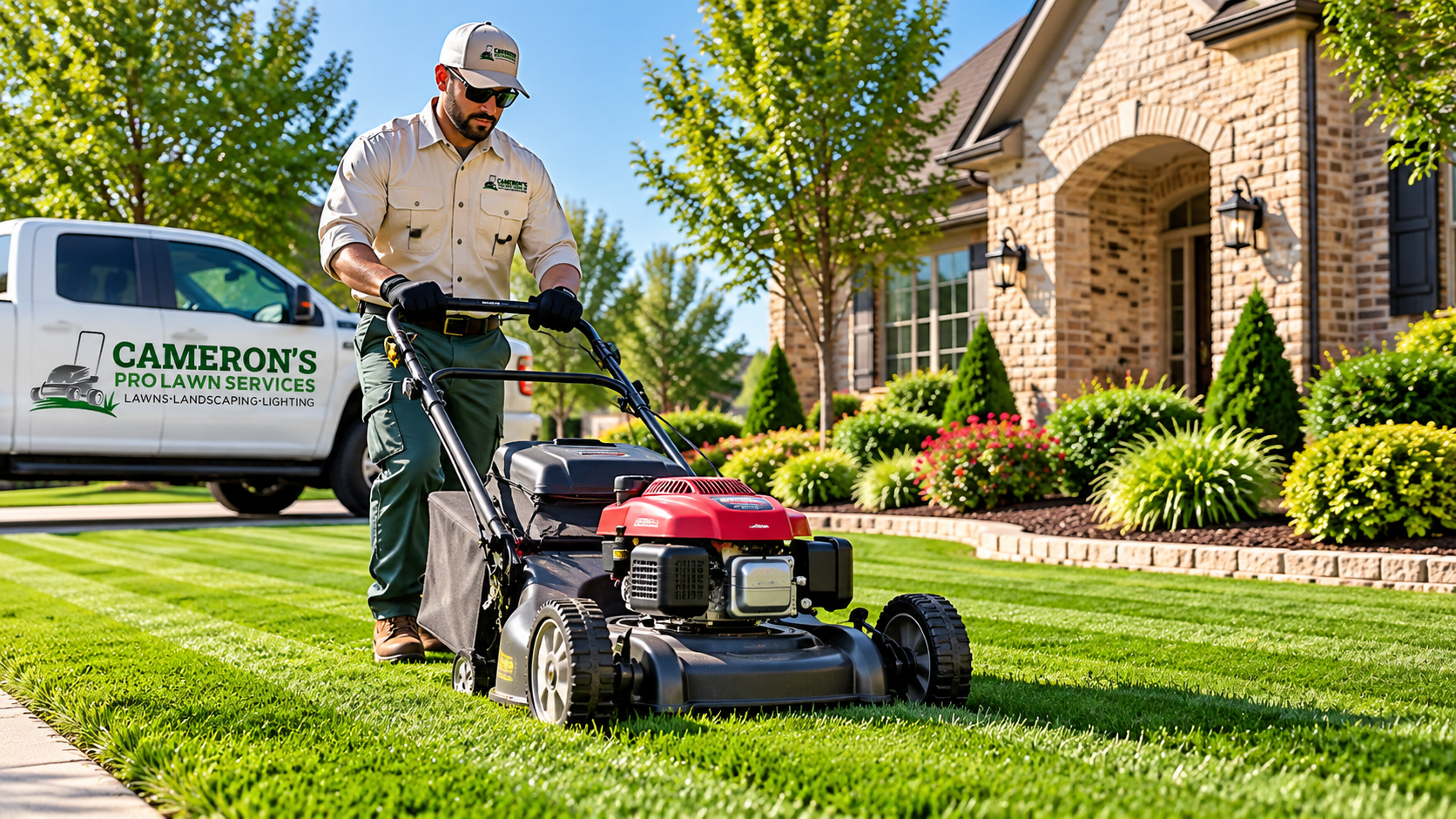
Mowing is one of the most regular tasks involved in caring for a residential lawn, but the height at which grass is cut can have a major effect on its appearance and overall condition. Cutting grass too short may expose the soil and place additional stress on the turf, while allowing it to become excessively tall can make regular maintenance more difficult.
North Texas lawns also experience significant seasonal changes. Heat, sunlight, rainfall, and growth patterns can vary throughout the year, so maintaining the same mowing approach in every season may not always be appropriate. Consistent lawn maintenance and servicing can help homeowners keep mowing practices aligned with the condition of their turf.
1. Why Mowing Height Matters
Grass leaves are responsible for capturing sunlight and supporting the plant’s growth. Removing too much of the leaf blade at one time can place unnecessary stress on the turf.
A lawn that is consistently cut extremely short may also have less leaf surface available for photosynthesis. This can make the grass more vulnerable when temperatures become extreme or growing conditions change.
On the other hand, allowing grass to become excessively tall can create its own maintenance challenges. Long grass may become difficult to mow evenly and can result in clippings accumulating across the surface.
The goal is to maintain a reasonable height for the particular turf and current growing conditions.
2. Different Grass Types Have Different Needs
Not every North Texas lawn should be maintained at exactly the same mowing height.
Bermuda, St. Augustine, and Zoysia have different growth characteristics and respond differently to mowing. Factors such as sunlight, shade, soil condition, and lawn use can also influence how a particular property should be maintained.
This means homeowners should consider the type of grass growing in their yard before establishing a mowing routine.
A lawn that receives full sunlight may also behave differently from one growing beneath mature trees or beside a shaded structure.
3. Cutting Grass Too Short Can Create Stress
Very short mowing can sometimes make a lawn appear neat immediately after cutting, but repeatedly removing too much of the grass blade can place stress on the turf.
Short turf may also leave more soil exposed to direct sunlight. During hot North Texas weather, exposed soil can lose moisture more quickly.
If the lawn is already struggling because of heat, foot traffic, compacted soil, or other conditions, aggressive mowing may add another source of stress.
This is one reason professional lawn service providers consider the condition of the turf rather than simply cutting every lawn to the same height.
4. Seasonal Growth Should Influence Mowing
Grass does not grow at exactly the same rate throughout the year.
During periods of active growth, mowing may need to happen more frequently. As temperatures change and warm-season turf begins slowing down, mowing frequency can naturally change as well.
Instead of following a fixed calendar without considering lawn conditions, homeowners should pay attention to actual growth.
Seasonal maintenance can also involve more than mowing. Leaf removal, landscape-bed cleanup, pruning, irrigation adjustments, and other tasks may become important as outdoor conditions change.
For broader seasonal property care, seasonal services can help homeowners address these changing maintenance requirements.
5. Mowing Frequency Matters Too
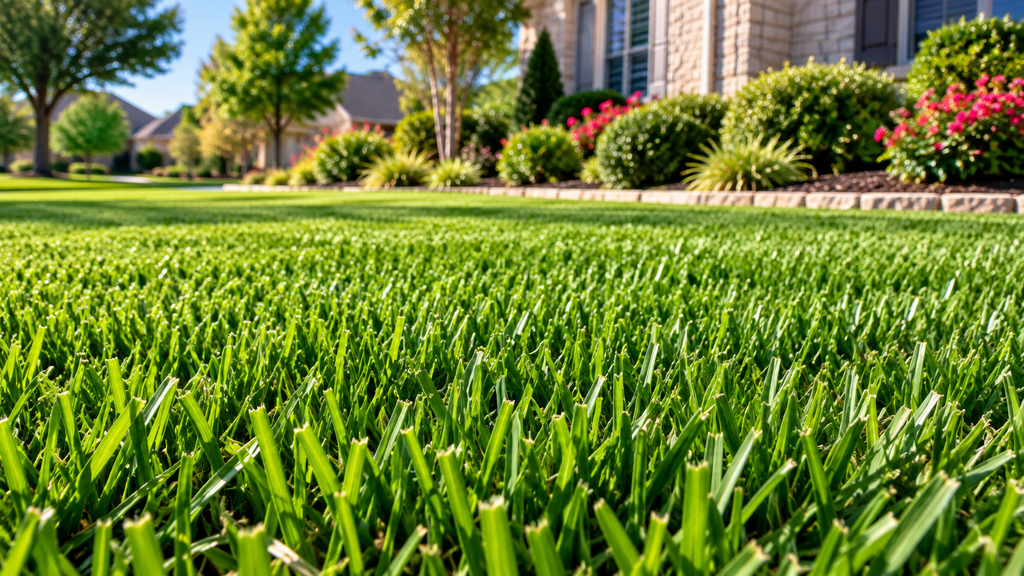
Mowing height is only one part of maintaining healthy turf. How frequently the lawn is cut also matters.
If grass becomes significantly overgrown between mowing sessions, removing a large portion of the blade at once can put additional stress on the plant.
More consistent mowing allows homeowners to remove smaller amounts of growth at a time and maintain a more even appearance.
The appropriate frequency depends on grass growth, weather, season, rainfall, sunlight, and the condition of the lawn.
6. Keep Mower Blades Sharp
The condition of the mower itself can also influence the result.
A dull blade may tear or shred grass rather than producing a clean cut. Torn grass can leave the lawn looking uneven and may create visible discoloration at the tips.
Checking mower blades regularly and keeping them properly maintained can contribute to a cleaner mowing result.
Homeowners should also make sure mowing equipment is appropriate for the property and that the mower is not being used in excessively wet conditions.
7. Shade Can Change How Your Lawn Should Be Mowed
A shaded lawn can behave differently from turf growing in full sun.
Grass beneath trees or near buildings may receive less direct sunlight and may grow differently from exposed areas. Cutting shaded turf too aggressively can make it harder for the grass to maintain sufficient leaf surface.
Trees can also introduce additional maintenance needs. Fallen leaves may cover grass, while tree roots can affect soil conditions around the lawn.
Maintaining the surrounding landscape alongside the turf can make it easier to manage these different growing conditions.
Professional landscaping services can help homeowners maintain landscape beds, trees, borders, and other areas surrounding the lawn.

8. Avoid Mowing Wet Grass When Possible
Wet grass can be more difficult to cut evenly. Moisture can cause clippings to clump together and may make it harder for mowing equipment to move smoothly across the lawn.
Repeatedly mowing saturated turf can also contribute to surface compaction, particularly in areas that already receive heavy foot traffic.
Allowing the lawn to dry sufficiently before mowing can make the process cleaner and help reduce unnecessary disturbance to the soil.
9. Leave Appropriate Clippings on the Lawn
Grass clippings do not always need to be removed after every mowing session.
When the lawn is mowed regularly and clippings are relatively small, they can often remain on the turf and break down naturally.
However, excessive clippings that form thick piles should not be left covering the grass. Heavy accumulations can block portions of the turf from receiving adequate light and airflow.
Consistent mowing helps reduce the likelihood of excessive clipping buildup.
10. Combine Mowing With Other Lawn Care
Mowing alone cannot address every factor affecting a North Texas lawn.
Turf condition can also be influenced by soil, moisture, irrigation, drainage, sunlight, traffic, and seasonal changes. Looking at these factors together can provide a clearer picture of why certain sections perform differently.
For homeowners searching for lawn maintenance Lewisville TX, combining regular mowing with broader lawn and landscape care can help maintain a more consistent outdoor appearance throughout the year.
How Often Should You Mow?
There is no single mowing schedule that works for every North Texas lawn.
Growth can change based on:
- Grass type
- Temperature
- Rainfall
- Sunlight
- Irrigation
- Soil condition
- Season
- Lawn use
Instead of mowing simply because a certain day has arrived, homeowners should consider how much the grass has actually grown.
Frequently Asked Questions
Is cutting grass too short bad for a lawn?
Repeatedly cutting grass too short can place additional stress on turf and may expose more soil to heat and moisture loss.
Should mowing height change during the year?
Mowing practices may need to change as grass growth and seasonal conditions change. Warm-season turf generally grows differently during active and slower growth periods.
Does grass type affect mowing height?
Yes. Different turf varieties have different growth characteristics and mowing requirements.
Should I mow wet grass?
It is generally preferable to allow grass to dry sufficiently before mowing so that the cut is more even and the lawn surface is not unnecessarily disturbed.
How can I keep my lawn evenly maintained?
Consistent mowing, appropriate mowing height, proper irrigation, seasonal cleanup, and attention to soil and drainage can all contribute to more consistent turf maintenance.
Maintain Your Lawn through Every Season
Mowing may seem like a simple routine, but mowing height, frequency, equipment condition, grass type, and seasonal growth can all influence the condition of a North Texas lawn.
Rather than treating every mowing session exactly the same, homeowners can adjust maintenance according to the turf and current growing conditions. Regular attention can also make it easier to identify thin areas, drainage concerns, irrigation problems, or other changes before they become larger maintenance issues.
Cameron’s Pro Lawn Services provides professional lawn maintenance, landscaping, irrigation, sod installation, and seasonal services throughout Lewisville and surrounding North Texas communities.
Need help maintaining your lawn throughout the year? Contact Cameron’s Pro Lawn Services today for a free quote.

Cameron's Lawn Care Service
Explore helpful lawn care, landscaping, irrigation, sod installation, seasonal maintenance, and outdoor property care tips from our team.
See All Blog