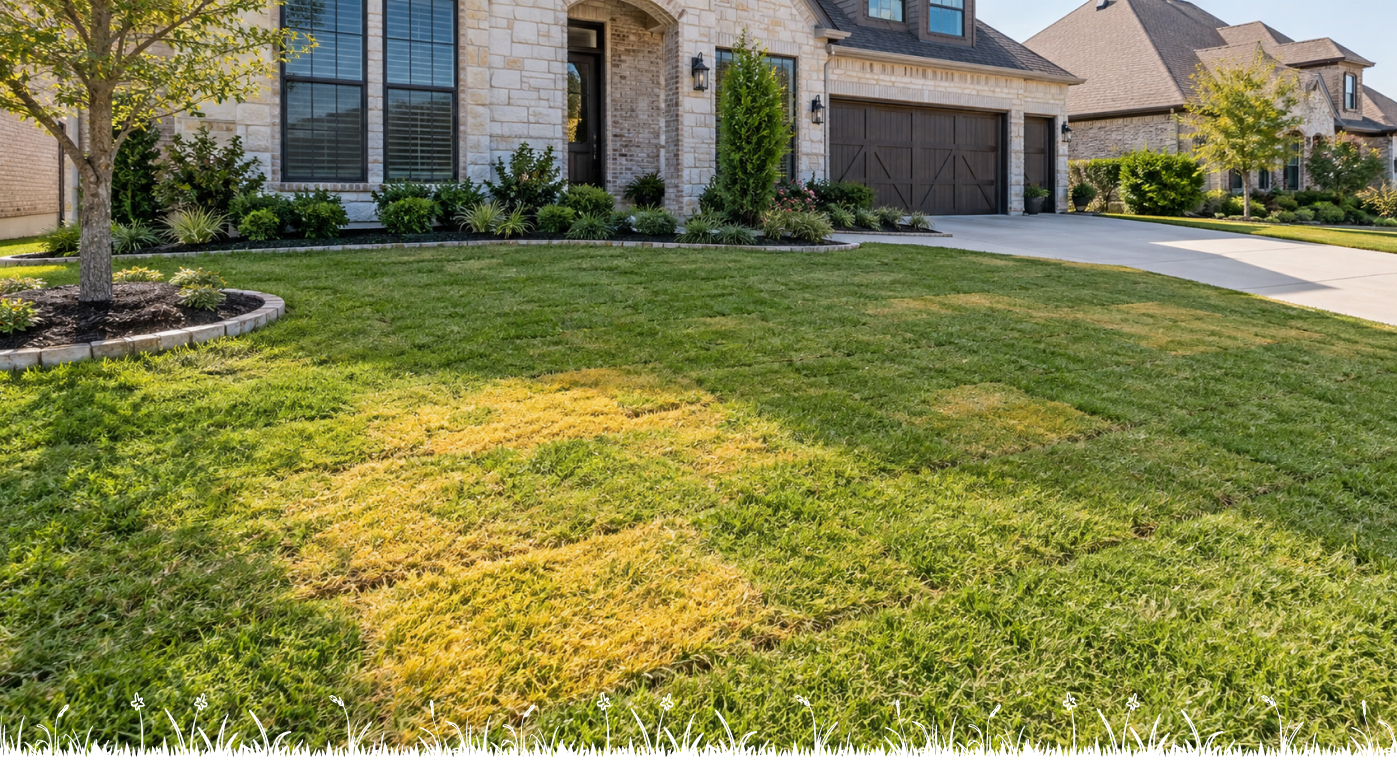
Fresh sod can quickly transform a patchy or damaged yard into a green, finished lawn. However, homeowners sometimes notice yellow areas developing shortly after installation. While some temporary stress can occur as new grass adjusts, widespread or worsening yellowing may indicate that the sod is not receiving the conditions it needs to establish properly.
Watering, irrigation coverage, soil contact, weather, and early lawn care can all influence new sod. Proper sod installation should therefore include more than simply laying grass—it should also consider the conditions that will support establishment afterward.
Here are seven common reasons new sod may begin turning yellow after installation.
Your New Sod May Not Be Getting Enough Water
Fresh sod needs consistent moisture while its roots begin establishing in the soil underneath.
If the sod dries too quickly, yellow or brown areas may begin appearing. Edges and corners can be particularly vulnerable because they may lose moisture faster than the center of each sod piece.
Watch for:
- Dry soil underneath the sod
- Yellowing along seams
- Curling or lifting edges
- Grass feeling dry or brittle
- Certain sections drying faster than others
A professional sod installation service should consider soil preparation, placement, irrigation coverage, and early care to give the new lawn a stronger start.
Too Much Water Can Also Cause Problems
When new sod begins turning yellow, adding more water may seem like the obvious solution. However, excessive watering can also create unfavorable conditions.
If the soil remains constantly saturated, the new lawn may struggle rather than establish properly.
Check for signs such as:
- Standing water
- Extremely soft or muddy soil
- Areas staying wet for long periods
- Water collecting in low spots
- Runoff after irrigation
Instead of automatically increasing watering time, check the moisture conditions in several areas of the lawn.
The goal is consistent moisture without leaving the property unnecessarily saturated.
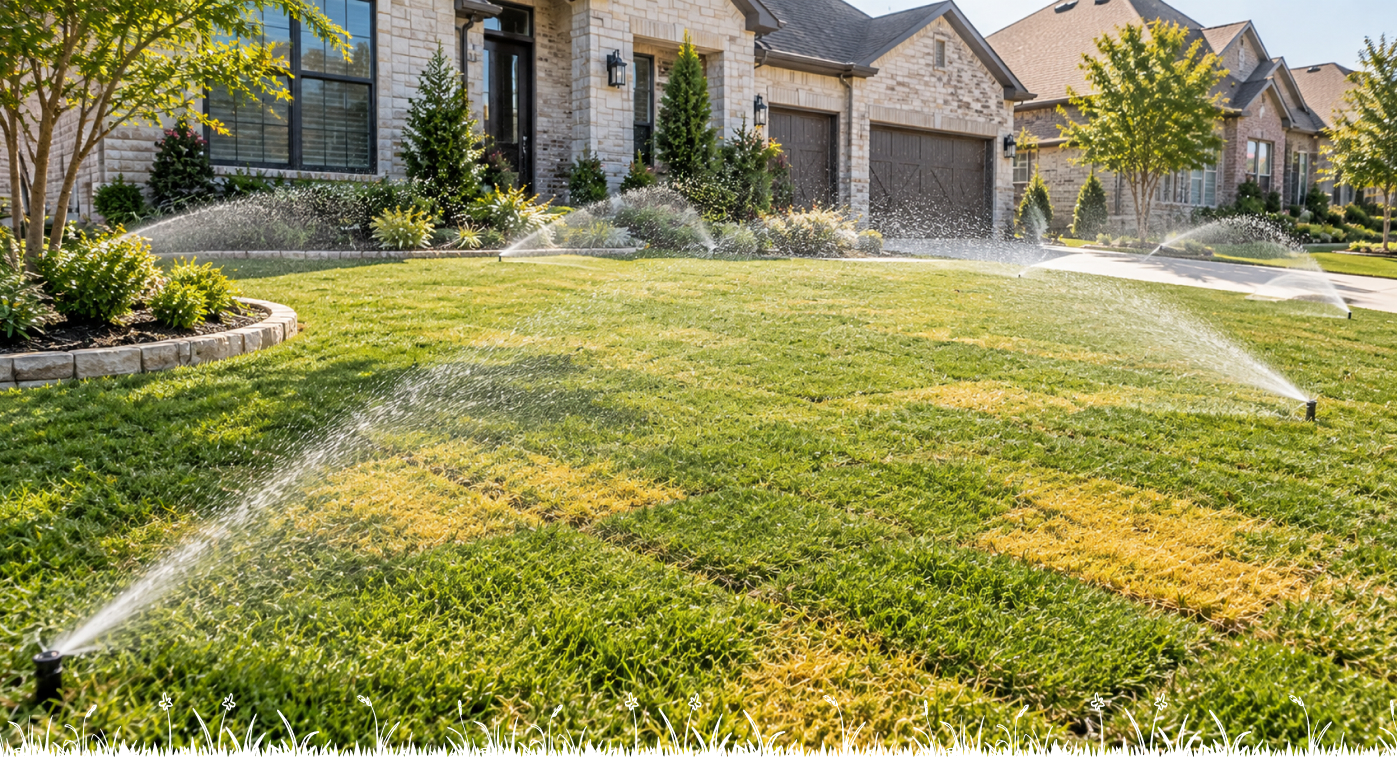
Irrigation Coverage May Be Uneven
A sprinkler system can be running normally while still failing to provide even coverage.
Blocked heads, incorrect spray patterns, low pressure, or sprinkler positioning can leave some sections too dry and others excessively wet.
Professional irrigation services can help identify coverage problems that may be contributing to yellow areas in newly installed sod.
Run each sprinkler zone and observe where the water actually lands. If yellow areas consistently correspond with weak sprinkler coverage, the irrigation system may need attention.
Poor Soil Contact Can Affect Establishment
New sod needs good contact with the prepared soil underneath it.
If sections are sitting above uneven ground, debris, old grass, or poorly prepared soil, roots may have difficulty establishing properly. Those areas can remain loose and may begin looking different from surrounding sod.
Walk around the property carefully and look for:
- Raised sections
- Loose sod pieces
- Uneven areas
- Large gaps between pieces
- Sections that move easily
Avoid repeatedly lifting sod to inspect it, as unnecessary disturbance can interfere with the establishment process.
Proper preparation before installation can reduce many of these issues.
North Texas Heat Can Stress Fresh Sod
Warm temperatures and direct sunlight can cause newly installed sod to lose moisture quickly.
Sections receiving full afternoon sun may respond differently from areas shaded by trees, fences, or buildings. Wind can also increase moisture loss in exposed areas.
During warmer conditions, monitor the lawn rather than assuming every section needs exactly the same attention.
Look for patterns in where yellowing occurs. If the most exposed areas are changing color first, environmental stress may be contributing.
Weather conditions can change quickly, so early sod care may need to be adjusted as conditions change.
The Lawn May Be Experiencing Installation Stress
Fresh sod has been cut, transported, installed, and placed into a new environment. Some stress during this transition can affect its appearance.
However, yellowing should still be monitored carefully, particularly if it continues spreading or certain sections appear significantly worse than others.
Our recent guide, Why Does Mulch Keep Washing Out of Your Landscape Beds?, explains how irrigation runoff, drainage, slopes, and changing landscape conditions can affect other areas of the property as well.
Looking at the entire property can help identify whether water movement or drainage is contributing to problems around the new lawn.
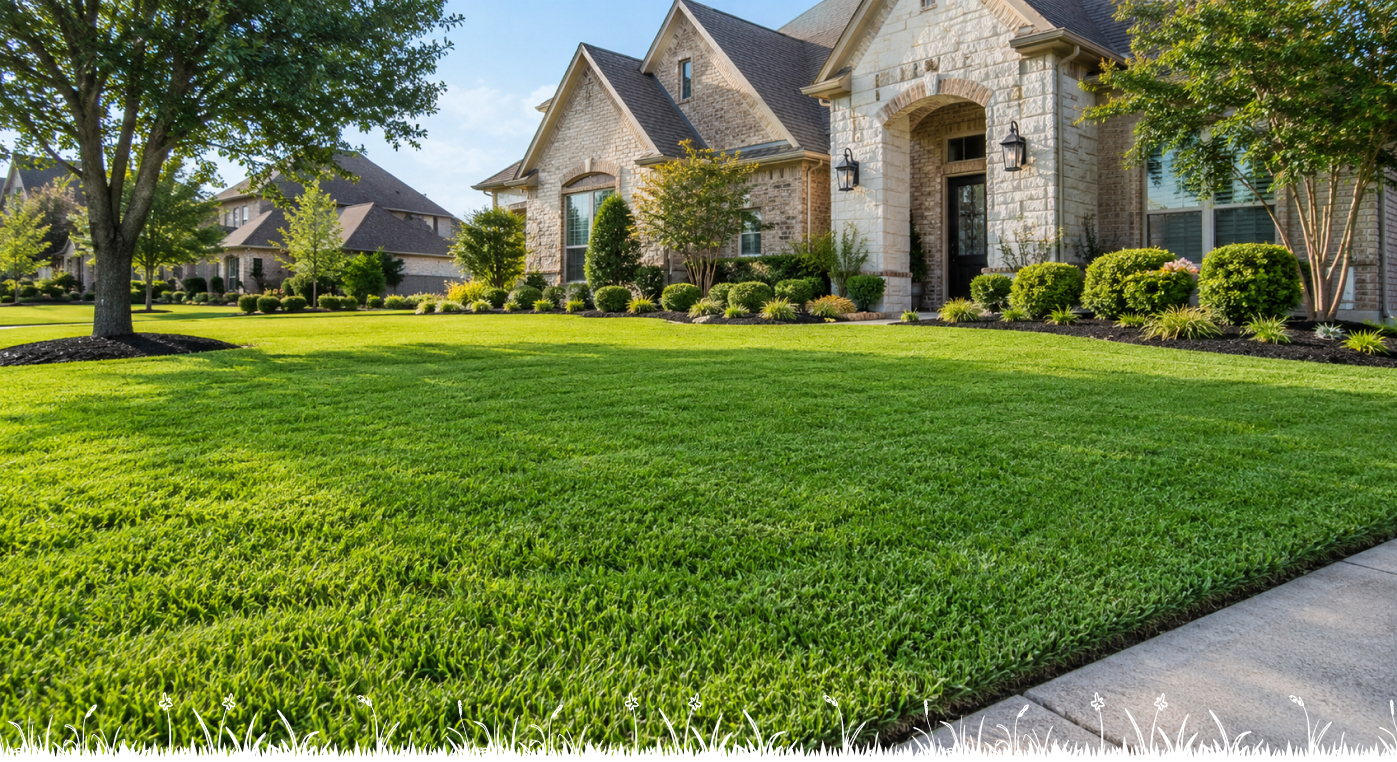
New Sod May Be Mowed or Used Too Soon
Fresh sod needs time to establish before returning to a normal lawn routine.
Heavy foot traffic can shift pieces before roots become secure, while mowing too early may disturb sections that are still establishing.
Once the lawn is ready for routine care, professional lawn maintenance services can help maintain mowing, edging, and the overall appearance of the property.
During the early period, try to minimize unnecessary activity across the new lawn, particularly in areas that already appear stressed.
Check the Pattern of Yellowing
Where the sod turns yellow can provide useful clues about what may be happening.
If only edges and seams are affected, moisture loss may be worth checking. If one entire irrigation area is yellowing, inspect sprinkler coverage. Low areas that remain wet may indicate excessive moisture or drainage issues.
Compare affected sections with healthy areas and consider:
- Soil moisture
- Sun exposure
- Irrigation coverage
- Soil contact
- Foot traffic
- Drainage
Identifying a pattern can help you avoid making unnecessary changes across the entire lawn.
Protect Your New Lawn after Installation
New sod requires attention while it develops roots and adjusts to the property. Proper watering, irrigation coverage, limited traffic, appropriate mowing, and continued monitoring can all contribute to successful establishment.
Homeowners searching for lawn maintenance Lewisville TX can turn to Cameron’s Pro Lawn Services for professional sod installation, lawn maintenance, irrigation, landscaping, and seasonal services throughout Lewisville and surrounding North Texas communities.
Frequently Asked Questions
Is it normal for new sod to turn slightly yellow?
Some temporary stress can occur after installation, but persistent or spreading yellow areas should be monitored for watering, irrigation, soil-contact, or other establishment problems.
Can under watering make new sod yellow?
Yes. New sod can dry quickly before its roots establish, particularly around seams, edges, and areas receiving more direct sunlight.
Can overwatering turn new sod yellow?
Excessive moisture and constantly saturated soil can also create poor conditions for establishing sod.
Why is only one part of my new sod yellow?
Uneven irrigation, sunlight, drainage, soil contact, or other localized property conditions may cause one section to respond differently from another.
Should I mow yellow new sod?
Avoid rushing into normal mowing while sod is still establishing. Make sure the lawn is sufficiently rooted and stable before beginning routine mowing.
Give Your New Sod the Right Start
Yellowing new sod does not always mean the lawn has failed. Watering, irrigation coverage, soil contact, weather, drainage, and early maintenance can all affect how fresh sod looks while it establishes.
Cameron’s Pro Lawn Services provides professional sod installation, irrigation, lawn maintenance, landscaping, and seasonal services throughout Lewisville and surrounding North Texas communities.

Cameron's Lawn Care Service
Explore helpful lawn care, landscaping, irrigation, sod installation, seasonal maintenance, and outdoor property care tips from our team.
See All Blog