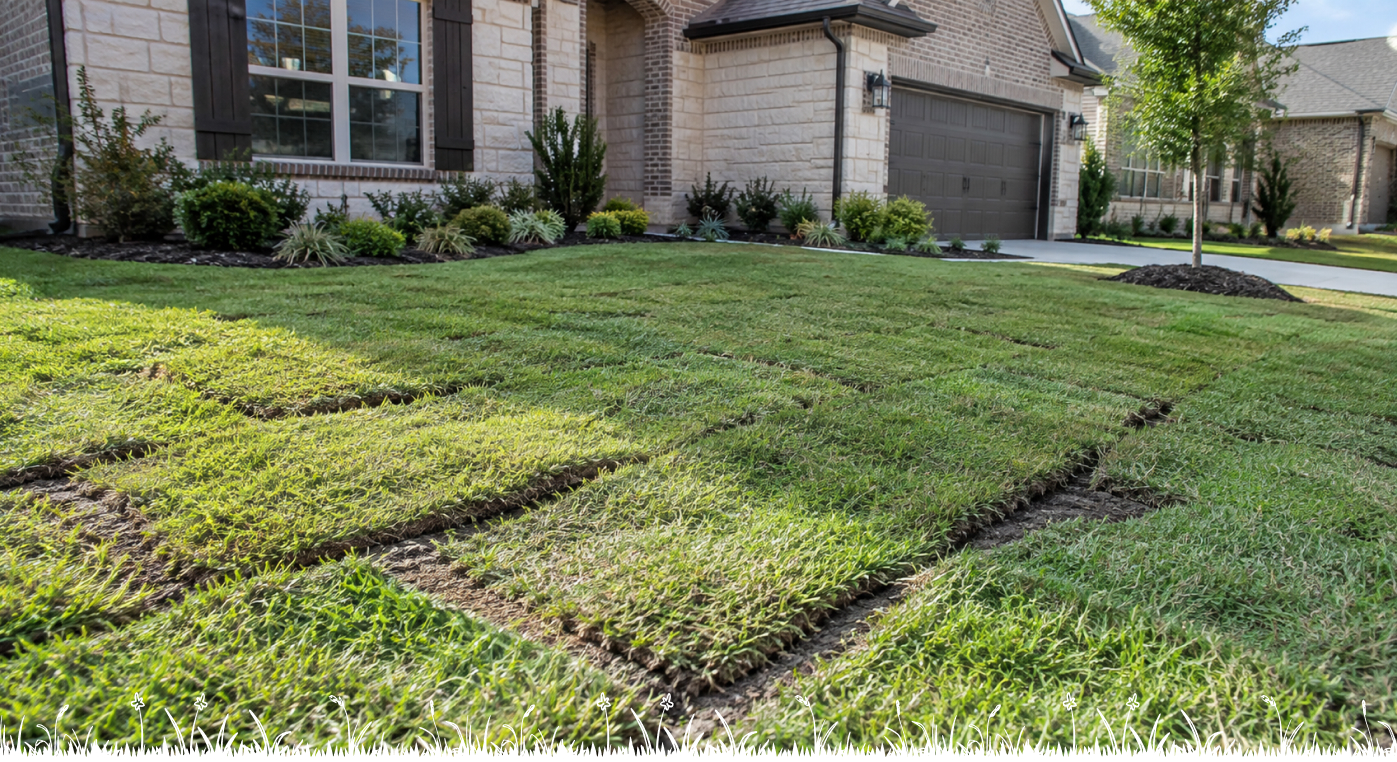
Fresh sod can quickly transform a patchy or damaged yard into a cleaner, greener lawn. After installation, however, some homeowners begin noticing visible gaps forming between individual pieces of sod.
Small seams may be noticeable immediately after installation, but gaps that become wider over time can indicate problems with moisture, soil preparation, placement, or establishment. Homeowners searching for sod installation companies near me should consider proper preparation and early sod care just as important as laying the sod itself.
Here are some common reasons new sod develops gaps and what North Texas homeowners should watch for.
The Sod May Be Drying Out and Shrinking
One of the most common reasons gaps appear between sod pieces is moisture loss.
Fresh sod contains moisture when installed. If it begins drying too quickly, individual pieces can shrink slightly and create more visible seams between them.
Watch for additional signs such as:
- Dry or curling edges
- Grass losing its healthy appearance
- Soil underneath becoming dry
- Corners beginning to lift
- Gaps becoming wider over time
Watering is especially important during the early establishment period because the sod has not yet developed a strong root system in the soil below.
The Pieces Were Spaced Too Far Apart
Sod pieces should be positioned closely together during installation.
If large spaces are left between pieces from the beginning, those seams may remain noticeable and can become more obvious as the sod dries or settles.
A professional sod grass installation service should focus on careful placement, soil preparation, and close contact between neighboring pieces.
Proper placement from the beginning can help create a more consistent finished lawn while the new sod establishes.
Uneven Soil Can Cause Sod to Shift
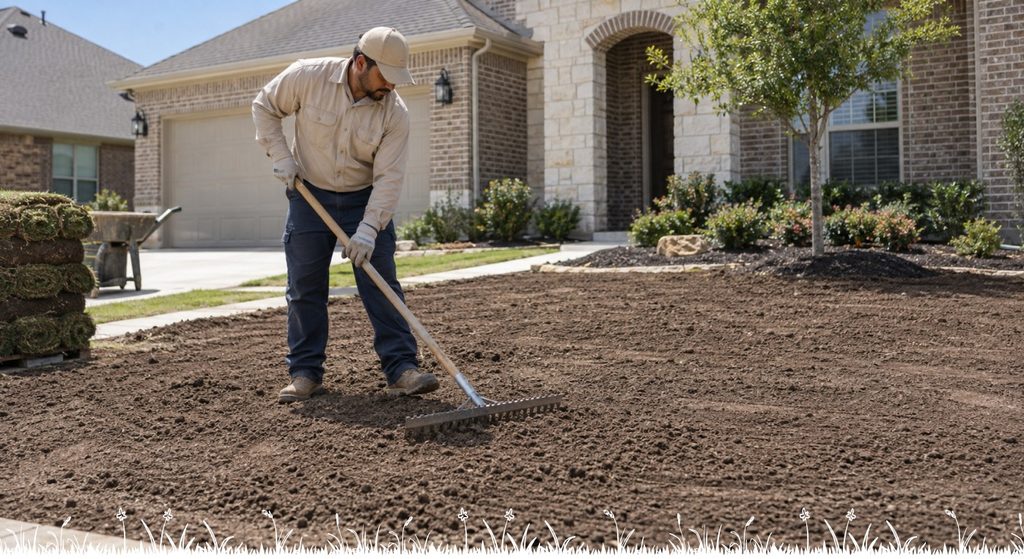
The ground underneath new sod should provide a smooth and properly prepared foundation.
Low spots, bumps, debris, or poorly leveled soil can prevent sod pieces from sitting evenly. As the lawn is watered and begins settling, individual sections may move or separate.
Proper preparation before installation may include:
- Removing existing grass and weeds
- Clearing rocks and debris
- Leveling uneven areas
- Addressing obvious low spots
- Preparing the soil for good sod contact
If pieces repeatedly shift or appear raised, the problem may be underneath the sod rather than with the grass itself.
Irrigation Coverage May Be Uneven
Running the sprinkler system does not always mean every piece of new sod is receiving the same amount of water.
A blocked sprinkler head, incorrect spray pattern, low pressure, or poorly positioned sprinkler can leave certain sections considerably drier than others.
Those dry areas may begin shrinking while properly watered sections remain relatively stable.
Professional irrigation services can help identify uneven coverage, sprinkler head problems, and other watering issues that may affect new sod establishment.
During the early establishment period, inspect several areas of the lawn after watering instead of assuming coverage is consistent everywhere.
Foot Traffic Can Move New Sod
Fresh sod is not immediately attached to the soil underneath it.
Before roots become established, walking across the lawn can move individual pieces, particularly when the ground is wet or soft.
Try to limit unnecessary traffic from:
- Children
- Pets
- Lawn equipment
- Repeated walking
- Outdoor projects
- Deliveries or maintenance work
High-traffic areas near gates, patios, and walkways may require particular attention.
Once the sod has established stronger roots, it becomes more stable and better able to handle normal lawn activity.
New Sod Needs Consistent Early Maintenance
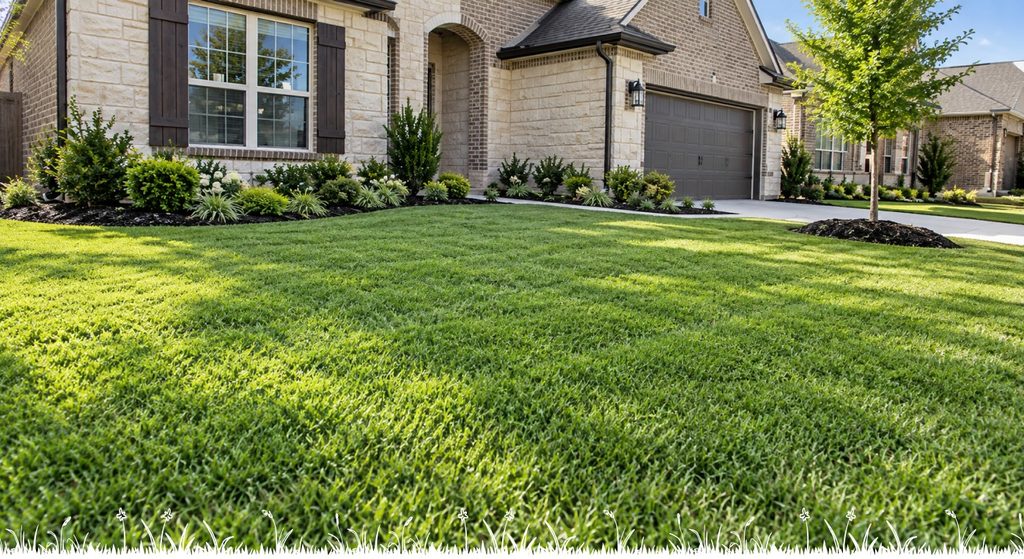
Installation is only the beginning of establishing a new lawn.
Watering, irrigation coverage, foot traffic, mowing, and general lawn conditions should all be monitored during the early stages.
Our recent guide, Why Do Landscape Beds Keep Getting Overgrown? 7 Common Causes, explains how irrigation, seasonal growth, and consistent property maintenance can also affect the appearance of surrounding landscape areas.
Once the new sod has properly established, professional lawn maintenance services can help maintain mowing, edging, and the overall appearance of the lawn.
Weather Can Affect New Sod Establishment
North Texas weather can create additional challenges for newly installed sod.
Warm temperatures, direct sunlight, wind, and changing rainfall can influence how quickly the sod loses moisture. Sections exposed to full sun may dry faster than shaded areas, which can create differences across the same lawn.
This is why new sod should be monitored based on actual property conditions rather than relying only on how one section looks.
If gaps are developing primarily in sunny or exposed areas, compare moisture conditions with other parts of the lawn.
What Should You Do If Gaps Start Appearing?
Do not automatically assume the entire sod installation has failed.
Start by checking the conditions around the affected areas. Look at moisture levels, irrigation coverage, soil contact, foot traffic, and whether individual pieces have shifted.
Small seams may become less noticeable as the lawn establishes and grows, but widening gaps or consistently dry sections deserve closer attention.
Avoid making major adjustments without identifying the likely cause first. Adding more water to the entire lawn, for example, may create overly wet conditions in areas that are already receiving enough moisture.
Protect Your New Lawn after Installation
A successful sod project depends on both proper installation and consistent care afterward.
Monitor watering, minimize unnecessary traffic, check sprinkler coverage, and wait until the lawn is sufficiently established before returning to a normal maintenance routine.
Homeowners searching for lawn maintenance Lewisville TX can turn to Cameron’s Pro Lawn Services for sod installation, lawn maintenance, irrigation, landscaping, and seasonal services throughout Lewisville and surrounding North Texas communities.
Frequently Asked Questions
Why are gaps forming between my new sod pieces?
Sod can develop gaps because of moisture loss, shrinking, improper spacing, uneven soil, movement, or inconsistent irrigation coverage.
Will gaps in new sod fill in naturally?
Small seams may become less noticeable as the lawn establishes and grows. Larger or widening gaps should be inspected to determine why the pieces are separating.
Can new sod shrink after installation?
Yes. If fresh sod loses moisture too quickly, individual pieces can shrink and make seams more visible.
Can walking on new sod create gaps?
Yes. Heavy or repeated foot traffic before the roots establish can cause pieces to shift or separate.
Should I water new sod more if gaps appear?
Check the moisture and irrigation coverage first. Some areas may be too dry while others already receive sufficient water, so increasing watering across the entire property is not always the right solution.
Give Your New Sod a Strong Start
Gaps between new sod pieces are often connected to moisture, placement, soil preparation, irrigation coverage, or early lawn activity. Identifying the cause early can help prevent the problem from becoming more noticeable.
Cameron’s Pro Lawn Services provides professional sod installation, irrigation, lawn maintenance, landscaping, and seasonal services throughout Lewisville and surrounding North Texas communities.

Cameron's Lawn Care Service
Explore helpful lawn care, landscaping, irrigation, sod installation, seasonal maintenance, and outdoor property care tips from our team.
See All Blog