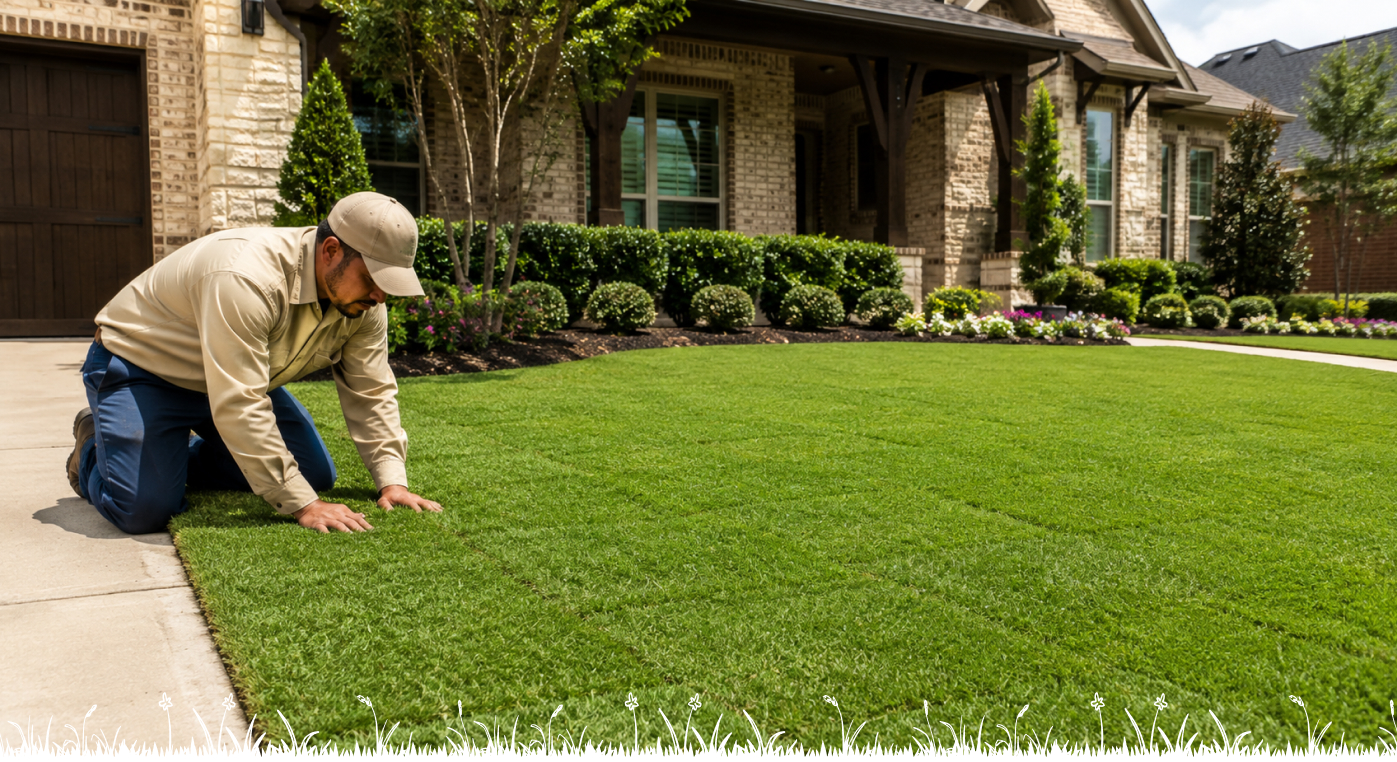
Installing fresh sod can transform a thin, patchy, or damaged yard into a green lawn much faster than growing grass from seed. However, installation is only the beginning. During the first several weeks, new sod needs consistent watering, careful mowing, limited foot traffic, and proper maintenance while the roots establish themselves in the soil below.
For North Texas property owners, proper aftercare becomes especially important because heat and changing weather conditions can quickly affect newly installed grass. Professional full service sod installation should therefore consider not only how the sod is installed but also what the lawn needs during its establishment period.
Cameron’s Pro Lawn Services provides sod installation and lawn care solutions for residential and commercial properties throughout Lewisville and surrounding North Texas communities.
Why New Sod Needs Special Care
New sod may look like an established lawn immediately after installation, but underneath the surface its roots still need time to connect with the existing soil.
During this period, the grass is more sensitive to inconsistent watering, excessive traffic, and incorrect mowing.
Good aftercare helps encourage the sod to:
- Develop stronger roots
- Maintain consistent moisture
- Adapt to the existing soil
- Establish more evenly
- Maintain healthy color
- Create a more consistent lawn
Ignoring aftercare can reduce the benefits of even a professionally installed lawn.
Water New Sod Consistently
Water is one of the most important factors during sod establishment.
Immediately after installation, the sod and underlying soil need adequate moisture. New grass does not yet have a deep root system, so allowing it to become excessively dry can cause stress.
At the same time, more water isn’t automatically better. Excessive watering can leave soil saturated and create other lawn problems.
The goal is consistent moisture while the roots begin establishing.
North Texas weather should also influence the watering schedule. Hot, dry conditions may increase moisture requirements, while cooler or rainy weather can reduce the need for supplemental watering.
Make Sure Your Irrigation System Provides Even Coverage
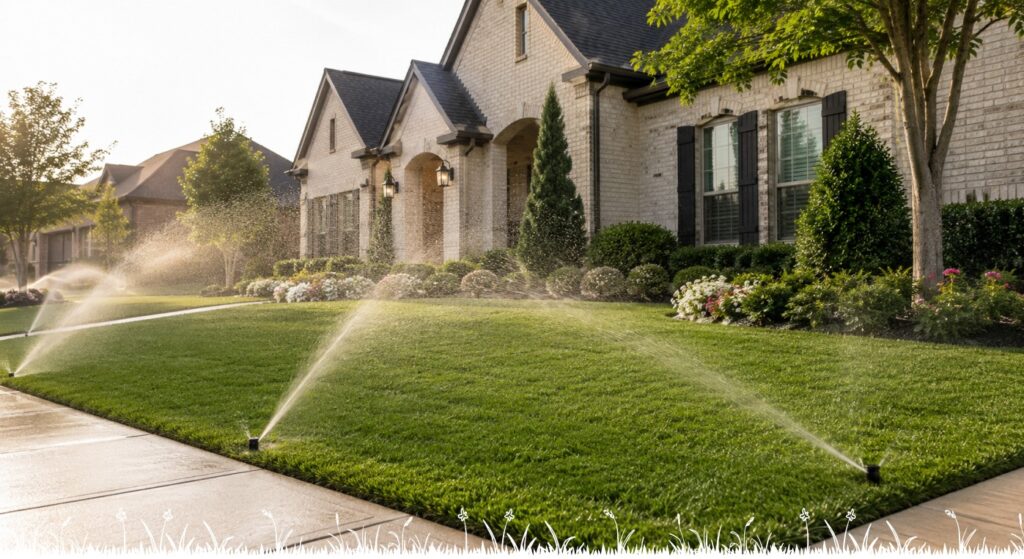
A properly functioning irrigation system can make caring for new sod much easier.
Before and after installing sod, check sprinkler coverage throughout the lawn. One area receiving too little water while another becomes saturated can result in uneven establishment.
Watch for:
- Dry areas
- Water pooling
- Broken sprinkler heads
- Poor spray patterns
- Blocked sprinkler heads
- Water spraying onto sidewalks or driveways
- Areas receiving noticeably different coverage
Correcting irrigation problems early helps provide more consistent moisture across the new lawn.
Avoid Heavy Foot Traffic on Fresh Sod
Freshly installed sod needs time to settle and establish roots.
Heavy foot traffic during the early establishment period can shift individual pieces of sod, compact wet soil, and interfere with root development.
Try to minimize:
- Children playing on the lawn
- Pets repeatedly running across the same areas
- Heavy equipment
- Frequent walking
- Outdoor furniture placed on fresh sod
If you need to cross the lawn for watering or inspection, keep unnecessary traffic to a minimum.
Once the sod has developed stronger roots and is firmly attached to the soil, normal lawn activity can gradually resume.
Know When to Mow New Sod for the First Time
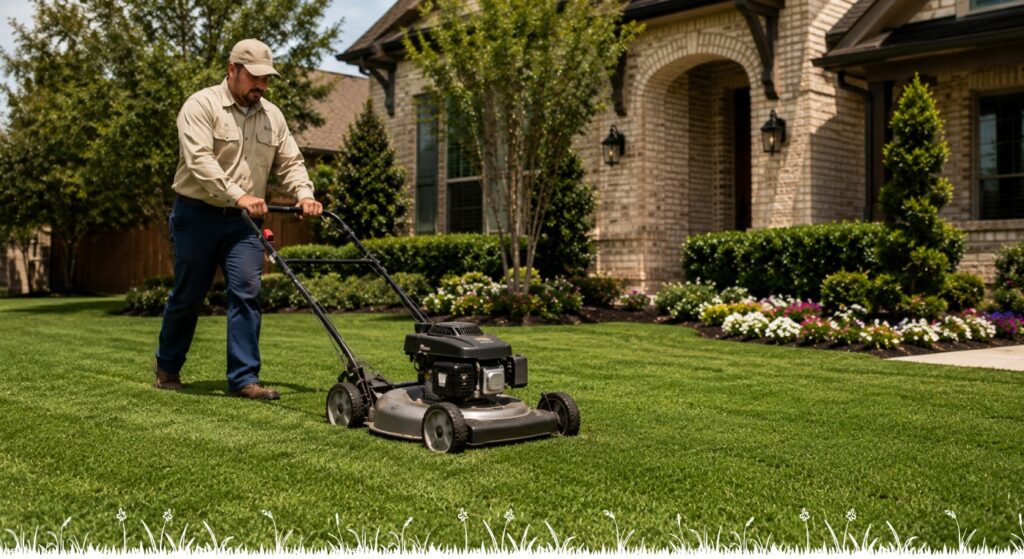
It can be tempting to mow new sod as soon as it begins looking tall, but mowing too early may disturb grass that hasn’t fully rooted.
Before the first mowing, check whether the sod has begun attaching to the underlying soil. You can gently test a small area to see whether the sod lifts easily.
If it still moves freely, it may need additional establishment time.
When the lawn is ready:
- Use properly maintained mower blades
- Avoid removing excessive grass height at once
- Make gentle turns
- Avoid mowing saturated soil
- Follow an appropriate mowing height for the grass type
After the establishment period, consistent lawn maintenance helps protect the appearance and health of the new lawn.
Watch the Edges and Seams
The edges of newly installed sod can dry more quickly than central areas because they are more exposed to air and heat.
Pay particular attention to:
- Lawn edges
- Corners
- Areas next to sidewalks
- Areas next to driveways
- Seams between sod pieces
- Sloped areas
If edges begin curling or separating, moisture levels and soil contact should be checked.
Professional installation helps position sod pieces closely together, but proper aftercare remains essential while roots develop.
Don’t Ignore Signs of Stress
Monitoring the lawn during the first few weeks can help you identify problems before they affect larger areas.
Watch for:
- Yellowing grass
- Brown patches
- Curling edges
- Gaps between sod pieces
- Areas that remain excessively wet
- Areas that dry much faster than the rest
- Sod that does not begin attaching to the soil
These symptoms can have different causes, so don’t automatically assume every discoloration requires additional water.
For example, both insufficient moisture and excessive watering can contribute to unhealthy lawn conditions. Uneven irrigation coverage can also create noticeable differences across the property.
How Long Does New Sod Take to Establish?
There isn’t one exact establishment timeline for every lawn.
Root development can vary based on:
- Grass type
- Weather
- Soil conditions
- Watering
- Installation quality
- Season
- Maintenance practices
Instead of relying only on a specific number of days, monitor how firmly the sod is attaching to the soil and how the grass responds to regular care.
As roots become established, watering practices can gradually transition from keeping the surface consistently moist toward supporting deeper root development.
What Affects the Cost of Sod Installation?
Homeowners researching installed sod prices should understand that the total cost can vary considerably from one property to another.
Factors may include:
- Total lawn area
- Grass or sod type
- Existing lawn condition
- Soil preparation requirements
- Removal of old grass
- Property accessibility
- Grading requirements
- Installation complexity
- Irrigation conditions
Because every property is different, a site-specific estimate is generally more useful than relying on a generic online price.
A professional sod grass installation service can evaluate the lawn, determine the preparation required, and recommend an installation approach based on actual property conditions.
Common New Sod Care Mistakes to Avoid
Even quality sod can struggle if aftercare isn’t handled correctly.
Some common mistakes include:
Letting New Sod Dry Out
Fresh sod has limited access to moisture until roots establish in the underlying soil.
Overwatering the Lawn
Constantly saturated soil can create poor growing conditions. Watering should respond to actual soil and weather conditions.
Mowing Too Early
Mowing before the sod has rooted can shift pieces and interfere with establishment.
Allowing Too Much Foot Traffic
Heavy activity can disturb freshly installed sod.
Ignoring Irrigation Coverage
A sprinkler system may appear to be working while still leaving certain areas too dry or too wet.
Forgetting Long-Term Maintenance
New sod still requires ongoing mowing, watering, and seasonal lawn care after establishment.
Avoiding these mistakes gives the lawn a better opportunity to develop healthy roots.
Caring for New Sod during North Texas Heat
Hot North Texas conditions can increase stress on newly installed grass.
During warmer periods, monitor moisture levels closely rather than assuming the same watering schedule will work every day.
Pay particular attention to areas near:
- Concrete
- Driveways
- Sidewalks
- South- or west-facing areas
- Slopes
- Exposed lawn edges
These areas may experience different drying conditions from shaded sections of the property.
The goal should be to respond to actual lawn conditions while avoiding both severe drying and unnecessary saturation.
Continue Lawn Care after the Sod Establishes
Sod installation creates the lawn, but ongoing maintenance protects the investment.
Once the grass has established, regular lawn care should include appropriate mowing, irrigation monitoring, seasonal maintenance, and attention to developing problems.
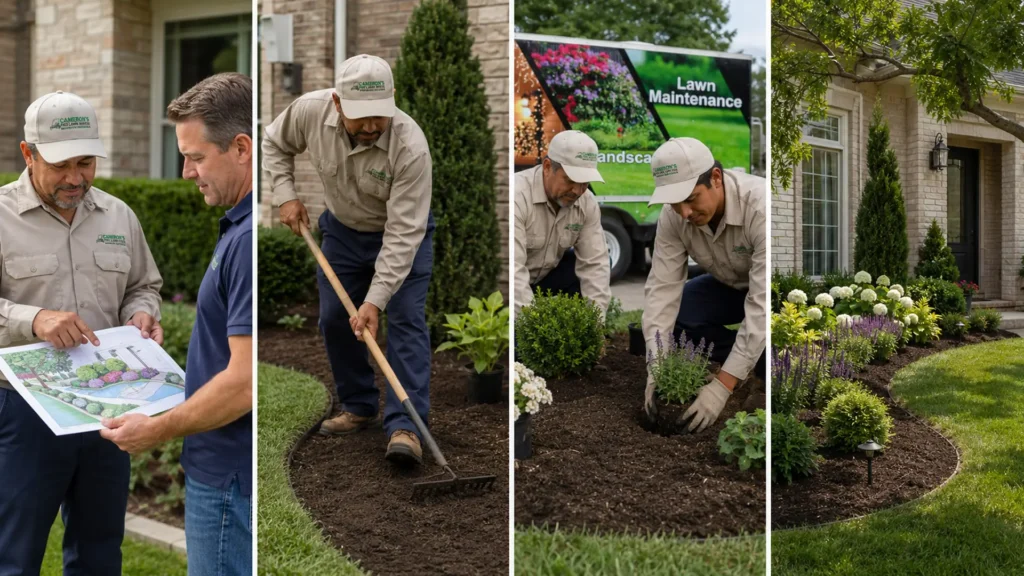
A well-maintained lawn also contributes to the overall appearance of landscape beds, shrubs, walkways, and other outdoor features.
Cameron’s Pro Lawn Services can help property owners coordinate lawn maintenance with other outdoor services rather than treating each area of the property separately.
Looking Ahead to Holiday Property Preparation
Once your lawn and landscape are maintained, seasonal exterior improvements can further enhance your property’s appearance. Our guide Professional Holiday Lighting: Why Early Planning Makes a Difference explains how early planning can make holiday lighting installation easier and more organized.
Why Choose Cameron’s Pro Lawn Services?
Successful sod installation involves more than placing new grass over the property. Proper preparation, installation, irrigation, and aftercare all contribute to how well the new lawn establishes.
Cameron’s Pro Lawn Services provides lawn and landscape solutions for residential and commercial properties throughout Lewisville and surrounding North Texas communities.
Our services include:
- Sod installation
- Lawn maintenance
- Landscaping
- Irrigation
- Seasonal services
- Holiday lighting
By combining installation with ongoing outdoor property care, we can help customers maintain their lawns beyond the initial sod project.
Frequently Asked Questions
How often should new sod be watered?
New sod requires consistent moisture during establishment, but watering frequency should account for weather, soil conditions, grass type, and drainage. The goal is to prevent the sod from drying out without keeping the soil unnecessarily saturated.
When can I mow newly installed sod?
Wait until the sod has begun rooting into the underlying soil and is firm enough that mowing will not shift it. Avoid mowing when the ground is excessively wet.
Can I walk on new sod?
Limited access may sometimes be necessary, but unnecessary foot traffic should be minimized during the early establishment period.
Why are the edges of my new sod drying out?
Edges and seams can lose moisture more quickly because they have greater exposure to air and heat. Check moisture levels and make sure those areas receive appropriate irrigation coverage.
Can an irrigation problem damage new sod?
Yes. Poor coverage, leaks, broken sprinkler heads, and incorrect watering schedules can cause uneven moisture and interfere with establishment.
How much does professional sod installation cost?
Pricing depends on lawn size, sod type, site preparation, existing lawn conditions, accessibility, and other property-specific factors. A professional property evaluation provides a more useful estimate than a generic price.
Give Your New Lawn the Best Start
New sod can quickly improve the appearance of a property, but the first several weeks of care play an important role in its long-term success.
Consistent moisture, even irrigation coverage, limited foot traffic, careful mowing, and regular inspections all help new grass develop stronger roots. Once established, ongoing lawn maintenance helps preserve the healthy, green appearance you invested in.
Cameron’s Pro Lawn Services provides professional sod installation and ongoing lawn care throughout Lewisville and surrounding North Texas communities. With proper installation and consistent aftercare, your new lawn can develop into a healthy and attractive part of your property.

Cameron's Lawn Care Service
Explore helpful lawn care, landscaping, irrigation, sod installation, seasonal maintenance, and outdoor property care tips from our team.
See All Blog