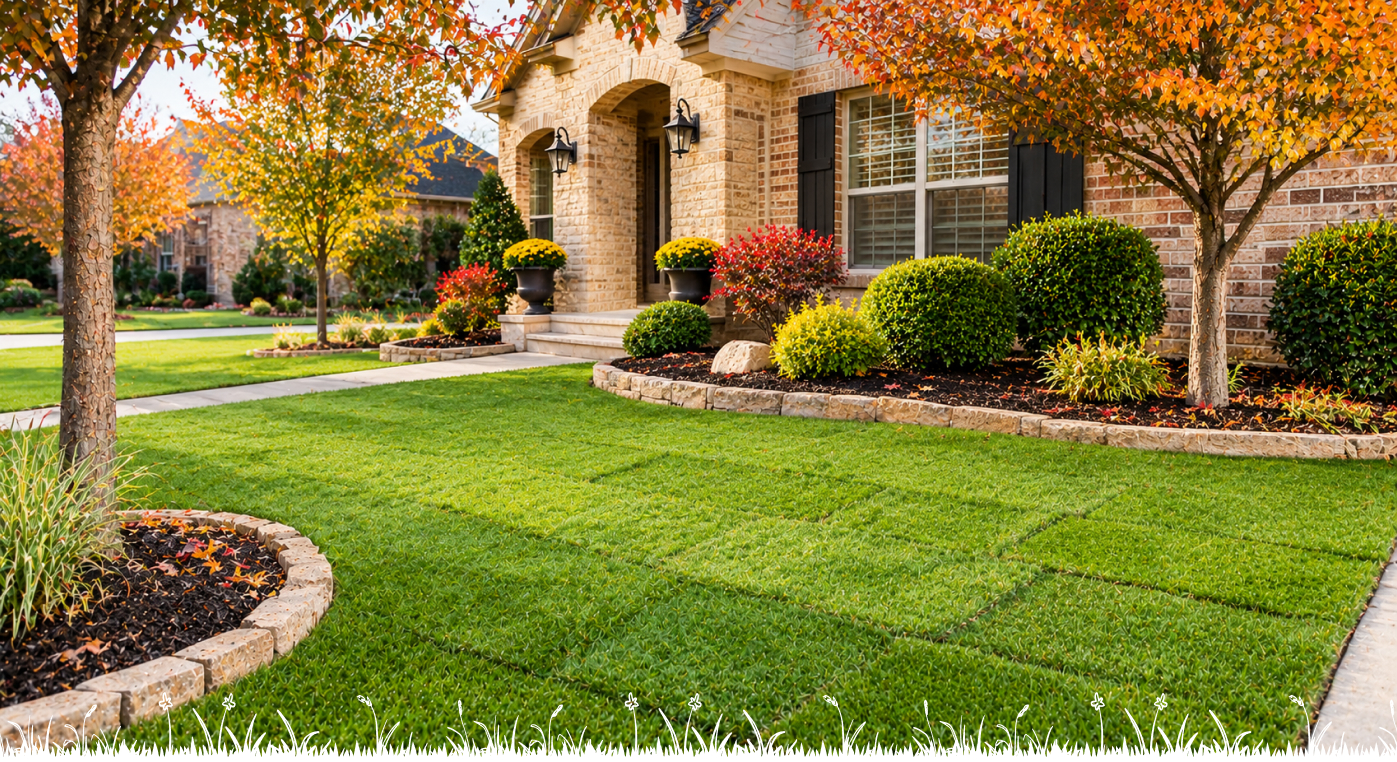
November brings cooler temperatures, shorter days, and slower grass growth across Lewisville and surrounding North Texas communities. Homeowners planning a lawn replacement often wonder whether they should install fresh sod now or wait until spring.
The answer depends on the grass variety, soil conditions, upcoming weather, and how quickly the new lawn needs to establish.
Although sod installation in November North Texas homeowners are considering may be possible under suitable conditions, late-fall installation carries additional risks for warm-season grasses.
Understanding those risks can help you decide whether to proceed with a lawn project or schedule installation for a more favorable growing season.
1. Can You Install Sod in November in North Texas?
Yes, sod can sometimes be installed in November, provided the ground is workable and the turf is available in suitable condition.
However, successful installation and successful establishment are not the same thing.
Most common North Texas lawn grasses are warm-season varieties that grow most actively during warmer months.
As soil temperatures decline, root growth slows and grass may enter dormancy.
This means sod installed late in the year may remain vulnerable to drying, shifting, and cold damage before it has developed strong roots.
Homeowners considering sod installation in November North Texas should evaluate weather conditions and establishment requirements before committing to installation.
2. How November Weather Affects New Sod
North Texas weather can change significantly throughout November.
Warm afternoons may be followed by cold nights, occasional frost, or periods of rainfall.
New sod needs adequate contact with prepared soil and enough moisture to support root establishment.
Cooler soil temperatures reduce the speed at which many warm-season grasses develop new roots.
Although dormant sod can sometimes survive winter when properly handled, it may not become firmly rooted until warmer growing conditions return.
The longer sod remains poorly established, the more important careful watering, drainage, and protection become.
3. Bermuda Sod Installation in Late Fall
Bermuda grass is widely used in sunny North Texas lawns because of its heat tolerance and vigorous growth during warm weather.
However, Bermuda is a warm-season grass that typically slows down and becomes dormant as temperatures decline.
Installing Bermuda sod in November can mean waiting until spring for substantial root development.
During this period, the sod may be more vulnerable to drying out or shifting before it anchors securely.
For homeowners who want rapid establishment, late spring through summer is generally a more favorable installation period.
If November installation is necessary, consult a local turf professional about the sod’s condition and expected establishment timeline.
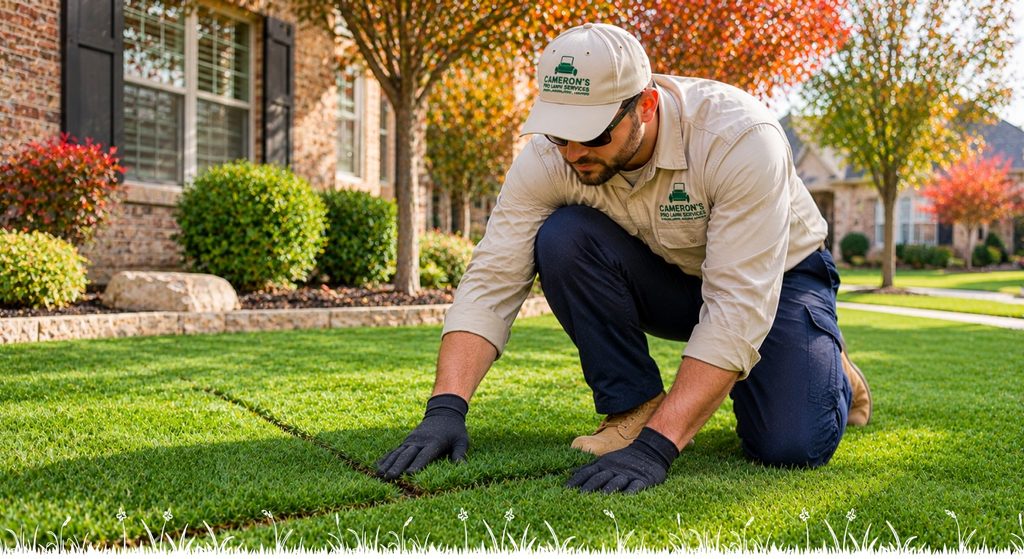
4. What About St. Augustine and Zoysia Sod?
St. Augustine and Zoysia are also popular warm-season turf choices in North Texas.
Both require appropriate growing conditions to establish healthy root systems.
St. Augustine generally performs better in warmer establishment conditions and can be vulnerable to cold stress, particularly before rooting.
Zoysia may tolerate a range of landscape conditions depending on the cultivar, but its establishment also slows during cool weather.
Installing either grass too late in the season can delay rooting and increase maintenance demands.
The right decision depends on the specific grass variety, available sunlight, soil preparation, and anticipated weather.
5. Prepare the Soil Before Installing Sod
Good soil preparation is essential regardless of installation season.
Start by removing existing weeds, construction debris, and unwanted vegetation.
Evaluate the soil surface for compacted areas, poor drainage, and uneven grading.
In many North Texas properties, clay-heavy soil can complicate water movement and root development.
Appropriate soil preparation may include loosening compacted soil, correcting surface irregularities, and addressing drainage concerns.
Avoid placing new sod directly over an unhealthy existing lawn.
Proper ground preparation helps create better soil contact and reduces problems that can become more difficult to correct after installation.
6. Adjust Irrigation for Cooler Temperatures
Fresh sod requires moisture, but watering needs change as temperatures fall.
Excessive irrigation can saturate the soil, while insufficient moisture can cause newly installed sod to dry out.
The correct watering schedule depends on grass type, soil conditions, rainfall, and how established the turf has become.
Homeowners should inspect moisture beneath the sod rather than relying on a fixed daily schedule.
Professional irrigation services in Lewisville can help identify uneven sprinkler coverage and watering problems that affect newly installed lawns.
Avoid operating sprinklers during freezing weather when water could create hazardous icy surfaces.
Latest Blog: Winter Landscape Bed Preparation
Homeowners preparing a property for winter should consider more than turfgrass.
Our recent article, How to Protect Landscape Beds before winter in North Texas, explains mulch maintenance, drainage inspections, plant protection, and seasonal outdoor care.
Reviewing surrounding landscape conditions before installing sod can help prevent water movement and maintenance problems around the new lawn.
7. Should You Wait Until Spring?
For many homeowners installing warm-season sod, waiting until the active growing season is the more reliable option.
Warmer soil conditions encourage stronger root development and allow grass to establish more quickly.
However, delaying installation may not be practical for every property.
New construction, erosion concerns, and property improvement schedules sometimes require earlier installation.
If sod must be installed during late fall, understand that establishment may remain limited until spring.
A professional assessment can help determine whether immediate installation or a delayed schedule is more appropriate.
8. Protect Newly Installed Sod From Winter Damage
New sod needs careful monitoring during its first winter.
Avoid unnecessary foot traffic, especially when the ground is wet or the sod has not rooted firmly.
Check for lifted corners, drying edges, and areas where water collects.
Follow grass-specific watering recommendations during dry periods, while accounting for freezing conditions.
Routine seasonal lawn and property maintenance can also help homeowners keep surrounding areas clean and identify problems before they worsen.
Do not apply fertilizers or other treatments automatically without considering soil conditions, grass type, and seasonal recommendations.
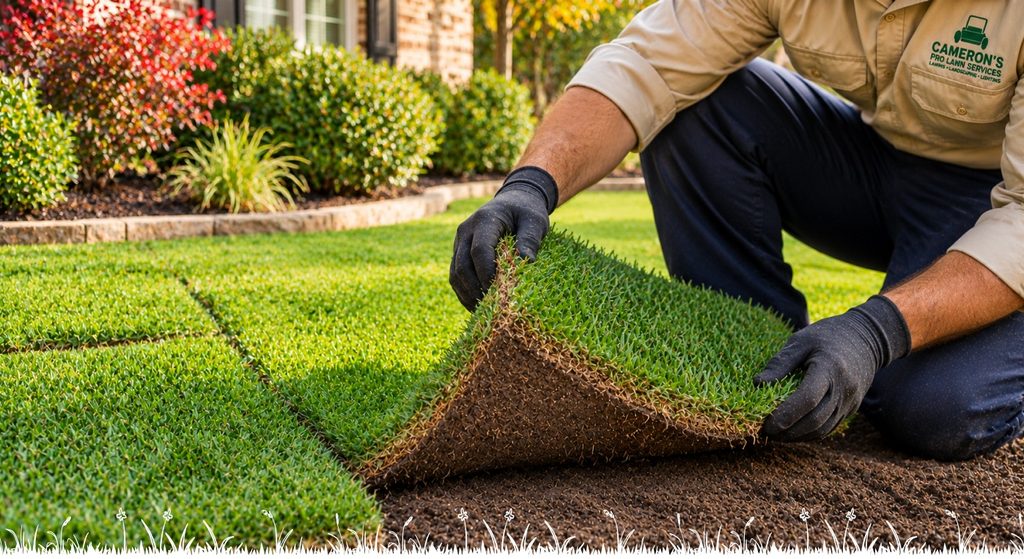
9. Common Mistakes with November Sod Installation
One common mistake is assuming newly installed sod will establish as quickly in November as it does during summer.
Other mistakes include poor soil preparation, overwatering, allowing sod to dry out, and ignoring the risk of freezing weather.
Installing sod on saturated or frozen ground can also create serious establishment problems.
Some homeowners begin mowing or allowing regular foot traffic before the sod has developed adequate roots.
A successful installation requires realistic expectations and maintenance appropriate for the season.
Related Reading: North Texas Irrigation Preparation
If you are planning a new lawn, irrigation preparation is another important consideration.
Read How to Prepare Your North Texas Irrigation System for winter for guidance on sprinkler equipment, watering adjustments, and protecting vulnerable irrigation components.
Proper irrigation planning supports both existing lawns and future sod installation projects.
Frequently Asked Questions
Is November too late to install Bermuda sod in North Texas?
Not always, but Bermuda sod installed in November may remain largely dormant until warmer weather returns, delaying root establishment.
Can new sod survive a North Texas winter?
It may survive when the grass is suitable, properly installed, and maintained, but late-fall installation carries greater establishment risks.
Should I water new sod during winter?
New sod may still need moisture during dry periods. Watering should reflect soil conditions, weather, and grass-specific recommendations.
What is the best time to install sod in Lewisville, TX?
Warm-season sod generally establishes more effectively during its active growing season, when soil temperatures support root growth.
Should I install sod now or wait until spring?
If rapid establishment is important, waiting until warmer conditions may be preferable. A site-specific evaluation can help determine the best approach.
Professional Sod Installation in Lewisville, TX
Choosing the right installation timing can make a significant difference in long-term lawn performance.
Cameron’s Pro Lawn Services helps homeowners evaluate lawn conditions, prepare properties, and plan appropriate sod installation projects.
For dependable lawn maintenance Lewisville TX homeowners can turn to Cameron’s Pro Lawn Services for ongoing turf and landscape care.
Contact Cameron’s Pro Lawn Services today to request a free sod installation estimate.

Cameron's Lawn Care Service
Explore helpful lawn care, landscaping, irrigation, sod installation, seasonal maintenance, and outdoor property care tips from our team.
See All Blog