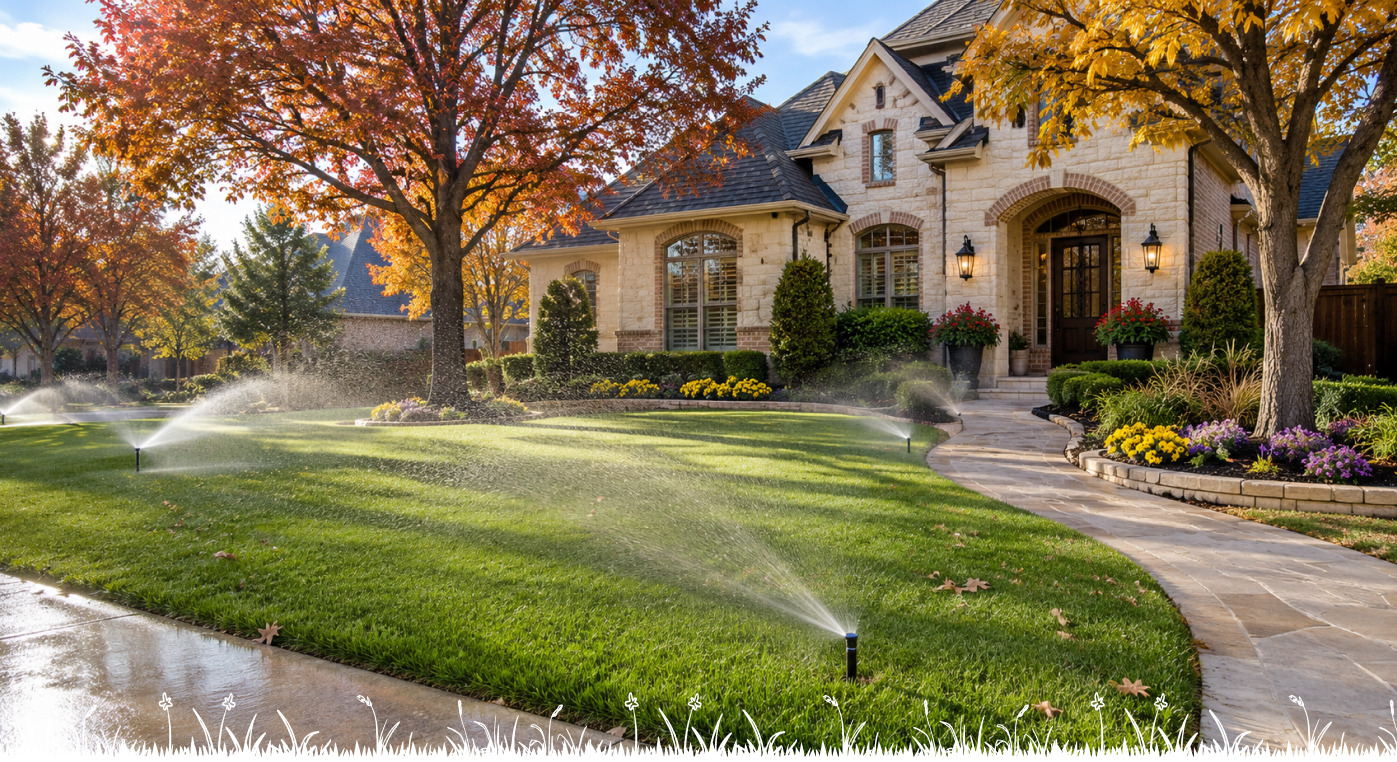
Winter sprinkler system maintenance is essential for homeowners who want to protect their irrigation systems from freezing temperatures, damaged pipes, broken sprinkler heads, and unexpected repair expenses. Although North Texas generally experiences mild winters, sudden cold fronts and freezing weather can create serious problems for residential irrigation systems.
Many homeowners reduce their lawn watering schedules during winter but forget that sprinkler pipes, valves, backflow prevention assemblies, and other exposed irrigation components may still contain water.
When temperatures drop below freezing, trapped water can expand and damage vulnerable system components.
Understanding proper sprinkler freeze protection helps homeowners reduce the risk of costly repairs and maintain a more reliable irrigation system throughout the colder months.
Whether your property has an automatic sprinkler system or a smaller residential irrigation setup, preparing it before freezing weather arrives is an important part of seasonal property maintenance.
Here are seven practical ways to protect your sprinkler system during winter.
1. Inspect Your Sprinkler System before Freezing Weather
The first step in effective winter sprinkler system maintenance is inspecting the entire irrigation system before temperatures drop.
Many sprinkler problems develop gradually during the warmer months but remain unnoticed until winter.
Small leaks, damaged sprinkler heads, loose connections, and exposed pipes can become more vulnerable during freezing conditions.
Homeowners should inspect the following components:
- Sprinkler heads for visible cracks or damage.
- Irrigation pipes for leaks or exposed sections.
- Valve boxes for standing water.
- Backflow prevention assemblies for exposed components.
- Sprinkler controllers for incorrect watering schedules.
- Irrigation zones for uneven water distribution.
Identifying these issues early helps reduce the risk of unexpected problems during winter.
Professional sprinkler system inspection and irrigation services can help homeowners evaluate their systems and identify components that may require seasonal protection.
2. Adjust Your Winter Irrigation Schedule
One of the most common winter watering mistakes is continuing to use the same irrigation schedule established during summer.
Warm-season grasses such as Bermuda, St. Augustine, and Zoysia naturally slow their growth as temperatures decline.
As a result, lawns generally require less water during winter.
A proper winter irrigation schedule should consider rainfall, soil moisture, grass dormancy, and upcoming weather conditions.
Homeowners should:
- Reduce automatic watering frequency.
- Check soil moisture before irrigation.
- Avoid watering immediately before freezing temperatures.
- Monitor local weather forecasts.
- Disable unnecessary watering cycles during dormant periods.
Excessive watering during winter can contribute to saturated soil, drainage problems, and unnecessary water consumption.
Homeowners should also remember that watering requirements vary depending on soil conditions and grass variety.
Maintaining appropriate moisture levels helps protect grass roots without creating additional winter maintenance problems.
3. Protect Exposed Pipes and Backflow Preventers
Exposed irrigation components are especially vulnerable during freezing weather.
When water freezes inside a pipe or backflow prevention assembly, it expands and may cause cracks, broken fittings, or other damage.
Proper sprinkler pipe freeze protection focuses on reducing exposure and following the equipment manufacturer’s winterization recommendations.
Homeowners should identify exposed pipes and above-ground irrigation components before a freeze arrives.
Protective insulation designed for outdoor plumbing may help reduce heat loss, but insulation alone does not guarantee protection during prolonged freezing temperatures.
Backflow prevention assemblies require particular attention because they may contain water even when the irrigation system is not actively running.
Depending on the system design, professional winterization may involve shutting off the irrigation supply, draining vulnerable components, or using an approved procedure to remove trapped water.
Homeowners should avoid operating unfamiliar valves or attempting compressed-air winterization without proper equipment and training.
4. Turn off Automatic Watering during Freezing Conditions
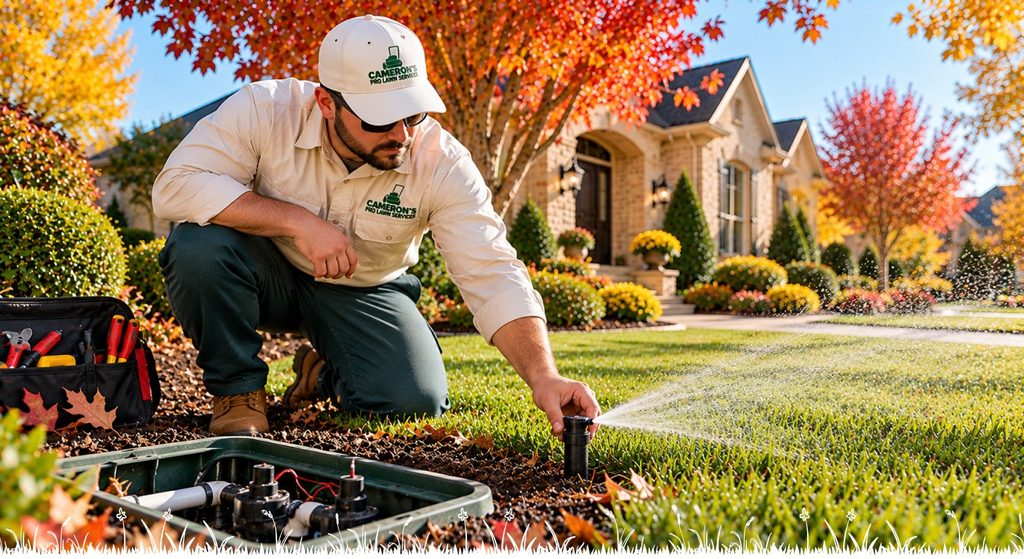
Automatic irrigation systems can create problems when watering cycles run during freezing temperatures.
Water sprayed onto lawns, sidewalks, and driveways may freeze and create slippery surfaces.
Frozen water can also accumulate around sprinkler heads and exposed irrigation components.
For effective automatic sprinkler freeze prevention, homeowners should review their irrigation controller settings before winter.
Modern irrigation controllers may include weather-based scheduling, rain sensors, or freeze sensors that prevent watering during unsuitable conditions.
However, homeowners should confirm that these features are installed, configured correctly, and functioning as intended.
A freeze sensor may stop scheduled watering, but it does not remove water already trapped inside vulnerable pipes or equipment.
Homeowners should also avoid restarting irrigation immediately after a freeze without checking for visible damage.
Waiting until conditions are safe allows for a more careful system inspection.
5. Check for Sprinkler Damage After a Freeze
Freezing temperatures can damage irrigation components even when the system appears normal from the outside.
Some leaks become noticeable only after temperatures rise and water begins flowing again.
Common signs of sprinkler freeze damage include:
- Water leaking around sprinkler heads.
- Unusual wet spots in the lawn.
- Cracked exposed pipes or fittings.
- Reduced water pressure.
- Sprinkler zones that fail to operate correctly.
- Water collecting near irrigation valves.
After freezing conditions have passed, homeowners should inspect visible components before returning to normal watering schedules.
If the system appears damaged, avoid operating affected zones until the issue has been evaluated.
At Cameron’s Pro Lawn Services, we understand how seasonal weather changes can affect both residential lawns and irrigation systems. Regular inspections and preventive maintenance help homeowners identify potential problems before they develop into larger property maintenance concerns.
For homeowners searching for lawn maintenance Lewisville TX, maintaining healthy grass also involves paying attention to irrigation performance, seasonal watering needs, and changing weather conditions.
A well-maintained sprinkler system supports more consistent lawn care throughout the year.
Latest Reading: Winter Lawn Care in Lewisville, TX — 7 Ways to Protect Your Grass
Winter lawn care is essential for protecting residential lawns from colder temperatures, frost, and seasonal damage. Proper watering, mowing adjustments, and protecting dormant grass can help homeowners maintain healthier lawns throughout winter and prepare for stronger growth in spring.
In our latest blog, Winter Lawn Care in Lewisville, TX: 7 Ways to Protect Your Grass, we explain seven practical ways homeowners can protect their lawns during colder months. The article covers winter watering, grass protection, seasonal maintenance, and common mistakes to avoid, helping homeowners keep their lawns in better condition until spring arrives.
6. Keep Your Lawn and Landscape Areas Properly Maintained
Winter irrigation maintenance is closely connected to overall lawn and landscape care.
Poor drainage, accumulated debris, and damaged turf can make it more difficult to identify irrigation problems.
Regular cold weather lawn maintenance helps homeowners maintain cleaner outdoor areas and identify potential issues before spring.
Homeowners should remove excessive leaves from drainage areas, monitor standing water, and inspect landscape beds near irrigation lines.
Professional seasonal lawn cleanup services can help maintain outdoor areas and reduce debris buildup during colder months.
Landscape beds also require attention because irrigation lines may run near shrubs, ornamental plants, and garden areas.
Maintaining proper mulch coverage and monitoring soil moisture can help protect landscape plants during seasonal temperature changes.
Professional landscape maintenance and garden bed care can support healthier outdoor conditions and improve the appearance of residential properties.
Homeowners should also avoid placing heavy equipment over wet lawns or areas containing shallow irrigation lines.
Protecting both the lawn and its irrigation infrastructure helps reduce unnecessary damage.
7. Prepare Your Irrigation System for Spring
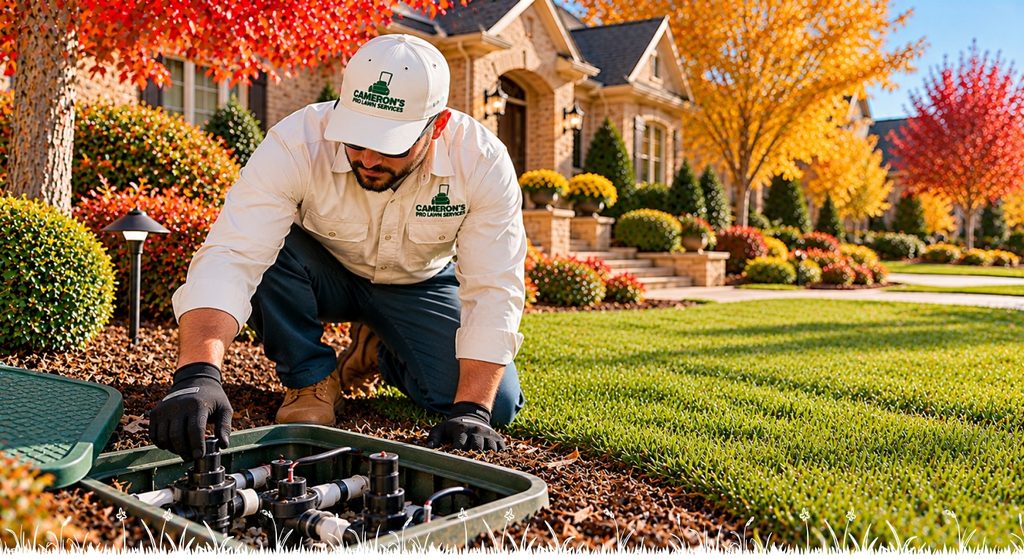
Proper spring sprinkler system preparation begins with evaluating the condition of your irrigation system after winter.
Even if no obvious damage occurred during freezing weather, homeowners should inspect sprinkler heads, pipes, valves, and controller settings before returning to regular watering schedules.
A spring irrigation inspection can help identify leaks, damaged components, and areas with uneven water coverage.
Homeowners should check for visible damage and follow the manufacturer’s instructions for safely restoring water to the system.
Once temperatures become suitable for active grass growth, irrigation schedules can be adjusted according to seasonal watering needs.
Professional routine lawn mowing and turf maintenance can complement proper irrigation management by helping homeowners maintain appropriate grass height and overall lawn conditions.
Properties with severely damaged grass may also benefit from lawn replacement and sod installation when growing conditions support successful turf establishment.
Preparing irrigation systems before spring helps homeowners avoid unnecessary watering problems and supports more efficient lawn maintenance.
Why Preventive Sprinkler Maintenance Matters
A residential irrigation system is an important part of maintaining healthy lawns and attractive landscapes.
When sprinkler systems are not properly maintained, homeowners may experience water waste, uneven irrigation, damaged grass, and unexpected repair expenses.
Preventive maintenance helps identify small problems before they become more serious.
Winter is particularly important because freezing temperatures can affect components that remain exposed to cold weather.
Homeowners who inspect their systems, adjust watering schedules, and protect vulnerable equipment can reduce the risk of avoidable winter damage.
Consistent irrigation maintenance also supports better water management and helps prepare residential lawns for changing seasonal conditions.
Related Reading: Water-Saving Landscaping in North Texas 7 Smart Ideas for 2027
Efficient water management is important for homeowners who want to maintain attractive outdoor spaces while reducing unnecessary water consumption. Choosing suitable plants, improving soil conditions, using mulch effectively, and planning irrigation carefully can all contribute to better landscape performance? These practices become especially valuable in North Texas, where changing rainfall patterns and hot summer temperatures can affect residential landscaping.
For more helpful ideas, explore our related article, Water-Saving Landscaping in North Texas: 7 Smart Ideas for 2027. This guide discusses practical landscaping improvements that can help homeowners manage water more efficiently while maintaining attractive lawns and garden beds. Combining water-conscious landscaping with proper sprinkler maintenance can support healthier outdoor spaces throughout the year.
Frequently Asked Questions About Winter Sprinkler Maintenance
1. How do I protect my sprinkler system from freezing?
Inspect exposed components, follow the manufacturer’s winterization instructions, and consider professional assistance when draining or protecting vulnerable equipment. Insulation alone may not prevent damage during prolonged freezing conditions.
2. Should I turn off my sprinkler system during winter?
Automatic watering schedules should be adjusted according to grass dormancy, rainfall, and temperature. Irrigation should not run when freezing conditions could create ice or damage equipment.
3. Can sprinkler pipes freeze underground?
Yes. Buried pipes can freeze when soil temperatures become sufficiently cold, particularly in shallow or exposed areas. Risk depends on burial depth, soil conditions, and the duration of freezing weather.
4. How can I tell if my sprinkler system has freeze damage?
Common warning signs include leaks, reduced water pressure, broken fittings, unusual wet areas, and sprinkler zones that fail to operate properly.
5. When should I restart my sprinkler system after winter?
Restart irrigation when freezing risks have passed and watering is appropriate for current lawn conditions. Inspect the system first and follow the manufacturer’s recommended startup procedure.
Protect Your Sprinkler System Before Winter Damage Occurs
Winter sprinkler maintenance is an important part of protecting residential lawns and irrigation equipment from seasonal weather changes.
Inspecting exposed components, adjusting watering schedules, monitoring freezing conditions, and identifying potential leaks can help homeowners reduce unnecessary damage.
A well-maintained irrigation system also supports healthier grass and more efficient water management throughout the year.
By preparing before freezing weather arrives and inspecting equipment after severe cold, homeowners can maintain more reliable irrigation performance and prepare their properties for spring.

Cameron's Lawn Care Service
Explore helpful lawn care, landscaping, irrigation, sod installation, seasonal maintenance, and outdoor property care tips from our team.
See All Blog