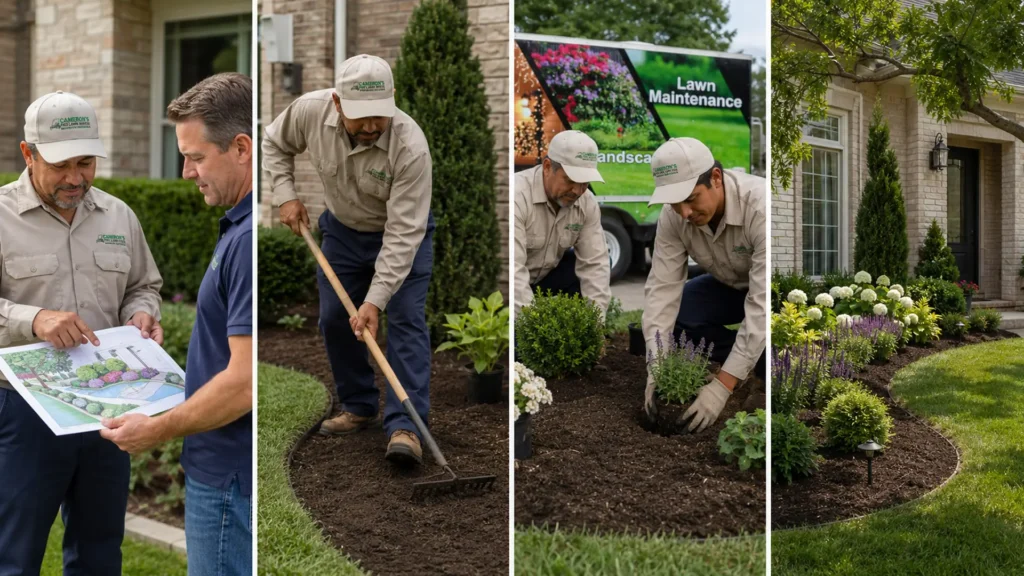
Water conservation is becoming an important part of residential landscaping across North Texas. With hot summers, unpredictable rainfall, and changing seasonal conditions, homeowners are looking for practical ways to maintain beautiful outdoor spaces without wasting water.
For residents of Lewisville, Flower Mound, Frisco, and Highland Village, water-saving landscaping in North Texas offers an opportunity to create attractive, manageable yards that can handle challenging weather conditions.
As homeowners plan landscaping improvements for 2027, choosing suitable plants, improving irrigation efficiency, and reducing unnecessary watering can make a meaningful difference.
Here are seven smart landscaping ideas to consider before starting your next outdoor project.
1. Choose Native and Drought-Tolerant Plants
One of the most effective ways to create a water-efficient landscape is to select plants suited to North Texas growing conditions.
Native and well-adapted plants generally handle local heat, soil conditions, and seasonal weather changes better than plants requiring frequent irrigation.
Popular options include:
- Turk’s Cap: A flowering plant suitable for many partially shaded locations.
- Autumn Sage: A colorful perennial that performs well in sunny, well-drained areas.
- Gulf Muhly: An ornamental grass valued for its soft, attractive appearance.
- Texas Sage: A drought-tolerant shrub that prefers sunny conditions.
- Red Yucca: A low-water ornamental plant that adds texture and seasonal color.
Plant selection should always consider sunlight, drainage, mature size, and available growing space.
Even drought-tolerant plants require appropriate watering while their roots become established.
Professional landscaping services can help homeowners develop outdoor spaces that balance appearance, plant health, and long-term maintenance.
2. Upgrade to a More Efficient Irrigation System
An outdated or poorly adjusted sprinkler system can waste water without homeowners realizing it.
Common problems include leaking sprinkler heads, incorrect watering schedules, broken pipes, and sprinklers spraying sidewalks or driveways.
A properly maintained irrigation system delivers water where plants need it while reducing unnecessary runoff.
For 2027, homeowners should consider:
- Adjusting sprinkler heads to avoid paved surfaces
- Checking irrigation lines for hidden leaks
- Installing rain sensors where appropriate
- Using weather-based irrigation controllers
- Separating lawn and landscape watering zones
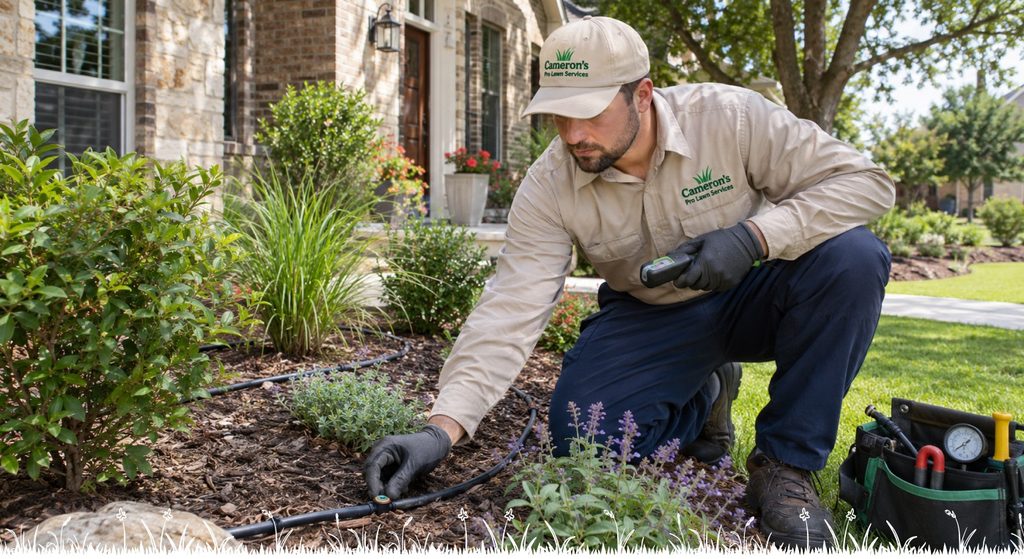
- Considering drip irrigation for suitable planting beds
Drip irrigation delivers water closer to plant roots and can be especially useful for shrubs, flower beds, and ornamental plants.
Cameron’s Pro Lawn Services offers irrigation services to help homeowners address sprinkler problems and improve system performance.
3. Reduce Unnecessary Lawn Areas
A traditional grass lawn can provide valuable outdoor space, but not every section of a property needs turfgrass.
Narrow strips beside driveways, difficult-to-maintain corners, and unused lawn areas may require regular watering without providing much practical value.
Homeowners can consider replacing selected sections with:
- Mulched planting beds
- Native ornamental grasses
- Decorative stone pathways
- Drought-tolerant shrubs
- Small garden areas
- Outdoor seating spaces
This approach does not mean eliminating your entire lawn.
Instead, it means keeping healthy grass in areas where it serves a purpose while introducing alternative landscape features elsewhere.
For homeowners planning to retain or replace lawn areas, professional sod installation can help establish a suitable grass surface when soil conditions, watering needs, and installation timing are properly considered.
4. Use Mulch to Protect Soil Moisture
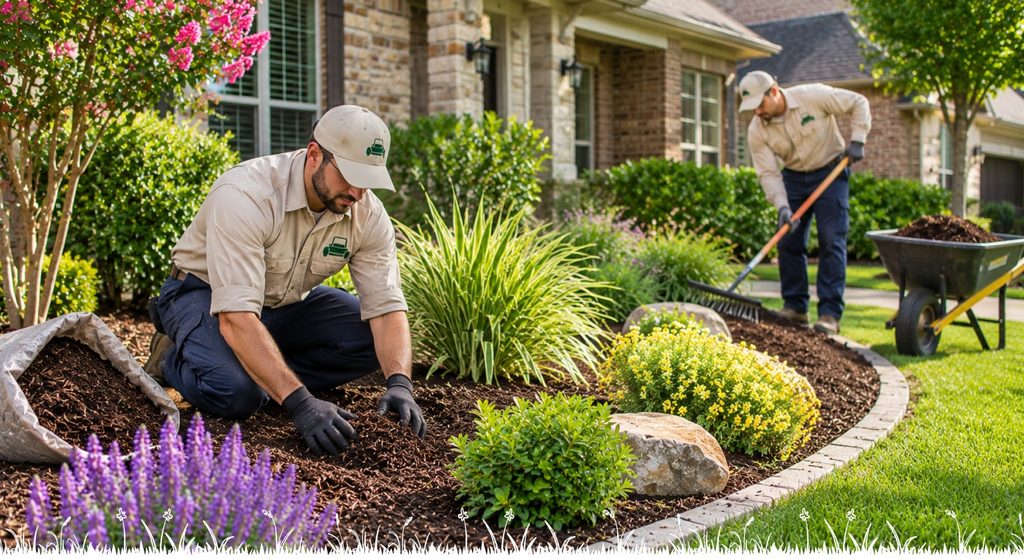
Mulching is a simple landscaping practice that can help reduce moisture loss from the soil.
A suitable mulch layer protects exposed soil, moderates temperature changes, and can help suppress weed growth.
Organic mulch materials may include:
- Shredded hardwood
- Pine bark
- Wood chips
- Other suitable landscape mulches
For many planting beds, approximately two to three inches of mulch is a useful starting point.
Avoid piling mulch directly against tree trunks or plant stems, as excess moisture around these areas can contribute to plant health problems.
Mulching is particularly helpful during North Texas summers, when high temperatures can dry exposed soil quickly.
It also gives landscape beds a clean, finished appearance.
Latest Reading: Christmas Light Installation Cost in North Texas
Planning your holiday decorations? Understanding Christmas light installation costs can help you choose the right lighting design and budget for your North Texas home.
Christmas Light Installation Cost in North Texas: What Homeowners Should Know
Discover the factors that affect professional Christmas light installation pricing, including property size, roofline complexity, lighting styles, and seasonal services.
5. Group Plants According to Their Water Needs
Not every plant requires the same amount of water.
For example, established drought-tolerant shrubs may need less frequent irrigation than newly planted flowers or actively growing turfgrass.
When plants with very different watering requirements share the same irrigation zone, some may receive too much water while others receive too little.
A practical landscaping technique is to group plants with similar water requirements together.
This approach is often called hydrozoning.
For homeowners, the concept is simple: place plants that need similar amounts of water in the same areas.
Benefits can include:
- More appropriate watering schedules
- Reduced unnecessary irrigation
- Healthier plant growth
- Easier landscape maintenance
Before redesigning planting beds, evaluate sunlight exposure, soil drainage, and the irrigation system already installed on your property.
6. Improve Soil Health Before Adding New Plants
Healthy soil plays an important role in water-efficient landscaping.
North Texas properties often contain clay-heavy soils that can become compacted, making it difficult for water to move into the root zone.
When soil absorbs water slowly, excessive irrigation may cause runoff instead of benefiting plants.
Depending on the landscape, homeowners may improve soil conditions through:
- Adding appropriate organic matter
- Correcting drainage problems
- Avoiding unnecessary soil compaction
- Using mulch around planting beds
- Selecting plants suited to existing soil conditions
Soil preparation should be based on the plants being installed and the characteristics of the property.
Not every landscape needs the same soil amendments.
For homeowners considering major changes, a professional landscape assessment can help identify drainage, grading, and soil-related concerns before installation begins.
7. Maintain Your Landscape Throughout the Year
Water-efficient landscaping is not a one-time project.
Even well-designed landscapes require regular attention to remain healthy and attractive.
Seasonal maintenance helps identify irrigation issues, remove unwanted weeds, and prevent plant beds from becoming overcrowded.
Important tasks include:
- Inspecting irrigation systems
- Adjusting watering schedules for seasonal weather
- Removing weeds that compete for moisture
- Monitoring plant health
- Maintaining appropriate mulch depth
- Pruning plants when necessary
- Keeping turfgrass at suitable mowing heights
Homeowners searching for reliable lawn maintenance in Lewisville, TX can benefit from a consistent maintenance plan that supports both lawn health and overall landscape appearance.
Cameron’s Pro Lawn Services also provides seasonal services to help homeowners maintain outdoor spaces throughout changing North Texas weather conditions.
Why Water-Saving Landscaping Matters for North Texas Homeowners
North Texas landscapes experience intense summer heat, periods of limited rainfall, and occasional winter freezes.
These conditions make thoughtful plant selection and efficient watering especially important.
A water-conscious landscape can offer several advantages:
- Reduced unnecessary outdoor water use
- Less dependence on frequent irrigation
- Better adaptation to local growing conditions
- Lower maintenance requirements for suitable plantings
- Attractive outdoor spaces throughout the seasons
The goal is not to create a yard without grass or greenery.
Instead, homeowners can combine healthy turfgrass, native plants, efficient irrigation, and practical landscape features to develop a balanced outdoor environment.
For additional lawn care guidance, read our article on how to prevent winter weeds in North Texas lawns.
Frequently Asked Questions
What is water-saving landscaping?
Water-saving landscaping involves choosing suitable plants, improving irrigation efficiency, and designing outdoor spaces to reduce unnecessary water consumption while maintaining an attractive appearance.
What are the best drought-tolerant plants for North Texas?
Turk’s Cap, Autumn Sage, Gulf Muhly, Texas Sage, and Red Yucca are examples worth considering. The best choice depends on sunlight, soil conditions, available space, and the property’s design.
Can I have a green lawn with water-efficient landscaping?
Yes. Water-efficient landscaping does not require removing all turfgrass. Homeowners can maintain functional lawn areas while using drought-tolerant plants and other landscaping features in selected locations.
Does drip irrigation save water?
Properly designed and maintained drip irrigation can reduce water waste by delivering moisture closer to plant roots. It is particularly useful for suitable planting beds and shrubs.
When should I start planning landscaping improvements for 2027?
Late fall and winter are useful times to evaluate your property, develop a landscape plan, and prepare for suitable planting windows. Planting schedules should account for frost risk and the needs of individual plant species.
How can I reduce my outdoor watering costs?
Inspect your irrigation system for leaks, adjust watering schedules according to weather, choose suitable plants, use mulch, and avoid watering areas that do not need it.
Plan a Smarter North Texas Landscape for 2027
Creating an attractive, water-efficient landscape begins with thoughtful planning.
By choosing suitable plants, improving irrigation performance, reducing unnecessary turf areas, and maintaining healthy soil, homeowners can create outdoor spaces better suited to North Texas conditions.
Small improvements can make a meaningful difference, whether you are updating an existing landscape or planning a complete outdoor redesign.
Cameron’s Pro Lawn Services helps homeowners in Lewisville and surrounding communities maintain attractive outdoor spaces through professional landscaping, irrigation, and lawn care solutions.
Explore our professional landscaping services to learn more about planning improvements for your property.

Cameron's Lawn Care Service
Explore helpful lawn care, landscaping, irrigation, sod installation, seasonal maintenance, and outdoor property care tips from our team.
See All Blog