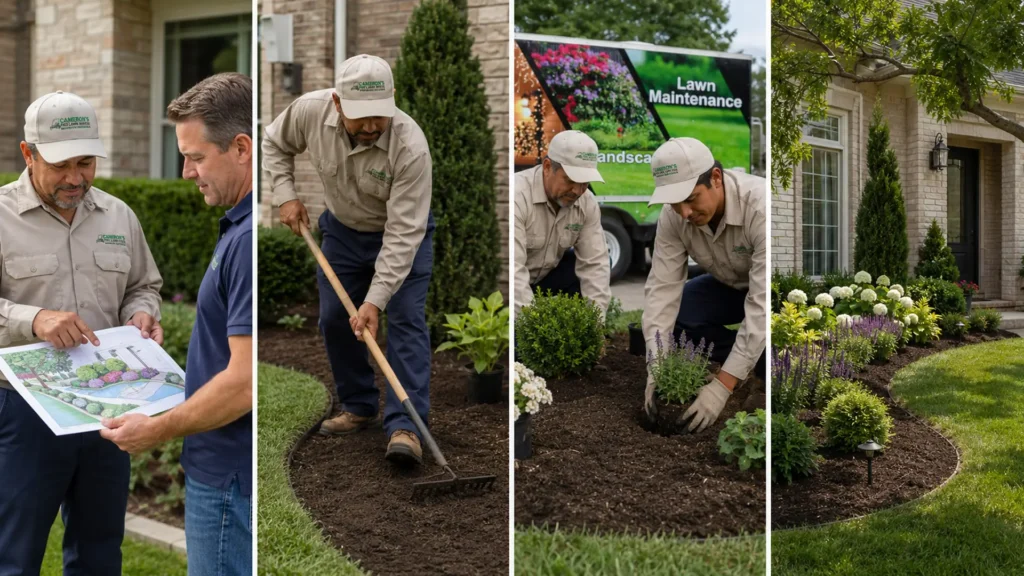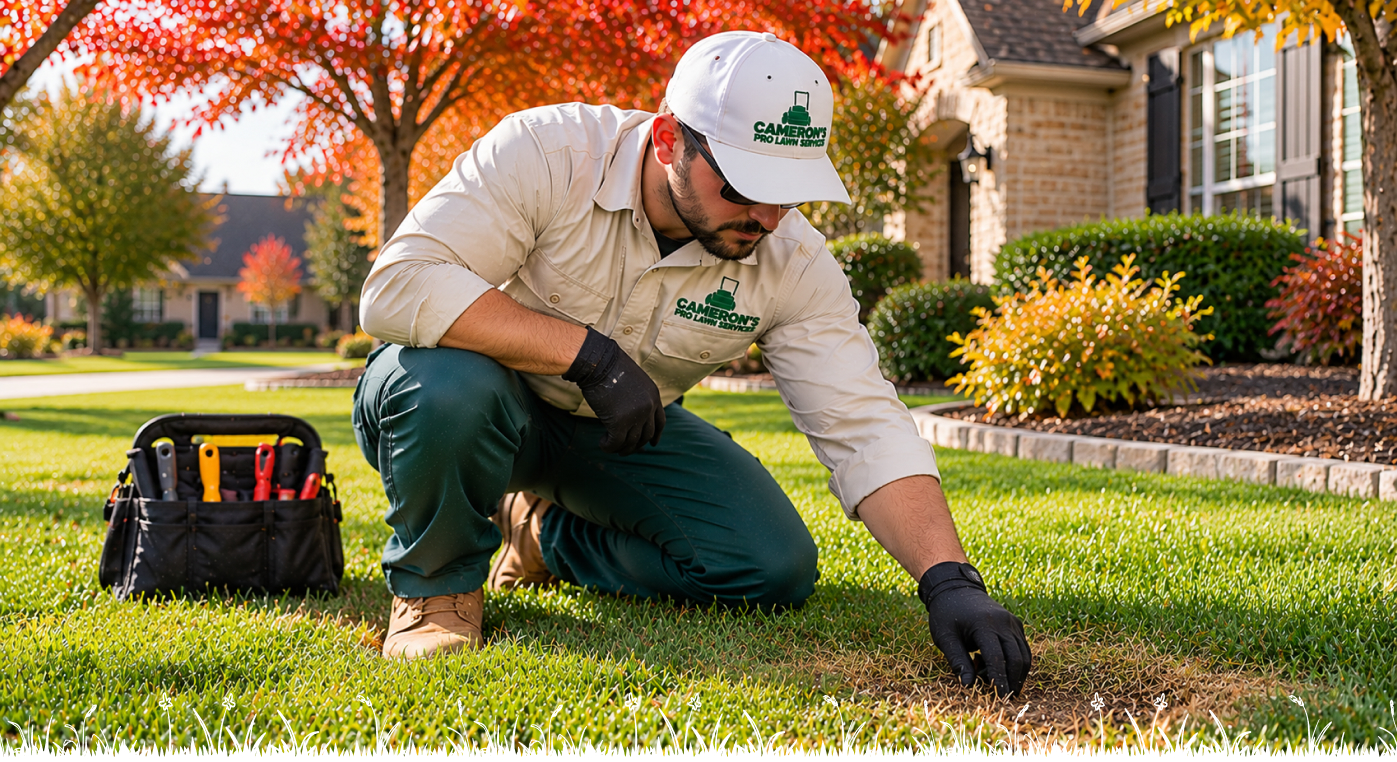
Winter lawn care in Lewisville TX is important for homeowners who want to protect their grass during colder months and prepare their lawns for healthy spring growth. Although North Texas usually experiences mild winters, sudden temperature drops, dry conditions, frost, and occasional freezing weather can affect residential lawns.
Warm-season grasses such as Bermuda, St. Augustine, and Zoysia naturally slow their growth as temperatures decrease. Many lawns turn brown during winter because the grass enters dormancy. This is a normal seasonal process, but proper maintenance is still necessary to protect grass roots and prevent unnecessary damage.
Understanding how to manage winter lawn protection helps homeowners avoid common mistakes, including excessive watering, unnecessary mowing, and allowing leaves to accumulate on dormant turf.
Here are seven practical ways to maintain a healthier lawn throughout the winter season.
1. Adjust Your Mowing Schedule During Winter
One of the most important aspects of cold weather lawn maintenance is understanding when your grass actually needs mowing.
During spring and summer, warm-season grasses grow actively and require regular cutting. However, as temperatures decline, grass growth slows significantly.
Continuing the same mowing schedule during winter can place unnecessary stress on dormant grass.
Homeowners should follow these practices:
· Reduce mowing frequency when grass growth slows.
· Avoid cutting dormant grass excessively short.
· Keep mower blades sharp.
· Never mow when grass is frozen or covered with frost.
· Remove excessive grass clippings when necessary.
Maintaining an appropriate mowing height helps protect grass crowns and reduces the risk of winter damage.
Professional lawn mowing and maintenance services can help homeowners adjust their lawn care schedules according to seasonal growing conditions.
2. Follow a Proper Winter Watering Schedule
Many homeowners assume their lawns no longer need water once the grass becomes dormant.
However, prolonged dry weather can still affect soil moisture and grass roots.
A proper winter watering schedule depends on rainfall, soil conditions, grass variety, and temperature.
During colder months, lawns generally require less water because grass growth and evaporation rates decrease.
To manage watering effectively:
· Check soil moisture before running sprinklers.
· Reduce automatic irrigation frequency.
· Avoid watering immediately before freezing temperatures.
· Inspect sprinkler heads for leaks.
· Monitor areas where water collects after rainfall.
Excessive watering can create saturated soil conditions and increase the risk of drainage problems.
Homeowners can use professional sprinkler system maintenance and irrigation services to identify watering problems and make appropriate seasonal adjustments.
Proper moisture management helps protect dormant grass without wasting water.
3. Remove Fallen Leaves and Lawn Debris
Leaf accumulation is one of the most common maintenance challenges during late fall and early winter.
Although a small amount of finely shredded leaves can provide organic material to the soil, thick layers of leaves may block sunlight and trap excessive moisture.
Regular winter lawn cleanup helps maintain healthier turf conditions and keeps residential properties looking organized.
Homeowners should remove heavy leaf buildup, fallen branches, and debris from lawns, walkways, and drainage areas.
Wet leaves can create additional problems because they form dense layers that restrict airflow around grass.
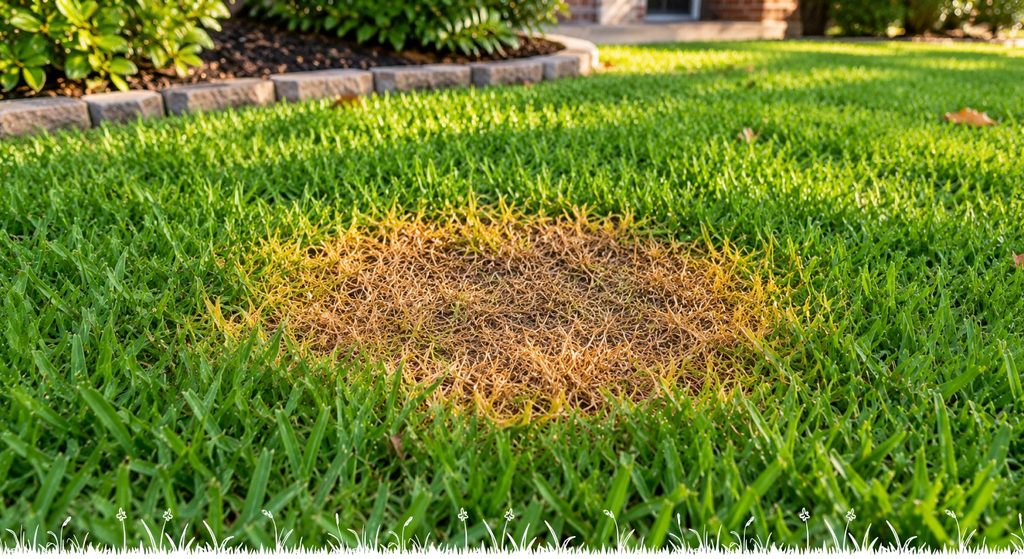
Seasonal cleanup also makes it easier to identify bare patches, drainage issues, and damaged turf.
Professional seasonal yard cleanup services can help homeowners manage fallen leaves and maintain cleaner outdoor spaces throughout winter.
4. Protect Dormant Grass From Heavy Foot Traffic
Proper dormant grass care involves protecting the lawn from unnecessary physical damage.
During winter, warm-season grasses grow very slowly and cannot recover from stress as quickly as they do during warmer months.
Heavy foot traffic, parked vehicles, and outdoor equipment can damage grass crowns and compact the soil.
Soil compaction reduces the movement of oxygen, water, and nutrients around the root system.
To prevent damage, homeowners should avoid walking repeatedly across wet or frozen lawns, use designated pathways, and keep heavy equipment away from vulnerable turf.
It is also important to avoid unnecessary lawn treatments during extreme cold.
Protecting dormant grass throughout winter can help preserve existing turf and support better growing conditions when spring arrives.
5. Inspect Your Lawn for Winter Damage
Winter provides an opportunity to identify lawn problems that may have developed during the previous growing season.
Thin grass, bare patches, poor drainage, and compacted soil often become easier to recognize when warm-season turf enters dormancy.
Homeowners should inspect their lawns regularly and identify areas that may require attention before spring.
At Cameron’s Pro Lawn Services, we understand that North Texas lawns experience different challenges throughout the year. Regular inspections, seasonal adjustments, and consistent property care can help homeowners identify potential problems before they become more serious.
For homeowners searching for lawn maintenance Lewisville TX, maintaining a consistent lawn care routine is important for protecting grass during winter and supporting healthier growth throughout the year.
Inspecting the lawn during colder months also makes it easier to plan necessary repairs and improvements.
Latest Reading: Winter Lawn Care in North Texas — 7 Mistakes Homeowners Should Avoid in 2026
Winter lawn maintenance requires careful attention because common mistakes can affect grass health during colder months. Overwatering, mowing dormant grass too short, ignoring fallen leaves, and failing to prepare for freezing temperatures can create unnecessary problems for homeowners. Understanding these seasonal challenges helps protect grass roots, reduce winter damage, and maintain healthier lawn conditions before spring arrives.
In our latest blog, Winter Lawn Care in North Texas: 7 Mistakes Homeowners Should Avoid in 2026, we explain seven common winter lawn care mistakes and how homeowners can avoid them. The article provides practical guidance on seasonal watering, mowing adjustments, dormant grass protection, and proper lawn maintenance. These tips can help homeowners make better decisions throughout winter and prepare their lawns for healthy spring growth.
6. Maintain Landscape Beds and Outdoor Features
Winter lawn care should also include attention to the surrounding landscape.
Garden beds, shrubs, ornamental plants, and mulch areas can experience seasonal stress from cold temperatures and changing moisture conditions.
Regular winter landscape maintenance helps protect outdoor features and keeps properties looking attractive throughout colder months.
Homeowners should inspect landscape beds for drainage problems, remove damaged plant material when appropriate, and maintain suitable mulch coverage.
Mulch can help moderate soil temperature and reduce moisture loss. However, excessive mulch placed directly against plant stems may create unnecessary problems.
Professional landscape design and maintenance services can help homeowners maintain garden beds, shrubs, and other outdoor features during seasonal weather changes.
Winter is also a good time to evaluate outdoor improvements and prepare landscape areas for spring.
For homeowners decorating their properties during the holiday season, professional Christmas light installation can improve seasonal curb appeal without requiring homeowners to handle the installation themselves.
7. Prepare Your Lawn for Healthy Spring Recovery
Although winter grass growth is limited, homeowners can use the colder months to prepare for the next growing season.
Effective spring lawn recovery begins with identifying existing problems and planning appropriate maintenance.
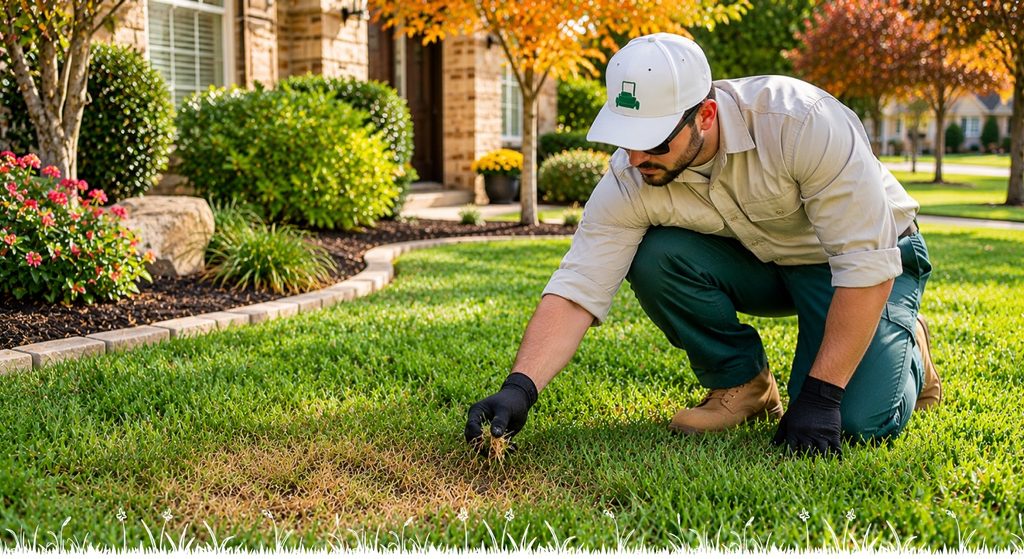
Homeowners should inspect areas with thinning grass, compacted soil, drainage problems, or previous drought damage.
Some lawns may require repairs once warmer temperatures return.
For properties with severely damaged or missing grass, professional new sod installation and lawn replacement may be an option when soil temperatures and growing conditions become suitable.
Homeowners should also inspect irrigation systems and remove accumulated debris before active spring growth begins.
Avoid applying unnecessary fertilizer to fully dormant warm-season lawns. Fertilization is generally more effective when the grass is actively growing and able to use the nutrients.
Planning ahead can make spring maintenance more efficient and help homeowners address lawn problems before they become more difficult to manage.
Why Consistent Winter Lawn Maintenance Matters
Every residential lawn has different maintenance requirements.
Grass variety, soil conditions, sunlight exposure, drainage, and property usage all influence how a lawn responds to winter weather.
Some lawns require additional leaf removal, while others may need irrigation adjustments or protection from heavy foot traffic.
Consistent seasonal maintenance helps homeowners identify problems early and maintain better outdoor conditions throughout the year.
Rather than waiting until spring to evaluate lawn damage, homeowners can use winter to inspect their properties and prepare an appropriate maintenance plan.
This approach supports healthier grass recovery and helps reduce avoidable maintenance problems.
Related Reading: Preparing Your Lawn for Winter Dormancy
Understanding winter dormancy is an important part of protecting warm-season grass. As temperatures decline, Bermuda, St. Augustine, and Zoysia naturally reduce their growth and may lose their green appearance. Although the grass looks inactive, its roots can remain alive beneath the soil. Proper mowing, watering, and seasonal maintenance help protect the turf during this period.
For additional information, read How to Prepare Your North Texas Lawn for Winter Dormancy. This related guide explains important preparation steps homeowners can take before colder weather arrives. It covers practical maintenance considerations and common seasonal mistakes that may affect grass health. Together, these articles provide useful guidance for maintaining residential lawns throughout winter.
Frequently Asked Questions about Winter Lawn Care
1. How often should I mow my lawn during winter?
Mowing frequency depends on grass growth. Warm-season grasses generally require little or no mowing once they become fully dormant.
2. Should I water dormant grass during winter?
Dormant grass may still need occasional watering during extended dry periods. Always check rainfall and soil moisture before irrigating.
3. Can frost damage my lawn?
Yes. Frost can make grass more vulnerable to physical damage, particularly when people or equipment move across frozen turf.
4. Is winter a good time to install new sod?
Warm-season sod generally establishes more successfully when soil temperatures support active root growth. Spring or early summer is often more suitable.
5. Why does Bermuda grass turn brown in winter?
Bermuda grass naturally enters dormancy when temperatures decline. Brown grass during winter does not necessarily indicate that the lawn is dead.
Keep Your Lawn Protected Throughout Winter
Maintaining a healthy lawn during winter requires attention to mowing, watering, debris removal, soil conditions, and dormant grass protection.
Homeowners who follow a consistent seasonal routine can reduce unnecessary turf damage and prepare their properties for healthier spring growth.
Understanding how grass responds to colder weather also helps prevent common maintenance mistakes.
With proper care and early preparation, residential lawns can remain better protected throughout the winter season.

Cameron's Lawn Care Service
Explore helpful lawn care, landscaping, irrigation, sod installation, seasonal maintenance, and outdoor property care tips from our team.
See All Blog